

Best Gym Clothes for Men Winter: Stay Warm and Stylish
When cold weather arrives, many men find it hard to keep up their fitness routine. Stepping outside or even heading to the gym can feel like a challenge. The right gym clothes for winter make a big difference. They help you stay warm without overheating, let your skin breathe, and support your movement.
Choosing wisely can keep your motivation high and protect your body from the cold.
Winter gym wear is not just about thick hoodies and sweatpants. It’s about layers, technical fabrics, and smart design. With so many options in the market, it’s easy to get lost or pick the wrong clothes. Some people buy what looks good, but later regret it because it feels heavy, soaks up sweat, or restricts their movement.
If you’ve ever felt cold when starting your workout and sweaty minutes later, you know the struggle.
This guide will help you find the best gym clothes for men winter. We’ll look at each layer you need, what fabrics to choose, and which features matter most. You’ll also learn about common mistakes and how to avoid them. By the end, you’ll know exactly what to wear and how to train comfortably, no matter how low the temperature drops.
Why Winter Gym Clothes Matter
Working out in cold conditions puts your body under extra stress. Your muscles need more time to warm up. Joints can feel stiff, and cold air can dry out your skin. The wrong clothes may cause you to overheat, sweat too much, or catch a chill when you stop moving.
Good winter gym clothes do several things:
- Trap warmth close to your body without being bulky.
- Manage moisture so sweat doesn’t make you cold.
- Allow movement for stretching, lifting, or running.
- Protect sensitive areas such as hands, head, and feet.
If you only wear cotton or heavy layers, you may get cold or wet quickly. Technical gym wear uses materials and features designed for activity, not just warmth.
Key Layers For Winter Gym Wear
The best way to dress for winter workouts is by using layers. Each layer has a purpose:
- Base layer: Touches your skin. Wicks away sweat and keeps you dry.
- Mid layer: Provides insulation and traps heat.
- Outer layer: Shields you from wind, rain, or snow.
Let’s break down what makes each layer special and what to look for.
The Base Layer
A good base layer is often called a “second skin. ” It fits close to your body and pulls sweat away. If sweat stays on your skin, you’ll feel cold quickly.
- Best fabrics: Polyester, merino wool, or synthetic blends.
- Avoid: 100% cotton. It holds moisture and gets cold fast.
- Fit: Snug but not tight. Should move with you.
Many men skip the base layer or just wear a t-shirt. This is a common mistake. Base layers keep your core warm and dry, which helps prevent injury and discomfort.
The Mid Layer
The mid layer adds warmth. It can be a fleece, lightweight sweatshirt, or insulated vest. This layer should trap body heat but still allow sweat to escape.
- Best fabrics: Fleece, technical wool, or synthetic insulation.
- Fit: Slightly loose to trap air, but not baggy.
Don’t make the mistake of wearing bulky or heavy hoodies as a mid layer. They often restrict movement and make you overheat during intense training.
The Outer Layer
The outer layer protects you from the elements. For those who run to the gym or train outside, this layer matters most. It must block wind and resist water but still breathe.
- Best fabrics: Windproof polyester, nylon, or softshell materials.
- Features to look for: Zippers for ventilation, adjustable cuffs, and reflective details.
A common error is wearing a regular jacket or coat. These are usually not breathable and can trap sweat, leading to chills.
Essential Winter Gym Clothing Items
Now let’s look at the specific clothes you need, why they matter, and how to choose them.
1. Long-sleeve Compression Tops
Compression tops are a game-changer for winter workouts. They fit close, wick sweat, and support your muscles. Some even have thermal panels for extra warmth.
Why they work:
Compression tops keep your body warm without adding bulk. They also help with blood flow, which can reduce soreness after exercise.
Features to look for:
- Moisture-wicking material
- Flatlock seams (to prevent chafing)
- Stretch fabric
Example: Nike Pro or Under Armour ColdGear lines are popular, but many brands offer similar tops.
Beginner insight: Don’t just pick by size—try moving your arms overhead and twisting. The top should not ride up or restrict movement.
2. Thermal T-shirts
For men who prefer a looser fit, thermal t-shirts are a great base layer. They offer warmth and can be worn alone or under a mid layer.
Key points:
- Look for “thermal” or “heat-tech” labels.
- Choose lightweight for gym sessions, heavier for outdoor training.
Practical tip: Some thermal shirts have odor-control technology, helpful if you sweat a lot.
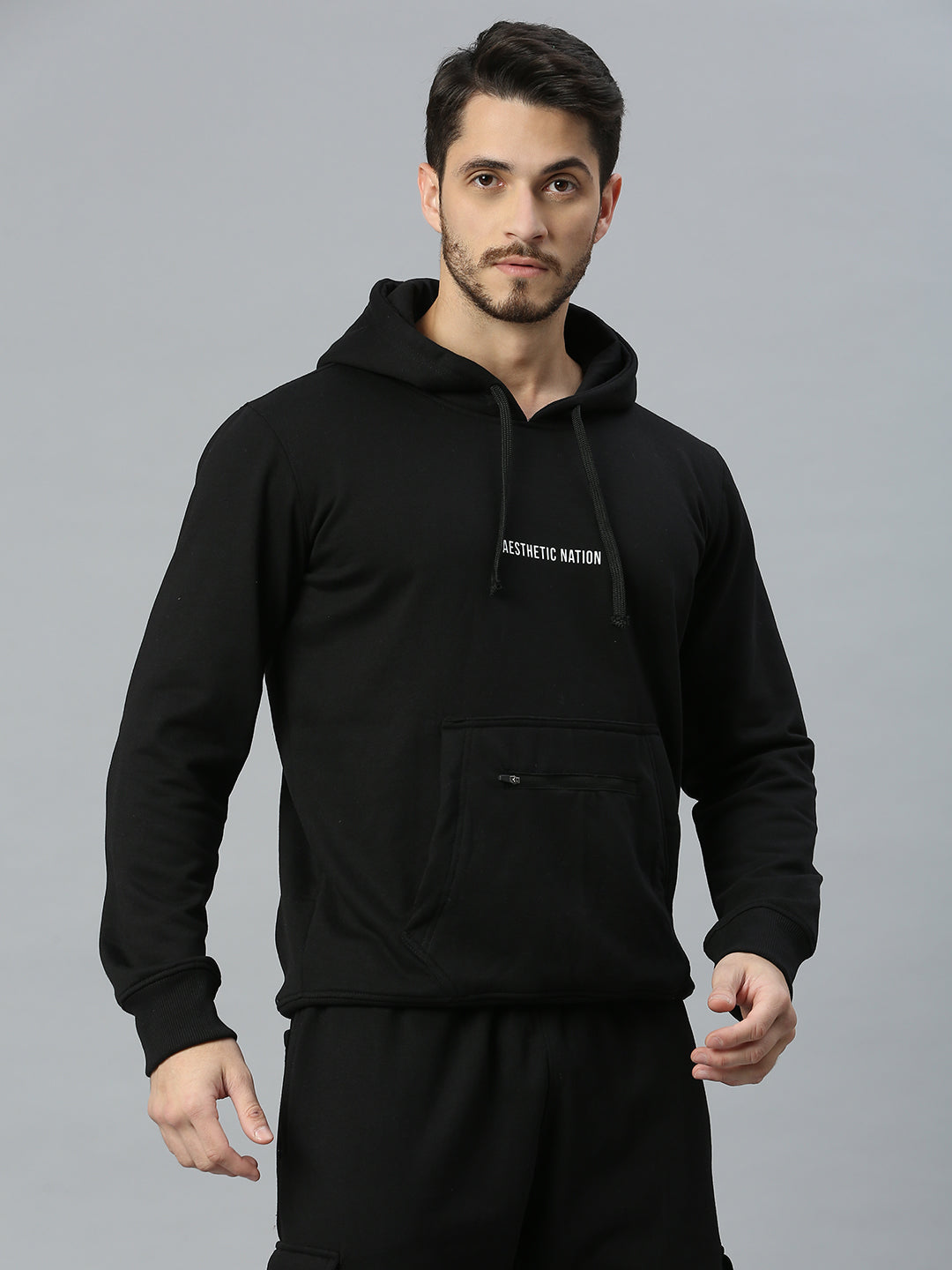
3. Fleece Or Insulated Hoodies
A lightweight fleece hoodie adds warmth without making you sweat too much. If you train in very cold gyms or outside, consider a hoodie with insulated panels.
Advantages:
- Soft against the skin
- Traps heat but breathes
- Usually includes pockets for keys or phone
Mistake to avoid: Don’t pick heavy cotton hoodies. They soak up sweat and get heavy fast.
4. Zip-up Training Jackets
Zip-up jackets are perfect for layering. You can start your warmup zipped, then open up as you heat up.
Best features:
- Full-length zipper for easy on/off
- Breathable side panels
- Thumb holes to keep sleeves in place
Data point: Jackets with mesh zones under the arms can reduce sweating by 15-20% compared to solid fabric.
5. Windproof Running Jackets
If you train outdoors, a windproof jacket is essential. It blocks cold air and helps your body stay at the right temperature.
Look for:
- Water-resistant coating (for light rain or snow)
- Adjustable hood
- Reflective strips for safety in low light
Non-obvious tip: Some jackets have “drop tails”—longer backs—to keep your lower back warm when stretching.
6. Thermal Compression Pants Or Leggings
Shorts are not enough in winter. Thermal leggings keep your legs warm, support your muscles, and wick sweat.
Why they matter:
- Reduce risk of muscle strains
- Improve blood flow
- Can be worn under shorts for style or extra warmth
Buying advice: Check the seams—flat seams are less likely to rub during squats or lunges.
7. Fleece Joggers Or Sweatpants
For men who prefer a looser fit on the legs, fleece joggers are the answer. Look for ones with tapered ankles to trap heat.
Features:
- Elastic waistband with drawstring
- Deep pockets
- Breathable panels behind the knees
Insight: Some joggers have zippered ankles, making them easier to remove over shoes.
8. Moisture-wicking Socks
Cold feet ruin workouts. Standard cotton socks get wet quickly, while synthetic or wool socks keep your feet dry and warm.
Good choices:
- Merino wool blends (soft, warm, odor-resistant)
- Thick synthetic athletic socks
Practical example: Smartwool and Darn Tough are known for performance winter socks.
9. Insulated Training Gloves
Hands lose heat fast, especially when holding cold weights or running outdoors.
What to look for:
- Touchscreen fingers (for using your phone)
- Grippy palms for weights or machines
- Moisture-wicking lining
Non-obvious insight: Some gloves have removable liners, useful if your gym is not very cold.
10. Thermal Beanies Or Headbands
You lose a lot of body heat through your head. A thin, thermal beanie or headband keeps you warm without making you sweat.
Features:
- Lightweight, moisture-wicking fabric
- Fits under hoods or helmets
- Reflective logo for outdoor use
Tip: Headbands are great if you overheat easily but want to cover your ears.
11. Neck Gaiters Or Buffs
A neck gaiter (sometimes called a buff) is a simple tube of fabric. It protects your neck from cold air and can be pulled up over your mouth if needed.
Benefits:
- Easy to adjust or remove
- Can double as a headband or sweatband
Beginner mistake: Avoid thick wool gaiters; they can get itchy when you sweat.
12. Lightweight Training Shorts (over Leggings)
Some men feel uncomfortable in just leggings. Wearing loose shorts over leggings is a common, practical solution.
What matters:
- Lightweight, quick-dry fabric
- Side splits for movement
- Zippered pocket for keys
Insight: This combo lets you adjust your warmth—remove the shorts if you get hot.
13. Breathable Underwear
Sweaty underwear can cause chafing and discomfort. Choose pairs made for athletic use.
Best options:
- Synthetic blends or merino wool
- Flat seams, no tags
- Supportive but not tight
Common mistake: Many men forget to upgrade their underwear. It’s a small change that makes a big difference.
14. Training Shoes With Grip
Winter often means wet floors and icy paths. Your gym shoes should have enough grip to prevent slips, plus enough insulation for cold days.
Features:
- Rubber soles with deep treads
- Water-resistant upper if you train outdoors
- Removable insole for drying
Practical tip: Rotate two pairs if you train daily, so your shoes dry fully between uses.
15. Waterproof Gym Bag
Wet, cold weather can ruin your gear. A waterproof bag keeps your clothes and electronics safe.
Look for:
- Sealed zippers
- Separate compartment for shoes
- Adjustable straps for comfort
Non-obvious feature: Some bags include a ventilated pocket for wet clothes—helpful if you sweat a lot or hit the showers.
Comparison: Best Fabrics For Winter Gym Clothes
Choosing the right fabric is key for comfort and performance. Here’s a quick comparison:
| Fabric | Warmth | Moisture Wicking | Odor Control | Drying Speed |
|---|---|---|---|---|
| Merino Wool | High | Good | Excellent | Medium |
| Polyester | Medium | Excellent | Fair | Fast |
| Cotton | Low | Poor | Fair | Slow |
| Synthetic Blends | Medium | Very Good | Good | Fast |
Key takeaway: Merino wool is warm and odor-resistant, but takes longer to dry. Polyester dries fast and wicks sweat well, but may hold odor. Cotton should be avoided for base layers in winter.
How To Layer For Gym And Outdoor Training
Layering is not just for hiking. For gym workouts, smart layering means you stay comfortable from warm-up to cool-down. Here’s how to build your outfit:
- Start with a thermal base layer (compression top and leggings).
- Add a mid layer like a fleece hoodie or joggers.
- Finish with a lightweight outer layer if you run or cycle outside.
- Use accessories (hat, gloves, neck gaiter) as needed.
- Remove layers as you heat up—don’t wait until you’re sweating heavily.
Example Layering For A Cold Day:
- Merino wool base layer
- Lightweight fleece pullover
- Windproof running jacket
- Fleece joggers
- Merino wool socks
- Training shoes with grip
- Thin beanie, gloves, and neck gaiter
This setup lets you adjust as you move from outdoors to the gym floor. You won’t overheat, and sweat will not stay trapped.
Common Mistakes When Choosing Winter Gym Clothes
Many men make simple mistakes that ruin their winter training experience. Here are the most common errors and how to avoid them:
- Wearing cotton layers: Cotton traps moisture, making you colder.
- Choosing too many thick layers: This restricts movement and causes overheating.
- Ignoring accessories: Cold hands, feet, or head can ruin a workout.
- Forgetting about breathability: If sweat can’t escape, you’ll feel wet and cold.
- Buying the wrong fit: Clothes that are too loose or too tight will distract you and may cause chafing.
- Skipping reflective details: If you train outdoors, reflective strips are important for safety.
- Using regular socks or underwear: Athletic versions are designed for movement and warmth.
Pro insight: Always test your gym outfit by moving, stretching, and doing a few warm-up exercises at home. This helps you spot problems before you’re in the gym.
Credit: www.allabona.it
Extra Tips For Winter Gym Comfort
- Warm up longer: Cold muscles need more time. Add five minutes to your warmup.
- Stay hydrated: You may sweat less, but dry winter air dehydrates you fast.
- Change clothes quickly after training: Don’t stay in damp gear; bring a change if possible.
- Wash clothes often: Sweat builds up faster in winter layers.
- Use skin balm or lotion: Cold air dries out your skin. Moisturize areas that rub against your gym clothes.
Accessories That Make A Difference
Small items can have a big impact on your comfort and performance.
Training Masks
Some men use training masks to warm the air they breathe in, especially if running outdoors. These are optional, but can help if cold air hurts your lungs.
Hand Warmers
Reusable hand warmers are useful if you have to wait outside before or after your workout.
Shoe Dryers
A simple shoe dryer keeps your training shoes fresh and dry, which prevents odor and discomfort.

Credit: everestkitchennc.com
How To Care For Winter Gym Clothes
Proper care extends the life of your gym wear and keeps it performing well.
- Wash in cold water: Hot water can damage technical fabrics.
- Avoid fabric softeners: These clog the fibers and reduce moisture wicking.
- Air dry when possible: High heat from dryers can shrink or warp clothes.
- Store in a dry place: Damp clothes can develop odor or mildew.
Some brands offer special detergents for athletic wear. These may help with odor and keep fabrics working well.
Comparing Popular Gym Clothing Brands
Here’s a look at how some top brands stack up for winter gym wear:
| Brand | Best For | Price Range | Key Feature |
|---|---|---|---|
| Nike | Compression gear, jackets | Mid-High | Pro and Tech fabrics |
| Under Armour | Base and mid layers | Mid | ColdGear technology |
| Adidas | Fleece joggers, outerwear | Mid | Climalite material |
| Lululemon | Premium leggings, tops | High | Silverescent anti-odor |
| Decathlon | Affordable basics | Low | Great value |
Advice: Don’t get stuck on brands. Try different items for fit and comfort. Some lesser-known brands offer great value.

Credit: www.tjbystre.cz
Frequently Asked Questions
What Is The Best Material For Winter Gym Clothes?
For winter gym wear, merino wool and synthetic blends like polyester are top choices. They wick moisture, keep you warm, and dry quickly. Cotton should be avoided as a base layer because it holds sweat.
How Many Layers Should I Wear When Working Out In Winter?
It depends on your workout and how cold it is. Most men need at least two to three layers: a base layer, mid layer, and sometimes an outer layer if training outdoors. You can remove layers as you get warmer.
Can I Wear Shorts To The Gym In Winter?
You can, but it’s better to wear thermal leggings underneath. This keeps your muscles warm, reducing the risk of strains or injury. Some men wear shorts over leggings for comfort and style.
Do I Need Special Shoes For Winter Gym Workouts?
If you only train indoors, regular training shoes are fine. For outdoor workouts, look for shoes with good grip and water-resistant features. This prevents slipping and keeps your feet warmer and drier.
How Should I Wash My Winter Gym Clothes?
Wash winter gym clothes in cold water with a mild detergent. Avoid fabric softeners, as they can reduce the effectiveness of moisture-wicking fabrics. Air drying is best to prevent damage and shrinkage.
Wearing the right gym clothes in winter is about staying comfortable, safe, and motivated. With smart choices, you can enjoy your workouts all season long. If you want more details about performance fabrics and layering science, check out Wikipedia’s guide on activewear.
With the right gear, you’ll find winter training isn’t just possible—it can be enjoyable. Stay warm, stay active, and let nothing hold you back.
