

Best Corporate Attire for Ladies: Style Tips for Professional Women
Best Corporate Attire For Ladies
The right corporate attire can completely change how a woman is seen at work. It can create a sense of confidence, professionalism, and respect. The idea of “dressing for success” is not just a saying—it’s a strategy. In today’s business world, looking polished is a must, but it should never come at the cost of comfort or personal style.
The challenge for many women is to balance these elements and still meet the expectations of their workplace.
Corporate dress codes have become more flexible, but first impressions still matter. Whether you are interviewing, leading a meeting, or simply going about your daily tasks, your choice of clothes can influence how colleagues and clients respond to you. This article explores the best corporate attire for ladies, focusing on practicality, style, and the small details that often get overlooked.
You’ll find insights on how to build a versatile wardrobe, avoid common mistakes, and express your personality—while always looking professional.
Understanding Corporate Dress Codes
Corporate attire is not the same everywhere. Offices can have very different expectations, from strict business formal to business casual or smart casual. Understanding the code is the first step to dressing right.
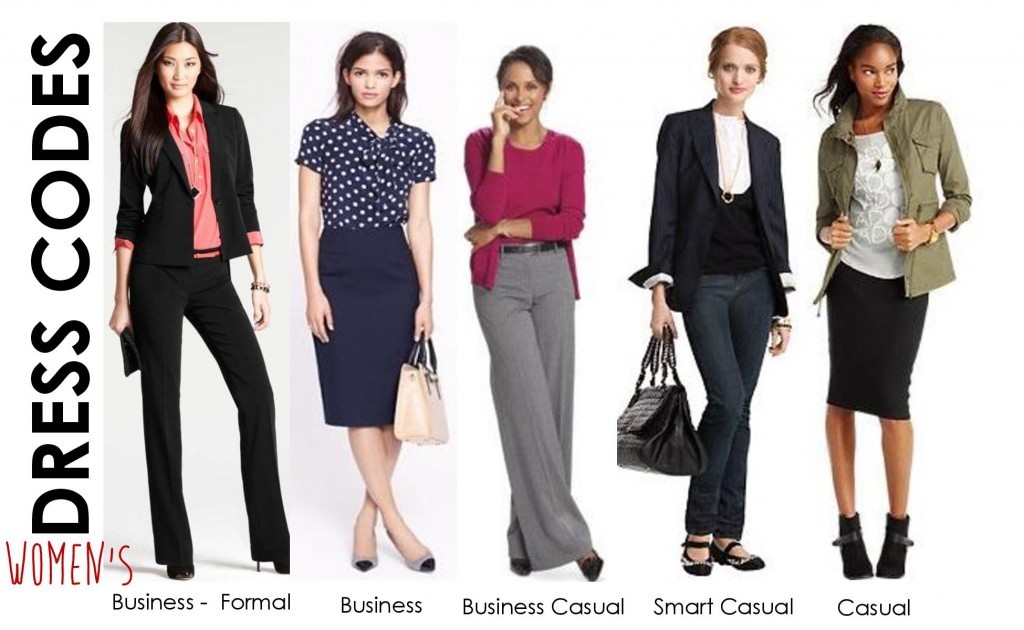
Common Dress Codes Explained
- Business Formal: The most traditional style. It requires tailored suits, closed-toe shoes, and neutral colors. This is standard in law firms, banks, and executive meetings.
- Business Professional: Slightly less strict, but still very polished. You can add subtle colors and accessories, but the look is still neat and conservative.
- Business Casual: More relaxed, but still professional. Dresses, cardigans, and elegant blouses are common. Jeans are usually not allowed, but colored pants or skirts might be.
- Smart Casual: A step closer to casual wear but with a sharp, put-together look. Stylish tops, dark jeans, and trendy shoes can fit here. It’s common in tech companies or creative agencies.
Why Dress Code Matters
Dressing according to your workplace code shows respect. It can also help you feel comfortable and blend in. If you’re unsure, observe what managers and leaders wear. When in doubt, it’s better to be slightly overdressed than underdressed.
Non-obvious insight: Many women ignore “unwritten” dress codes—how people really dress, not just what the handbook says. Always pay attention to these cues.
Essential Pieces For A Corporate Wardrobe
Building a corporate wardrobe is not just about buying suits. It’s about collecting versatile, quality pieces you can mix and match.
The Power Suit
A well-fitted suit is the backbone of corporate attire. Look for a blazer and trousers (or a skirt) in a neutral shade like black, navy, or gray. The fit is more important than the brand. Make sure the blazer sits well on your shoulders and the pants or skirt are the right length.
Tip: Tailoring can make even a basic suit look expensive.
The Classic Blouse
Blouses are the easiest way to add variety to your look. Choose simple, elegant blouses in cotton, silk, or blends. White, cream, pale blue, and soft pink are timeless choices. Avoid too many frills or flashy prints.
Pencil Skirt
A knee-length pencil skirt in a neutral color works with almost any top or jacket. It’s flattering for most body types and always looks professional. Ensure the skirt is not too tight or too short.
Work Dresses
A structured dress (like a sheath or wrap dress) is a great option. It’s one piece, so it’s easy to style, and you can wear it alone or with a blazer. Solid colors and minimal patterns are best for a formal look.
Dress Pants
Invest in two or three pairs of dress pants in navy, black, or gray. Slim or straight-leg shapes look best in most offices. Make sure the pants are ironed and not dragging on the floor.
Cardigans And Sweaters
Layering is important for changing temperatures. Lightweight cardigans and sweaters add warmth and style. Stick to fine knits and neutral colors for a professional look.
Shoes
The best corporate shoes are closed-toe pumps or flats in black, navy, nude, or gray. Heels should not be too high—2 to 3 inches is ideal. Avoid very shiny finishes, platform soles, or overly casual sandals.
Accessories
Keep accessories simple. A leather bag, a watch, and small earrings are enough. Too many bold pieces can look unprofessional.
Choosing The Right Fabrics
Fabric makes a big difference in how comfortable and polished your clothes look.
- Wool and wool blends: Classic for suits, wrinkle-resistant, and durable.
- Cotton: Soft, breathable, and easy to care for. Great for blouses and shirts.
- Polyester blends: Less wrinkling and more affordable, but can feel less natural.
- Silk: Luxurious and comfortable, but can be hard to maintain.
Practical tip: Avoid fabrics that cling or are see-through. Always check how a fabric looks under office lighting.
Colors And Patterns: What Works Best
Sticking to the right colors and patterns makes it easier to build a professional wardrobe.
- Best colors: Black, navy, gray, beige, and white are always safe. You can add touches of color with a scarf or blouse.
- Subtle patterns: Thin stripes, soft checks, and small dots work well. Loud prints, bold florals, or neon colors can be distracting.
Non-obvious insight: A small pop of color—like a cobalt blue blouse under a navy suit—can make you memorable without breaking dress code.
How To Mix And Match Your Outfits
You don’t need a lot of clothes to create many different looks. The key is to mix and match.
| Blazer | Top | Bottom | Shoes | Look |
|---|---|---|---|---|
| Navy | White blouse | Gray skirt | Black pumps | Formal meeting |
| Black | Light blue shirt | Black pants | Nude flats | Daily office |
| Gray | Soft pink top | Navy pants | Gray heels | Presentation |
This table shows how just a few pieces can create several professional combinations. When shopping, think about how new items will work with what you already own.
Suiting Up: Blazers, Skirts, And Trousers
Blazers
A tailored blazer can instantly elevate any outfit. It is worth having at least two—one in a classic color and one in a softer tone. Look for quality lining and sturdy buttons.
Skirts
The pencil skirt is the most classic, but A-line skirts can also work, especially if you prefer more movement. Make sure skirts are not too short when sitting down.
Trousers
Straight or slightly tapered trousers look good on almost everyone. High-waisted trousers can add length to your legs, while mid-rise styles are more comfortable for long days.
Dresses That Work For The Office
Not all dresses are office-appropriate. Here’s what to look for:
- Sheath dress: Fitted but not tight, usually knee-length. Works alone or with a blazer.
- Wrap dress: Flattering for many shapes. Choose one with a modest neckline.
- Shift dress: Looser fit, usually in thicker fabric. Good for layering.
What To Avoid
- Spaghetti straps or strapless styles
- Very short hemlines
- Loud prints or shiny fabrics
A simple dress in a quality material can look more polished than a complicated outfit.
Choosing The Best Shoes For Corporate Wear
Shoes are more than just an accessory—they affect comfort and confidence.
Types Of Shoes
| Shoe Type | Best For | Style Tips |
|---|---|---|
| Classic Pumps | Formal meetings, presentations | 2-3 inch heel, closed toe, black or nude |
| Loafers | Business casual, daily wear | Leather finish, simple design |
| Ballet Flats | Comfort, long days | Supportive insole, subtle colors |
| Boots (ankle) | Winter, smart casual | Low heel, pointed or round toe |
Practical advice: Always keep shoes clean and polished. Scuffed or worn-out shoes can ruin an otherwise perfect look.
Bags And Accessories: Finishing Touches
A corporate look is not complete without the right accessories. But less is more.
Bags
Choose a structured leather or faux leather bag that fits documents and a laptop. Neutral colors work best. Avoid very large or slouchy bags.
Jewelry
Simple stud earrings, a small pendant, and a classic watch are enough. Avoid large hoops, chunky necklaces, or flashy rings.
Scarves And Belts
A silk scarf or a slim leather belt can add style. Stick to simple prints and solid colors.
Non-obvious insight: Over-accessorizing can make you look less serious. Choose one statement piece only if the rest is simple.
Personal Grooming And Hygiene
Clothing is only part of the impression. Grooming matters just as much.
- Hair: Should look neat. If you have long hair, consider a ponytail, bun, or simple style.
- Nails: Keep them clean and short. Neutral nail polish is best.
- Makeup: If you wear makeup, keep it natural. Avoid heavy eyeliner or bright lipstick.
- Fragrance: Use a light, clean scent. Strong perfumes can be distracting.
Practical tip: Carry a small emergency kit with a comb, deodorant, and stain remover wipes in your work bag.

Credit: www.vogue.com
Seasonal Adjustments
What you wear in summer will not always work for winter. Adjusting your wardrobe for each season keeps you comfortable and professional.
Warm Weather
- Lightweight fabrics: Cotton, linen, and rayon are best.
- Short sleeves: Acceptable if they are not too casual.
- Lighter colors: Help keep you cool.
Cold Weather
- Layering: Wool sweaters, blazers, and lined trousers.
- Tights or leggings: Under skirts and dresses.
- Closed-toe shoes: Boots or heavier flats.
Non-obvious insight: Always check the dress code before wearing open-toed shoes, even in summer. Many offices do not allow them.
Cultural Sensitivity In Corporate Attire
Offices are more diverse than ever. It’s important to respect different backgrounds and customs.
- Modest dress: Some women may choose long sleeves, higher necklines, or headscarves. These can still look very professional.
- Traditional clothing: In global offices, some traditional dresses are accepted if styled formally.
Practical tip: If you’re not sure, ask your HR department for guidance.
Budget-friendly Tips For Building A Corporate Wardrobe
Looking professional does not mean spending a fortune. Here’s how to look polished on a budget.
- Buy basics first: Invest in two good suits, three blouses, two pairs of pants, one skirt, and one pair of shoes.
- Choose versatile colors: You’ll get more outfits from navy, black, and gray.
- Shop sales and outlets: High-quality items are often discounted.
- Tailor cheaper clothes: A $30 pair of pants can look like $100 after tailoring.
- Care for your clothes: Proper washing and storing make them last longer.
Non-obvious insight: Accessories from budget stores can look high-end if chosen carefully.
Common Mistakes To Avoid
Even well-intentioned professionals make mistakes with corporate attire. Here’s what to watch out for.
- Wearing casual clothes: Avoid jeans, t-shirts, and sneakers unless your office allows them.
- Ignoring fit: Clothes that are too tight or too loose look unprofessional.
- Too many accessories: Less is more.
- Wrinkled clothes: Always iron or steam before wearing.
- Ignoring shoes: Worn-out or dirty shoes ruin your look.
Pro tip: Ask a trusted friend or colleague for feedback on your outfits.

Credit: www.c-and-a.com
How To Express Personality Within Corporate Limits
You can still show your personal style in a conservative office. Here’s how:
- Add color: Try a colored blouse, scarf, or bag.
- Choose unique jewelry: A small, tasteful piece can be a conversation starter.
- Patterned shoes: Subtle patterns or textures add interest without breaking rules.
Non-obvious insight: Personal touches work best when only one item stands out. If you wear a bold necklace, keep the rest simple.
Adapting Attire For Remote And Hybrid Work
Remote work has changed dress standards. But dressing well—even at home—can boost your mood and productivity.
- Video calls: Wear a neat blouse or sweater on top. Avoid pajamas or gym clothes.
- Comfortable bottoms: Dark leggings or pants that look like trousers work well.
- Light makeup and accessories: Still help you look sharp on camera.
Practical tip: Keep a blazer nearby for surprise video meetings.
How Corporate Attire Impacts Career Growth
There is a strong link between appearance and professional success. Well-dressed women are often seen as more competent, reliable, and ready for higher positions.
A study from the Center for Talent Innovation found that 73% of senior managers believe appearance affects your chances of promotion. This doesn’t mean you have to dress expensively—just thoughtfully.
Non-obvious insight: Your style can even help you stand out for the right reasons. A signature color or accessory can make you more memorable in a big company.
Comparing Corporate Attire: Business Formal Vs Business Casual
To help you understand the differences, here’s a comparison of two main dress codes:
| Item | Business Formal | Business Casual |
|---|---|---|
| Suit | Required, matching blazer and skirt/pants | Optional, separates allowed |
| Top | Button-down or formal blouse | Blouse, knit top, or sweater |
| Pants/Skirt | Classic, tailored, neutral colors | Broader color range, different cuts |
| Shoes | Closed-toe pumps or heels | Flats, loafers, dressy sandals |
| Accessories | Minimal, classic | Slightly more relaxed |
How To Shop For Corporate Attire
Shopping for work clothes can be overwhelming. Here are steps to make it easier:
- Know your size: Get measured for suits, blazers, and pants.
- Set a budget: Decide how much you can spend before you start.
- Start with basics: Buy essentials first, then add unique pieces.
- Try on different brands: Sizing can change across brands.
- Look for quality: Check fabric, stitching, and lining.
Pro tip: Take photos of yourself in the dressing room. Sometimes clothes look different in the mirror than in photos.
Sustainable And Ethical Corporate Fashion
More women are considering the impact of their shopping choices. Sustainable fashion means buying less, choosing well, and caring for what you own.
- Buy secondhand: High-quality suits and dresses can be found in thrift stores.
- Choose eco-friendly brands: Look for companies that use organic cotton or recycled materials.
- Care for clothes: Air-dry, use gentle detergents, and repair instead of replace.
If you want to learn more about sustainable fashion, the Fashion Revolution movement offers practical resources.
Credit: gardner-webb.edu
Frequently Asked Questions
What Is The Best Color For Women’s Suits In A Corporate Setting?
The best colors are black, navy, and gray. These shades are timeless, look professional, and are easy to mix with other items. For a little variety, you can try deep burgundy, dark green, or beige, but always keep the look polished.
Can I Wear Flats Instead Of Heels In The Office?
Yes, flats are acceptable in most offices, as long as they are closed-toe and look professional. Choose leather or quality materials. Avoid flip-flops, sneakers, or casual sandals.
How Can I Look Stylish But Still Follow A Strict Dress Code?
Add small touches of personality like a colorful scarf, a unique brooch, or a patterned bag. Focus on fit and fabric. Well-fitted clothes always look stylish, even if they are simple.
Are Dresses Suitable For All Corporate Environments?
Most workplaces allow knee-length, structured dresses in solid colors or subtle patterns. Avoid dresses with very low necklines, high slits, or thin straps. If in doubt, add a blazer for a more formal look.
How Often Should I Update My Corporate Wardrobe?
Review your wardrobe every six months. Replace items that are worn, faded, or outdated. Add new pieces as your role or office dress code changes. Focus on quality over quantity.
Looking professional is not about following every rule perfectly—it’s about understanding your company culture, choosing clothes that make you feel confident, and paying attention to details. With the right pieces and a few smart tips, every woman can create a corporate wardrobe that opens doors and shows her best self to the world.
