

Best Business Casual Women Outfits: Stylish Looks for Success
Best Business Casual Women Outfits
Finding the right business casual outfit for women can feel confusing. There are many choices, and it’s not always clear what works for the workplace. This guide will help you understand what business casual means, what items to choose, and how to style them.
You’ll discover outfit ideas, learn practical tips, and see real-life examples. Whether you’re new to office dressing or looking to refresh your wardrobe, you’ll get clear advice that works for your daily life.
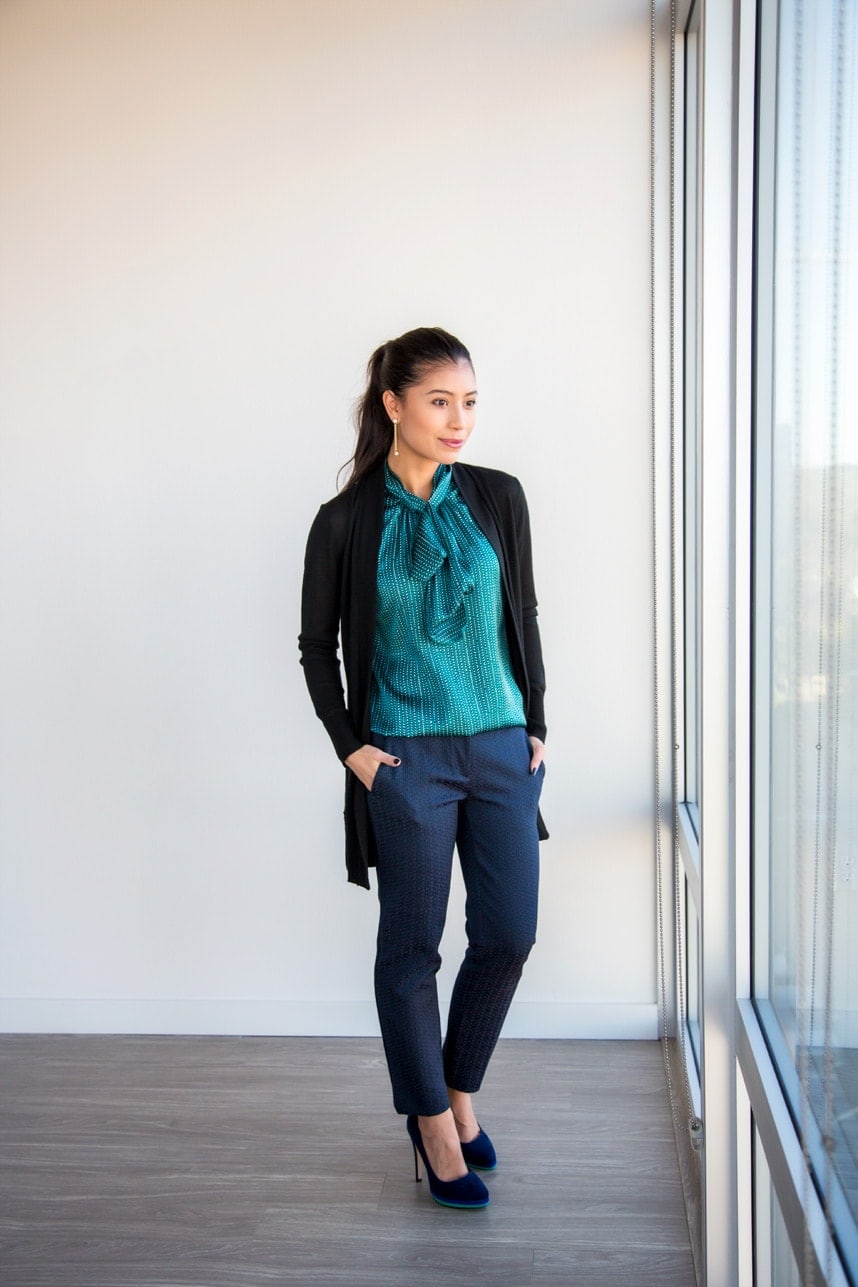
Business casual is a balance between professional and comfortable. You don’t need a full suit, but you also shouldn’t wear jeans or sneakers. The goal is to look polished without being too formal. It’s a popular dress code in many offices because it offers flexibility.
But this flexibility can create confusion. What’s “too casual”? What’s “too formal”? This article will answer these questions and give you solutions you can use right away.
Understanding Business Casual For Women
Business casual is a step down from traditional business wear. Instead of strict suits, you can wear items like blouses, slacks, and loafers. But you still need to look neat and professional. The key is to mix comfort with style and show you care about your appearance.
Common Business Casual Elements
- Tailored pants (not tight, not baggy)
- Blouses or tops (not revealing)
- Knee-length skirts or dresses
- Closed-toe shoes
- Cardigans or blazers
You should avoid clothing that is too casual, like graphic tees, shorts, flip-flops, or ripped jeans. Even if your office feels relaxed, these items are not business casual.
Why Business Casual Matters
Your outfit affects how people see you at work. Studies show people judge professionalism by appearance. According to a survey from LinkedIn, 65% of professionals say dressing well helps them feel more confident at work. This confidence can impact your performance and how others respond to you.
Office Culture And Business Casual
Different workplaces interpret business casual differently. In creative fields, you may wear brighter colors or patterns. In finance or law, you’ll probably stick to neutrals and classic styles. Always observe your office and match your outfits to the company’s standards.
Essential Pieces For Business Casual Outfits
Building a business casual wardrobe starts with the right basics. These items are versatile, easy to mix, and help you create many looks.
Tailored Pants
Tailored pants are the backbone of business casual. Choose neutral colors like black, navy, or gray. Look for a comfortable fit—pants should not be too tight or loose. Avoid leggings or sweatpants.
Blouses And Tops
Blouses are a simple way to add style. Pick soft fabrics like cotton or silk. Patterns are okay, but avoid anything too loud. Shirts should cover your shoulders and not show too much skin.
Skirts And Dresses
A knee-length skirt or dress is always safe. Pencil skirts and A-line skirts are popular choices. Dresses should have a modest neckline and not be too short. You can layer with a cardigan or blazer for a polished look.
Cardigans And Blazers
Cardigans add warmth and style. Blazers are more formal but still fit business casual. Choose classic colors and avoid flashy buttons or details.
Shoes
Closed-toe shoes are best. Loafers, ballet flats, and low heels are perfect. Avoid sandals or sneakers.
Accessories
Keep accessories simple. Small earrings, a watch, and a neat handbag work well. Avoid large, distracting jewelry.

Credit: hatonthemap.com
Best Business Casual Women Outfit Ideas
Here are some outfit combinations that work for most offices. These ideas show how to mix different pieces and create looks you can wear every day.
1. Classic Blouse And Tailored Pants
Pair a white blouse with gray tailored pants. Add black loafers and a simple handbag. This outfit is timeless and fits almost any office.
2. Knee-length Dress With Cardigan
Wear a navy knee-length dress with a light gray cardigan. Add nude flats and a small necklace. This is comfortable for all-day wear and looks professional.
3. Pencil Skirt And Button-down Shirt
A black pencil skirt with a pale blue button-down shirt is smart and clean. Add a slim belt and low heels. This is a great choice for meetings.
4. Patterned Top And Neutral Pants
Try a subtle patterned blouse with beige pants. Add brown loafers and a watch. Patterns can make your outfit more interesting without being too bold.
5. Sweater And Slim-fit Trousers
A cream sweater with navy slim-fit trousers is cozy and stylish. Choose black ballet flats. This works well in cooler weather.
6. A-line Skirt And Blazer
Wear a dark green A-line skirt with a white top and black blazer. Add matching flats. This is a good choice for presentations or client visits.
7. Monochrome Look
Choose all pieces in one color, like different shades of gray. A gray blouse, pants, and cardigan create a sleek, modern style.
8. Midi Dress With Belt
A simple midi dress in a solid color with a thin belt and flats is comfortable and professional. Add a small handbag for a finished look.
9. Structured Blazer With Jeans
Some offices allow dark, tailored jeans. Wear them with a white blouse and a structured black blazer. Add low heels. This is only for offices where jeans are acceptable.
10. Turtleneck And Wide-leg Pants
A black turtleneck and tan wide-leg pants are elegant and modern. Pair with loafers and simple earrings.
How To Mix And Match Business Casual Outfits
Making the most of your wardrobe means learning to mix and match. This saves money and keeps your style fresh.
Choose Neutral Basics
Start with neutral basics—black, navy, gray, beige. These colors go with almost anything. You can add color through accessories or tops.
Add One Statement Piece
If you want to stand out, add one statement piece. For example, a bright scarf, a patterned blouse, or a bold necklace. Don’t wear too many bold items at once.
Layering For Different Seasons
Layering helps you adjust to weather and office temperatures. Wear a cardigan or blazer over a blouse. In winter, add tights under skirts and dresses. In summer, choose light fabrics.
Practical Example
Imagine you have:
- Black tailored pants
- White blouse
- Navy blazer
- Gray cardigan
- Beige flats
You can create several outfits:
- White blouse + black pants + navy blazer
- White blouse + black pants + gray cardigan
- Navy blazer + white blouse + beige flats
This mix-and-match method gives you flexibility and keeps your look professional.

Credit: everydaysavvy.com
Common Mistakes In Business Casual Dressing
Many women make mistakes with business casual. Knowing these helps you avoid problems and look your best.
Wearing Clothes That Are Too Casual
Avoid jeans (unless your office allows them), sneakers, and graphic tees. These items are not professional.
Choosing Clothes That Are Too Tight Or Loose
Business casual is about balance. Clothes should fit well, not too tight or baggy. Ill-fitting clothes look sloppy.
Overdoing Accessories
Keep accessories simple. Large jewelry or flashy bags can distract from your look. Choose small earrings, a watch, and a neat handbag.
Ignoring Office Culture
Each office is different. Some allow jeans or bright colors. Others prefer classic styles. Always observe coworkers and follow company guidelines.
Neglecting Shoes
Shoes matter. Avoid open-toe sandals, flip-flops, or high heels that are hard to walk in. Choose closed-toe flats, loafers, or low heels.
Business Casual Outfit Comparison
To help you choose, here is a comparison of popular business casual outfits:
| Outfit | Comfort Level | Professionalism | Seasonal Suitability |
|---|---|---|---|
| Blouse & Tailored Pants | High | High | All Seasons |
| Knee-Length Dress & Cardigan | Medium | High | Spring/Fall |
| Pencil Skirt & Shirt | Medium | High | All Seasons |
| Sweater & Slim Trousers | High | Medium | Winter |
| A-Line Skirt & Blazer | Medium | High | All Seasons |
Choosing The Right Business Casual Outfit For Your Body Type
Finding an outfit that fits your body shape makes you feel confident and comfortable. Here are some tips for different body types:
Pear Shape
If you have wider hips, choose A-line skirts and structured blazers. This balances your figure. Avoid pants that are too tight.
Apple Shape
If your waist is less defined, pick dresses with belts and straight-leg pants. Avoid clingy fabrics around the stomach.
Hourglass Shape
If you have a balanced bust and hips, try fitted blouses and pencil skirts. Show your waist with a slim belt.
Rectangle Shape
If your body is straight, add shape with layering and belted dresses. Choose tops with ruffles or details.
Practical Example
Imagine you have a pear shape. You can wear a navy A-line skirt, white blouse, and a structured blazer. This outfit draws attention upward and balances your hips.
How To Shop For Business Casual Outfits
Shopping for business casual can feel overwhelming. Here’s how to make smart choices.
Set A Budget
Start with a clear budget. Good business casual pieces don’t have to be expensive. Look for quality over quantity.
Check Fabric Quality
Choose fabrics like cotton, wool, or polyester blends. These last longer and look polished. Avoid fabrics that wrinkle easily.
Try Before You Buy
Always try clothes on. Check the fit and comfort. Walk around in shoes to see if they are comfortable.
Buy Versatile Pieces
Pick items you can wear in different ways. For example, a navy blazer works with pants, skirts, and dresses.
Where To Shop
You can find business casual clothes at department stores, online shops, and specialty boutiques. Brands like Banana Republic, Ann Taylor, and H&M have good selections.
How To Care For Your Business Casual Clothes
Taking care of your clothes keeps them looking new. Here are practical tips:
Wash Gently
Use gentle wash cycles for blouses and knitwear. For blazers and trousers, dry clean when needed.
Store Properly
Hang blazers and pants on sturdy hangers. Fold sweaters and keep them in drawers.
Remove Wrinkles
Use a steamer or iron to remove wrinkles. Wrinkled clothes look unprofessional.
Repair Quickly
Fix small tears or missing buttons right away. This keeps your outfit neat.
Business Casual Dress Codes In Different Industries
Different industries have different business casual standards. Here’s how they compare:
| Industry | Common Business Casual Choices | Allowed Variations |
|---|---|---|
| Finance | Blouses, tailored pants, pencil skirts, blazers | Mostly neutral colors |
| Tech | Blouses, cardigans, slim trousers, flats | Jeans sometimes allowed |
| Creative | Patterned tops, A-line skirts, dresses | Bright colors, bold accessories |
| Education | Knee-length dresses, sweaters, flats | Comfort-focused, less strict |
| Healthcare Admin | Blouses, slacks, cardigans | No jeans, closed-toe shoes required |
How To Transition Business Casual Outfits From Day To Night
Sometimes you have after-work events or meetings. Here’s how to make your outfit work for both office and evening.
Add Statement Accessories
Change your earrings or necklace to something bolder after work. Switch your handbag for a clutch.
Change Shoes
Swap flats for low heels or stylish boots. This instantly updates your look.
Adjust Layers
Remove your blazer or cardigan and show a stylish top. Add a scarf or wrap for evening.
Practical Example
You wear a navy dress and gray cardigan to work. For evening, remove the cardigan, add a statement necklace, and change into black heels. Now you’re ready for dinner or an event.
How To Build A Capsule Business Casual Wardrobe
A capsule wardrobe is a small collection of versatile pieces. It helps you dress quickly and saves space.
Essential Pieces
- 2 tailored pants (black, navy)
- 2 skirts (pencil, A-line)
- 3 blouses (neutral, patterned)
- 2 dresses (knee-length, midi)
- 1 cardigan (neutral)
- 1 blazer (classic)
- 2 pairs of shoes (flats, loafers)
- Simple accessories
Benefits
You save money and time. You can make 10–15 outfits from these items. Capsule wardrobes also reduce decision stress.
Example Capsule Outfit Combinations
- Black pants + white blouse + navy blazer
- Pencil skirt + patterned blouse + flats
- Midi dress + cardigan + loafers
Real-life Business Casual Outfits: Examples
Here are examples from women who work in different industries:
- Finance Manager: Black tailored pants, pale blue blouse, black blazer, and low heels.
- Tech Developer: Slim-fit navy trousers, cream sweater, gray flats, and a patterned scarf.
- Marketing Specialist: A-line skirt, white top, denim blazer, and brown loafers.
- Teacher: Knee-length dress, beige cardigan, nude flats, and a simple necklace.
- Healthcare Administrator: Gray slacks, white blouse, navy cardigan, and black loafers.
These examples show the variety of business casual. Each woman adapts the style to her industry and role.
Business Casual Trends And Innovations
Business casual is not static. New trends appear as workplaces change.
Comfortable Fabrics
Many offices now accept stretchy fabrics and blends. These give you more comfort without losing style.
Sustainable Choices
Eco-friendly fabrics like organic cotton and recycled polyester are gaining popularity. More women choose sustainable brands for business casual.
Tech-friendly Accessories
Smart watches and stylish laptop bags are now common in business casual. These items combine function and fashion.
Inclusive Sizing
Brands now offer more sizes. This helps women of all shapes find the right fit.
Data On Business Casual Preferences
Recent surveys reveal that:
- 58% of women prefer pants over skirts for business casual.
- 42% choose flats over heels for daily wear.
- 76% say comfort is more important than style.
These numbers show most women want practical, comfortable outfits. But style still matters, especially for meetings and presentations.
Business Casual Outfit Tips For Beginners
If you’re new to business casual, follow these steps:
- Start with neutral basics—pants, skirts, blouses.
- Add one item with color or pattern.
- Use simple accessories.
- Check your company’s dress code.
- Try your outfit at home before wearing it to work.
Avoid buying too many items at once. Build your wardrobe slowly and focus on quality.
How To Handle Business Casual In Remote Work
Remote work has changed business casual. If you work from home but attend video meetings, focus on your top half.
- Wear a neat blouse or sweater.
- Avoid pajamas or tank tops.
- Add a simple necklace or earrings.
- Choose comfortable pants or skirts.
This helps you look professional on camera. You can still wear comfortable shoes and clothes for your lower half.
Frequently Asked Questions
What Is The Difference Between Business Casual And Smart Casual?
Business casual is more formal than smart casual. Business casual avoids jeans, sneakers, and t-shirts. Smart casual allows more flexibility, like dark jeans and stylish sneakers. For business casual, always aim for neat, tailored pieces.
Can I Wear Jeans For Business Casual?
Jeans are not usually business casual. However, some offices allow dark, tailored jeans. Always check your company’s policy. If allowed, pair jeans with a blazer and dress shoes.
What Colors Are Best For Business Casual?
The best colors are neutral tones—black, navy, gray, beige, and white. You can add soft colors like light blue or blush. Avoid very bright or neon colors for business casual.
How Do I Make Business Casual Outfits Look Stylish?
Add a statement accessory like a bold necklace or scarf. Mix textures and fabrics for interest. Try layering with cardigans or blazers. Choose shoes that match your outfit.
Where Can I Find More Ideas For Business Casual Outfits?
Many websites and magazines offer outfit inspiration. For reliable advice, visit Vogue's Business Casual Guide.
Choosing the best business casual women outfits is easier when you have the right information. Focus on comfort, fit, and your company’s culture. Mix and match pieces, avoid common mistakes, and don’t be afraid to add your personal style. Remember: business casual is about feeling confident and looking professional. Use this guide to build a wardrobe that works for you—every day, in any office.
Credit: b-movie.ch
