

Best Business Casual Shirts Men: Top Styles for Every Office
Best Business Casual Shirts Men
Looking sharp at work isn’t just about suits and ties. Today, business casual shirts are the real stars of office style. These shirts let you look professional but also feel comfortable. Whether your day includes meetings, working at a desk, or heading out for lunch, the right shirt gives you confidence and fits many situations. But with so many choices—fabrics, fits, patterns, brands—it’s easy to feel lost.
In this guide, you’ll learn how to pick shirts that look great, feel good, and work well in any business casual setting. You’ll discover the best options for different body types, climates, and budgets. Plus, you’ll see why some shirts work better than others—and which mistakes many men make when building their wardrobe.
What Does Business Casual Mean For Shirts?
Business casual is a dress code that blends formal and casual wear. In most workplaces, this means you skip the full suit and tie but still look neat and polished. For shirts, this usually means:
- Collared shirts (button-downs, polos, or some henleys)
- No loud prints or flashy logos
- Clean, pressed, and well-fitted
The goal is to look professional but not stiff. For men, the right business casual shirt sits at the center of this style. A business casual shirt should feel comfortable enough for daily wear but smart enough to impress clients or coworkers.
Even small touches like a well-pressed collar or subtle pattern can signal confidence and attention to detail.
In some offices, the lines between business casual and smart casual blur. For example, some tech companies allow untucked shirts and sneakers, while banks expect more structure. Always check your company’s dress code, but in most places, a quality button-down or polo is safe.
Remember, business casual is not about dressing down—it's about blending comfort with professionalism.
Key Features Of Great Business Casual Shirts
When you search for the best business casual shirts, watch for these details:
- Fabric: Cotton is classic, but blends with polyester or spandex add comfort. Linen breathes well in warm weather and can be a lifesaver in hot climates.
- Fit: Slim fit works for athletic builds; classic fit suits most body types. Avoid shirts that are too baggy or tight. A shirt should move with you without restricting your arms or chest.
- Color and Pattern: Stick to solids, small checks, stripes, or gentle patterns. White, light blue, gray, and pastels are safe choices. Subtle tones are easy to match and look good under jackets.
- Collar Type: Button-down and spread collars are most common. They look clean with or without a tie. Some shirts also have hidden buttons under the collar for a sharper look.
- Sleeve Length: Long sleeves are the standard, but rolled-up sleeves can be casual for less formal offices. If you roll your sleeves, do so neatly—wrinkled or sloppy folds can ruin your look.
- Details: Look for reinforced collars, quality buttons, and well-stitched seams. A shirt with a strong collar holds its shape after many washes.
Many people overlook the power of a well-fitted collar or quality fabric. These small features can make you stand out, even if your shirt looks simple. For example, a shirt with a slightly curved hem looks better untucked, while a straight hem is designed for tucking.
Paying attention to the stitching and button quality also shows you care about the details.
Top 10 Business Casual Shirts For Men
To make it easy, here are ten outstanding shirts that work in most business casual offices. Each offers something unique, from fit to fabric to price.
- Brooks Brothers Non-Iron Dress Shirt
- Famous for wrinkle resistance, this shirt stays crisp all day. The cotton fabric breathes well, and the fit options (slim, regular, relaxed) cover almost everyone. The classic stripes or solids fit any office. The non-iron finish means you can wear it straight out of the dryer, saving time each morning.
- Uniqlo Easy Care Oxford Shirt
- This affordable oxford shirt is soft and durable. The easy-care finish means less ironing. Subtle colors and a simple chest pocket add to its versatility. It’s a popular choice for younger professionals who want style without spending too much.
- Charles Tyrwhitt Poplin Shirt
- Known for high-quality cotton and a wide range of fits. Their poplin shirts feel smooth, look sharp, and come in many colors. They also offer adjustable cuffs—an often-missed detail for comfort. The poplin weave gives a light, airy feel, perfect for layering under jackets.
- Bonobos Jetsetter Stretch Shirt
- Blended with stretch material, this shirt moves with you. It’s perfect if you travel or have an active workday. Clean lines and modern patterns make it popular with younger professionals. The Jetsetter series also has anti-wrinkle features, ideal for packing.
- J.Crew Ludlow Shirt
- The Ludlow line focuses on a tailored look. The shirt’s slim fit, lightweight cotton, and understated checks or stripes work well in any business casual setting. The Ludlow shirts are easy to pair with blazers or sweaters and give a modern touch without being flashy.
- Ralph Lauren Oxford Shirt
- This classic shirt balances casual and professional. The oxford fabric is heavier, making it ideal for cooler offices. The fit is usually relaxed, and the subtle logo is not too flashy. The shirts are long-lasting and hold color well after many washes.
- Banana Republic Slim-Fit Tech-Stretch Shirt
- Featuring tech fabrics that wick moisture and resist wrinkles, this shirt is great for long days. It offers a modern look without being too tight. The stretch fabric gives freedom of movement for meetings or travel.
- Calvin Klein Infinite Non-Iron Shirt
- The Infinite series uses a special finish that fights wrinkles and stains. The shirt is comfortable, classic, and easy to maintain. It’s a good option for men who want a fuss-free shirt that still looks polished.
- Mizzen+Main Leeward Shirt
- This shirt feels more like activewear but looks sharp. It’s highly breathable, stretchy, and quick-drying—perfect for hot climates or busy commutes. Mizzen+Main shirts also resist odors, making them ideal for travel or long workdays.
- L.L.Bean Wrinkle-Free Chinos Shirt
- Made for comfort and durability, this shirt uses soft cotton and a special treatment to resist wrinkles. It’s a good choice for those who want a relaxed fit and simple style. The shirts are designed to last, even with regular washing.
These shirts have earned their reputation for durability, comfort, and style. But remember: the best shirt for you depends on your needs, body type, and office culture. If you’re unsure, start with one or two from different brands and see which fit and fabric feels best for you.
Comparing Popular Business Casual Shirt Brands
To help you decide, here’s a quick comparison of four leading brands on key factors:
| Brand | Fit Options | Fabric Quality | Price Range (USD) | Wrinkle Resistance |
|---|---|---|---|---|
| Brooks Brothers | Classic, Slim, Relaxed | Premium Cotton | $80–$160 | Excellent |
| Uniqlo | Regular, Slim | Good | $30–$50 | Good |
| Charles Tyrwhitt | Slim, Extra Slim, Classic | High | $50–$90 | Very Good |
| Bonobos | Tailored, Slim, Standard | High | $90–$130 | Good |
As you can see, price often reflects fabric quality and fit options, but even budget brands offer good choices for business casual style. Some brands, like Brooks Brothers, offer custom tailoring for a perfect fit, while others focus on easy returns and exchanges.
If you’re new to business casual, start with mid-range brands like Charles Tyrwhitt or Uniqlo—they balance quality and price well.
Choosing The Right Fit For Your Body Type
A well-fitting shirt makes you look slimmer and more put-together. Here’s how to pick the best fit for different body types:
- Slim/Athletic: Go for slim or tailored fits. These shirts taper at the waist and avoid extra fabric. This fit highlights your shape without being tight.
- Average: Classic or regular fits work best. They offer some room but don’t look baggy. If you have broad shoulders but a slim waist, consider a slightly tapered shirt.
- Broad/Stocky: Relaxed or custom fits help avoid tightness at the chest or shoulders. Look for shirts with extra room in the arms and chest.
Trying a shirt before buying is smart. If shopping online, check the brand’s sizing guide—sizes can vary a lot. It’s also wise to read reviews, as some brands run larger or smaller than standard sizing.
Key Fit Checkpoints
- Shoulders: Seams should sit at your shoulder edge. If seams droop, the shirt is too big; if they pull up, it’s too small.
- Sleeves: Cuffs stop at your wrist bone. If sleeves are too short, your arms look longer; too long, and you look careless.
- Chest: Enough room to move, but no pulling buttons. If the shirt gaps at the chest, try a larger size or relaxed fit.
- Length: Covers your belt but not past your hips. For untucked styles, the hem should fall just below your waist.
Many men miss the importance of shoulder fit. Even expensive shirts look sloppy if the shoulder seam is off. It's worth taking shirts to a tailor for small adjustments—this can turn a good shirt into a perfect one.
Essential Business Casual Shirt Fabrics
The fabric affects comfort, look, and care needs. Here’s a quick guide:
- Cotton: Soft, breathable, and classic. Easy to wear year-round. Pure cotton is smooth and easy to iron but can wrinkle.
- Cotton Blends: Mixes with polyester or spandex add stretch and wrinkle resistance. Blends are good for travel and active days.
- Linen: Best for hot weather. Light and airy, but wrinkles easily. Linen shirts need gentle ironing but feel amazing in summer.
- Oxford Cloth: Heavier, with a textured feel. Durable and slightly casual. Oxford shirts work well with jeans or chinos.
- Poplin: Smooth and lightweight, great for layering. Poplin is crisp and looks sharp under a blazer.
- Performance Fabrics: Synthetics that wick moisture and dry quickly. Ideal for men who commute or work long hours.
For business casual, pure polyester or shiny fabrics are usually too informal. Stick to natural fibers or blends for a professional look.
Fabric Comparison Snapshot
| Fabric Type | Best For | Wrinkle Resistance | Comfort |
|---|---|---|---|
| Cotton | All Seasons | Medium | High |
| Cotton Blend | Travel/Active Use | High | High |
| Linen | Hot Weather | Low | Very High |
| Oxford Cloth | Cooler Weather | Medium | Medium |
| Performance | Active Days | High | High |
Not all cotton shirts are equal. High-quality cotton (like Supima or Egyptian) feels softer and lasts longer. Performance fabrics are growing in popularity, especially for men who sweat easily or move a lot during the day.
Credit: www.pikeproperties.com
Color And Pattern: What Works Best
When choosing business casual shirts, color and pattern matter. Subtlety is key. Here’s what works:
- Solids: White, light blue, pale pink, gray, lavender. Solids are easy to match and create a clean look.
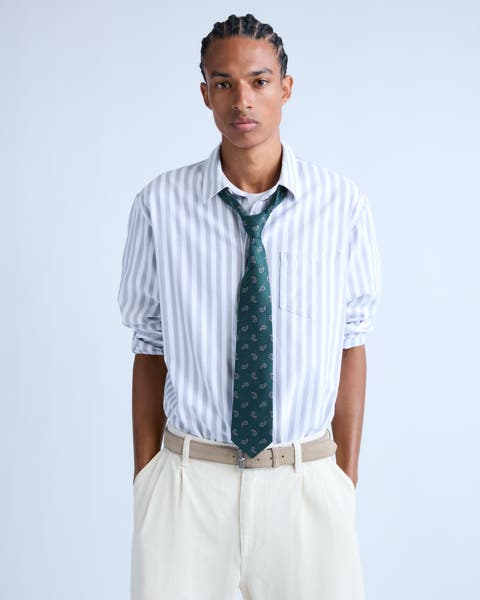
- Stripes: Thin vertical stripes add style without being loud. Stripes help elongate the body, making you look taller.
- Checks: Small checks or gingham patterns look modern. Checks add interest but stay subtle—avoid large checks for work.
- Microprints: Tiny prints (like dots) can add interest. Microprints are trendy but still professional.
Avoid big, bold prints or bright colors—they’re better for weekends. If in doubt, choose simple over flashy. Neutral shirts can be paired with almost any pants or blazer.
How To Mix Patterns
If you wear a patterned shirt, keep your pants simple (plain chinos or slacks). If you want to add a tie or sweater, make sure it’s not too busy. Many men try to mix bold patterns, but this often looks messy.
Stick to one main pattern—such as a checked shirt with solid pants—or balance a subtle pattern with a bold accessory. If you wear stripes, avoid striped pants or ties.
One non-obvious tip: microprints or tiny dot patterns add visual interest but are often missed by beginners. These shirts stand out in a good way without breaking the dress code.
Business Casual Shirt Care: Keep Them Looking New
A good shirt can last years—if you care for it well. Here’s how:
- Wash in Cold Water: Hot water can shrink cotton and fade colors. Cold water keeps fabric strong and prevents damage.
- Hang to Dry: Tumble drying wears out fabric. Hang shirts for fewer wrinkles and longer life.
- Iron or Steam: Even wrinkle-free shirts sometimes need a quick press. Steamers are fast and gentle for delicate fabrics.
- Store Properly: Use quality hangers to keep collars and shoulders in shape. Plastic hangers are better than wire.
A common mistake is over-washing. Unless it’s stained or sweaty, a shirt can be worn twice before washing. This keeps fabric strong and color bright. Another overlooked tip: always unbutton shirts before washing and hang them immediately after drying to avoid deep creases.
Credit: www.businessinsider.com
Business Casual Shirts For Different Climates
Climate affects what shirt is best for you:
- Hot, Humid Areas: Linen, lightweight cotton, or performance fabrics keep you cool. Look for moisture-wicking shirts if you sweat easily.
- Cold Offices or Winters: Oxford cloth and thicker cotton provide warmth. Layer with sweaters or vests for extra comfort.
- Rainy or Variable Weather: Blends with quick-dry features help. Shirts made with performance fabrics dry quickly and resist water stains.
Always check the fabric weight. Even within cotton, some weaves are much lighter or heavier. If you travel between climates, pack a mix of light and heavier shirts. Having at least one performance shirt is smart for unpredictable days.
How To Style Business Casual Shirts
Business casual shirts are flexible. Here’s how to style them for different situations:
With Chinos Or Dress Pants
Pair a light blue or white shirt with tan chinos for a classic look. If you want more polish, tuck in your shirt and add a leather belt. Gray or navy dress pants also match most shirts. For an extra touch, match your belt and shoes.
With Sweaters Or Blazers
Layering adds style and warmth. A v-neck sweater over a checked shirt looks sharp. In cool weather, try a navy blazer with an open-collar shirt. This creates a smart-casual look that fits most offices.
With Jeans
Dark, well-fitted jeans can work in some business casual offices. Make sure your shirt is crisp and avoid sneakers. If you wear jeans, choose a shirt with a more casual fabric, like oxford or a cotton blend.
Small details matter. For example, rolling your sleeves neatly, picking a subtle watch, or matching your socks to your pants can make your outfit look intentional.
Common Business Casual Shirt Mistakes To Avoid
Even with good shirts, some men make style errors. Here are the top mistakes:
- Wearing Oversized Shirts: Baggy shirts look untidy and can make you appear larger. Always check the fit in the mirror.
- Ignoring the Collar: A floppy collar makes you look sloppy. Look for reinforced or button-down collars.
- Untucked Shirts with Dress Pants: Most business casual shirts look better tucked in. Only leave untucked if the shirt is designed for it.
- Choosing Loud Patterns: They draw too much attention and often look unprofessional. Stick to subtle designs.
- Skipping Ironing: Even wrinkle-free shirts may need a quick iron, especially after washing.
If you want a smart look, pay attention to these details. Many men focus on suits or shoes but forget the basics of shirt care and fit. Another mistake: wearing shirts with visible wear, like faded collars or missing buttons. Replace shirts before they look tired.
How To Build A Business Casual Shirt Wardrobe
A smart wardrobe doesn’t require many shirts. Choose versatile options that mix and match well.
- Start with 5–7 shirts: Enough for a week’s rotation. This avoids wearing the same shirt too often.
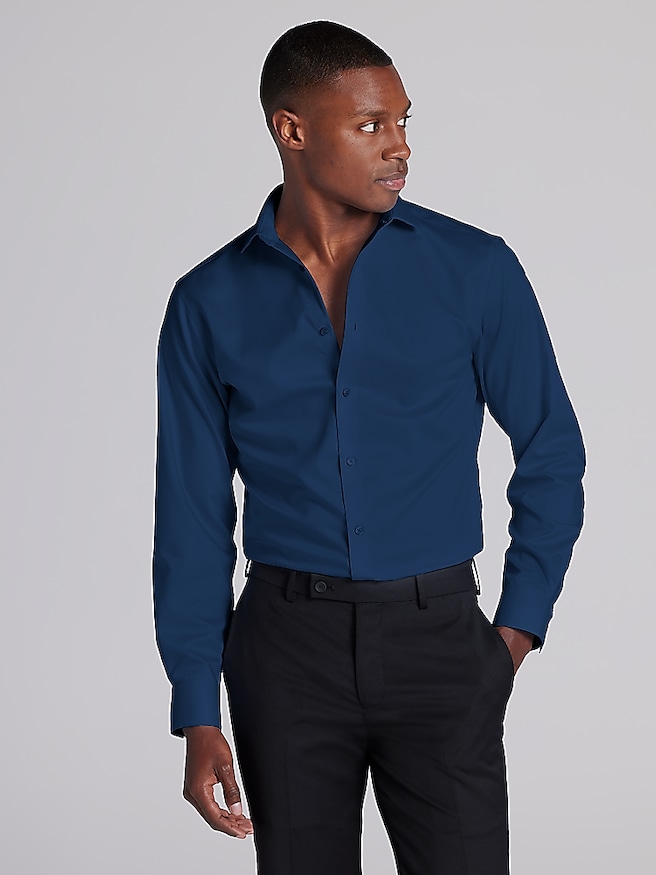
- Pick mostly solids: Easy to pair with pants and sweaters. Solids are timeless and work in any office.
- Add 1–2 patterned shirts: Checks or stripes give variety. Patterned shirts prevent your wardrobe from feeling dull.
- Choose different fabrics: Mix lightweight and heavier shirts for all seasons. Having both cotton and linen covers summer and winter.
If you travel for work, pick shirts that resist wrinkles and dry fast. Always keep at least one crisp white or light blue shirt for important meetings. Building a wardrobe slowly is wise—buy one or two shirts each season to keep styles fresh.
One thing beginners miss: shirts with hidden buttons or reinforced seams last longer and hold their shape. Investing a bit more upfront saves money over time.
Credit: extorcups.hu
Where To Buy The Best Business Casual Shirts
Many brands sell business casual shirts, both in stores and online. Here are some trusted places to shop:
- Department Stores: Nordstrom, Macy’s, Bloomingdale’s
- Specialty Retailers: Brooks Brothers, Charles Tyrwhitt, Banana Republic
- Online-Only: Bonobos, Mizzen+Main, Everlane
Online shopping offers more size and fit options, but always check return policies. Some stores offer free tailoring or in-store adjustments—a small change that makes a big difference. In-person shopping lets you feel fabrics and try on different fits, which is helpful if you’re new to business casual.
For more tips on shirt care and style, check the official Brooks Brothers Gentleman's Guide.
Frequently Asked Questions
What Is The Difference Between Business Casual And Formal Shirts?
Business casual shirts are less stiff than formal shirts. They often use softer fabrics, have more color and pattern options, and may skip features like French cuffs or stiff collars. Formal shirts are usually white or very light, with a sharper structure—made for suits and ties. Business casual shirts are designed for comfort and flexibility, while formal shirts are strictly for dress occasions.
Can You Wear Short-sleeve Shirts For Business Casual?
Short sleeves are sometimes allowed, especially in hot weather or casual offices. But long sleeves look more professional. If you choose short sleeves, keep the design simple and avoid bold prints. Make sure the sleeve length is not too short—mid-bicep is best.
How Many Business Casual Shirts Should I Own?
For most men, 5–7 shirts cover a full workweek. This gives you variety and lets you wash and rotate them. If your office is very formal, you may need a few extra options. Having two spare shirts is smart for sudden spills or last-minute meetings.
What Colors Are Safest For Business Casual Shirts?
Safe colors include white, light blue, gray, pale pink, and lavender. These pair easily with most pants and sweaters. Avoid very bright or neon colors for the office. If you want to add color, try muted tones like olive or burgundy.
How Do I Keep My Business Casual Shirts Looking New?
Wash shirts in cold water, hang them to dry, and iron when needed. Avoid over-washing, as this wears out fabric. Store shirts on good hangers to keep their shape. Rotate shirts to avoid wearing out the same one quickly.
---
Finding the best business casual shirts is easier when you know what to look for. Focus on fit, fabric, and color—these make the biggest difference in how you look and feel. Invest in a few quality shirts, care for them well, and you’ll always be ready for any workday.
With the right shirts, business casual means feeling comfortable, confident, and stylish—every single day.
