

Best Business Casual for Overweight Men: Style Tips That Work
Best Business Casual For Overweight Men
Finding the right business casual clothes can be tough for overweight men. Most stores show slim models, and many guides ignore real challenges faced by bigger guys. But you can look sharp, feel confident, and dress comfortably. With good choices, business casual becomes a tool—not a stress.
This guide is your practical advisor, offering clear advice, real examples, and data to help you dress your best.
Understanding Business Casual For Bigger Men
Business casual means different things in every workplace. Usually, it’s less formal than a suit but more polished than jeans and a T-shirt. For overweight men, some extra factors matter: fit, comfort, and smart styling.
It’s common to feel uncertain about dress codes, especially if you’re not sure what works for your body. Business casual is about looking neat, approachable, and professional. If you get the basics right, you’ll fit in anywhere—whether it’s a tech office, a law firm, or a creative studio.
Why Fit Matters More Than Size
Many overweight men think bigger clothes hide weight. Actually, baggy outfits often make you look larger. Clothes that fit your body give a clean shape. A survey from the American Apparel & Footwear Association found that 68% of men feel more confident in well-fitted clothes, regardless of size. Tailored fits help avoid excess fabric and highlight your best features.
Fit is not about squeezing into smaller sizes—it’s about finding clothes that match your proportions. A good fit makes movement easy, and it shapes your silhouette for a smarter look. Even minor adjustments, like shortening sleeves or taking in the sides, can change how you feel in your outfit.
Many beginners think only slim people benefit from tailoring, but it’s much more important for bigger men. Tailored fits help avoid bunching and bulging, which can make you look sloppy or uncomfortable. If you’ve never tried custom tailoring, start with shirts and pants.
You’ll notice the difference immediately.
Common Business Casual Pieces
Most business casual looks include:
- Collared shirts
- Dress pants or chinos
- Blazers or sport coats
- Sweaters or cardigans
- Polished shoes
Each item can be adapted for a bigger build. The key is to choose smart designs, right fabrics, and balanced proportions.
It’s easy to overlook accessories, but items like belts and watches also impact your look. Using the right pieces makes your outfit feel complete and intentional, rather than thrown together.
Choosing Shirts That Flatter
Shirts are the foundation of business casual. For overweight men, the right shirt gives confidence and comfort.
Best Shirt Styles
- Button-down shirts: Classic and versatile. Look for structured collars, which frame your face. Try shirts with a slight curve at the hem—they stay tucked and look neat even when sitting.
- Polo shirts: Perfect for warmer days. Choose polos with a solid color and minimal logos. A soft collar that stands up helps create structure.
- Dress shirts with stretch: Some brands offer shirts with a bit of spandex. This helps movement and avoids tightness. Stretch fabrics also prevent awkward gaps at the buttons.
If you prefer long sleeves, look for shirts with adjustable cuffs. This allows you to roll up sleeves neatly, which is helpful in casual settings.
Fabric Choices
Heavy fabrics can add bulk, but thin fabrics sometimes cling. Aim for medium-weight cotton, oxford cloth, or blends. These fabrics drape well and keep their shape.
Cotton blends with polyester can resist wrinkles, making them practical for daily wear. Oxford cloth is slightly textured, which hides minor bumps and creates a smooth look. Avoid shiny or stiff fabrics—they tend to highlight curves and feel less comfortable.
For summer, linen-cotton blends are breathable and cool. Just make sure the fabric isn’t too see-through or clingy.
Tips For Shirt Fit
- Avoid tight shirts—they highlight every curve.
- Skip baggy shirts, which hide your body but create a sloppy look.
- Choose shirts with a slight taper at the waist.
- Look for longer shirts that stay tucked.
Check the shoulder seams—they should sit at the edge of your shoulders, not droop down your arm. If the collar feels tight, try a shirt with a wider neck or adjustable buttons.
If you often struggle with shirts untucking, look for “tall” versions or shirts with extra length in the back.
Patterns And Colors
Solid colors are safe, but subtle patterns can help. Vertical stripes, small checks, or micro-prints draw the eye up and down, not side to side. Darker shades slim the body, but don’t fear color—just avoid shiny fabrics.
Try navy, forest green, burgundy, or deep gray for a modern touch. If you like patterns, stick with thin vertical stripes or tiny dots. Avoid wide horizontal stripes—they make your torso look wider.
If you want to add interest, choose shirts with contrasting buttons or trim. This creates a focal point without overwhelming your look.
Comparison: Shirt Types
| Shirt Type | Fit Advantage | Business Casual Use | Recommended for Overweight Men |
|---|---|---|---|
| Button-down | Structured collar, easy tailoring | High | Yes |
| Polo | Flexible collar, comfortable | Medium | Yes |
| Dress shirt with stretch | Moves with body, avoids tight spots | High | Yes |
| T-shirt | No structure, casual only | Low | No |
Pants And Trousers: Comfort And Style
The wrong pants can ruin your whole look. For overweight men, business casual pants should balance comfort with a clean line.
Best Types
- Chinos: Smooth, comfortable, and easy to style. Choose flat-front designs, which avoid extra bulk. Chinos come in many colors—stick with classic shades like navy, khaki, or olive.
- Dress trousers: Wool or polyester blends work well. Avoid pleats—these add volume. Dress trousers often have a lining, which makes them more comfortable for all-day wear.
- Stretch fabrics: Many brands offer pants with 2-5% spandex or elastane. These stretch for comfort without sagging.
For all-day sitting, pants with a flexible waistband or hidden elastic can be lifesavers. They prevent pinching and help keep shirts tucked.
Fit Tips
- Go for straight or slightly tapered legs—not skinny, not baggy.
- Waistbands should sit comfortably, not squeeze.
- Avoid low-rise pants. Mid-rise or high-rise helps hold in the stomach and prevents slipping.
Make sure pants break slightly at the shoe, not bunch up. If you’re shorter, hem your pants so they don’t drag.
A useful tip: If you feel pants pulling when you sit, try a size up and tailor the waist. Many men miss this detail and end up with uncomfortable pants.
Color Choices
Dark colors, like navy, charcoal, or black, slim the legs. Light colors are possible, but best paired with darker shirts or blazers for balance.
For summer, lighter shades like stone or beige work well. Pair them with a darker top to create a slimming effect.
Real-world Example
James, a manager in Dallas, switched from pleated pants to flat-front chinos with stretch. He noticed coworkers started complimenting his style—just from a better fit and clean lines.
He also found that switching to darker colors made his legs look longer and slimmer. James invested in tailoring for his pants, which stopped them from sliding down or bunching at the knees.
Comparison: Pants Styles
| Pant Type | Fit Benefit | Business Casual Use | Drawbacks |
|---|---|---|---|
| Flat-front chinos | Slimmer look, easy to match | High | May wrinkle more |
| Dress trousers | Formal, smooth drape | High | Can feel hot |
| Pleated pants | Extra room, but more bulk | Medium | Adds width |
| Jeans | Casual comfort | Low | Too informal |
Blazers And Jackets: The Secret Weapon
A blazer can transform a simple shirt and pants into a professional look. For overweight men, the right jacket gives shape and hides trouble spots.
Best Choices
- Single-breasted blazers: Avoid double-breasted—they create bulk. Single-breasted styles slim the chest.
- Structured shoulders: Light padding helps balance the body. Look for a natural shoulder, not exaggerated padding.
- Two-button jackets: The position of the buttons creates a longer line.
If you’re tall, choose jackets with longer sleeves and body length. Short jackets can make the torso look wider. If you have a rounder stomach, pick a blazer with a gentle taper at the waist.
Fit Features
- Look for blazers that follow your shoulder line, not too loose or tight.
- Avoid jackets that flare at the hips.
- Choose longer jackets—these cover the stomach and create a vertical line.
Pay attention to sleeve length. Sleeves should end at the wrist bone, showing a bit of shirt cuff. If sleeves are too long, have them shortened.
A less-known tip: The vent (slit) at the back of the blazer is important. A double vent lets you move comfortably and sits better when you’re seated.
Colors And Patterns
Navy, gray, and charcoal are top choices. Patterns like herringbone or subtle checks add interest without drawing attention to size.
If you want to try color, deep green or burgundy can work for creative offices. Avoid bold patterns or shiny fabrics that catch the eye.
Practical Tip
Many department stores offer free tailoring with purchase. Take advantage—adjust sleeves, waist, and length to your body.
Tailoring doesn’t have to be expensive; simple adjustments make a huge impact. If you buy online, check if the store offers local tailoring services or reimburses for alterations.

Credit: www.youtube.com
Sweaters And Layering
Layering is a smart way to add style and hide problem areas. Sweaters, cardigans, and vests can be both comfortable and professional.
Best Styles
- V-neck sweaters: The V shape draws the eye upward and gives space for a collared shirt. Choose fine-gauge knits—they’re smooth and slim the body.
- Cardigans: Choose thin knits that skim the body. Avoid chunky weaves. Cardigans with buttons give control over fit.
- Lightweight vests: Worn under a blazer, they add shape.
Sweaters with subtle patterns, like a diamond or herringbone weave, add interest without making you look bigger.
Layering Tips
- Don’t layer bulky items. Thin, smooth fabrics work best.
- Make sure the base shirt fits well—layers can’t fix a poor fit.
- Use color to balance. Pair a dark sweater with lighter pants or vice versa.
Try layering a light shirt under a v-neck sweater, then add a blazer on top. This combination works well for meetings and cooler days.
If you sweat easily, choose breathable fabrics and avoid thick wool. Cotton blends or merino wool are comfortable and easy to care for.
Shoes: Finishing The Look
Shoes matter, especially for business casual. The right pair completes your outfit and supports good posture.
Top Choices
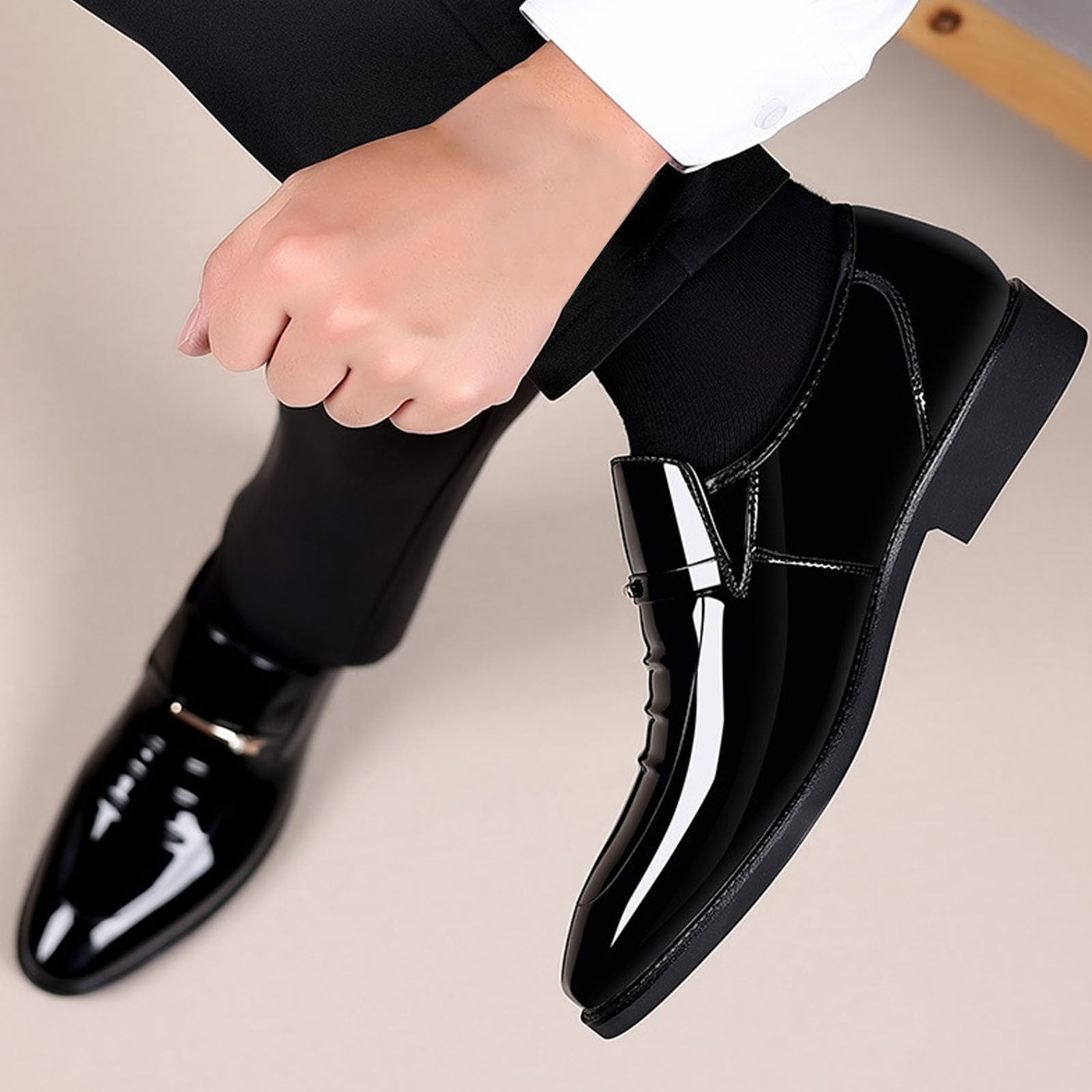
- Oxford shoes: Classic and polished. Leather Oxfords work with almost any outfit.
- Loafers: Comfortable, easy to wear, and stylish. Penny loafers or tassel loafers are popular business casual options.
- Dress boots: Useful in colder climates. Chelsea boots or chukka boots look sharp and keep feet warm.
Avoid sneakers or overly casual shoes. They lower the formality of your look.
Shoe Fit For Overweight Men
Many heavier men need wider shoes. Brands like New Balance, Allen Edmonds, and Clarks offer wide and extra-wide options. Proper fit reduces foot pain and supports the body.
If you stand a lot, invest in cushioned insoles and shoes with arch support. Avoid shoes with a narrow toe box—they squeeze the feet and cause discomfort.
A tip many overlook: Rotate your shoes. Wearing the same pair every day wears them out quickly and can lead to foot pain.

Credit: nilds.gov.ng
Accessories: Smart Choices
Accessories can upgrade your business casual style. But for overweight men, moderation is key.
Belts
Choose wide belts (1.25–1.5 inches) in leather or smooth materials. Narrow belts look out of place. Match belt color to your shoes.
If you’re wearing pants with belt loops, a sturdy belt helps keep everything in place. Avoid flashy buckles—they draw attention to the waist.
Watches
A larger watch face balances bigger wrists. Avoid tiny watches—they look lost on a big arm.
Metal bands or thick leather straps look best. Choose simple, clean designs. Smart watches can work if they’re not bulky or overly sporty.
Bags
Briefcases or messenger bags with wide straps distribute weight and look proportional.
If you carry a backpack, choose one with padded straps and a neutral color. Avoid tiny bags or slim straps—they look awkward and may dig into your shoulder.
Ties (optional)
Not all business casual needs a tie. If you wear one, pick slim or regular width—not skinny. Patterns should be small and subtle.
If you want to add color, use ties as your statement piece. But keep the rest of your outfit simple.
Avoiding Common Mistakes
Many overweight men make mistakes that hurt their business casual look. Here’s how to avoid them:
- Choosing oversized clothes: Baggy doesn’t mean better. It often makes you look larger.
- Ignoring tailoring: Off-the-rack rarely fits perfectly. Tailoring is affordable and changes everything.
- Mixing too many patterns: Keep patterns simple—one per outfit is best.
- Wearing shiny fabrics: They highlight curves and attract attention.
- Skipping good shoes: Cheap shoes drag down your look and cause discomfort.
Another mistake is not checking how clothes look when sitting or moving. Always try outfits in real situations, not just standing in front of a mirror.
Credit: www.nilds.gov.ng
Brands And Stores For Overweight Men
Not all brands fit bigger bodies well. Some specialize in larger sizes, making shopping easier.
Top Brands
- DXL (Destination XL): Full range of business casual for bigger men.
- Bonobos Extended Sizes: Modern fits, good fabrics.
- Tommy Hilfiger Big & Tall: Classic styles, reliable quality.
- Brooks Brothers Big & Tall: Formal and casual options.
- Uniqlo XL/XXL: Affordable basics.
Many brands offer online fit guides and free returns. Take advantage—order, try on, and return if needed.
Some stores have in-person stylists who can help you find the right fit. If you’re unsure, ask staff for advice—they often know which styles work best for different body types.
Real Example
A study by the National Retail Federation showed that 57% of men shopping for extended sizes prefer brands that offer virtual fitting tools. These help avoid the hassle of returns and wasted money.
Virtual fitting tools often ask for your measurements and suggest sizes that match your body. This saves time and reduces frustration.
Smart Shopping Tips
- Know your measurements: Chest, waist, inseam, and neck size matter more than labels.
- Try before you buy: If possible, visit stores. Online shopping is convenient, but fit varies.
- Check return policies: Good brands offer easy returns—important for fit issues.
- Invest in tailoring: Even a basic shirt or pant can look premium with slight changes.
If you’re buying online, read reviews from other big and tall customers. They often share tips on fit and comfort.
When shopping in stores, ask if they offer in-house tailoring. Many shops will adjust clothes for free or a small fee.
Dressing For Different Business Casual Settings
Business casual isn’t one style—it changes by workplace. Here’s how to adjust your look:
Office Environments
- Stick to collared shirts, chinos, blazers.
- Sweaters and cardigans are welcome.
- Avoid jeans unless specifically allowed.
Choose classic colors and avoid loud prints. If in doubt, dress a little more formally.
Creative Workplaces
- Patterns and brighter colors are fine.
- Polos, colored chinos, and stylish sneakers (if allowed) can work.
Experiment with accessories, like patterned socks or colorful ties, but keep the main outfit balanced.
Client Meetings
- Dress up: Add a blazer, choose dark pants, wear polished shoes.
- Avoid anything too casual.
Keep a spare blazer at work for unexpected meetings.
Hot Climates
- Choose breathable fabrics: Linen, cotton blends.
- Short-sleeved shirts are acceptable if styled well.
- Avoid heavy sweaters or jackets.
Use anti-sweat undershirts—many brands offer moisture-wicking versions that help you stay comfortable.
Cold Climates
- Layer smartly: Thin sweaters under jackets.
- Choose wool blends for warmth.
- Dress boots keep feet warm and stylish.
Scarves in neutral colors add warmth and style. Avoid bulky coats—choose fitted outerwear.
Real-life Style Transformations
The biggest change comes from confidence. Here are two stories:
Samuel’s Story
Samuel, a software engineer, always wore oversized shirts and loose jeans. After reading style guides, he switched to fitted chinos, structured shirts, and a navy blazer. His boss noticed the change and commented on his “professional, sharp look. ” Samuel started feeling more confident in meetings, and his work improved.
Samuel also found that planning his outfits in advance helped him avoid last-minute mistakes. He built a small wardrobe with versatile pieces, making it easy to mix and match.
Marcus’ Approach
Marcus, a sales rep, avoided business casual, thinking nothing fit right. He tried DXL’s virtual fitting tool and ordered three shirts and two pants. After tailoring, he noticed how the right fit made him look slimmer and stand taller. Marcus now enjoys dressing up, and his clients respond better.
Marcus also learned to rotate his outfits and invest in quality shoes. This made him feel more comfortable and helped him stand out in client meetings.
Data: Why Dressing Well Matters
A study by the Society for Human Resource Management found that 65% of managers believe dressing well boosts performance and confidence. For overweight men, this is even more important. Good clothes help you feel respected and ready.
Another survey showed that 54% of employees in business casual workplaces felt more comfortable and productive in well-fitted clothes. The difference isn’t just appearance—it’s attitude and self-worth.
A less-known insight: Well-fitted clothes can improve posture. When you feel good in your outfit, you stand taller and move with confidence, which affects how others see you.
Practical Tips For Everyday Success
- Plan outfits the night before. It saves time and avoids mistakes.
- Keep clothes clean and pressed. Wrinkles ruin business casual.
- Rotate shoes and belts. They last longer and stay fresh.
- Don’t fear color, but use it wisely. One bold item per outfit is enough.
- Build a capsule wardrobe. A few well-chosen pieces mix easily.
Take quick photos of your outfits to see what works best. This helps you remember combinations and spot fit issues you might miss in the mirror.
Use a lint roller and steamer for last-minute fixes. Small details matter.
Frequently Asked Questions
What Is The Most Flattering Shirt Style For Overweight Men?
Button-down shirts with a structured collar are the best. They frame the face and can be tailored for a clean fit. Avoid shirts with too much fabric or tight spots.
If you have a rounder belly, look for shirts with a slightly curved hem—they stay tucked better and look neat.
How Can Overweight Men Avoid Baggy Or Tight Pants?
Choose straight-leg or slightly tapered pants with stretch fabric. Avoid pleats and skinny cuts. Use your waist and inseam measurements to guide fit. Tailoring is an affordable solution.
Try pants with a hidden elastic waistband for extra comfort.
Are Blazers Necessary For Business Casual?
Blazers aren’t always required, but they add polish and shape. For overweight men, single-breasted blazers with structured shoulders help slim the body and create a professional look.
If you don’t like blazers, try a fine-gauge cardigan or a smart vest.
What Colors Work Best For Bigger Men In Business Casual?
Dark colors like navy, charcoal, and black slim the body. Vertical stripes and small patterns are also flattering. Avoid shiny fabrics or overly bright colors that draw attention.
Try muted shades, like olive or maroon, for variety.
Where Can Overweight Men Find Good Business Casual Clothes?
Stores like DXL, Bonobos Extended Sizes, and Brooks Brothers Big & Tall offer stylish options. Many brands have online fit guides and easy returns. For more tips, see GQ's guide for big and tall men.
Closing Thoughts
Dressing business casual as an overweight man doesn’t mean sacrificing style or comfort. The right fit, smart fabrics, and simple styling choices make a huge difference. Focus on clothes that build confidence and show your best side. Tailoring, careful shopping, and practical layering help create a wardrobe that works every day.
Remember, business casual is not about hiding your body—it’s about showing your best self. With these tips, you’ll walk into any office ready to succeed.
