

Authentic Vintage T-Shirts: The Timeless Trend Still Winning in 2026
What do a faded Mickey Mouse, a Rolling Stones tongue, and a soft, threadbare tee all have in common? If you guessed “the world’s most stylish grandpa,” you’re close. They’re all classic examples of authentic vintage t-shirts—the kind people hunt for in thrift stores, pay hundreds for online, and sometimes “borrow forever” from their parents’ closets. In 2026, this passion isn’t slowing down. In fact, more people than ever are trading their new, stiff shirts for something with a story, a smell of the 80s, and maybe even a ketchup stain from 1993.
But why do these old shirts have such a strong hold on us? What makes a t-shirt “authentic” and not just “old”? And how can you join the vintage tee party without accidentally buying a modern fake? Welcome to your complete, slightly cheeky guide to authentic vintage t-shirts—their history, how to spot them, why they matter, and how to wear them like a pro.
What Makes A T-shirt “authentic Vintage”?
“Vintage” isn’t just a fancy word for “used. ” For t-shirts, it means the shirt was made at least 20 years ago, usually before 2006. But “authentic” goes a step further. It means the shirt is not a modern reproduction or a fast-fashion trick.
It’s the real deal—old fabric, old ink, old attitude.
Authentic vintage t-shirts have these key qualities:
- Made in the past: Most collectors agree a shirt should be at least 20 years old.
- Original artwork: The print was created in the era, not copied later.
- Period tags and construction: The label and stitching match the time.
- Signs of wear: Fading, cracking prints, and soft fabric are good signs. If the shirt looks like it survived a rock concert and a washing machine from 1987, you’re on the right track.
It’s easy to confuse “vintage style” (modern shirts made to look old) with authentic vintage. Think of it like the difference between your grandma’s homemade cookies and the ones from the supermarket. The supermarket ones try hard but just don’t have the same flavor.
The Unlikely History Of Vintage T-shirts
The t-shirt’s story began as underwear for the military in the early 1900s. After World War II, soldiers wore them as casual tops. By the 1950s, thanks to rebel icons like James Dean and Marlon Brando, the t-shirt became a symbol of cool.
In the 1960s and 70s, t-shirts became canvases for art, music, and protest. Think tie-dye, band logos, political slogans. By the 80s and 90s, every brand, event, and cartoon character had a shirt. Fast forward to 2026, and those shirts from the 70s, 80s, and 90s are now authentic vintage treasures.
Here’s a fun fact: The oldest known printed t-shirt dates back to 1948—a campaign shirt for Governor Thomas E. Dewey. Who knew politics could be stylish?
Why Are Authentic Vintage T-shirts So Popular In 2026?
Let’s be honest. People love authentic vintage t-shirts because they’re:
- Comfortable: Old shirts are softer than a puppy’s ear.
- Unique: You won’t see your shirt on every Instagram post.
- Story-filled: Each shirt has a history—maybe it went to a concert, a protest, or just lived in someone’s drawer for decades.
- Sustainable: Wearing vintage is eco-friendly. No new resources, no sweatshops, just pure recycling magic.
- Valuable: Some shirts are worth more than your monthly coffee budget.
In 2026, vintage is also about nostalgia. Wearing a 1990s “Space Jam” tee might remind you of Saturday cartoons and chasing ice cream trucks. Plus, with the rise of “dopamine dressing”—wearing what makes you happy—vintage t-shirts are pure joy.
How To Identify An Authentic Vintage T-shirt
Spotting a real vintage tee is a bit like detective work. Here’s how to avoid rookie mistakes and spot the real thing:
1. Check The Tag
- Single-stitch: Shirts before the mid-90s often have single stitching on the sleeves and hem.
- Made in USA: Many vintage shirts were made in the USA, Canada, or Europe.
- Old brands: Look for labels from Screen Stars, Hanes, Fruit of the Loom (old logo), or Velva Sheen.
If the tag says “100% polyester, Made in Bangladesh, 2024”—sorry, it’s not vintage. Tags should look worn, faded, and sometimes even half-missing.
2. Inspect The Print
- Faded ink: Vintage prints are often cracked or faded. If it’s too perfect, it might be new.
- Off-center or imperfect: Older printing methods weren’t always exact.
- Copyright date: Some shirts have a small year under the print, like “©1995.”
3. Feel The Fabric
- Thinner and softer: Decades of washing make old cotton super soft.
- Natural shrinkage: Old shirts may be smaller than their tag size.
4. Stitching And Construction
- Single vs. double stitch: Single-stitch sleeves usually mean pre-1996.
- Tubular body: No side seams? That’s a sign of older shirts.
5. Smell Test (yes, Really)
Authentic vintage shirts sometimes have a distinct “old clothes” smell. Don’t worry, a gentle wash usually fixes this. But if you’re buying online, read reviews—if everyone says “smells like grandma’s attic,” it’s probably real.
Types Of Authentic Vintage T-shirts Collectors Love
Not all vintage tees are equal. Some categories are more popular (and expensive) than others:
- Band and concert tees: Think Metallica 1986, Nirvana 1992, or even NSYNC 2000.
- Movie and TV shirts: Star Wars, Jurassic Park, Seinfeld.
- Sports shirts: Old NFL, NBA, or Olympics tees.
- Promotional and event tees: County fairs, marathons, or political campaigns.
- Cartoon and pop culture: Looney Tunes, Pokémon, The Simpsons.
- College and university: Ivy League, but also random “Spring Break 1988” shirts.
- Advertising: Pepsi, Coca-Cola, and weird local businesses.
Some collectors specialize in one area, while others just grab anything that looks cool and makes strangers say, “Whoa, where did you find that? ”
How To Avoid Fake Vintage T-shirts
The rise in popularity means there are also more fakes than ever. Here’s how to avoid getting tricked:
- Research sellers: Buy from shops with good reviews and clear return policies.
- Ask for close-up photos: If buying online, ask to see the tag, stitching, and print.
- Compare prices: If a “rare” 1982 Queen tour shirt is $15, it’s probably not real.
- Check for modern details: Side seams, new tags, and bright white labels are red flags.
Remember, some sellers use “vintage style” or “vintage-inspired” to mean “not actually vintage. ” Always read carefully. True vintage shirts have a story—and sometimes a hole or two.
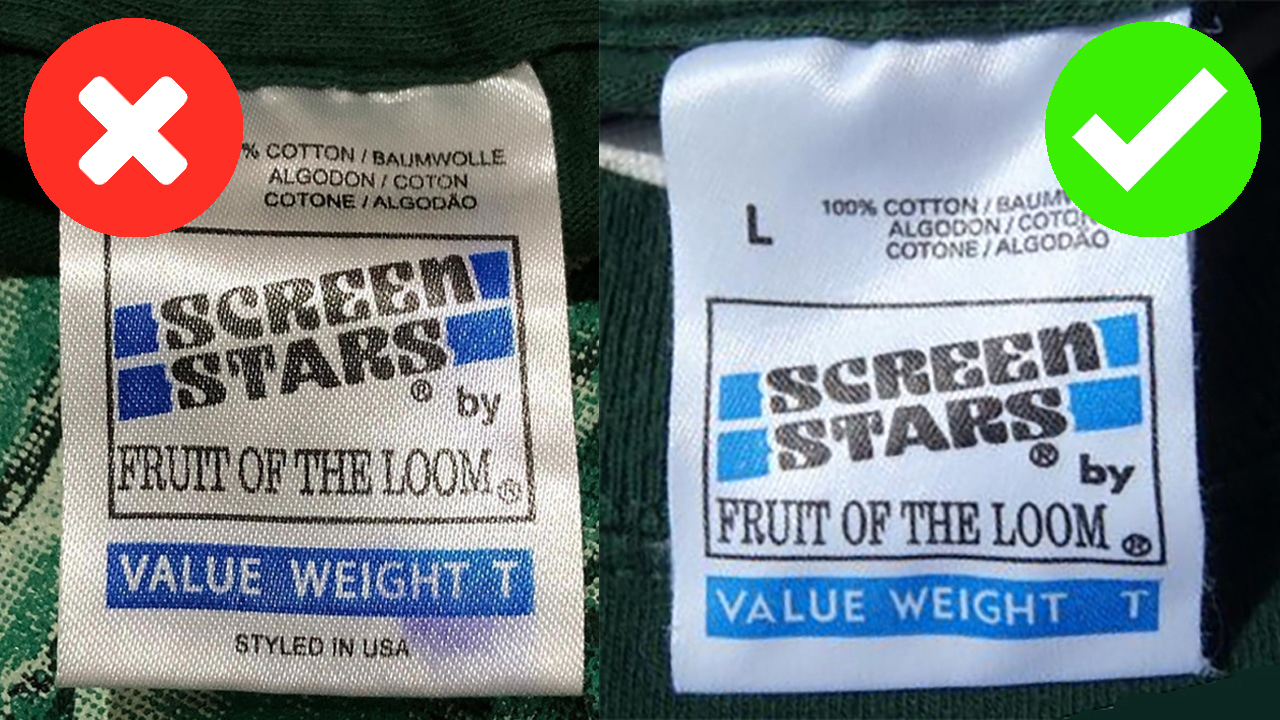
Credit: www.defunkd.com
Where To Buy Authentic Vintage T-shirts In 2026
Finding the perfect shirt takes luck, patience, and maybe a strong coffee. These are the top places to hunt:
Thrift Stores And Flea Markets
The old-school way. Thrift stores, charity shops, and flea markets are full of surprises. You might walk out with a $2 shirt worth $200—or just a weird tee from a 1997 bowling tournament. Either way, it’s an adventure.
Vintage Shops
Specialty vintage stores (both local and online) do the hunting for you. They’re more expensive, but you’ll find high-quality, curated shirts.
Online Marketplaces
Websites like eBay, Grailed, Depop, and Etsy are vintage goldmines. Use filters like “single stitch” or “1990s” to narrow your search.
Social Media Groups
Facebook Marketplace, Instagram sellers, and even TikTok live auctions are booming in 2026. Just remember: if it sounds too good to be true, it probably is.
Clothing Swaps And Events
Some cities have vintage fairs or clothing swaps. Bring your own old shirts to trade, and you might go home with a new favorite.
How Much Are Vintage T-shirts Worth?
Prices range from pocket change to “I need to call my bank.” The value depends on:
- Rarity: The fewer made, the more valuable.
- Condition: Some wear adds charm, but big holes lower value.
- Design: Unique or bold graphics are worth more.
- Cultural importance: A shirt from a famous concert or event is gold.
Here’s a comparison of average prices for popular categories in 2026:
| Type | Low Price (USD) | High Price (USD) |
|---|---|---|
| Band/Concert Tees | 30 | 2,000+ |
| Movie/TV Tees | 25 | 500 |
| Sports Tees | 20 | 400 |
| Advertising Tees | 10 | 300 |
| Pop Culture Tees | 15 | 250 |
If you find a Beatles 1966 tour tee, don’t wear it to paint your house. Some shirts are museum pieces.
Caring For Your Vintage T-shirts
You’ve found the holy grail—a real vintage tee. Now, how do you keep it from falling apart? Here’s how to keep it looking (and smelling) good:
- Hand wash in cold water: Avoid harsh detergents.
- Air dry: The dryer is a t-shirt’s worst enemy.
- Store flat: Hanging can stretch old fabric.
- Avoid sunlight: Sun fades prints fast.
- Fix small tears: A simple stitch can save a shirt.
If you must use a washing machine, put the shirt inside out in a mesh bag. Your future self (and your t-shirt) will thank you.
Styling Vintage T-shirts In 2026: How To Look Cool, Not Clueless
Wearing a vintage tee isn’t just about the shirt; it’s about the attitude. Here’s how people are rocking them in 2026:
- With jeans and sneakers: Always a classic. Add a leather or denim jacket for extra style.
- Tucked into high-waisted pants: A nod to the 80s, but still fresh today.
- Layered under blazers or over long sleeves: Mix business with nostalgia.
- Cropped or oversized: Play with fit to change the vibe.
- Accessorize: Add bold sunglasses, chains, or hats. Let the t-shirt do the talking.
Fashion tip: Don’t overthink it. The best vintage t-shirt outfits look effortless, not forced. If your grandma says, “You look comfortable,” you’re doing it right.
The Investment Side: Are Vintage T-shirts Really Worth It?
Surprise! Vintage t-shirts are now “alternative investments. ” Some buyers collect shirts like stocks or sneakers, hoping their value will rise.
- Historical growth: A 1991 Nirvana tee sold for $7 in 1991, but $1,400 in 2026.
- Market trends: Nostalgia items like 80s and 90s band shirts are most in demand.
- Condition matters: Pristine shirts fetch higher prices, but even worn ones can appreciate.
But remember: buy what you love, not just what you think will make money. If the market crashes, at least you’ll have a cool shirt to wear at the yard sale.
Comparing Vintage And Modern “vintage-style” T-shirts
What’s the difference between an actual vintage tee and a “vintage-style” shirt from your local shop? Let’s compare:
| Feature | Authentic Vintage | Vintage-Style |
|---|---|---|
| Age | 20+ years old | Made recently |
| Fabric feel | Soft, thin, worn | New, sometimes artificially distressed |
| Cracked/faded, original art | Sharp, modern print or fake cracking | |
| Tag | Old brands, faded, unique fonts | Modern brands, clear print |
| Value | Can increase over time | Loses value after purchase |
| Environmental impact | Recycled, sustainable | New production, higher footprint |
The verdict: If you want real history and character, go for authentic. If you just want the look, modern is fine. Just don’t pay vintage prices for a modern copy.
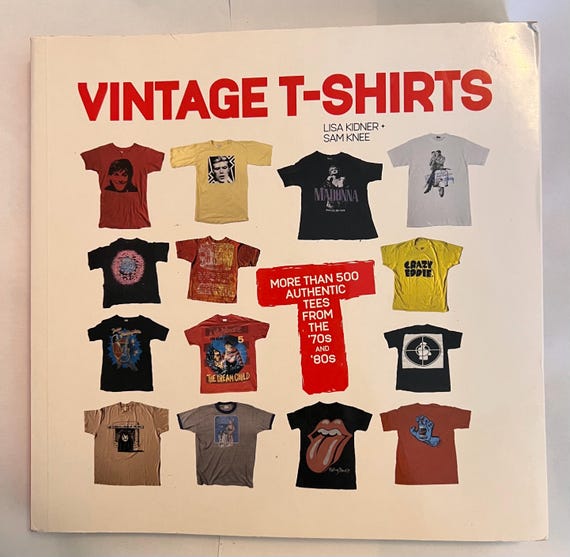
Credit: www.etsy.com
Common Mistakes Beginners Make With Vintage T-shirts
- Washing too harshly: Hot water and dryers ruin old shirts.
- Ignoring size changes: Old shirts run small; always check measurements.
- Buying fakes: Do your homework before spending big.
- Wearing rare shirts for chores: Paint and bleach don’t add “character.”
- Overpaying for common shirts: Not all “old” shirts are valuable. Research before buying.
One non-obvious insight: Some shirts with small holes or stains are still collectible—especially if they’re rare. Imperfection can add charm and authenticity.
Another tip: Not all valuable shirts are from big bands or movies. Local event shirts, rare promo tees, or even company uniforms can be worth a lot if few survived.
Real Stories: Vintage T-shirts That Changed Lives
Believe it or not, some people have found life-changing shirts in thrift stores. In 2023, a lucky shopper in Austin, Texas found a 1977 Led Zeppelin t-shirt for $3. She later sold it for $2,500—enough for a tropical vacation (or a lot more t-shirts).
Another collector found a 1992 Barcelona Olympics tee in a bargain bin. It turned out to be a rare staff-only issue, worth over $600. The moral? Always check every rack, and never judge a shirt by its wrinkles.

Credit: www.goodreads.com
The Future Of Vintage T-shirts: What’s Next?
In 2026, the vintage t-shirt market is booming. Trends to watch:
- Virtual vintage: Digital versions of rare shirts for online avatars.
- Upcycling: Turning damaged tees into new fashion items.
- Collabs: Big brands buying old shirts and “remixing” them.
- DNA tagging: Some companies now verify authenticity with invisible ink.
But one thing won’t change: the love for soft, old, story-filled shirts. As long as people want to wear history, authentic vintage t-shirts aren’t going anywhere.
For more on the history of t-shirts, check out this Wikipedia page.
Frequently Asked Questions
What Is The Difference Between Vintage And Retro T-shirts?
Vintage t-shirts are actual old shirts, usually 20+ years old. Retro t-shirts are new shirts made to look old, often with classic designs or fake fading. Vintage means “from the past,” retro means “inspired by the past.”
How Can I Tell If A Vintage T-shirt Is Fake?
Check the tag for old brands and faded print. Feel the fabric—it should be soft and thin, not stiff. Real vintage prints are often cracked and imperfect. If the shirt looks too new or the price is too low for something rare, be careful.
Are Vintage T-shirts Safe To Wear?
Yes, if cleaned properly. Wash in cold water with gentle soap before wearing. Some shirts may have mild smells or dust, but a wash usually solves this. Avoid shirts with mold or strong chemicals.
Why Are Some Vintage T-shirts So Expensive?
Rarity, demand, and cultural importance drive prices. A rare band shirt from a famous concert can be worth thousands. Even common shirts with unique art or history can fetch high prices if collectors want them.
Can I Sell My Old T-shirts As Vintage?
If your shirts are 20+ years old and in good condition, yes. Research similar items to set a fair price. Take clear photos of tags and prints. You might be sitting on a small fortune—or at least enough for a fancy coffee.
---
Whether you’re a collector, a fashion lover, or just want the comfiest shirt in your closet, authentic vintage t-shirts are a perfect choice. They’re more than clothing—they’re wearable time machines, filled with stories, style, and maybe a little bit of pizza from 1994. Happy hunting!
