

Are You Supposed to Swim in a Rash Guard? Expert Insights!
Are you wondering if you should swim in a rash guard? Maybe you’ve seen surfers and swimmers wearing them and asked yourself, “Is that really necessary?” Or perhaps you’re curious about the benefits and whether it’s safe and comfortable for you.
This article will clear up the confusion and help you decide if a rash guard is the right choice for your next swim. Keep reading—you might discover something that changes the way you enjoy the water forever.
Purpose Of Rash Guards
Rash guards serve many purposes for swimmers and water sport lovers. They offer comfort, protection, and style. Wearing a rash guard enhances your water experience by adding a layer of safety and ease. Understanding why rash guards exist helps you decide if you should wear one while swimming.
Material And Design
Rash guards are made from soft, stretchy fabrics like spandex and polyester. These materials fit snugly and dry quickly. The design covers the upper body, sometimes including long sleeves. This close fit reduces skin friction during swimming or surfing. Lightweight fabric keeps you cool while protecting your skin.
Protection Benefits
Rash guards protect against sunburn with built-in UV protection. They also prevent skin irritation caused by rubbing against surfboards or sand. The tight fabric shields your skin from jellyfish stings and minor scrapes. Wearing a rash guard lowers the risk of rashes and cuts in the water. It acts like a barrier between your skin and the elements.
When To Wear A Rash Guard
Wearing a rash guard is smart for many water activities. It protects your skin and helps you stay comfortable. Knowing when to wear one can make your time in the water safer and more fun.
Surfing And Water Sports
Rash guards protect you from board rashes and sunburn during surfing. They stop your skin from rubbing against the board. This helps you avoid painful scrapes. Water sports like paddleboarding or kayaking also benefit from rash guards. They keep you warm and protect from the sun’s harsh rays. Wearing one reduces irritation from saltwater and sand. It gives you more freedom to move without worry.
Swimming In Open Water
Open water swimming means lakes, rivers, or the ocean. Here, rash guards protect against jellyfish stings and sharp objects. They also keep your skin warmer in cooler water. Sun protection is very important too. The sun’s reflection on water can cause serious burns. A rash guard acts like a shield. It helps you swim longer without skin damage. Wearing one also reduces chafing from your swimsuit or gear.
Swimming Pool Use
Swimming in a rash guard at a pool can be a good idea. It protects your skin from sun and pool chemicals. Many people wonder if rash guards are allowed in public pools. The answer depends on the pool's rules and your comfort.
Pool Rules And Restrictions
Some pools have strict rules about swimwear. They may not allow rash guards due to fabric or color. Pools want to keep water clean and clear. Check with the pool staff before wearing a rash guard. Rules can vary by location and pool type. Private pools are usually more flexible.
Comfort And Performance
Rash guards fit tightly and dry quickly. They help reduce chafing and skin irritation. The material protects you from the sun’s rays. Rash guards keep you warmer in cool water. They also improve your swimming by reducing drag. Many swimmers prefer rash guards for these reasons.

Credit: www.amazon.com
Health And Safety Aspects
Wearing a rash guard while swimming offers important health and safety benefits. It protects your skin from harmful elements in the water and sun. This clothing choice can reduce risks and make your swim safer and more comfortable.
Skin Protection From Uv Rays
Rash guards block most of the sun’s harmful UV rays. These rays can cause sunburn and long-term skin damage. The fabric acts like a shield, covering your body and lowering UV exposure. Wearing a rash guard helps keep your skin safe during outdoor swims.
Preventing Rashes And Irritations
Saltwater, chlorine, and sand can irritate your skin. Rash guards create a barrier that stops these irritants from touching your skin. They reduce the chance of itching, redness, and painful rashes. Swimmers who wear rash guards often feel more comfortable in the water.
Choosing The Right Rash Guard
Choosing the right rash guard makes swimming safer and more comfortable. Not all rash guards are the same. Picking one that fits well and has the right features matters a lot. This helps protect your skin and keeps you moving freely in the water.
Fit And Fabric
The fit of a rash guard should be snug but not tight. It should stretch with your movements without feeling loose. The fabric should dry quickly and resist sun damage. Look for materials like polyester or nylon blends with spandex. These fabrics protect against UV rays and stop rashes from surfboards or sand.
Style And Features
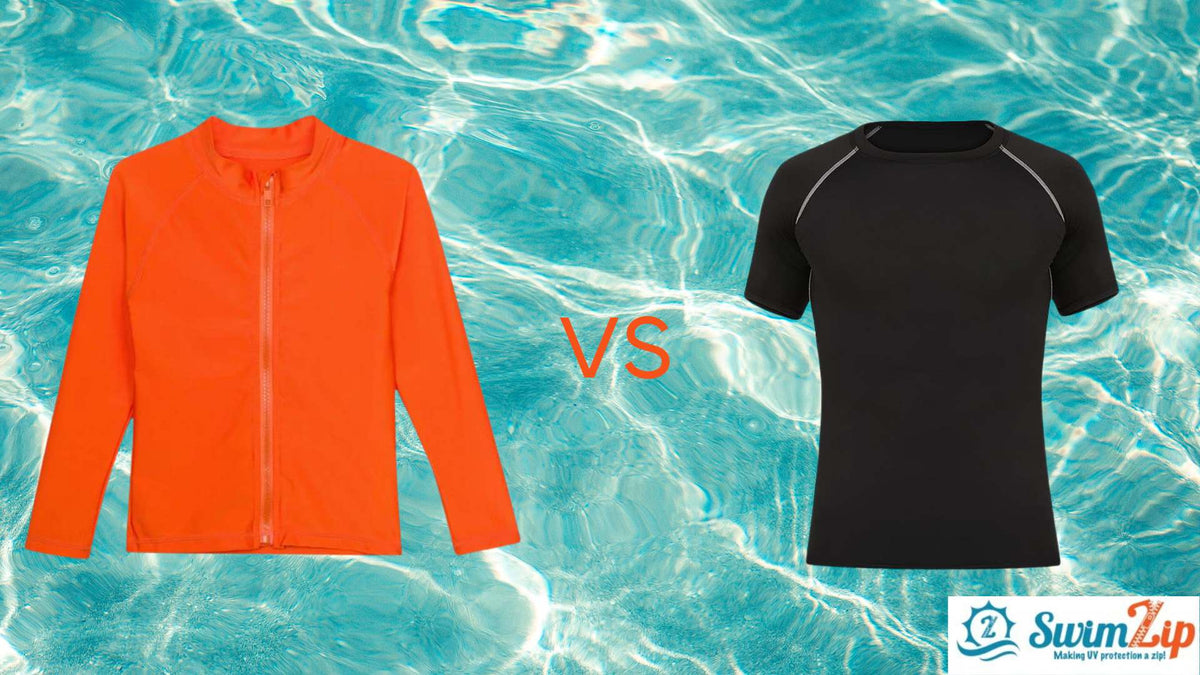
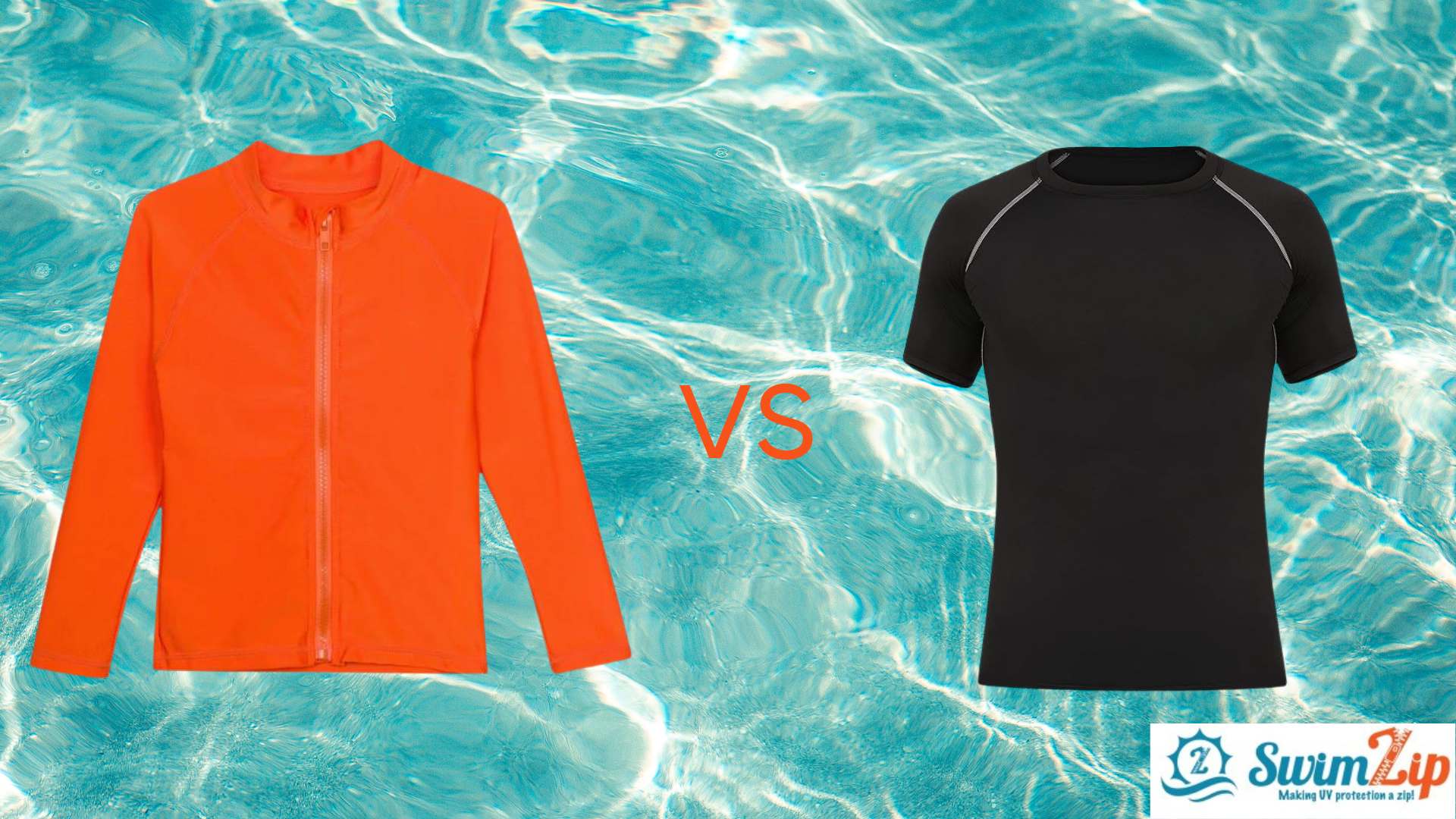
Rash guards come in long sleeve or short sleeve styles. Long sleeves offer more sun protection. Some have extra padding on the chest or shoulders for surfing. Others include mesh panels for better airflow. Choose a style that matches your water activity and comfort needs.
Credit: swimzip.com
Maintenance And Care
Taking care of your rash guard helps it last longer. Proper maintenance keeps the fabric strong and colors bright. This section explains easy ways to wash and store your rash guard for the best results.
Washing Tips
Rinse your rash guard in cold water right after swimming. This removes salt, chlorine, and sand. Hand washing is best to avoid damage. Use mild soap or detergent designed for delicate clothes. Avoid bleach or fabric softeners. Do not twist or wring the fabric. Instead, press out water gently. Let it air dry in the shade. Avoid using a dryer or direct sunlight. These can weaken the fabric and cause fading.
Storage Recommendations
Store your rash guard in a cool, dry place. Keep it away from direct sunlight to protect colors. Fold it neatly to avoid stretching or misshaping. Avoid hanging it for long periods; this can stretch the fabric. Keep it separate from rough or heavy items. This prevents snags and tears. Check your rash guard regularly for damage or wear. Early care helps keep it comfortable and effective for swimming.
Credit: swimzip.com
Frequently Asked Questions
Can You Swim While Wearing A Rash Guard?
Yes, rash guards are designed for swimming. They protect your skin from sunburn and irritation in the water. They also provide a snug fit that reduces drag and enhances comfort during swimming.
Are Rash Guards Good For Open Water Swimming?
Rash guards are ideal for open water swimming. They offer UV protection and guard against jellyfish stings. Their quick-drying fabric keeps you comfortable and reduces chafing in saltwater or fresh water.
Do Rash Guards Improve Swimming Performance?
Rash guards can improve performance by reducing friction between your skin and water. They streamline your body and keep muscles warm. This can enhance speed and endurance during swimming sessions.
Should Kids Wear Rash Guards While Swimming?
Yes, rash guards are excellent for kids. They provide sun protection and reduce skin irritation from sand and saltwater. Rash guards also offer an extra layer of warmth and comfort for young swimmers.
Conclusion
Swimming in a rash guard is safe and often helpful. It protects your skin from sunburn and irritation. Many swimmers wear them to stay comfortable and avoid rashes. Rash guards dry quickly and fit well in the water. They can also keep you warm in cooler pools or oceans.
Choose one that fits snugly and feels good on your skin. Wearing a rash guard can make swimming more enjoyable and safe. Try it next time you swim and see the difference.
