

Are Workout Clothes Necessary for Better Performance?
Are Workout Clothes Necessary?
Choosing what to wear for exercise seems simple at first. Many people wonder if workout clothes are truly necessary or just a marketing trend. Some wear old T-shirts and shorts, while others invest in specialized gym wear. The reality is more complex than just comfort or style. The right clothing can influence performance, motivation, and even safety. At the same time, not everyone needs to shop for the latest sports brands to get fit.
This article explores whether workout clothes are necessary, when they matter, and how they affect your body and mind during exercise. We’ll look at health, performance, psychology, and practical concerns. By the end, you’ll understand what matters most and how to make the best choice for your workout routine.
What Are Workout Clothes?
Workout clothes are designed for physical activity. They usually use materials that help manage sweat, allow movement, and sometimes offer features like compression or support. Examples include:
- Moisture-wicking T-shirts and tops
- Athletic shorts or leggings
- Sports bras
- Compression garments
- Athletic socks and shoes
Regular clothes, like jeans or cotton shirts, are not made for exercise. They may restrict movement, hold sweat, and even cause irritation or injury.
The Science Behind Workout Clothing
Research shows that clothing choice can impact exercise in several ways. Proper workout wear can:
- Help control body temperature
- Reduce muscle fatigue
- Lower risk of skin irritation
- Improve motivation and focus
For example, moisture-wicking fabrics pull sweat away from the skin. This keeps you cooler and drier, reducing the risk of rashes or chafing. Compression clothing may increase blood flow, which can speed up recovery and reduce muscle soreness.
A study from the Journal of Sports Sciences found that athletes who wore specialized clothing had better thermal comfort and could exercise longer in hot conditions compared to those in regular cotton gear.
Comfort And Performance: The Main Factors
Movement And Flexibility
Workout clothes are designed with stretchable fabrics, like spandex or polyester blends. This allows for a full range of motion—important for activities like yoga, running, or weightlifting. Tight or stiff clothing can:
- Restrict proper movement
- Cause poor form
- Increase injury risk
For example, trying to do squats in jeans or a tight skirt is not just uncomfortable—it may also cause you to move incorrectly.
Sweat Management
Sweating is natural during exercise. Workout clothes use moisture-wicking technology to:
- Move sweat away from your skin
- Dry quickly
- Prevent clothes from becoming heavy and uncomfortable
Cotton holds sweat, making it clingy and cold. This can lead to chills or skin problems, especially during longer workouts.
Reducing Chafing And Irritation
Repeated movements can cause skin to rub against fabric. This friction leads to chafing, especially in areas like underarms, thighs, and feet. Athletic wear is usually seamless or has flat seams to minimize this problem.
A real-world example: runners often wear specialized shorts and anti-chafe creams to prevent painful sores during long runs.
Safety And Injury Prevention
Support And Protection
Certain activities require more than just comfort. Supportive workout clothing can:
- Reduce the risk of strain (e.g., sports bras for high-impact sports)
- Protect joints and muscles (e.g., compression sleeves)
- Lower risk of accidents (e.g., proper shoes for running or weight training)
Wearing the wrong shoes or clothes can lead to sprains, blisters, or worse. For example, running in casual sneakers can result in knee or ankle injuries.
Weather Adaptation
Outdoor workouts come with extra challenges. Workout clothes can help you adapt to:
- Heat (lightweight, breathable fabrics)
- Cold (thermal layers, moisture management)
- Rain (water-resistant jackets)
Wearing everyday clothes in extreme weather can be dangerous. Overheating, dehydration, or hypothermia are real risks.
Here’s a comparison of how different clothing materials perform in various weather:
| Weather Condition | Recommended Fabric | Why It Matters |
|---|---|---|
| Hot & Humid | Polyester, Nylon | Breathable, moisture-wicking |
| Cold | Merino wool, Synthetics | Insulates, removes moisture |
| Rainy | Water-resistant blends | Keeps you dry, prevents chills |
| Windy | Windbreaker fabrics | Reduces wind chill |
The Psychological Impact Of Workout Clothes
Motivation And Mindset
Clothing can have a big effect on how you feel about exercise. There’s a psychological concept called “enclothed cognition”. It means that what you wear can change your mental state and behavior. Studies show that people who wear workout clothes feel more motivated and confident to exercise.
Wearing gym clothes can:
- Signal your brain it’s time to move
- Boost self-esteem
- Help you stick to routines
Many beginners notice that buying new workout gear makes them more excited to start a fitness journey. It’s a small investment in your health mindset.
Social Influence
Exercise often happens in public—gyms, classes, parks. Wearing proper workout clothing can help you feel like you “belong” in these settings. It reduces anxiety about standing out, especially if you are new to fitness. For some, this social comfort is a powerful motivator.
However, it’s also important not to feel pressured by trends or expensive brands. The key is to find what makes you comfortable and confident, not to impress others.
When Are Workout Clothes Absolutely Necessary?
There are times when specialized workout gear is not just helpful, but essential. Some examples include:
- High-intensity sports: Activities like running, CrossFit, or HIIT require sweat management, support, and range of motion.
- Team sports: Uniforms are often required for identification and safety.
- Outdoor activities: Weather protection and visibility are vital for running, cycling, or hiking.
- Contact sports: Protective padding or reinforced clothing can prevent injuries.
- Water sports: Swimsuits, wetsuits, or rash guards are needed for safety and performance.
In these cases, using regular clothes can be risky or even dangerous.
When Can You Skip Workout Clothes?
Not everyone needs high-tech gym wear all the time. There are cases where regular clothing is fine:
- Low-intensity exercise: Gentle stretching, yoga at home, or walking may not need specialized gear.
- Budget concerns: If you can’t afford new clothes, focus on comfort and safety with what you have.
- Personal preference: Some people simply feel better in their own style.
The key is to avoid anything that restricts movement, overheats the body, or causes friction.
Comparing Workout Clothes Vs. Regular Clothes
Let’s see how workout clothes and regular clothes stack up in common exercise situations:
| Activity | Workout Clothes | Regular Clothes |
|---|---|---|
| Running | Breathable, lightweight, minimizes chafing | Heavy, absorbs sweat, may cause friction |
| Yoga | Stretchy, form-fitting, stays in place | Loose, may restrict movement, slides around |
| Weightlifting | Supports joints, flexible, sweat-wicking | Baggy or stiff, can catch on equipment |
| Walking | Comfortable, optional support | Often fine if comfortable and weather-appropriate |
Common Beginner Mistakes About Workout Clothes
Many new exercisers misunderstand what matters with workout clothes. Here are some mistakes to avoid:
- Buying for fashion, not function: Some choose the most stylish gear, but it may not fit well or support movement.
- Ignoring shoe quality: Good shoes matter more than shirts or shorts for most activities.
- Wearing cotton: Cotton holds sweat and can cause chafing or chills.
- Overspending: High price does not always equal better performance. Focus on fit and comfort.
- Neglecting proper care: Athletic fabrics need special washing to last. Avoid fabric softeners and high heat.
An insight often missed: many people get discouraged if their clothes are uncomfortable or distracting. This can hurt motivation and lead to quitting.
The Role Of Shoes And Accessories
While this article focuses on clothing, shoes are possibly the most important part of workout gear. The wrong shoes can cause injuries faster than a poor T-shirt.
Choosing The Right Shoes
- Running: Cushioned, supportive, fit your gait
- Weightlifting: Flat, stable sole
- Court sports: Lateral support
Socks also matter. Athletic socks prevent blisters and manage moisture.
Accessories like gloves, headbands, or compression sleeves can add comfort or safety for certain activities. But they are rarely essential for beginners.
Cost Vs. Value: Do You Need Expensive Gear?
Some brands market workout clothes as must-have and expensive. In truth, price does not guarantee quality or performance.
What To Look For:
- Fit: Not too tight, not too loose
- Comfort: No irritation or restriction
- Material: Moisture-wicking, breathable
- Durability: Withstands frequent washing
Discount stores often carry affordable, decent-quality workout clothing. Try on different brands to find what works for you.
Real Insight
Some beginners buy a whole wardrobe of athletic wear hoping it will make them more committed. But motivation comes from routine, not clothes. Start with basics, add more as you find what you like.
Practical Tips For Choosing Workout Clothes
- Test before buying: Move around in the fitting room—squat, stretch, twist.
- Check seams and tags: Look for flat seams and tagless designs to avoid chafing.
- Layer smartly: For outdoor workouts, layering helps regulate temperature.
- Choose darker colors if sweating is a concern: Lighter colors show sweat stains more.
- Try before intense use: Wear new clothes for a short session to make sure they work for you.
Hygiene And Skin Health
Workout clothes can help maintain better hygiene during exercise. Moisture-wicking fabrics dry faster, which means less bacteria growth and less odor. Regular clothes that stay damp can cause:
- Skin rashes
- Fungal infections (especially in feet and groin)
- Unpleasant odors
Washing your workout clothes after every use is important. If you reuse sweaty gear, bacteria and fungus can build up quickly.
Sustainability And Environmental Concerns
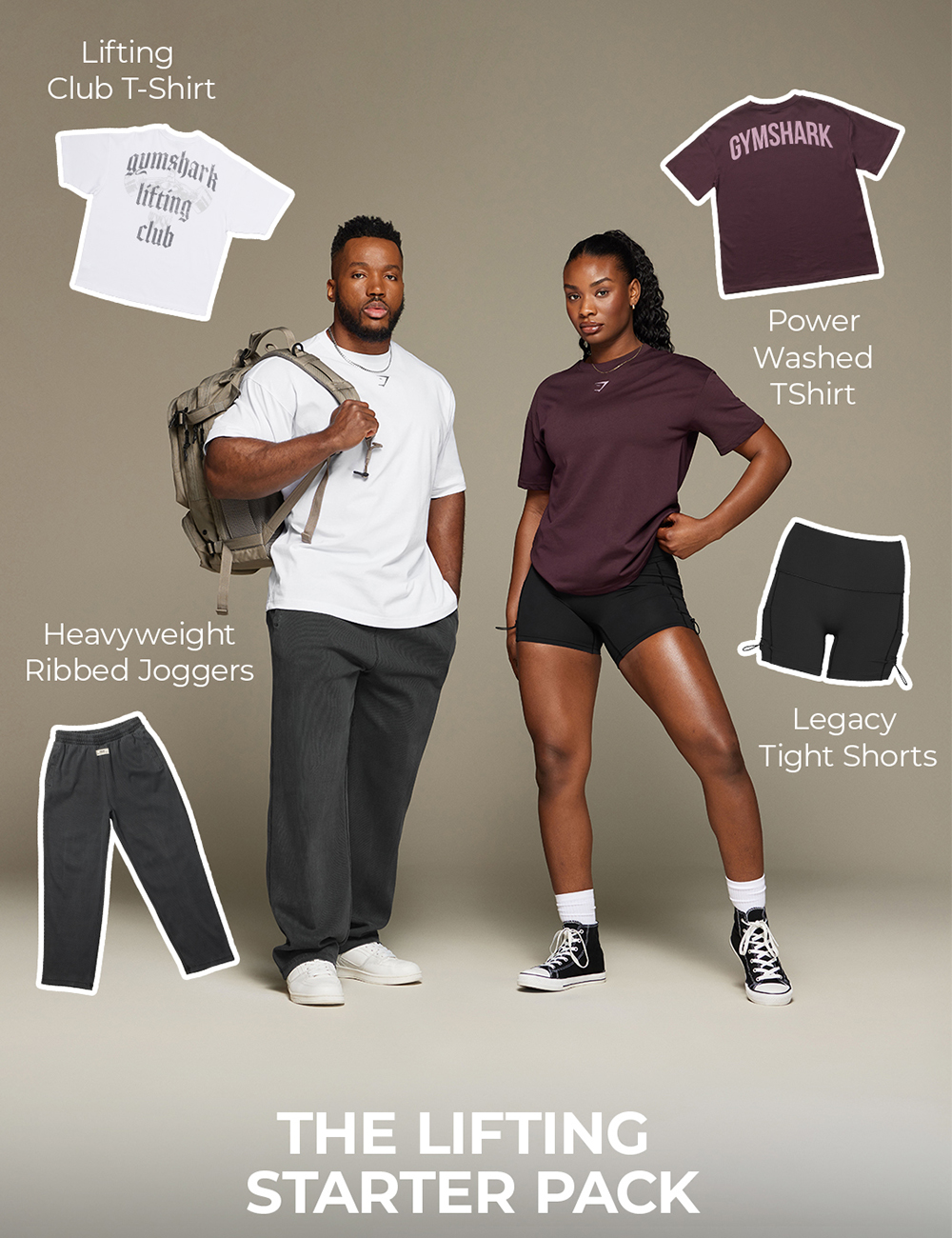
Most workout clothes are made from synthetic materials, which have an environmental cost. However, some brands now offer recycled or eco-friendly fabrics. If sustainability matters to you, look for:
- Recycled polyester or nylon
- Organic cotton blends
- Certifications like Bluesign or OEKO-TEX
Be aware that synthetic fibers shed microplastics when washed. Using a washing bag designed to catch microfibers can help reduce pollution.
Credit: row.gymshark.com
Do You Need Different Clothes For Different Workouts?
The answer depends on the activity. Here’s a quick overview:
- Yoga/Pilates: Stretchy, snug, stays in place
- Running: Breathable, lightweight, anti-chafe
- Cycling: Padded shorts, fitted tops for aerodynamics
- Strength training: Flexible, not too loose
- Swimming: Specialized suits
Trying to do all activities in one outfit often leads to discomfort. For example, cycling in regular shorts can be very painful on long rides.
Gender Differences In Workout Clothing
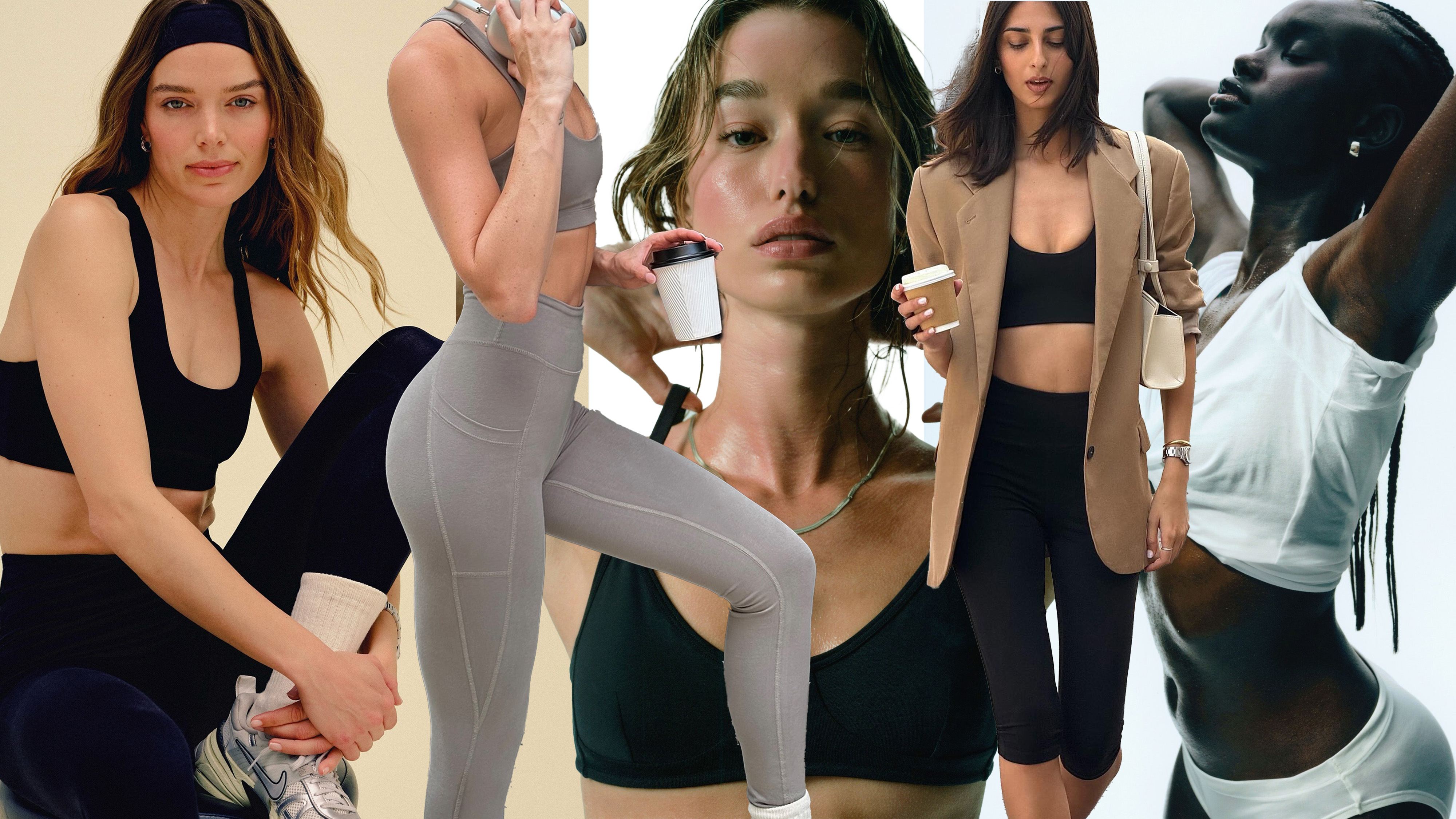
Men’s and women’s workout clothes often differ in fit, support, and design. For example:
- Sports bras: Essential for women in many activities
- Cut and rise: Women’s leggings are usually higher-waisted for support
- Men’s shorts: Often longer, with built-in liners
- Color and style: Mostly aesthetic, but confidence matters
Both men and women benefit from moisture management and proper fit.
Credit: www.whowhatwear.com
What Really Happens If You Skip Workout Clothes?
Let’s look at real effects people notice when they use regular clothes instead of specialized workout gear:
- More sweat discomfort: Clothes feel heavy, sticky, or cold after exercise
- Higher risk of blisters or chafing: Especially in long sessions
- Possible embarrassment: If clothes become see-through or ride up/down
- Less motivation: Feeling unprepared or awkward can reduce gym visits
- Injury risk: Mostly with shoes, but also with poor support garments
Some people manage fine, especially in gentle exercise. But over time, most find at least a few pieces of workout clothing make a big difference.
Insights Most Beginners Miss
- Fit changes as you exercise: Your body shape may change with regular exercise. What fits well now may not after a few months.
- Clothes affect recovery: Compression garments may reduce soreness. Rest day wear matters too.
- Laundry matters: Workout clothes need frequent washing. Owning only one set can be inconvenient.
- Layering is powerful: Learning to layer clothes for outdoor workouts is a skill. It keeps you safe and comfortable.
- Old shoes are risky: Shoe support breaks down over time, even if they look fine.
The Minimalist’s Approach: The Bare Essentials
If you want to keep things simple, focus on these essentials:
- One or two moisture-wicking tops
- One or two pairs of athletic shorts or leggings
- Supportive sports bra (if needed)
- Good socks and shoes
- Optional: Lightweight jacket for outdoor workouts
With these basics, you can do most types of exercise safely and comfortably.
The Role Of Brand Names And “trendy” Clothing
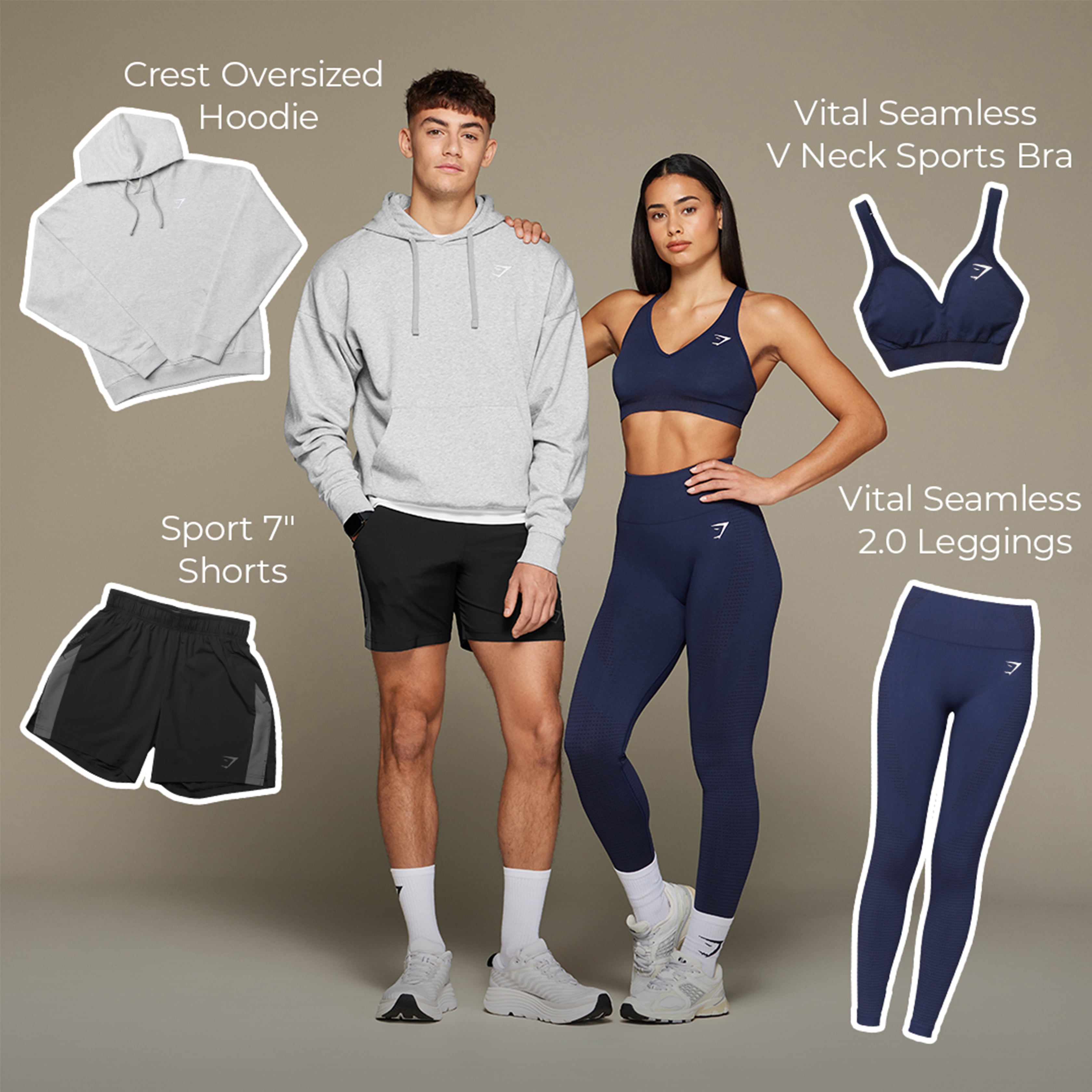
Expensive brands often offer stylish designs and unique features. But for most, brand name is less important than fit and function. Some high-end gear does last longer or use better materials, but many mid-range options work just as well.
Be wary of marketing claims. Not every “breathable” or “performance” item is truly effective. Reading reviews and trying gear yourself is the best way to judge.
Credit: row.gymshark.com
Cultural And Social Considerations
In some cultures or gyms, modesty or dress codes matter. Some people prefer looser or more covering workout clothing for personal or religious reasons. Many brands now offer inclusive options, such as longer tops, hijab-friendly designs, or unisex fits.
Choose clothing that matches your comfort and values. Confidence comes from feeling at ease, not following every trend.
Making The Right Choice For You
Deciding if workout clothes are necessary depends on:
- Your activity type and intensity
- Your budget and goals
- Your comfort preferences
If you’re just starting, you don’t need a full wardrobe of expensive gear. Start with basics, focus on fit and comfort, and upgrade as you go. Listen to your body—if your clothes distract, hurt, or make you self-conscious, it’s time to switch.
For more on the science of exercise clothing, see Wikipedia’s activewear page.
In the end, workout clothes are not a must for everyone, but they offer real advantages for health, performance, and motivation. The key is to find what supports your activity, fits your body, and makes you want to move.
Frequently Asked Questions
What Happens If I Exercise In Regular Clothes?
Regular clothes may restrict movement, hold sweat, and cause skin irritation. For short, low-intensity workouts, they may be fine. For longer or more intense exercise, you’ll likely feel less comfortable and may risk chafing or injury.
Are Expensive Workout Clothes Better?
Not always. Expensive brands may offer style or unique features, but comfort, fit, and material quality matter more than price. Many affordable options perform well.
How Many Workout Outfits Do I Need?
Most people need 2–3 sets of workout clothes, depending on how often they exercise and do laundry. This allows you to always have clean gear ready.
Can I Wear Workout Clothes All Day?
You can, but it’s best to change out of sweaty clothes soon after exercise. Staying in damp clothes can cause skin issues. Many people wear athleisure for comfort, but hygiene is important.
What Is The Most Important Piece Of Workout Clothing?
For most, shoes are the most critical. They protect your feet, support movement, and prevent injury. After that, focus on comfortable, moisture-wicking tops and bottoms.
With the right information, you can choose workout clothes that support your goals—without falling for hype or overspending. Your best gear is the one that helps you move with confidence, comfort, and safety.
