

Are Rash Vests for Swimming: Ultimate Protection and Comfort Guide
Are rash vests really a good choice for swimming? If you’ve ever wondered whether these snug, lightweight tops are just for surfers or if they can boost your swim experience too, you’re in the right place.
You want to feel comfortable, protected, and confident every time you hit the water. Understanding how rash vests work and what benefits they offer can change the way you swim. Keep reading, and you’ll discover why a rash vest might just become your new favorite swimwear.
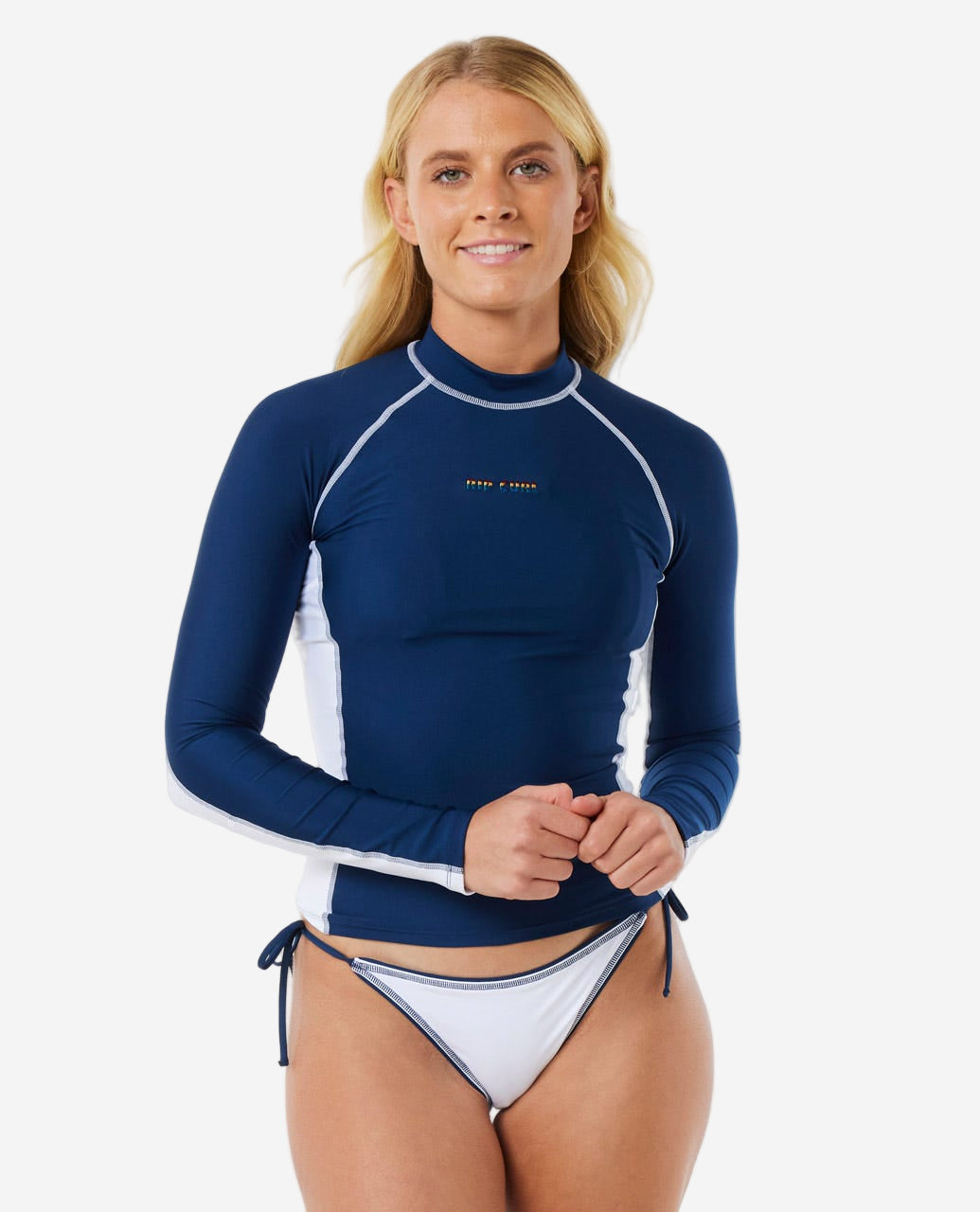
Credit: longreefsurf.com.au
Benefits Of Rash Vests
Rash vests offer many benefits for swimmers. They protect the skin and improve comfort in the water. Wearing a rash vest makes swimming safer and more enjoyable. Let's explore the main advantages of using rash vests.
Sun Protection
Rash vests block harmful UV rays from the sun. They cover large skin areas that often get burned. This reduces the risk of sunburn and skin damage. Swimmers can stay longer in the water without worrying about the sun.
Chafing Prevention
Rash vests stop skin rubbing against surfboards or wetsuits. This helps prevent painful chafing and irritation. The smooth fabric creates a barrier between skin and rough surfaces. Swimming feels much more comfortable and less painful.
Thermal Insulation
Rash vests keep the body warmer in cool water. They trap a thin layer of water that the body heats up. This layer acts like a warm shield around the skin. Swimmers stay comfortable even in lower water temperatures.
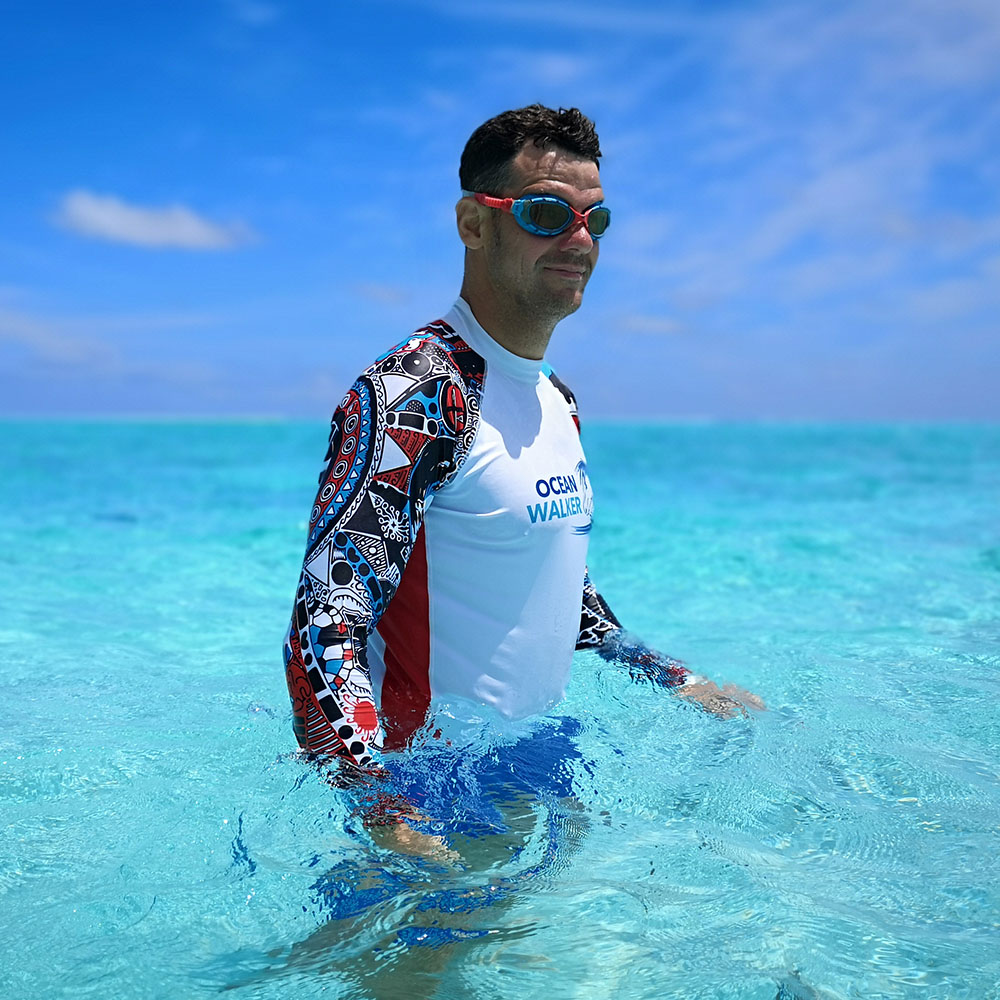
Credit: www.oceanwalkeruk.com
Materials And Design
Rash vests are essential for swimming and water sports. Their materials and design help protect skin and improve comfort. Choosing the right fabric and fit makes a big difference. A rash vest must be lightweight and stretchy. It should allow easy movement in the water. Durability is also important because of sun exposure and saltwater.
Common Fabrics Used
Most rash vests use polyester, nylon, or spandex blends. Polyester resists fading and drying out. Nylon is soft and quick-drying. Spandex adds stretch and keeps the vest snug. Some rash vests include UPF fabric for sun protection. These materials work well in water and dry fast. They also resist damage from chlorine and salt.
Fit And Comfort Features
A good rash vest fits close to the body but is not tight. Flatlock seams prevent skin irritation and chafing. Some have longer sleeves for extra sun protection. Elastic cuffs stop water from entering the sleeves. The collar should be soft and not rub the neck. Breathable fabric helps keep the skin cool and dry.
Durability Factors
Rash vests face rough use in water and sun. High-quality stitching keeps the vest strong. Reinforced seams reduce the risk of tears. Fabrics with UV protection last longer under sunlight. Resistance to chlorine and salt extends the vest’s life. Proper care, like rinsing after use, helps maintain durability.
Types Of Rash Vests
Rash vests come in many styles. Each type suits different swimming needs. Knowing the types helps you pick the best one. Rash vests protect skin from sun and irritation. They also keep swimmers warm in cool water. Below are common types of rash vests to consider.
Long Sleeve Vs Short Sleeve
Long sleeve rash vests cover the arms fully. They offer better sun protection. They also help prevent scratches from surfboards or rocks. Short sleeve rash vests cover only the upper arms. They are cooler to wear in hot weather. Both types provide good skin protection and comfort.
Zippered Vs Pullover
Zippered rash vests open in front with a zipper. They are easy to put on and take off. Pullover rash vests do not have zippers. You wear them like a shirt over your head. Pullover styles fit snugly and stay in place well. Both types keep water out and shield skin effectively.
Kids Vs Adults
Rash vests for kids have bright colors and fun designs. They fit smaller bodies and allow easy movement. Adult rash vests come in many sizes and styles. They focus on performance and protection. Both kids and adults get sun safety and skin comfort from rash vests.

Credit: www.runnersworld.com
Choosing The Right Rash Vest
Selecting the right rash vest is key for comfort and protection in the water. The ideal rash vest depends on what you plan to do and where you swim. It must fit well and suit the water temperature. Picking the wrong one can cause discomfort or reduce safety.
Understanding your needs helps you choose the best rash vest. Consider your activity, water conditions, and sizing carefully. These factors ensure you enjoy swimming without distractions or skin irritation.
Activity Considerations
Different water activities need different rash vests. For casual swimming, a lightweight vest works well. For surfing or snorkeling, choose a thicker vest for better protection. High-impact sports need durable materials that resist tears and abrasions. Think about how you move and what protection you need.
Water Conditions
Water temperature affects the type of rash vest you should buy. Warm water calls for thinner fabrics to keep you cool. Cold water requires thicker, insulating vests to keep your body warm. Also, consider sun protection. Some rash vests offer UV protection for sunny days.
Sizing Tips
A good fit is important for comfort and performance. Rash vests should feel snug but not tight. Too loose can cause chafing and let water in. Too tight can restrict movement and feel uncomfortable. Check the size chart and try on different sizes if possible.
Care And Maintenance
Proper care and maintenance keep rash vests in good shape. It helps the fabric last longer and keeps colors bright. Clean and store rash vests right to protect their quality.
Washing Guidelines
Rinse the rash vest with cold water after swimming. Use mild detergent and wash by hand or on a gentle cycle. Avoid bleach or fabric softeners as they damage the material. Dry the vest flat in the shade, never in direct sunlight.
Storage Tips
Store rash vests in a cool, dry place. Avoid folding them tightly to prevent creases. Use a hanger or lay flat in a drawer. Keep away from sharp objects that can snag the fabric.
Longevity Practices
Wear the right size to reduce stretching. Avoid rough surfaces to prevent tears. Rinse immediately after exposure to chlorine or saltwater. Regular care extends the vest’s life and comfort.
Common Myths About Rash Vests
Rash vests often face many myths that confuse swimmers. These myths stop people from trying them. Clearing these wrong ideas helps understand their real benefits. Rash vests are useful for many water activities, not just one.
Only For Surfers
Many think rash vests are only for surfers. This is not true. Swimmers use rash vests for sun protection and comfort. They protect skin from jellyfish and rough surfaces. Anyone in water can wear them safely and easily.
Uncomfortable To Wear
Some believe rash vests feel tight and itchy. Good rash vests use soft, stretchy materials. They fit well and move with your body. Many find them more comfortable than regular swim shirts. They dry quickly, which adds to comfort.
Not Suitable For Swimming
People often say rash vests slow swimmers down. In fact, they are lightweight and flexible. They do not limit arm or leg movement. Rash vests can help regulate body temperature in cold water. They are perfect for swimming in many conditions.
Frequently Asked Questions
What Is A Rash Vest Used For In Swimming?
A rash vest protects swimmers from sunburn and skin irritation. It also reduces chafing caused by wetsuits or surfboards. Many swimmers wear them for comfort and added warmth in cooler waters.
Are Rash Vests Suitable For All Swimming Types?
Yes, rash vests suit various swimming activities like pool swimming, surfing, and snorkeling. They offer UV protection and reduce skin irritation, making them versatile for both casual and competitive swimmers.
Can Rash Vests Improve Swimming Performance?
Rash vests do not directly improve speed but enhance comfort and protection. They prevent skin abrasions and sun damage, allowing swimmers to focus better and swim longer without discomfort.
Do Rash Vests Provide Uv Protection While Swimming?
Yes, most rash vests offer UPF 50+ sun protection. This blocks harmful UV rays, reducing the risk of sunburn and skin damage during prolonged outdoor swimming sessions.
Conclusion
Rash vests protect your skin from sun and irritation. They help swimmers feel comfortable and safe in water. Wearing one can reduce sunburn risks during long swims. They also guard against jellyfish stings and rough surfaces. Choosing the right rash vest depends on your activity and comfort.
Swim confidently with proper protection every time you enter the water. Simple, useful gear for a better swimming experience.
