

Are Rash Guard Shirts for Swimming: Ultimate Protection & Comfort Guide
Are you wondering if rash guard shirts are a good choice for swimming? Whether you’re a casual swimmer or love spending hours in the water, choosing the right gear can make a big difference.
Rash guards might look simple, but they offer more than just style. You’ll discover how these shirts protect your skin, improve your comfort, and even boost your swimming experience. Keep reading to find out why rash guard shirts could be exactly what you need for your next swim.
Benefits Of Rash Guard Shirts
Rash guard shirts offer many benefits for swimmers. They protect the skin and improve comfort in the water. Wearing a rash guard can make swimming safer and more enjoyable.
These shirts are designed to fit snugly and dry quickly. They help prevent common issues swimmers face. Below are some key benefits of rash guard shirts.
Sun Protection
Rash guards provide excellent sun protection. They block harmful UV rays from reaching the skin. This reduces the risk of sunburn and long-term skin damage. Wearing a rash guard helps swimmers stay safe under the sun.
Chafing Prevention
Chafing causes skin irritation and discomfort. Rash guards create a smooth barrier on the skin. This stops friction between the skin and swim gear. Swimmers can move freely without pain or redness.
Thermal Insulation
Rash guards keep the body warm in cool water. They trap a thin layer of water close to the skin. This layer warms up and acts as insulation. Swimmers feel comfortable even in chilly conditions.
Quick Drying Fabric
Rash guard shirts dry very fast after swimming. The fabric pulls moisture away from the skin. This helps prevent cold chills and skin irritation. Quick drying also means less time in wet clothes.
Materials Used In Rash Guards
Rash guard shirts use special fabrics to protect swimmers. These materials help reduce chafing and block the sun. They also dry quickly and stretch for comfort. Choosing the right fabric matters for a good swimming experience.
Polyester And Spandex
Polyester is strong and holds color well. It resists water and dries fast. Spandex adds stretch and flexibility. Together, they make rash guards fit snugly and move easily. This blend keeps swimmers comfortable in the water.
Nylon Blends
Nylon is soft and smooth on the skin. It is also durable and resists tears. Mixed with spandex, nylon rash guards offer great stretch. They feel light and comfortable for long swims. Nylon blends are popular for their quick drying ability.
Fabric Breathability
Breathable fabric lets air flow to the skin. It reduces sweat and heat buildup during swimming. Good breathability keeps the swimmer cool and dry. Rash guards with mesh panels or special weaves improve airflow. This feature adds comfort in warm water or sun.
Types Of Rash Guard Shirts
Rash guard shirts come in various types to suit different swimming needs. Choosing the right type improves comfort and protection in the water. Understanding these types helps pick the best shirt for your swim sessions.
Each type offers unique features. Some focus on fit, others on sleeve length or fabric stretch. Knowing these details ensures better performance and skin protection.
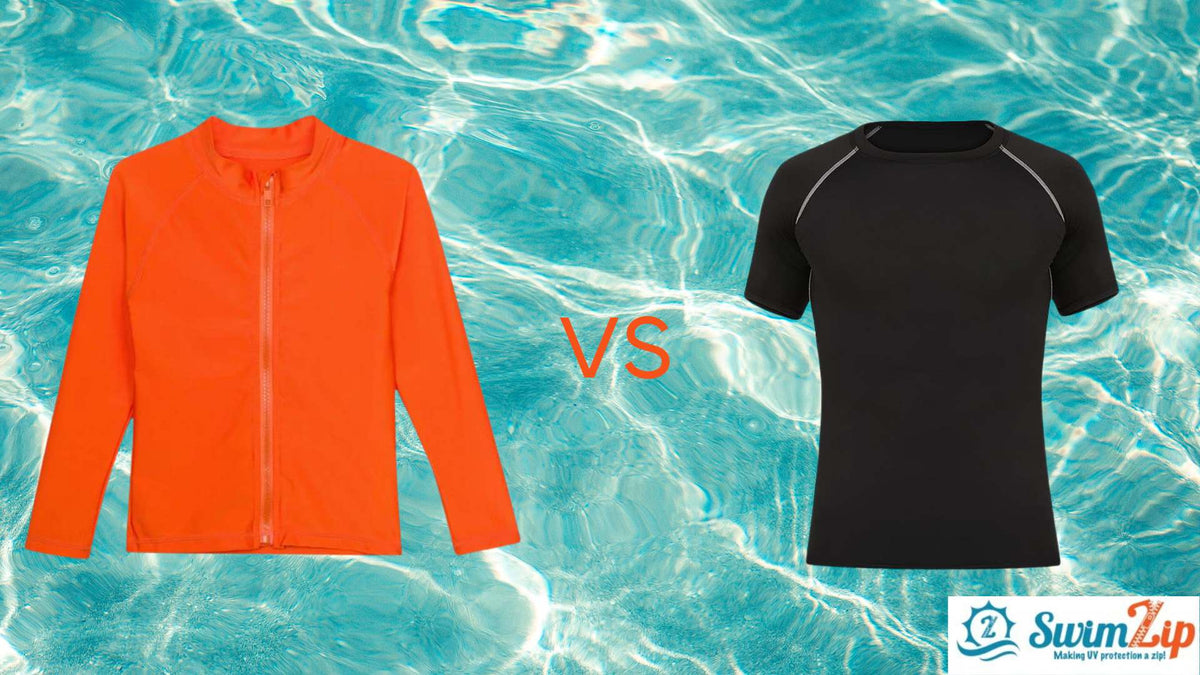
Long Sleeve Vs Short Sleeve
Long sleeve rash guards cover the arms fully. They protect against sunburn and jellyfish stings. These are good for longer swims or sunny days.
Short sleeve rash guards cover only the upper arms. They allow more freedom and keep you cooler. Good for warm water or quick swims.
Compression Fit
Compression rash guards fit tight against the skin. They support muscles and reduce fatigue. The snug fit also helps reduce drag in water.
This type is popular for competitive swimmers. It offers a second-skin feel and better movement.
Loose Fit Options
Loose fit rash guards provide more airflow and comfort. They are easy to put on and take off. This type suits casual swimmers or beachgoers.
Loose rash guards also protect from sun and irritation. They are less restrictive but still effective.
Credit: swimzip.com
Choosing The Right Rash Guard For Swimming
Choosing the right rash guard for swimming means thinking about comfort, protection, and durability. A good rash guard should fit well, protect from the sun, and last through many swims. These points help you pick the best shirt for your needs.
Size And Fit Considerations
A rash guard should fit snugly but not be too tight. It should allow easy movement without feeling loose. Check the size chart before buying. Consider your body shape and how much you want to stretch or move.
Uv Protection Ratings
Look for a rash guard with a high UV protection rating. UPF 50+ is the best choice. It blocks most harmful sun rays. This protects your skin during long swims or time on the beach.
Durability And Care
Choose a rash guard made from strong, quick-dry fabric. This helps it last longer. Follow care instructions carefully. Rinse with fresh water after swimming. Avoid harsh detergents to keep the fabric strong and colors bright.
Rash Guards Vs Traditional Swimwear
Rash guards and traditional swimwear serve different purposes in water activities. Choosing between them depends on comfort, performance, and protection needs. Both types have their own benefits and drawbacks. Understanding these differences helps pick the right gear for swimming.
Comfort Comparison
Rash guards fit snugly on the skin, reducing chafing. They use stretchy materials that move with your body. Traditional swimwear often feels looser and allows more airflow. Some swimmers find rash guards warmer, especially in hot weather. Others prefer the light feel of regular swimwear for freedom.
Performance In Water
Rash guards reduce drag and improve movement in the water. Their tight fit helps swimmers glide smoothly. Traditional swimwear varies in design, with some styles made for speed. Rash guards dry faster, which is helpful after swimming. Swim trunks or briefs might hold water longer and feel heavy.
Protection Differences
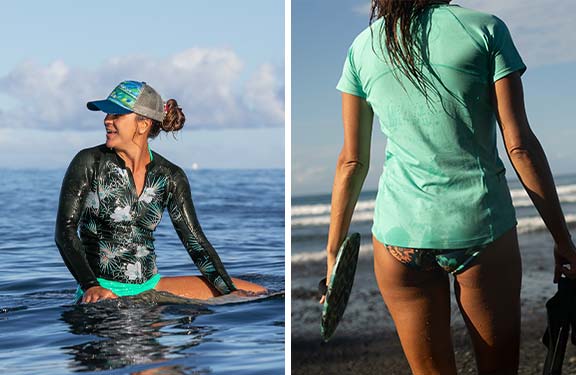
Rash guards protect the skin from sunburn and irritation. They cover more skin area than most swimwear. This helps prevent rashes from sand or surfboards. Traditional swimwear offers less coverage, exposing more skin. They do not protect much against UV rays or scrapes.
Credit: www.titlenine.com
Common Uses Beyond Swimming
Rash guard shirts are not just for swimming. They serve many purposes beyond the pool. Their design offers comfort, protection, and style. Many people use them in different settings.
Rash guards protect skin from sun and irritation. The fabric dries quickly and feels light. These qualities make rash guards perfect for various activities.
Surfing And Water Sports
Rash guards are popular in surfing. They protect against sunburn and board rash. The tight fit stops the shirt from moving in waves. Other water sports like paddleboarding and snorkeling also use rash guards. They keep swimmers safe from jellyfish stings and sharp coral.
Outdoor Activities
People wear rash guards for hiking and running. They offer sun protection and prevent chafing. The shirts are breathable and wick sweat away. This keeps the skin dry and cool. Outdoor workers use them for the same benefits. Rash guards are useful for gardening and fishing too.
Casual Wear
Rash guards have a sporty, modern look. Many wear them as casual tops. They match well with shorts and jeans. Their quick-dry fabric suits hot weather. Rash guards also make great layering pieces. They add a sleek style to everyday outfits.
Maintenance Tips For Rash Guards
Rash guard shirts need proper care to stay in good shape. Following simple maintenance tips keeps them looking new. These tips help protect the fabric and colors. They also keep the shirt comfortable and long-lasting.
Washing Guidelines
Rinse rash guards in cold water after each swim. Use mild detergent to avoid damage. Wash by hand or on a gentle machine cycle. Avoid bleach and fabric softeners. Do not wring or twist the shirt. Air dry in the shade to prevent fading.
Storage Advice
Store rash guards in a cool, dry place. Avoid folding tightly to prevent creases. Use a hanger or lay flat to keep shape. Keep away from direct sunlight and heat. Do not store in damp bags or areas. Proper storage helps maintain fabric strength.
Extending Lifespan
Wear rash guards only for swimming or water sports. Avoid contact with rough surfaces that cause snags. Rinse off chlorine or saltwater quickly. Replace rash guards once fabric feels thin or stretched. Following care steps extends the shirt’s life. Save money by keeping it in top condition.

Credit: www.amazon.com
Frequently Asked Questions
Are Rash Guard Shirts Suitable For Swimming?
Yes, rash guard shirts are designed for swimming. They provide UV protection, reduce chafing, and dry quickly, making them ideal for water activities.
Do Rash Guards Protect Against Sunburn While Swimming?
Rash guards offer excellent sun protection. They block harmful UV rays, reducing the risk of sunburn during prolonged exposure in the water.
Can Rash Guard Shirts Improve Swimming Performance?
Rash guards can enhance comfort and reduce drag slightly. They help swimmers move smoothly by minimizing skin irritation and maintaining body temperature.
Are Rash Guard Shirts Better Than Regular Swimwear?
Rash guards provide additional benefits like UV protection and skin coverage. They are better for sensitive skin and active water sports compared to regular swimwear.
Conclusion
Rash guard shirts protect your skin while swimming. They block harmful sun rays and prevent rashes. The shirts fit snugly, reducing drag in the water. Many swimmers find them comfortable and useful. They also help keep you warm in cooler water.
Choosing the right rash guard can improve your swim experience. Overall, rash guard shirts are a smart choice for swimmers. They offer protection and comfort without extra bulk. Consider adding one to your swim gear today.
