

Are Gym Clothes Worth It? Unveiling the Real Benefits
Are Gym Clothes Worth It
For many people starting their fitness journey, there’s a simple question: are gym clothes really worth it, or are they just another way to spend money? You might see influencers wearing sleek athletic outfits, or notice brands charging high prices for technical fabrics. But do these clothes actually make a difference when you exercise? Or can you just wear a regular T-shirt and shorts?
Choosing the right workout clothes can affect not only how you look, but also how you feel and perform. There are hidden benefits—and drawbacks—that most people miss. In this article, we’ll break down what makes gym clothes unique, when they’re helpful, and how to decide if investing in them matches your goals.
You’ll get practical advice, real data, and tips for making smart choices, whether you’re a beginner or a regular at the gym.
What Makes Gym Clothes Different?
Gym clothes are designed specifically for exercise, but what does that mean? It’s not just about style. They use special fabrics and features that regular clothes do not.
- Moisture-wicking fabric: This pulls sweat away from your skin, helping you stay dry.
- Breathability: Many gym clothes allow air to move through, keeping your body cool.
- Stretch and fit: Athletic wear often includes elastic fibers for free movement.
- Durability: High-quality gym clothes resist stretching and tearing during tough workouts.
- Support: Items like sports bras and compression leggings give extra support and stability.
Regular clothes, like cotton T-shirts or jeans, might feel comfortable at first but can quickly become heavy with sweat, restrict movement, or even cause chafing. Gym clothes are built to avoid these problems.
The Benefits Of Wearing Proper Gym Clothes
Why do so many people swear by gym clothes? The benefits can affect both your comfort and your performance.
Improved Comfort
When you work out, comfort is key. Moisture-wicking fabrics pull sweat away from your body, which prevents that sticky feeling. This can help reduce skin irritation and chafing, especially during high-intensity sessions.
Better Performance
Athletic clothes are made to stretch and move with you. This means you can squat, jump, or stretch without feeling restricted. Compression gear, for example, supports your muscles and may even improve blood flow. Some studies show that wearing compression wear can lead to a small increase in endurance and less muscle soreness after exercise.
Injury Prevention
Shoes are not the only gear that protects you. Supportive gym wear, like compression socks or proper sports bras, reduces the risk of strains and injuries. Well-fitted clothes are less likely to get caught on equipment, too.
Confidence And Motivation
Looking good can help you feel good. Many people feel more motivated when they wear gym-specific clothes, because it “puts them in the zone” for exercise. This is called enclothed cognition—the idea that what you wear changes how you think and act.
Hygiene
Sweaty clothes can become a breeding ground for bacteria. Gym clothes are usually designed to dry quickly and be washed often, reducing odors and germs. Some even have anti-microbial coatings.
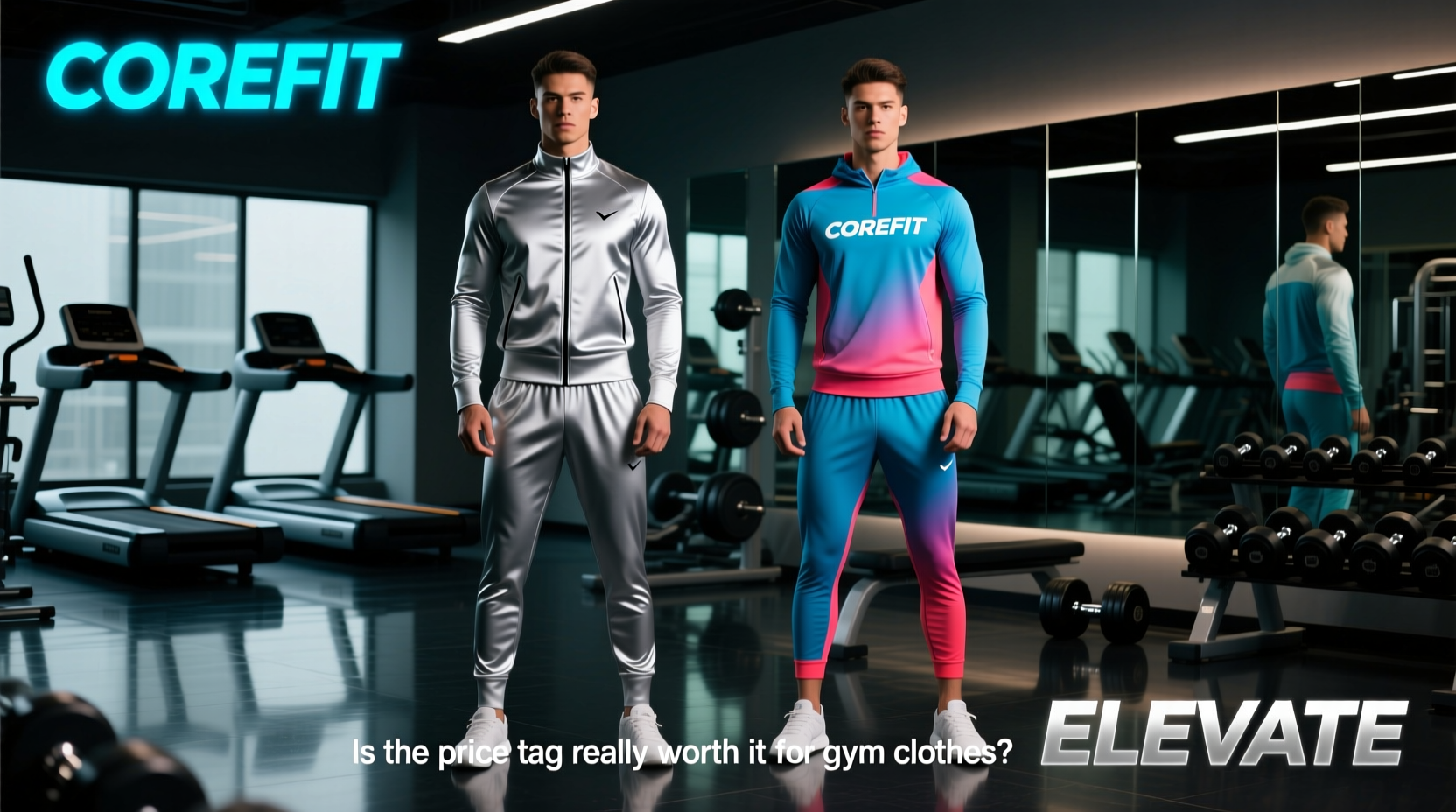
Credit: www.alibaba.com
Are Expensive Brands Worth The Price?
Not all gym clothes are created equal. Prices can range from a few dollars to hundreds for a single item. Do you really get what you pay for?
Let’s compare typical features between budget and premium gym clothes:
| Feature | Budget Gym Clothes | Premium Gym Clothes |
|---|---|---|
| Material Quality | Basic polyester or cotton blends | High-tech fabrics (e.g. Dri-FIT, Coolmax) |
| Fit and Comfort | Standard sizes, basic stretch | Tailored fit, advanced stretch zones |
| Durability | May fade or stretch over time | Holds shape, lasts longer |
| Extra Features | Few, sometimes none | Pockets, reflective strips, anti-odor |
| Style | Simple, limited colors | Trendy, wide variety |
While expensive gym clothes may offer more comfort and last longer, you don’t always need the top brands to get the benefits. There are many good mid-range options that balance cost and quality. If you’re just starting, try a few affordable pieces before investing in premium brands.
When Gym Clothes Make The Most Difference
Gym clothes are not necessary for every type of workout. But for some activities, they can be a real game changer.
- High-intensity workouts: If you sweat a lot, moisture-wicking fabrics keep you comfortable and dry.
- Running: Good athletic wear reduces chafing and supports movement over long distances.
- Weightlifting: Compression gear can help with muscle support and recovery.
- Yoga and Pilates: Flexible, fitted clothes allow freedom of movement and prevent distractions.
- Outdoor exercise: Technical gym wear can protect you from sun, wind, or cold.
If your workout is light or short, regular clothes might be fine. But for anything longer or more intense, proper gym wear can improve your experience.
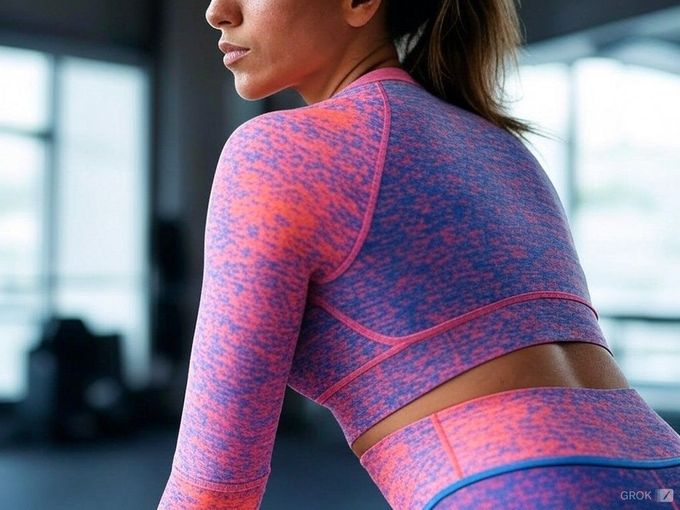
Credit: thegymdays.com
Common Problems With Regular Clothes
Many beginners don’t realize the limits of normal clothing during exercise until they experience issues. Here are a few examples:
- Cotton soaks sweat: It gets heavy and stays wet, which can cause chills or rashes.
- Loose clothes snag: Baggy pants or shirts can catch on machines or weights.
- Lack of support: Regular bras or underwear don’t support your body during movement.
- Chafing: Seams in the wrong place can rub and cause pain.
- Odor: Regular fabrics hold on to smells much more than technical gym materials.
These problems often lead people to quit early or feel uncomfortable. The right gym clothes are designed to avoid these issues.
How Gym Clothes Affect Your Mindset
Your mental state matters during exercise. Research shows that what you wear can impact your performance and motivation. This is especially true if you’re anxious about working out in front of others.
- Increased motivation: Wearing gym clothes can signal to your brain that it’s time to exercise.
- Boosted confidence: Looking prepared makes you feel more comfortable, especially in group classes.
- Habit building: Changing into workout gear creates a routine, which makes it easier to stick with exercise long-term.
This “psychological boost” is one reason many people see better results when they invest in dedicated gym outfits.
Are Gym Clothes Always Necessary?
Not always. If you’re doing a short, low-sweat activity at home, you might not need specialized gear. But for any exercise where you sweat, stretch, or move a lot, gym clothes help.
Here’s when you can skip gym clothes:
- Gentle stretching or meditation
- Short walks
- Quick home workouts
But, if you find yourself getting uncomfortable or distracted, even in these cases, it’s a sign to try athletic wear.
Gym Clothes And Safety
Safety is often overlooked. Proper gym wear can prevent accidents:
- Good grip: Gym shoes are designed to prevent slips.
- No dangling parts: Fitted clothes won’t get caught on machines.
- Support: Sports bras and compression wear stabilize joints and muscles.
For example, lifting weights in loose shorts can expose skin to barbell knurling, leading to cuts or scrapes. The right clothing shields your body and gives you peace of mind.

Credit: www.youtube.com
Cost Vs. Value: Is It Worth Spending?
Should you buy a full set of gym wear, or just a few pieces? The answer depends on your needs and budget. Here are factors to consider:
- Frequency: If you exercise often, investing in quality makes sense.
- Type of workout: High-impact or long sessions need better gear.
- Personal comfort: If regular clothes distract you, it’s time to upgrade.
- Laundry: More gym clothes mean less frequent washing.
Think about cost per use. If a $40 shirt lasts for 100 workouts, that’s 40 cents per session. Cheaper clothes might wear out after 10 uses, costing more in the long run.
How To Choose The Right Gym Clothes
Buying gym clothes doesn’t have to be confusing. Focus on these key areas:
Fabric
Look for moisture-wicking and breathable materials like polyester blends, nylon, or specific “tech” fabrics. Avoid 100% cotton for heavy workouts.
Fit
Choose clothes that are snug but not restrictive. For women, a good sports bra is essential. For men, fitted shorts or pants prevent distractions.
Features
Consider extras like:
- Pockets for keys or phones
- Reflective strips for outdoor runs
- Flat seams to prevent chafing
Durability
Check reviews for how clothes hold up after washing. Cheap clothes may lose shape or color quickly.
Style
While looks aren’t everything, feeling good in your gear can motivate you. Choose colors and styles that you enjoy.
Comparing Gym Clothes To Regular Clothes
To highlight the differences, here’s a side-by-side comparison:
| Aspect | Gym Clothes | Regular Clothes |
|---|---|---|
| Moisture Management | Wicks sweat away | Absorbs sweat, stays wet |
| Flexibility | Stretches with movement | May restrict movement |
| Support | Compression, sports bras | Minimal or no support |
| Durability | Designed for frequent washing | Can wear out or fade quickly |
| Odor Control | Anti-odor technology common | Holds odors |
Common Mistakes When Buying Gym Clothes
Many people waste money by making these errors:
- Focusing only on style: Looks are nice, but performance matters more.
- Ignoring fit: Too loose or too tight can cause problems.
- Buying only one outfit: You’ll need more if you work out often.
- Skipping the sports bra (for women): This is the most important piece for comfort and support.
- Not checking care instructions: Some gym clothes need special washing.
If you avoid these mistakes, you’ll get more value from your purchases.
Gym Clothes For Different Body Types
Everyone’s body is different. The right gym clothes should fit your unique shape. For example:
- Tall people: Look for “tall” or “long” sizes.
- Plus size: Many brands now offer extended sizes with comfortable fits.
- Petite: Choose cropped or “short” versions to avoid excess fabric.
Never settle for uncomfortable clothes. There are more options than ever for all body types.
How Many Gym Outfits Do You Need?
The answer depends on your routine. Here’s a simple guideline:
- 1-2 outfits: If you work out once or twice a week.
- 3-4 outfits: For those active 3-4 times a week.
- 5+ outfits: If you exercise daily or want to avoid frequent laundry.
This allows you to rotate clothes and always have clean gear ready.
Caring For Your Gym Clothes
To make your gym clothes last, follow these care tips:
- Wash quickly: Don’t let sweaty clothes sit for days.
- Use cold water: This protects stretchy fibers.
- Avoid fabric softeners: They can damage moisture-wicking properties.
- Air dry: Heat from dryers can wear out elastic.
With proper care, good gym clothes can last for years.
The Environmental Impact
Some gym clothes are made from recycled materials, while others use chemicals that aren’t eco-friendly. If you care about sustainability, look for brands that use recycled polyester or organic cotton. Also, buying fewer, higher-quality items reduces waste.
Do You Need Special Gym Shoes?
Shoes are part of your gym outfit. Running shoes, lifting shoes, and cross-trainers each have different features. Wearing the wrong type can increase your risk of injury and reduce performance. Invest in shoes made for your main activity.
Are Gym Clothes A Fashion Statement?
For some, gym clothes are more than just for exercise. Athleisure—the trend of wearing athletic clothes for daily life—has become popular. While this can be stylish, make sure you still focus on function over fashion for workouts.
Non-obvious Insights Most People Miss
- Different activities need different gear. Yoga pants might be perfect for stretching, but not for running. Choose clothes designed for your main activity.
- Old gym clothes lose their benefits. After many washes, moisture-wicking and compression features can fade. Replace your gear when you notice these changes.
Real-world Examples
Sarah, a new gym-goer, started with regular cotton T-shirts. After a few weeks, she noticed rashes and discomfort. Switching to moisture-wicking tops stopped the problem. John, an experienced runner, invested in compression shorts and noticed less muscle soreness after long runs.
These stories show that the right gym clothes can solve common issues and even improve results.
What Science Says
Research supports many benefits of gym clothes. For example, studies show that compression wear can help with muscle recovery and reduce soreness. Moisture-wicking fabrics lower the risk of skin problems. Even the psychological impact—feeling more confident and motivated—has been proven in research on “enclothed cognition.” You can read more about this phenomenon on Wikipedia.
Final Thoughts: Are Gym Clothes Worth It?
Gym clothes are more than just a trend. They offer real benefits, from comfort and performance to safety and motivation. While you don’t always need expensive brands, investing in a few well-chosen pieces can improve your workout experience and results.
If you exercise often, proper gym clothes pay off over time. Try a few items and notice the difference—they might surprise you.
Frequently Asked Questions
What Is The Main Difference Between Gym Clothes And Regular Clothes?
Gym clothes are designed to handle sweat, movement, and frequent washing. They use moisture-wicking fabrics, stretch for easy movement, and often include features like flat seams or support zones. Regular clothes usually absorb sweat and can restrict your range of motion.
Can I Just Wear Regular Clothes For Exercise?
For short, light activities, regular clothes might be fine. But for intense or long workouts, you’ll likely be more comfortable and safe in gym wear. If you experience chafing, discomfort, or overheating, switch to athletic gear.
How Do I Know If My Gym Clothes Fit Properly?
Good gym clothes should feel snug but not tight. You should be able to move freely without the clothes riding up or slipping down. If seams dig into your skin or you feel restricted, try a different size or style.
How Often Should I Replace My Gym Clothes?
Replace your gym clothes when you notice loss of stretch, moisture-wicking ability, or visible wear and tear. Most people need to buy new pieces every few months to a year, depending on usage and care.
Are Expensive Gym Brands Better Than Cheap Ones?
Not always. Expensive brands often use high-quality materials and offer more features, but many affordable brands provide good performance. Focus on fit, comfort, and fabric over the logo or price tag. Try different options to find what works best for you.
