

Are Gym Clothes Synthetic? The Truth About Workout Fabrics
Are Gym Clothes Synthetic?
When you walk into any gym, you’ll notice the bright colors, sleek designs, and stretchy fabrics of modern workout clothes. But have you ever stopped to wonder, are gym clothes synthetic? This simple question opens up a world of fabric science, design choices, and even environmental impact.
Many people choose their workout gear based on comfort or style, but understanding what these clothes are made of can help you make better decisions for your health, your performance, and the planet.
Let’s explore why so many gym clothes are made from synthetic materials, what that means for you, and what alternatives exist if you want something different. We’ll also look at how these fabrics perform, their pros and cons, and what the future holds for gym wear.
What Does “synthetic” Mean In Gym Clothes?
When we say synthetic fabrics, we’re talking about materials made from man-made fibers. These fibers are not found naturally in nature. Instead, they are usually created from chemicals, often derived from petroleum. The most common synthetic fibers in gym clothes are polyester, nylon, and spandex (also called Lycra or elastane).
Natural fibers, like cotton or wool, come from plants or animals. Synthetic fibers, on the other hand, are made in factories. By changing the chemicals and the way the fibers are spun, manufacturers can make fabrics that have special qualities like stretchiness, water-resistance, or light weight.
Why Are Synthetic Fabrics Popular In Gym Clothes?
Synthetic gym clothes have taken over most sports stores for some very good reasons. Here’s why:
- Moisture-wicking: Synthetic fabrics pull sweat away from your skin and help it evaporate. This keeps you dry and cool during workouts.
- Stretch and flexibility: Spandex and other synthetics stretch much more than natural fibers. This means you can move freely, whether you’re lifting weights, running, or doing yoga.
- Durability: Synthetics are strong and often last longer than natural fabrics, even after many washes.
- Lightweight: Many synthetic gym clothes feel light and airy, which is great for intense exercise.
- Quick-drying: After a sweaty workout, synthetic fabrics dry quickly, so you don’t stay wet or cold.
These qualities are hard to find in natural fibers alone. That’s why many gym clothes use a blend of different synthetics or mix them with natural fibers.
Common Synthetic Fabrics In Gym Clothes
Here are the main types of synthetic materials you’ll find in gym wear:
Polyester
Polyester is the king of gym fabrics. It’s strong, lightweight, and resists shrinking and wrinkles. It doesn’t soak up water, which helps sweat evaporate quickly.
Nylon
Nylon is another favorite for activewear. It’s smooth, very stretchy, and even stronger than polyester. Nylon gym clothes often feel soft against the skin.
Spandex (elastane Or Lycra)
Spandex is famous for its stretch. Even a small amount in a fabric blend makes clothes much more flexible. This is why leggings, compression shirts, and sports bras almost always contain spandex.
Polypropylene
Polypropylene is used for clothes that need to be very water-resistant. It doesn’t absorb water at all, so it’s used in base layers and some running gear.
Microfiber
Microfiber refers to super-fine synthetic threads. They make fabrics that are soft, light, and wick away moisture very well.
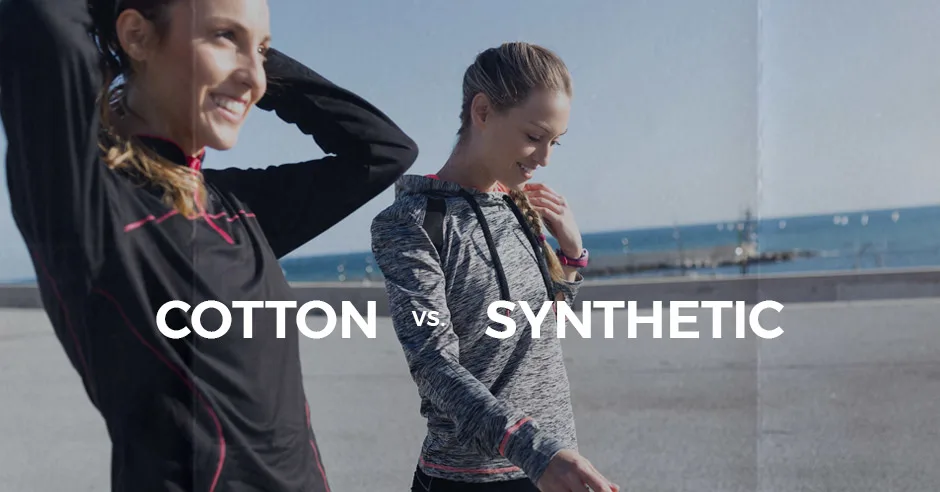
How Do Synthetic And Natural Fabrics Compare?
To understand why gym clothes are often synthetic, it helps to compare them with natural fabrics.
| Feature | Synthetic Fabrics | Natural Fabrics |
|---|---|---|
| Moisture Control | Excellent (moisture-wicking) | Poor to moderate (absorb sweat) |
| Stretch | High (especially with spandex) | Low to moderate |
| Durability | Very durable | Can wear out faster |
| Comfort | Good, but can feel artificial | Soft, breathable, natural feel |
| Odor Resistance | Can hold odor | More odor-resistant (like wool) |
| Drying Time | Fast | Slow |
From this, you can see why many brands choose synthetics for gym clothes. But natural fabrics have their own strengths, such as comfort and being less prone to holding odors.
Are There Natural Gym Clothes?
While most gym clothes are synthetic or blends, there are options made from natural fibers. The most common natural fabrics in gym wear are cotton, bamboo, and wool.
Cotton
Cotton is soft and breathable but absorbs sweat. This can leave you feeling wet and heavy during tough workouts. However, some brands blend cotton with synthetics to get the best of both worlds.
Bamboo
Bamboo fabric is made from bamboo plants. It’s naturally soft, breathable, and has some moisture-wicking ability. Bamboo is also known for being eco-friendly, but the process to turn bamboo into fabric can sometimes use chemicals.
Wool
Wool, especially merino wool, is great at controlling temperature and doesn’t hold odor. It’s also surprisingly good at wicking moisture. Wool gym clothes are popular for outdoor sports or colder climates.
Blended Fabrics: The Best Of Both Worlds
Many gym clothes are not 100% synthetic. Brands often mix synthetic and natural fibers to combine their advantages.
For example:
- A polyester-cotton blend feels soft like cotton but dries faster.
- Nylon-spandex blends make leggings that are both strong and stretchy.
- Merino wool with nylon creates comfortable socks that last longer.
Blends are popular because they can be tailored for specific sports or activities.
How Synthetic Fabrics Affect Performance
Let’s look at how synthetics help you in real workouts:
Moisture Management
When you sweat, synthetic fabrics move the moisture from your skin to the outer surface, where it evaporates. This keeps you dry and helps your body control temperature. Natural fibers like cotton soak up sweat, which can make clothes heavy and uncomfortable.
Stretch And Fit
Synthetics like spandex give gym clothes the ability to stretch and snap back into shape. This means clothes fit snugly, don’t sag, and allow for a wide range of motion. This is especially important for yoga, running, or weight training.
Durability
Gym clothes get a lot of wear and tear. Synthetics resist pilling, tearing, and shrinking. They stand up to repeated washing, which is important because gym clothes need frequent cleaning.
Weight And Bulk
Synthetic fabrics can be made very thin and light, which helps you move freely and doesn’t weigh you down. Natural fibers can sometimes be heavier for the same level of coverage.
Downsides Of Synthetic Gym Clothes
While synthetics have many benefits, there are some downsides to consider:
- Odor retention: Synthetics tend to trap sweat and bacteria, leading to stubborn smells even after washing. Natural fibers like wool fight odor better.
- Comfort: Some people find synthetic fabrics itchy or less comfortable, especially if they have sensitive skin.
- Environmental impact: Most synthetic fibers are made from petroleum. They also shed microplastics when washed, which can pollute water.
- Heat sensitivity: Synthetics can melt or lose shape at high temperatures, so you need to be careful with hot washes or dryers.

Credit: interprofitness.com
Environmental Impact Of Synthetic Gym Clothes
One of the most important topics today is how our choices affect the planet. Most synthetic gym clothes are made from non-renewable resources like oil. Their production uses a lot of energy and can create pollution.
Another big problem is microplastics. When you wash synthetic clothes, tiny plastic fibers break off and enter the water system. These microplastics can end up in rivers, oceans, and even in the food chain.
Some brands are working on solutions, such as using recycled polyester made from old plastic bottles. Others are looking at new ways to make biodegradable or less-polluting fabrics.
How To Care For Synthetic Gym Clothes
To get the most out of your synthetic gym clothes and reduce their environmental impact, here are some tips:
- Wash in cold water: Hot water can damage synthetic fibers and make them release more microplastics.
- Avoid fabric softeners: These can coat the fibers and reduce moisture-wicking ability.
- Air-dry when possible: High heat from dryers can damage synthetics and make them lose shape.
- Use a microplastic filter bag or filter: Special laundry bags or filters can catch microfibers before they enter the water system.
- Don’t over-wash: Only wash when truly needed to save water and energy and make your clothes last longer.

Credit: www.sportcasuals.com
How To Choose The Right Gym Clothes
When shopping for gym wear, synthetic fabrics will likely be your main option, but it’s important to choose wisely. Here’s what to consider:
Fit And Comfort
Your clothes should allow full movement without being too tight or too loose. Try on different styles and sizes to find what works for your body.
Purpose
Think about your main activity:
- For running, look for light, sweat-wicking tops and shorts.
- For yoga or Pilates, choose stretchy leggings and fitted tops.
- For weight training, opt for breathable fabrics that allow full range of motion.
Odor Control
If you sweat a lot or want to avoid odors, look for clothes with antimicrobial treatments or blends with wool.
Durability
Check seams, stitching, and fabric weight. Higher-quality synthetics last longer, even if they cost more upfront.
Sustainability
If you care about the environment, look for brands using recycled materials or innovative eco-friendly fabrics.
Examples Of Popular Gym Clothes And Their Fabrics
Let’s look at some common gym wear and what they’re usually made of:
| Item | Common Fabrics | Features |
|---|---|---|
| Leggings | Nylon, Spandex | High stretch, support, sweat-wicking |
| T-shirts | Polyester, Polyester blends | Breathable, quick-dry |
| Sports Bras | Polyester, Spandex | Support, elasticity |
| Shorts | Polyester, Nylon | Lightweight, moisture control |
| Socks | Polyester, Nylon, Merino wool blends | Comfort, odor control |
| Jackets | Polyester, Nylon | Wind and water resistance |
Innovations In Synthetic Gym Clothes
New technologies are changing the world of gym wear. Here are a few exciting developments:
Recycled Synthetics
Some brands now use recycled polyester, often made from old plastic bottles. This reduces the demand for new petroleum and helps keep plastic out of landfills.
Antimicrobial Treatments
To fight odor, many synthetics are treated with antimicrobial agents. These kill bacteria and keep clothes smelling fresh longer.
Smart Fabrics
Researchers are developing smart fabrics that can track your heart rate, body temperature, or even change color as you sweat. These are still new, but they point to the future of gym clothes.
Biodegradable Synthetics
Some companies are working on synthetic fibers that break down naturally over time. This could help solve the problem of microplastics.
Common Myths About Synthetic Gym Clothes
Let’s clear up a few misunderstandings:
1. “all Synthetic Gym Clothes Are Bad For You.”
Not true. While some people react to certain fabrics, most synthetics are safe and comfortable for the majority.
2. “natural Fabrics Are Always Better.”
Not always. Cotton can feel great but gets heavy with sweat. Synthetics often perform better for hard workouts.
3. “synthetics Never Smell If You Wash Them Well.”
Synthetics can trap bacteria and odor, even with regular washing. Specialized detergents or antimicrobial treatments can help.
How To Tell If Your Gym Clothes Are Synthetic
It’s easy to check what your workout clothes are made of. Look at the care label inside your shirt, pants, or shorts. It will list the percentages of each fabric, such as “90% polyester, 10% spandex.” If you see polyester, nylon, spandex, elastane, or acrylic, your clothes are synthetic or have synthetic blends.
If the label lists only cotton, wool, or bamboo, you’re wearing natural fibers. Some labels say “moisture-wicking” or “quick-dry,” which almost always means synthetic materials are used.
When To Choose Synthetic, Natural, Or Blended Gym Clothes
There’s no one-size-fits-all answer. Here’s some guidance:
- Choose synthetics for high-intensity workouts, running, or sports where sweat management and stretch are key.
- Try natural fibers like cotton for gentle yoga, walking, or everyday wear if you prefer a softer feel.
- Use blended fabrics if you want a balance of performance and comfort.
Credit: www.issaonline.com
Non-obvious Insights For Choosing Gym Clothes
Most beginners miss these important details:
- Fabric finish matters: Not all polyester or nylon fabrics are alike. Some are brushed for softness, some are smooth for compression, and others are mesh for ventilation. The finish can change how the fabric feels and performs.
- Stitching and seams make a difference: Look for flatlock seams or seamless construction. Bulky or raised seams in synthetic gym wear can cause skin irritation during movement.
- Color and prints can affect durability: Dark or deeply printed synthetics sometimes fade or show wear faster than lighter colors. If you want your gear to look new longer, lighter shades and simple designs may hold up better.
The Future Of Synthetic Gym Clothes
As technology and environmental awareness grow, the world of gym wear is changing. New types of recycled fibers, biodegradable synthetics, and even plant-based alternatives are appearing. Some brands are making clothes from algae, mushrooms, or other renewable resources.
Still, synthetics will likely remain popular because of their unbeatable performance. The key is finding ways to make them better for people and the planet.
If you want to dive deeper into fabric science, you can read more on the Wikipedia synthetic fiber page.
Frequently Asked Questions
What Are The Main Synthetic Materials Used In Gym Clothes?
The most common synthetic materials are polyester, nylon, and spandex. These are used because they wick moisture, stretch well, and are durable. Sometimes, you’ll also find polypropylene or other synthetic blends.
Are Natural Fiber Gym Clothes Good For Exercise?
Natural fibers like cotton and wool can be comfortable, but they don’t manage sweat as well as synthetics. Cotton gets heavy when wet, but wool (especially merino) is good for regulating temperature and controlling odor.
Do Synthetic Gym Clothes Cause Skin Problems?
Most people can wear synthetic gym clothes without issues. However, some may experience skin irritation or allergies, especially if the fabric is rough or if sweat and bacteria build up. Choosing clothes with smooth seams and washing them often can help.
How Can I Reduce The Environmental Impact Of Synthetic Gym Wear?
Look for brands using recycled materials or buy clothes designed to last longer. Wash in cold water, use a microplastic filter, and air-dry when you can. This reduces plastic pollution and energy use.
Can I Find Gym Clothes That Are Both Eco-friendly And High Performance?
Yes, many brands now offer gym clothes made from recycled polyester, bamboo blends, or other innovative materials. These often perform as well as regular synthetics and are better for the environment.
The world of gym clothes is full of choices. Understanding what they’re made of—and how those materials impact your workout and the planet—helps you make smarter decisions. Whether you pick synthetic, natural, or blended fabrics, the most important thing is that your gym clothes support your goals, your comfort, and your values.
