

Are Gym Clothes Supposed to Be Tight? What You Need to Know
Are Gym Clothes Supposed To Be Tight
Choosing the right gym clothes can feel confusing, especially when you see some people in very tight outfits and others in loose, relaxed clothing. You might wonder, are gym clothes supposed to be tight? This question is more important than many people think. The fit of your activewear can affect your comfort, performance, and even your safety while exercising. Some fitness enthusiasts swear by skin-hugging outfits, while others prefer more room to move. So, how tight should your gym clothes really be? Let’s break down the myths, science, and practical tips behind this decision, so you can make the best choice for your workouts.
Why Fit Matters In Gym Clothes
The fit of your gym clothes is not just about looking good. It plays a key role in how you feel, how you move, and how you perform during exercise. Clothes that are too tight can restrict movement, cause chafing, and even affect your circulation.
On the other hand, very loose clothes might get in the way, catch on equipment, or make it harder to see your body’s alignment.
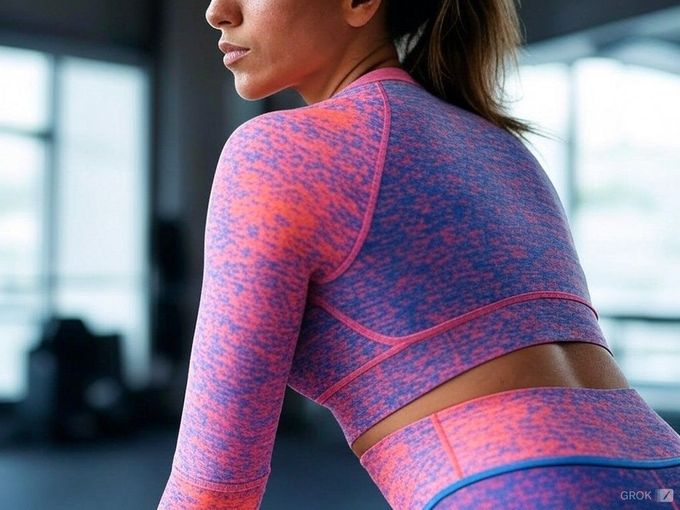
Properly fitted gym clothes help you move freely, manage sweat, and reduce the risk of injury. For example, runners often choose snug leggings to avoid friction, while weightlifters prefer fitted shirts to see their muscle engagement. But “tight” does not mean uncomfortable. The goal is a supportive, body-hugging fit that still lets you breathe and move.
The Science Behind Tight Gym Clothes
Compression And Performance
Compression clothing has become popular in the fitness world. These garments are designed to fit snugly and apply gentle pressure to your muscles. Studies suggest that compression wear can help with blood flow, muscle support, and even recovery after intense workouts. For example, research shows that compression leggings can reduce muscle vibration, which may lower soreness after exercise.
However, not all tight gym clothes are true compression gear. Some brands use the term “compression” for any tight item, but real compression wear is made with special materials and tested for specific pressure levels.
Sweat Management And Temperature Control
Tight gym clothes often use moisture-wicking fabrics that pull sweat away from your body. This helps you stay dry and comfortable during intense workouts. Because these fabrics stay close to your skin, they can quickly absorb and evaporate sweat, unlike loose cotton shirts that can stay wet and heavy.
Additionally, snug clothes can help keep your body temperature stable. In colder environments, they trap warmth. In hot environments, they let sweat evaporate faster, which cools your body.

Credit: everestkitchennc.com
When Should Gym Clothes Be Tight?
You don’t need tight clothing for every workout. The right fit depends on your activity, body type, and comfort level.
1. Running Or Cycling
Snug leggings and tops prevent chafing and reduce drag. Loose clothing can flap in the wind, cause discomfort, or get caught on equipment.
2. Yoga And Pilates
Fitted clothes make it easier to see your body’s alignment. Instructors can check your posture, and you can move from pose to pose without adjusting your shirt or pants.
3. Weightlifting And Functional Training
Tight shirts and shorts let you watch your muscles. This helps you control your movements and avoid injury. Baggy clothes can hide poor form.
4. High-intensity Interval Training (hiit)
Activities with jumping or fast movement benefit from snug gear that stays in place. Loose clothes might ride up or distract you.
5. Swimming
Swimsuits are designed to be tight to reduce drag and improve speed in the water.
When Should Gym Clothes Be Loose?
Some workouts are better with a looser fit, especially if freedom of movement or breathability is your priority.
1. Walking Or Light Cardio
A relaxed t-shirt or shorts can keep you comfortable, especially in warm weather.
2. Dance Or Aerobics
Some dancers prefer loose pants or tops for style and mobility.
3. Martial Arts Or Boxing
Loose shorts or pants let you kick and move easily, while still allowing airflow.
4. Cool Down Or Stretching
After a workout, you may want to change into something loose for comfort.
How Tight Is Too Tight?
Finding the “just right” fit is essential. Clothes that are too tight can cause:
- Restricted breathing
- Numbness or tingling
- Marks or redness on your skin
- Skin irritation or chafing
- Limited range of motion
- Discomfort during exercise
If you notice these problems, your gym wear is probably too tight. You should be able to move, breathe, and stretch without pain or marks. Activewear should feel like a supportive layer, not a compression bandage.
Comparing Tight Vs. Loose Gym Clothes
Here’s a quick comparison to help you see the main differences:
| Feature | Tight Gym Clothes | Loose Gym Clothes |
|---|---|---|
| Movement | Body-hugging, supports muscles | More airflow, freedom for larger movements |
| Sweat Management | Better moisture-wicking | Can absorb sweat, sometimes stays wet |
| Safety | Unlikely to get caught in machines | May catch on equipment if too loose |
| Comfort | Supportive if not too tight | Relaxed, good for low-impact workouts |
| Style | Shows body shape | Hides body shape |
Key Materials Used In Gym Clothes
The fabric of your gym clothes affects both fit and performance. Here are some common materials and how they behave:
1. Polyester
Durable, lightweight, and quick-drying. Often used for both tight and loose activewear.
2. Spandex (elastane/lycra)
Provides stretch and a close fit. Essential in leggings, yoga pants, and compression tops.
3. Nylon
Smooth, strong, and moisture-wicking. Used in both fitted and loose gym clothes.
4. Cotton
Soft but absorbs sweat. Better for loose clothing and low-intensity workouts.
5. Bamboo Or Modal
Eco-friendly, breathable, and soft. Used in relaxed or moderately tight wear.
The right material should stretch with your body, breathe well, and return to its shape after washing.
How To Choose The Right Fit For Your Body Type
Every body is different. What feels tight on one person may feel perfect on another. Here’s how to choose wisely:
- Check Size Charts: Brands vary. Always use their guide instead of guessing your size.
- Try Movements: Raise your arms, squat, or twist when trying gym clothes. If the fabric pulls, pinches, or slips, try another size or style.
- Look for Stretch: Fabrics with spandex or elastane offer more give and a comfortable tightness.
- Notice Seams: Flat seams or seamless designs reduce chafing, even in tight clothes.
- Trust Your Comfort: If you feel self-conscious or restricted, choose a looser fit.
Common Mistakes People Make When Choosing Gym Clothes
It’s easy to pick the wrong fit if you’re new to fitness clothing. Here are some mistakes to avoid:
1. Believing Tighter Is Always Better
Some think tighter means more support, but overly tight clothes can hurt performance and health.
2. Ignoring Activity Needs
A runner’s outfit is different from a powerlifter’s or a yogi’s. Choose based on your sport.
3. Choosing Style Over Function
Trendy, tight clothes may not always suit your workout or body type.
4. Forgetting About Layers
If you add a hoodie or jacket, make sure your base layer isn’t too tight.
5. Not Adjusting For Sweat
Tight cotton shirts can trap sweat and cause discomfort. Look for technical fabrics.
6. Not Moving In The Store
Always test movements in the fitting room. Don’t just stand still.
7. Ignoring Sizing Changes
Your size can change with body composition. Don’t stick to an old size if it feels wrong.
Pros And Cons Of Tight Gym Clothes
Let’s look at the advantages and disadvantages:
Pros
- Muscle Support: Compression can help with muscle recovery and reduce soreness.
- Reduced Chafing: Less fabric movement means less irritation.
- Better Moisture Control: Most tight activewear uses sweat-wicking materials.
- Improved Performance: Easier to watch your form and posture.
- Safer for Machines: Less likely to get caught in equipment.
Cons
- Can Restrict Movement: If too tight, you may feel limited.
- Possible Circulation Problems: Overly snug clothes can cause tingling or numbness.
- Body Confidence Issues: Some people feel exposed in tight clothes.
- May Show Sweat Marks: Lighter colors and tight fits can reveal sweat.
Pros And Cons Of Loose Gym Clothes
Pros
- Comfortable: More airflow, less pressure on the body.
- Easy to Layer: Great for warm-ups or cool-downs.
- Good for Low-Impact Exercise: Perfect for walking, stretching, or gentle yoga.
- Less Body-Conscious: Hides curves and body lines if you prefer.
Cons
- More Chafing Risk: Extra fabric can rub against skin.
- Gets in the Way: Can snag on equipment or distract you.
- Poor Sweat Management: May stay wet and heavy.
- Hides Posture: Harder to see your alignment during exercises.
How To Test If Your Gym Clothes Fit Properly
Trying on gym clothes is not like trying on jeans. Here’s a simple test:
- Squat Down: The waistband and crotch should stay in place. If it digs in or pulls, it’s too tight.
- Raise Your Arms: Sleeves and torso should not ride up too much.
- Jump or Jog in Place: The clothing should not shift, roll, or bunch.
- Bend and Stretch: Make sure there’s no see-through effect, especially with leggings.
- Check the Waistband: It should stay put without squeezing or rolling down.
- Look at Seams: Red marks mean it’s too tight.
If your clothes pass all these steps, you likely have a good fit.
Credit: thegymdays.com
How Gym Clothes Affect Confidence And Motivation
The way your gym clothes fit also affects how you feel about working out. Some people feel more confident and motivated in fitted, supportive clothing because it highlights progress and muscle tone. Others feel better in loose clothing that doesn’t reveal their body shape.
There’s no right or wrong answer here. The best gym outfit is the one that makes you want to move and keeps you coming back.
How Fit Affects Different Types Of Workouts
Let’s see how the fit of gym clothes works across popular activities:
| Workout Type | Best Fit | Why |
|---|---|---|
| Yoga/Pilates | Snug but stretchy | Allows full movement, instructors can check alignment |
| Running | Tight leggings, fitted tops | Reduces chafing, wicks sweat, prevents drag |
| Weightlifting | Fitted shirts, shorts or leggings | Easy to check muscle engagement and form |
| Group Fitness | Medium fit | Comfortable, stays in place during movement |
| Martial Arts | Loose pants, fitted top | Freedom for kicks, top stays put |
| Swimming | Very tight suit | Reduces water resistance |
| Walking | Loose shorts, relaxed t-shirt | Maximum comfort, good airflow |
Special Considerations For Men And Women
For Women
- Sports bras should fit snugly for support, but not so tight that you can’t breathe or move freely.
- Leggings should not be see-through when stretched. The waistband should stay up without folding or pinching.
- Tops can be fitted or loose, but for yoga or high-intensity workouts, fitted is better.
For Men
- Compression shorts or briefs can reduce chafing during running.
- Fitted tanks or shirts help monitor form in weightlifting.
- Loose shorts are good for basketball or martial arts, but avoid overly baggy styles that might catch on equipment.
Practical Tips For Buying Gym Clothes
- Always Try Before Buying: Sizing varies between brands, so test movement in the store.
- Check Return Policies: Some brands let you work out once before returning.
- Don’t Rely Only on Size Labels: Focus on how the clothes feel and move.
- Invest in Quality: Cheaper clothes might lose stretch and become too loose or tight after a few washes.
- Replace Worn Items: If seams stretch, fabric thins, or fit changes, it’s time to replace.
- Ask for Staff Help: Store employees can guide you on fit and fabric.
- Read Reviews: Other buyers often mention if items run small or large.
- Consider Your Activity: Buy specifically for your sport or class if possible.

Credit: www.nytimes.com
Non-obvious Insights Most Beginners Miss
Many beginners do not realize that tight gym clothes can also help with body awareness. Feeling the fabric against your muscles during a squat or push-up gives you instant feedback about your posture and movement. This makes it easier to correct mistakes and avoid injury.
Another overlooked detail is that the same person might need different fits for different workouts. For example, you might love tight leggings for running but prefer loose pants for stretching or martial arts. Building a versatile gym wardrobe helps you feel comfortable and perform your best in every situation.
Hygiene And Tight Gym Clothes
Wearing tight gym clothes means sweat and bacteria can build up quickly. It’s important to:
- Wash clothes after every use.
- Choose anti-microbial fabrics if you sweat heavily.
- Avoid wearing gym clothes for long periods after working out.
- Let your skin breathe between workouts.
This keeps you healthy and your gym gear smelling fresh.
How Fashion Trends Influence Gym Clothes
Trends can shape our views on gym wear. In some eras, baggy pants were popular, while now, athleisure and fitted styles are common. But following trends shouldn’t come before comfort or safety. Choose what works for your body and your workouts.
Are There Risks To Wearing Tight Gym Clothes?
If your gym clothes are too tight, there are some risks:
- Skin Infections: Sweat trapped in tight clothes can lead to rashes or fungal infections.
- Circulation Issues: Very tight bands can slow blood flow.
- Nerve Problems: Compression on nerves can cause tingling or numbness.
- Digestive Problems: Tight waistbands may press on your stomach.
Most of these risks come from wearing clothes that are *too* tight or not made for exercise. Properly fitted, high-quality gym wear rarely causes problems.
What If You’re In Between Sizes?
If you’re between sizes, it’s usually better to size up. You can always adjust with a drawstring or look for styles with more stretch. Remember, gym clothes should feel supportive, not suffocating.
The Bottom Line: Should Gym Clothes Be Tight?
There’s no one-size-fits-all answer. Gym clothes should fit close enough to support your activity, wick sweat, and allow movement, but not so tight that they hurt, restrict, or distract you. Test different styles for each type of workout, and pay attention to comfort as much as appearance. Your best gym clothes are the ones you barely notice while exercising.
For deeper insights into fitness clothing science and advice, you can read more on the Activewear Wikipedia page.
Frequently Asked Questions
Are Tight Gym Clothes Better For Weight Loss?
Tight gym clothes do not increase fat burning or weight loss. They may help you sweat more, but this is only water weight and not true fat loss. Focus on exercise and diet for real results.
Can Tight Gym Clothes Cause Health Problems?
If gym clothes are too tight, they can cause circulation issues, skin irritation, or infections. Always choose clothes that let you move and breathe comfortably.
How Do I Know If My Leggings Are Too Tight?
If your leggings leave deep marks, limit your movement, or feel uncomfortable during squats, they are too tight. You should feel supported but not squeezed.
Is It Okay To Wear Loose Gym Clothes For Intense Workouts?
Loose gym clothes can be comfortable but may get in the way during high-intensity workouts. Choose styles that stay in place and do not catch on equipment.
What Should I Look For In The Fabric Of Gym Clothes?
Look for moisture-wicking, stretchy materials like polyester blends or spandex. These fabrics manage sweat and let you move freely, whether the fit is tight or relaxed.
Choosing the right gym clothes can make your workouts more enjoyable and effective. Focus on what feels good, supports your activity, and helps you stay consistent with your fitness goals.
