

Are Gym Clothes Really Necessary for Your Workout Success?
Are Gym Clothes Really Necessary? What Science And Experience Reveal
When you walk into a gym, you see people wearing all kinds of gym clothes—from tight leggings and performance shirts to old T-shirts and even jeans. Some wear expensive brands, while others stick to whatever is comfortable. This scene raises an important question: Are gym clothes really necessary? Do they help you get better results, or are they just a trend?
Many people, especially those new to fitness, wonder if special gym clothes make a difference. Some worry about spending money on outfits. Others are unsure about what counts as “proper” gym wear. This article explores the real importance of gym clothes.
You’ll learn about their effects on performance, comfort, safety, hygiene, and confidence. We’ll compare different materials, discuss what science says, and clear up myths. By the end, you’ll know exactly what matters when choosing what to wear for exercise.
What Are Gym Clothes?
Gym clothes are clothing designed for exercise, sports, or physical activity. They include items like T-shirts, shorts, leggings, sports bras, tank tops, and tracksuits. Most gym clothes are made from materials that help manage sweat, stretch with your movements, and support your body.
Common Types Of Gym Clothes
- Tops: T-shirts, tank tops, sports bras
- Bottoms: Shorts, leggings, joggers
- Footwear: Running shoes, cross-trainers, weightlifting shoes
- Accessories: Headbands, wristbands, gloves
The main goal of gym clothes is to help you move freely and stay comfortable while working out.
Why People Wear Gym Clothes
People choose gym clothes for many reasons, not just style. Here’s what matters most:
- Comfort: Soft, stretchy fabrics reduce chafing and let your body move naturally.
- Safety: Proper shoes and fitted clothing can prevent injuries.
- Performance: Some clothes support muscles and help with sweat.
- Hygiene: Gym clothes often dry quickly and reduce odor.
- Confidence: Wearing the right gear can boost motivation.
While style and brand are important to some, the main reasons are practical.
The Science Behind Gym Clothes
Are special gym clothes just a marketing trick, or do they really work? Scientific research gives us some clear answers.
Sweat Management
When you exercise, your body produces sweat to cool you down. Moisture-wicking fabrics like polyester and nylon pull sweat away from your skin. This helps you stay dry, which is important for comfort and to avoid rashes.
A study found that athletes wearing moisture-wicking materials reported less skin irritation and felt more comfortable during long workouts. Cotton, while soft, holds moisture and can become heavy and sticky.
Temperature Regulation
Breathable gym clothes help control your body temperature. Mesh panels and lightweight materials allow air to flow, keeping you cooler in hot environments. In cold gyms, layered gym clothes keep you warm but let you remove layers as you heat up.
Support And Compression
Compression clothing (like tight shorts or shirts) can help reduce muscle soreness after workouts. Some studies show that compression gear improves blood flow and muscle recovery. However, the effects are small for most casual exercisers.
Safety And Injury Prevention
Wearing proper gym shoes can reduce the risk of ankle sprains and falls. Clothes that fit well prevent tripping or getting caught in machines. Sports bras protect women from discomfort and long-term tissue damage during high-impact exercise.
Gym Clothes Vs. Regular Clothes
Is there a real difference between gym clothes and regular clothes when exercising? Let’s compare them in a simple way.
| Feature | Gym Clothes | Regular Clothes |
|---|---|---|
| Sweat Management | Wicks moisture, dries fast | Absorbs sweat, stays wet |
| Stretch | High stretch, moves with body | Limited stretch, restricts movement |
| Odor Control | Often treated to reduce odor | Holds odor longer |
| Durability | Designed for repeated use | Wears out faster with exercise |
| Safety | Fewer loose parts, more support | Can catch, slip, or offer poor support |
Wearing regular clothes for exercise is possible, but it’s usually less comfortable and may increase the risk of injury or skin problems.
Material Matters: Choosing The Right Fabric
The material of your gym clothes affects almost everything: how you feel, how you perform, and how long the clothes last.
Popular Fabrics And Their Features
| Fabric | Best For | Drawbacks |
|---|---|---|
| Polyester | Moisture-wicking, durability | May retain odor |
| Nylon | Stretch, breathability | Can pill over time |
| Cotton | Softness, low intensity activity | Holds sweat, dries slowly |
| Spandex (Lycra) | Stretch, compression gear | May lose elasticity with heat |
| Merino Wool | Odor control, temperature balance | Expensive, delicate care |
Polyester and nylon are the most common for gym clothes. They combine durability and sweat control. Cotton feels soft but is best for light exercise or yoga.
Blends And Technologies
Many gym clothes use fabric blends, like polyester with spandex, to mix benefits. Some brands add anti-odor treatments or UV protection. These features can be helpful, but the basics—fit and comfort—matter most.
How Gym Clothes Impact Performance
Can what you wear actually improve your workout? For most people, the right clothes help in small but important ways.
Movement And Flexibility
Stretchy fabrics let you move freely. This matters for exercises like squats, lunges, or yoga poses. Tight jeans or stiff pants can limit your range of motion, making some moves difficult or risky.
Temperature And Endurance
When your clothes keep you cool and dry, you can exercise longer without feeling uncomfortable. Overheating or irritation from sweat can end a workout early.
Psychological Effect
Wearing gym clothes can signal to your brain that it’s time to focus on exercise. This is sometimes called “enclothed cognition.” People who dress for the gym often feel more motivated and confident, which can lead to better performance. Even beginners notice they feel more “ready” in workout gear.
Safety And Recovery
Supportive shoes and compression gear can reduce injury risk and help with muscle recovery. For example, running shoes with good cushioning protect your knees and ankles.
Hygiene And Health: A Hidden Benefit
One overlooked advantage of gym clothes is hygiene.
Sweat And Bacteria
Gyms are full of sweat and germs. Clothes that dry quickly and pull moisture away from your skin help prevent rashes, fungal infections, and body odor. Some gym clothes include antibacterial treatments for extra protection.
Washing And Care
Gym clothes are made to be washed often. They dry faster and keep their shape better than regular clothes. Wearing regular clothes to the gym can wear them out and make them smell bad over time.
Skin Health
Loose or rough clothing can cause chafing or blisters. Well-fitted gym clothes reduce friction and protect your skin, especially during long workouts.
Confidence And Motivation: The Mental Edge
There’s a reason many people feel more confident in gym clothes.
Looking Good, Feeling Good
When you like how you look, you’re often more willing to push yourself. This boost in self-esteem is real—studies show that people who wear athletic gear report higher motivation and better mood during workouts.
Creating A Routine
Putting on gym clothes can become a ritual that signals “it’s workout time. ” This small habit helps you stick to your fitness plan, even on days when motivation is low.
Social Comfort
In group classes or busy gyms, wearing similar clothes to others can help you feel like you belong. This sense of community can make you more likely to return and enjoy your workouts.
When Gym Clothes May Not Be Necessary
Not every situation requires special gym clothes. Here are times when regular clothes might be fine:
- Light exercise at home: Walking, stretching, or gentle yoga
- Short outdoor walks: Weather permitting
- Low-intensity activities: Gardening, casual sports
For these activities, comfort matters more than technical features. However, for anything with a lot of sweat or movement, gym clothes are still better.
Common Myths About Gym Clothes
Let’s clear up some misunderstandings.
- “You must buy expensive brands.”
- Reality: Many affordable brands offer good quality. Focus on fit and fabric, not the logo.
- “Cotton is always bad.”
- Reality: Cotton can work for short, low-sweat workouts. It’s not great for heavy exercise.
- “Tight clothes make you lose weight.”
- Reality: Tight clothes may increase sweat, but they don’t burn more fat.
- “Any shoes will work for the gym.”
- Reality: Proper gym shoes support your feet and reduce injury risk.
- “Gym clothes are just a trend.”
- Reality: They offer real benefits for comfort, safety, and performance.
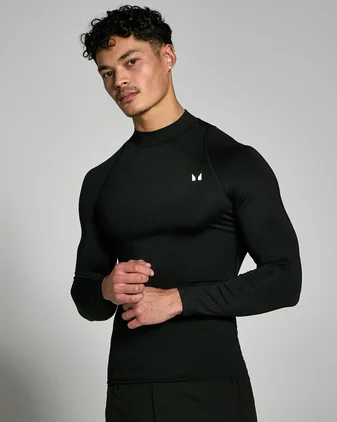
Credit: www.mp.com
How To Choose Gym Clothes That Work For You
Picking the right gym clothes doesn’t need to be complicated. Here are steps to help you decide:
1. Think About Your Activity
High-impact sports (running, HIIT) need more support and sweat control. Yoga or stretching requires flexibility and comfort.
2. Choose The Right Fit
Clothes should be snug but not tight. You should be able to move easily. Avoid clothes that are too loose—these can get caught in equipment.
3. Pay Attention To Material
Pick moisture-wicking fabrics for sweaty workouts. For cold weather, layer with a base shirt and a lightweight jacket.
4. Don’t Ignore Footwear
Shoes are the most important piece for safety. Buy shoes designed for your activity—running shoes for running, cross-trainers for mixed gym classes.
5. Try Before You Buy
Move around in the dressing room. Do a squat or stretch to check for comfort. If buying online, check return policies.
6. Watch For These Mistakes
- Choosing style over function
- Ignoring fit and comfort
- Wearing worn-out shoes
- Not changing sweaty clothes after exercise
Real-world Examples: Gym Clothes In Action
Many athletes and fitness lovers share stories about how gym clothes changed their routines.
- Maria, a new runner, switched from cotton shirts to moisture-wicking tops and noticed she could run longer without discomfort.
- John, who started weightlifting, found that athletic shorts with stretch made squats safer and easier.
- Lena, a yoga fan, moved from loose pants to fitted leggings and avoided slips during poses.
Even experienced gym users sometimes overlook the importance of changing shoes for different workouts—cross-training shoes work better for gym classes, while running shoes are best for running.

Credit: www.menshealth.com
Sustainability And Gym Clothes
More people care about the environment, including in their fitness choices.
Eco-friendly Options
Some brands now use recycled polyester or organic cotton. These materials reduce environmental impact but offer similar performance to traditional fabrics.
Washing And Microplastics
Synthetic gym clothes can shed tiny fibers during washing. Using a gentle cycle and washing less often helps reduce this problem. You can also use laundry bags designed to catch microplastics.
Buy Less, Choose Well
Instead of buying many outfits, invest in a few good pieces that last longer. High-quality gym clothes may cost more but save money and waste over time.
The Social Side Of Gym Clothes
How you dress affects how you’re treated in the gym.
Gym Etiquette
Most gyms have simple rules: wear closed shoes, avoid jeans, and don’t go shirtless. This protects both you and the equipment.
Fitting In
Some people feel pressure to wear the latest styles. Remember, comfort and safety matter more. Many gym communities are friendly, no matter what you wear, as long as you respect the space.
Representation And Inclusion
Modern gym clothes are more inclusive, with options for all body types, genders, and abilities. Look for brands that fit your needs, not just the most popular ones.
Gym Clothes For Special Needs
Certain groups benefit even more from proper gym wear.
Women
A good sports bra is essential for support. High-waisted leggings can add comfort and coverage.
Plus-size Athletes
Choose clothes with stretch and a wide waistband for support. Many brands now offer plus-size ranges.
People With Disabilities
Look for adaptive gym clothes with easy closures, extra grip, or seamless designs to prevent irritation.
Older Adults
Focus on easy-to-put-on clothes, slip-resistant shoes, and layers for temperature control.
Gym Clothes And Different Workouts
Not all gym clothes work for every activity. Here’s a quick overview:
| Workout | Best Clothes | Key Features |
|---|---|---|
| Running | Moisture-wicking tops, shorts/leggings, running shoes | Sweat control, support |
| Yoga/Pilates | Stretchy leggings, fitted top | Flexibility, comfort |
| Weightlifting | Compression shorts, T-shirt, lifting shoes | Stability, range of motion |
| HIIT/Cardio | Breathable shirt, shorts, cross-trainers | Moisture-wicking, grip |
| Group Classes | Flexible outfit, supportive bra/shoes | Comfort, movement |

Credit: interprofitness.com
Expert Opinions
Many fitness coaches and physical therapists recommend gym clothes for both beginners and advanced athletes. They point out that the right gear helps prevent injuries and makes workouts more enjoyable.
One expert tip: If you’re new, start simple. Buy a few basics, like a moisture-wicking shirt, stretch shorts, and supportive shoes. Add items as you discover what you need.
How To Care For Your Gym Clothes
Taking care of gym clothes helps them last longer.
- Wash soon after use to avoid odor and bacteria.
- Turn clothes inside out before washing to protect prints and colors.
- Use cold water to keep fabrics stretchy.
- Avoid fabric softeners, which can block moisture-wicking fibers.
- Air dry when possible to prevent shrinking.
Good care means you won’t need to replace clothes as often.
Are Gym Clothes Worth It?
After all the facts, here’s the answer: Yes, gym clothes are worth it for most people who exercise regularly. They offer clear benefits for comfort, performance, hygiene, and motivation. While you don’t need to buy expensive brands or every new style, investing in a few well-chosen pieces can make your workouts safer and more enjoyable.
Beginners sometimes overlook how much the right clothes matter. But once you try proper gym gear, the difference is obvious—not just in how you feel, but also in how easily you stick to your routine. Remember, the best gym clothes are those that help you move, sweat, and feel your best.
If you want a deeper dive into the science of fitness apparel, check out this sportswear overview.
Frequently Asked Questions
Do I Have To Buy Expensive Gym Clothes To Get Good Results?
No, you do not need expensive gym clothes. Focus on fit, comfort, and sweat control. Many affordable brands offer these features. Expensive clothes may have extra details but are not required for most people.
Can I Wear Regular Clothes To The Gym?
You can, but it’s not always comfortable or safe. Regular clothes may restrict movement, hold sweat, and wear out quickly. For short or light workouts, they are okay. For more intense activities, gym clothes are better.
How Often Should I Wash My Gym Clothes?
Wash gym clothes after every use, especially if you sweat a lot. This helps prevent bacteria and odor. If you do a very light workout, you might wear them twice, but washing is best for hygiene.
What Should I Look For In Gym Shoes?
Choose gym shoes made for your activity. Look for good support, grip, and a comfortable fit. Avoid old or worn-out shoes—these can cause injuries.
Are There Eco-friendly Gym Clothes?
Yes, many brands now offer eco-friendly gym clothes. Look for materials like recycled polyester or organic cotton. These clothes are better for the environment and still perform well.
