

Are Dress Shorts Business Casual? Style Tips for Modern Offices
Are Dress Shorts Business Casual
When summer arrives, many professionals look for ways to stay cool while still dressing appropriately for work. One common question is whether dress shorts can be considered business casual. This topic sparks debate, as the idea of wearing shorts in a professional setting seems unusual to some and perfectly reasonable to others, especially in warmer climates or creative industries. Understanding what counts as business casual, and where dress shorts fit in, can help you make smart wardrobe choices that balance comfort and professionalism.
What Is Business Casual?
The term business casual is popular in offices, but its meaning changes depending on the company, region, and industry. Generally, business casual means dressing neatly and professionally without the strict requirements of full business attire, like suits and ties. Typical business casual outfits include:
- Dress pants or chinos
- Collared shirts like polos or button-downs
- Blouses or knit tops
- Modest skirts or dresses
- Closed-toe shoes
Business casual is not the same as casual wear. Jeans, athletic wear, and flip-flops usually do not fit. The goal is to look put-together but comfortable. But the question remains: can dress shorts fit this standard?
The Rise Of Dress Shorts In Workplaces
As office dress codes relax, more companies are accepting dress shorts as part of business casual, especially during warm weather or for certain roles. Dress shorts are not typical athletic shorts or beachwear. They are tailored, often made from suit-quality fabric, and designed to look professional. Some reasons why dress shorts are gaining popularity include:
- Climate: Offices in hot climates (like Miami or Los Angeles) allow shorts for comfort.
- Industry: Creative fields (design, media, tech) tend to have relaxed dress codes.
- Remote work: More people working from home means more flexibility in clothing.
- Modern style: Younger professionals often seek more fashion-forward options.
However, not all workplaces are open to dress shorts. Some industries, like finance or law, stick to traditional dress codes.
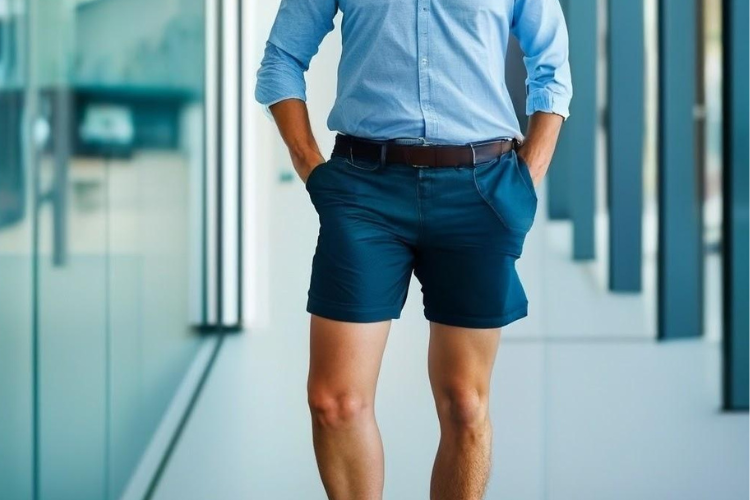
Credit: www.future-you.com.au
How Dress Shorts Differ From Casual Shorts
Dress shorts stand out from casual shorts in several ways. Knowing the differences is key if you want to wear shorts to work. Here’s a comparison:
| Feature | Dress Shorts | Casual Shorts |
|---|---|---|
| Fabric | Wool, cotton blends, linen | Denim, athletic materials, cargo |
| Fit | Tailored, structured | Loose, relaxed |
| Length | Mid-thigh to just above knee | Varies (often shorter or longer) |
| Details | Pressed, minimal pockets, belt loops | Extra pockets, drawstrings, prints |
| Color | Neutral or muted tones | Bright, bold, patterned |
Dress shorts are made to look more formal. They often have clean lines, no loud prints, and quality fabrics. Casual shorts, on the other hand, are made for leisure and rarely fit business casual standards.
Dress Shorts As Business Casual: Pros And Cons
It’s important to weigh the benefits and drawbacks before deciding to wear dress shorts at work.
Pros
- Comfort: Dress shorts keep you cool in hot weather, reducing discomfort and improving focus.
- Style: They offer a modern, trendy look that can stand out in creative environments.
- Versatility: Dress shorts pair well with blazers, button-downs, and dress shoes.
- Gender-neutral: Both men and women can wear dress shorts as part of a business casual wardrobe.
Cons
- Perception: Some colleagues may see shorts as unprofessional, regardless of style.
- Dress code: Many workplaces still prohibit shorts, even if they look formal.
- Limited use: Dress shorts are often only accepted in summer or during special events.
- Fit challenges: It can be hard to find shorts that fit well and look polished.
A non-obvious insight: Even when allowed, wearing dress shorts can make you stand out in meetings or presentations, which might not always be positive if you want to blend in or show authority.
When Are Dress Shorts Acceptable?
The acceptability of dress shorts depends on several factors. Before wearing them to work, consider:
Company Dress Code
Always check your company’s official policy. Some organizations clearly state what is allowed. If shorts are not mentioned, ask HR or observe what others wear.
Industry Standards
Creative industries are usually more relaxed. Tech, advertising, and design firms often allow dress shorts. However, traditional fields like banking, law, and consulting rarely permit them.
Location
In warmer regions, shorts are more common. Offices in tropical or coastal cities may have “summer Fridays” or events where shorts are fine. In colder areas, shorts may never be considered business casual.
Occasions
Shorts may be allowed for casual office days, company picnics, or team-building events. They are rarely accepted for client meetings or formal presentations.
How To Style Dress Shorts For Business Casual
Wearing dress shorts in a business casual setting requires careful styling. Here are practical tips:
- Choose the right length: Aim for shorts that end just above the knee. Too short looks informal; too long looks sloppy.
- Pick quality fabrics: Wool, cotton blends, or linen work best. Avoid denim or athletic material.
- Stick to neutral colors: Black, navy, gray, beige, or olive are ideal. Avoid bright prints.
- Pair with smart tops: Wear a tucked-in button-down, polo, or structured blouse.
- Add a blazer: A lightweight blazer or cardigan adds formality.
- Select dress shoes: Loafers, oxfords, or closed-toe flats complement dress shorts. Avoid sneakers or sandals.
- Use a belt: A slim leather belt gives a polished finish.
- Keep accessories minimal: Simple watches or jewelry are best.
A practical tip: When in doubt, dress shorts with a blazer and crisp shirt look more professional than shorts with a T-shirt.
Examples Of Dress Shorts Outfits
Let’s look at some real-life outfit combinations for men and women that use dress shorts in a business casual way.
Men
- Navy dress shorts + white button-down + brown loafers + slim belt
- Gray wool shorts + light blue polo + blazer + black dress shoes
- Beige tailored shorts + striped shirt + navy cardigan + leather watch
Women
- Black dress shorts + silk blouse + nude flats + structured tote
- Olive shorts + white blazer + simple earrings + low heels
- Charcoal shorts + pastel knit top + classic pumps + minimal necklace
These outfits show how dress shorts can fit into a business casual wardrobe with the right styling.
Common Mistakes To Avoid
Even with the best intentions, it’s easy to make mistakes when wearing dress shorts at work. Here are some pitfalls:
- Too casual: Shorts made from denim, cargo styles, or athletic materials are never business casual.
- Wrong length: Shorts that are too short or too long look unprofessional.
- Bold prints: Loud patterns or bright colors are distracting and not office-friendly.
- Poor fit: Baggy or tight shorts undermine your polished look.
- Wrong shoes: Avoid sneakers, sandals, or flip-flops.
- Ignoring dress code: Wearing shorts when your company forbids them can lead to disciplinary action.
- Skipping grooming: Wrinkled shorts or untucked shirts look messy.
A non-obvious insight: Many people forget to check their socks. Visible athletic socks with dress shorts ruin the business casual effect. Choose no-show or dress socks.
Dress Shorts Vs. Other Business Casual Bottoms
How do dress shorts compare to other business casual options? Here’s a look:
| Bottom | Formality | Season | Comfort |
|---|---|---|---|
| Dress Shorts | Low to Medium | Summer | High |
| Chinos | Medium | All | Medium |
| Dress Pants | High | All | Medium |
| Skirts | Medium to High | All | Medium |
| Jeans | Low | All | High |
Dress shorts are most comfortable in summer, but not as formal as dress pants or skirts. Chinos are a safer option year-round.
Dress Shorts In Different Industries
Different industries view dress shorts in various ways. Here’s a breakdown:
Creative Fields
Creative companies, such as marketing or graphic design, are more open to dress shorts. They value individuality and comfort. Employees are likely to experiment with modern styles.
Tech Companies
Tech firms are famous for relaxed dress codes. Shorts, jeans, and T-shirts are often allowed, but for client meetings or interviews, employees may be expected to dress up.
Corporate Offices
In traditional corporate settings, like finance or law, dress shorts are rarely accepted. The culture emphasizes formality and consistency. Even business casual means dress pants and collared shirts.
Hospitality And Retail
Hospitality and retail jobs sometimes allow dress shorts, especially for outdoor events or summer promotions. However, uniforms are usually standard.

Credit: www.reddit.com
How To Ask About Dress Shorts
If you want to wear dress shorts but aren’t sure if they’re allowed, here’s how to approach the subject:
- Check the dress code: Read your employee handbook or dress policy.
- Observe others: Notice what colleagues wear, especially in summer.
- Ask HR: Direct questions to human resources for clarity.
- Suggest a trial: If shorts are not mentioned, propose a “summer casual” period to test the idea.
- Be respectful: Don’t challenge authority or ignore rules.
A practical tip: Frame your question as “Are tailored shorts considered business casual?” instead of simply “Can I wear shorts?” This highlights the difference between dress and casual shorts.
Dress Shorts And Gender Differences
Dress codes often affect men and women differently. For example, skirts and dresses are business casual for women, while men usually stick to pants. Dress shorts are more commonly accepted for women, especially in fashion-forward offices. For men, shorts may still be seen as less professional, even if tailored.
Some companies are moving toward gender-neutral dress codes, focusing on neatness and professionalism instead of specific garments. This change benefits all employees, but cultural expectations still play a role.
Dress Shorts: Global Perspectives
Acceptance of dress shorts in business settings varies worldwide. In some countries, like Australia or parts of Europe, shorts are common in offices during summer. In Asia, business attire is often more conservative, and shorts are rarely seen. US offices are mixed, depending on region and industry.
A non-obvious insight: In countries with strict dress codes, even tailored shorts may be seen as disrespectful. Always consider cultural norms when traveling or working abroad.
Data And Trends On Business Casual Shorts
Recent surveys show changing attitudes toward shorts in professional settings. According to a Society for Human Resource Management survey, about 22% of US companies allow shorts as part of business casual during summer months. Acceptance is higher in creative and tech industries.
Statistics also show that younger workers (under 35) are more likely to wear shorts to the office. In contrast, senior employees and managers stick to traditional attire. This generational divide is shifting dress code policies as companies aim to attract talent.
Here’s a data snapshot:
| Industry | % Allowing Dress Shorts | Notes |
|---|---|---|
| Creative | 45% | Often allowed in summer |
| Tech | 38% | Depends on company |
| Corporate | 12% | Rare, mostly for events |
| Hospitality | 30% | Outdoor or event-based |
The numbers reveal that dress shorts are not the norm, but their presence is growing.
Practical Guidance: Should You Wear Dress Shorts?
If you’re considering dress shorts for business casual, ask yourself:
- Is it allowed? Always follow your company’s rules.
- Will it fit the culture? Some offices are more open than others.
- Is it appropriate for the day’s tasks? If you have a meeting or presentation, consider traditional attire.
- Does it suit your personal style? If you feel confident, you’ll project professionalism.
A key tip: If you’re unsure, start with business casual pants or skirts. Dress shorts can be introduced gradually, once you see others wearing them or after confirming with HR.
Alternatives To Dress Shorts
If dress shorts are not allowed but you want to stay cool, consider:
- Lightweight chinos: Cotton or linen chinos are breathable and formal.
- Cropped pants: Ankle-length trousers offer style and comfort.
- Skirts: Knee-length skirts are business casual for women.
- Capris: For women, capris are often accepted in summer.
- Short-sleeve shirts: These keep you cool without breaking dress codes.
Alternatives can help you balance comfort and professionalism without risking a dress code violation.
Dress Shorts For Remote Work
Remote work has changed business casual standards. At home, many people wear shorts, sweatpants, or even pajamas. However, video calls and online meetings still require a professional appearance. If you’re working remotely:
- Wear dress shorts with a smart top for video calls.
- Avoid casual shorts if you might stand up or move during meetings.
- Focus on neatness and grooming.
A practical insight: Some remote workers keep a blazer or dress shirt nearby to quickly change for unexpected video calls.
Sustainability And Dress Shorts
Sustainable fashion is a growing trend. Dress shorts made from organic cotton, recycled materials, or eco-friendly fabrics are now available. Choosing sustainable options shows you care about the environment and can be a conversation starter in progressive workplaces.
A practical tip: Look for brands with transparent sourcing and ethical production. Sustainable dress shorts cost more but last longer and feel better.

Credit: kurzawa.net.pl
Real-world Examples: Companies Allowing Dress Shorts
Some well-known companies have relaxed dress codes and allow dress shorts. For example:
- Google: Known for a flexible dress code, especially in summer.
- Advertising agencies: Many creative firms allow shorts for non-client days.
- Startups: Tech startups value comfort and individuality.
However, even in these companies, shorts are not allowed for every occasion. Client meetings, interviews, and formal events usually require traditional business casual.
For more on dress code trends, see the Society for Human Resource Management.
Frequently Asked Questions
Can Men Wear Dress Shorts As Business Casual?
Yes, men can wear dress shorts as business casual if their workplace allows it. The shorts must be tailored, made from quality fabric, and paired with smart tops and shoes. It’s less common for men than women, but becoming more accepted in creative and tech fields.
What Length Should Dress Shorts Be For Business Casual?
Dress shorts should end just above the knee. Shorts that are too short look informal, while longer shorts can appear sloppy. Aim for a length that covers most of the thigh but does not reach below the knee.
Are Dress Shorts Allowed In Formal Business Settings?
Generally, dress shorts are not accepted in formal business environments like law firms or financial institutions. They are more common in creative industries and companies with relaxed dress codes.
How Can I Tell If My Company Allows Dress Shorts?
Check your company’s employee handbook or dress code policy. If shorts are not mentioned, ask human resources or observe what colleagues wear, especially in summer. Always follow official guidelines.
Are Dress Shorts Appropriate For Client Meetings?
Dress shorts are rarely appropriate for client meetings. For important presentations or meetings, stick to traditional business casual attire like pants, skirts, or dresses. Shorts are best saved for internal office days or special events.
Business casual is evolving, but dress shorts are still a gray area. It’s essential to balance comfort, professionalism, and company culture. With careful styling and respect for dress codes, you can enjoy the benefits of dress shorts without risking your reputation.
