

Another Name for Yoga Pants: Trendy Alternatives You’ll Love
Yoga pants have become a wardrobe staple for people around the world. They are not just for yoga classes anymore—people wear them for running, lounging, traveling, or even going out for coffee. But if you walk into a sportswear store or browse online, you might notice that these comfortable, stretchy pants often go by many other names.
Understanding the different terms can help you find exactly what you want, whether you’re shopping for fitness, comfort, or style.
This guide will explore all the popular and lesser-known names for yoga pants, what makes each style unique, and how you can choose the right one for your needs. We’ll also look at how these pants have evolved, key features to consider, and tips for getting the best fit.
Whether you’re a fitness enthusiast, a casual wearer, or just curious about activewear trends, this article will give you a complete picture.
Why Yoga Pants Have So Many Names
Yoga pants were originally designed for yoga practice, but they quickly became popular for many different activities. As brands and designers created new styles, they used different names to highlight specific features, cuts, or uses. Some names are based on fashion trends, while others focus on function or material.
This variety can be confusing, but it also means more choices for everyone.
Common Alternative Names For Yoga Pants
You’ll often see yoga pants sold under several other names. Each term can reflect a slightly different cut, fabric, or intended use. Here are some of the most common alternatives:
1. Leggings
Leggings are the broadest term used for tight-fitting, stretchy pants that cover the legs. Most yoga pants are a type of leggings, but not all leggings are suitable for yoga. Leggings can be made from cotton, polyester, spandex, or blends. They might be designed for fashion or for athletic use. What sets yoga leggings apart is their focus on flexibility and moisture-wicking materials.
2. Tights
Tights are often used to describe very close-fitting legwear. They can be footed or footless. In sportswear, “tights” usually refer to pants designed for running, training, or dance. Tights tend to have a thinner material compared to traditional yoga pants, but the terms sometimes overlap, especially in athletic contexts.
3. Activewear Pants
Activewear pants is a general term for pants meant for sports, exercise, or movement. Yoga pants fall under this category, but so do joggers, track pants, and compression pants. When brands use “activewear pants,” they usually mean versatile, comfortable, and functional bottoms that work for many types of activity.
4. Athleisure Pants
Athleisure pants are designed for both athletic use and casual wear. The term “athleisure” blends “athletic” and “leisure.” Many yoga pants are marketed as athleisure because you can wear them to the gym or for running errands. These pants often have stylish details, such as mesh panels, pockets, or trendy prints.
5. Compression Pants
Compression pants are made from high-stretch fabrics that gently squeeze the muscles. This can help with blood flow and muscle recovery during and after exercise. Some yoga pants have compression features, but not all do. Compression pants are especially popular for running and high-intensity workouts.
6. Stretch Pants
Stretch pants is a catch-all term for any pants made from stretchy material. This includes yoga pants, but also fashion leggings, jeggings, and other styles. If you see “stretch pants” on a label, check the details to make sure they are suitable for your activity.
7. Workout Pants
Workout pants is a simple way to say “pants you wear to exercise.” Yoga pants, running tights, and even loose-fitting track pants can fall under this name. Yoga pants are often marketed as workout pants because they are comfortable, flexible, and easy to move in.
8. Fitness Pants
Fitness pants is similar to workout pants but often used for pants that are a bit more fitted. Brands may use this term to appeal to people looking for general exercise clothing, not just yoga.
9. Dance Pants
Dance pants are designed for flexibility and movement, much like yoga pants. Many dance pants look almost identical to yoga pants, with stretchy material and a comfortable waistband. The difference is often in the styling or the intended dance activity.
10. Base Layer Pants
Base layer pants are meant to be worn under other clothing as the first layer, especially in cold weather. Some base layer pants use the same stretchy materials as yoga pants, making them suitable for layering under ski pants or hiking gear.
11. Lounge Pants (when Styled Like Leggings)
Lounge pants can refer to many styles, but some brands use the term for yoga-style leggings meant for relaxing at home. These tend to have softer, thicker materials and may not have the moisture-wicking features of true yoga pants.
12. Pilates Pants
Pilates pants are almost the same as yoga pants but marketed for Pilates classes. The difference is usually in the branding, not the actual construction. Both need to offer stretch, breathability, and comfort for low-impact exercise.
13. Studio Pants
Studio pants is a term used by some athletic brands to describe pants for studio-based activities like yoga, barre, or dance. These pants usually have a flattering fit and are made from performance fabrics.
14. Capri Pants (capri Leggings)
Capri pants or capri leggings refer to pants that end below the knee and above the ankle. Many yoga pants come in a capri length, which is great for warmer weather or more active workouts.
15. Bootcut Pants
Bootcut pants have a slight flare at the bottom, unlike the traditional tight-fitting yoga legging. This style was one of the original yoga pant designs and is still popular for both workouts and casual wear.
16. Flare Pants
Flare pants take the bootcut style even further, with a wider opening at the bottom. Flare yoga pants are making a comeback in fashion circles, blending vintage style with modern comfort.
17. Jeggings
Jeggings are leggings styled to look like jeans. Some jeggings use the same stretchy material as yoga pants, making them comfortable for movement, but they are usually designed more for fashion than for exercise.
18. Slim Pants
Slim pants or slim-fit pants are cut close to the body but may not have as much stretch as yoga pants. Some brands offer slim-fit active pants that work for yoga, Pilates, or gym workouts.
19. Training Pants
Training pants can refer to any pants meant for sports training. Some are loose-fitting, while others are tight like yoga pants. If you see “training pants,” check the cut and fabric to make sure they fit your needs.
20. Performance Pants
Performance pants is a marketing term for pants designed to enhance your athletic performance. This often means moisture-wicking fabrics, flat seams, and a stretchy fit—just like yoga pants.
:max_bytes(150000):strip_icc()/yogapants-011a9d9dd2ed47eaaa57bb4f51626415.jpg)
Credit: www.byrdie.com
How Yoga Pants Differ From Their Alternatives
Although many of these terms overlap, there are some key differences. Understanding these differences will help you pick the right style:
| Name | Fit | Material | Primary Use |
|---|---|---|---|
| Yoga Pants | Snug or relaxed | Stretch fabric, moisture-wicking | Yoga, exercise, casual |
| Leggings | Snug | Varies (cotton, spandex, polyester) | Fashion, casual, exercise |
| Compression Pants | Very tight | High-stretch, compressive | Running, training |
| Bootcut Pants | Fitted, flared at ankle | Stretch fabric | Yoga, casual |
| Capri Leggings | Snug, cropped | Stretch fabric | Exercise, warm weather |
One non-obvious insight: the term leggings is often used for both athletic and fashion wear, but not all leggings are made to handle sweat or intense movement. Always check the label for moisture-wicking and stretch properties if you plan to use them for exercise.
Another important detail: compression pants may look like yoga pants, but their tightness can restrict some yoga poses if they are not designed with enough flexibility.
Key Features To Look For In Yoga Pants And Their Alternatives
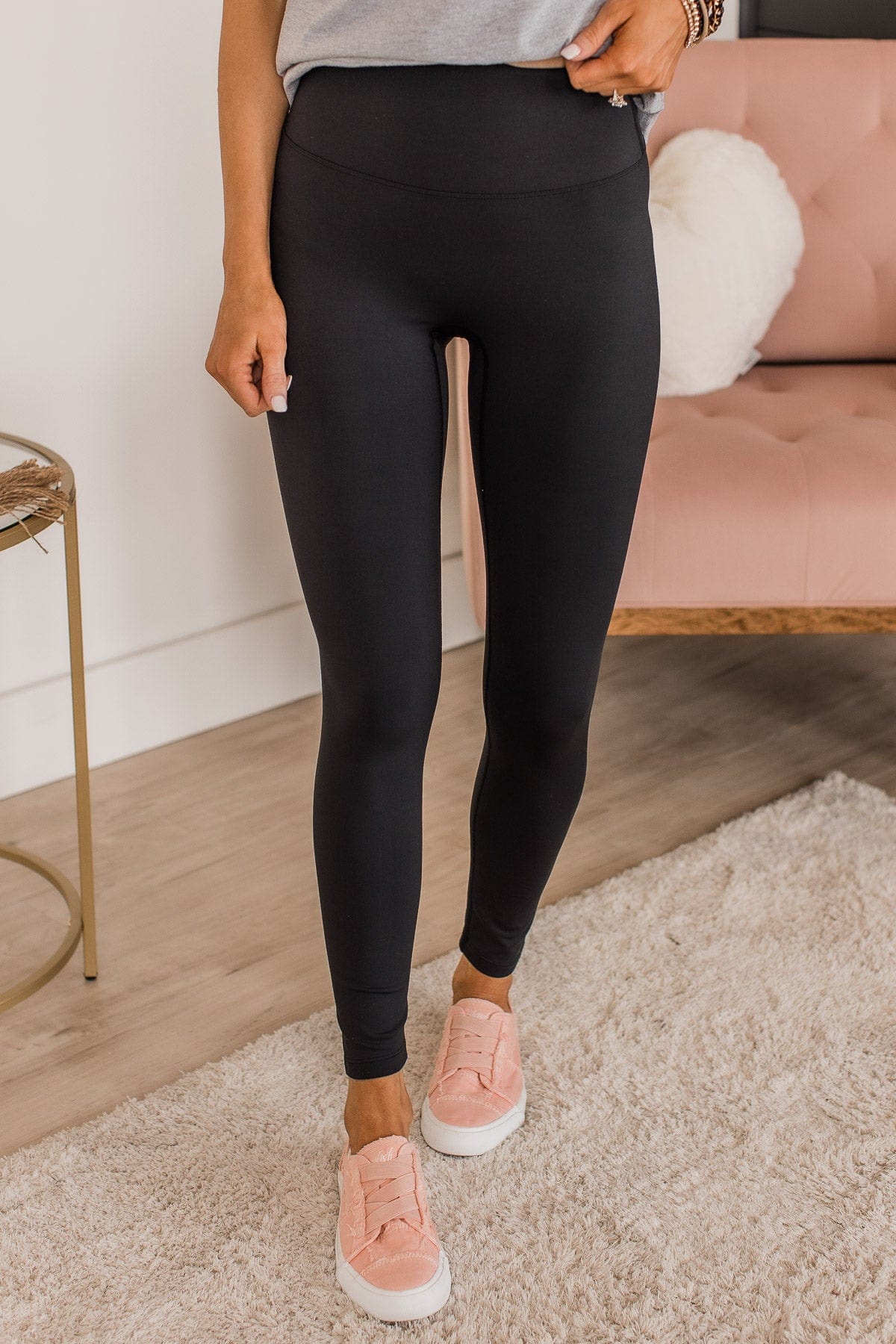
When shopping for yoga pants or any of their alternative names, certain features can make a big difference in comfort and performance:
- Fabric: Look for blends of polyester, nylon, and spandex for stretch and moisture control. Cotton leggings are comfy but may not wick sweat well.
- Waistband: High-rise waistbands offer more coverage and support, especially during movement.
- Seams: Flatlock seams help prevent chafing.
- Gusseted crotch: Adds comfort and flexibility, especially for stretching.
- Opacity: Make sure the fabric is not see-through when stretched.
- Pockets: Handy for carrying keys or cards.
- Length: Choose between full-length, capri, or shorts depending on your activity.
| Feature | Why It Matters |
|---|---|
| Moisture-wicking fabric | Keeps you dry during workouts |
| Stretch (4-way) | Allows freedom of movement |
| High waistband | Stays in place, avoids rolling down |
| Flat seams | Prevents skin irritation |
| Gusseted crotch | Improves comfort in wide poses |
Credit: www.thepulseboutique.com
Fashion And Function: Why The Name Matters
The name used for yoga pants can affect how people see them and where they choose to wear them. For example, athleisure pants are designed to look good outside the gym, so you might feel comfortable wearing them to a casual lunch. Compression pants, on the other hand, are more technical, and people often wear them for sports or recovery.
Some brands use creative names like “studio-to-street pants” or “urban leggings” to appeal to people who want both style and function. The right name can help you find pants that fit your lifestyle—not just your workout routine.
How To Choose The Right Style For You
With so many names and styles, choosing the right yoga pants (or alternative) can feel overwhelming. Here’s how to narrow it down:
- Think about your main use. If you want pants for yoga practice, look for yoga leggings with a high waistband and four-way stretch. For running, consider compression pants or tights.
- Try different fits. Some people like a snug fit, while others prefer a bootcut or flare for more room at the ankle.
- Pay attention to fabric. If you sweat a lot, avoid pure cotton and choose moisture-wicking blends.
- Check length. Capri pants are good for hot weather, while full-length pants offer more coverage.
- Test opacity. Squat or stretch in the fitting room to make sure the pants aren’t see-through.
- Don’t be afraid of new names. Sometimes, a new term like “studio pants” just means yoga pants with a style twist.
The Evolution Of Yoga Pants And Their Alternatives
The story of yoga pants began with the rise of yoga as a popular exercise. Early yoga pants were often loose and made from cotton. As the sport grew, brands introduced more fitted and technical options. Over time, yoga pants crossed over into mainstream fashion, leading to the rise of athleisure.
Today, pants that look and feel like yoga pants are everywhere, even among people who never set foot in a yoga studio.
This shift also explains why so many different names exist. Brands want to capture new audiences and trends, so they give classic yoga pants new names or small style changes. For example, flare pants and bootcut pants became trendy again as vintage fashion returned. Compression pants appeared as fitness enthusiasts looked for performance benefits. The result is a huge variety of styles for every taste and activity.
Brands And Marketing: How Alternative Names Are Used
Some big activewear brands use different names to target specific customers or activities. For example:
- Lululemon uses “Align Pant” for soft, stretchy yoga leggings and “Wunder Under” for more compressive options.
- Nike uses names like “One Tights” for versatile leggings and “Pro Tights” for high-performance compression.
- Adidas markets “Believe This Tights” for training and “Yoga Essentials Pants” for yoga practice.
These names help shoppers find what they need, but they can also be confusing. Always read the product description to see if the pants offer the features you want.
Common Mistakes When Shopping For Yoga Pants By Another Name
- Assuming all leggings are equal. Many fashion leggings look like yoga pants but don’t have the stretch, opacity, or moisture control you need for exercise.
- Ignoring waistband fit. Low-rise pants can slip down during movement.
- Buying compression pants too small. Too much compression can restrict movement.
- Choosing the wrong length. Full-length pants may feel too warm for hot yoga or summer workouts.
- Not checking return policies. Some pants stretch out or pill after washing, so make sure you can return them if needed.
One subtle tip: Some pants labeled as “studio” or “dance” wear may have extra details like mesh panels or unique seams. These features are not just for style—they can improve ventilation and comfort during active movement.
When To Use Each Type Of Yoga Pant Alternative
Here are some scenarios and which type might suit you best:
- Yoga class: Yoga leggings, yoga pants, studio pants, Pilates pants
- Running or high-intensity workouts: Compression pants, tights, training pants
- Casual wear: Athleisure pants, lounge pants, jeggings, bootcut pants
- Travel: Activewear pants, slim pants, performance pants (look for pockets)
- Dance or barre: Dance pants, capri leggings, studio pants
The Role Of Material And Technology
Advances in fabric technology have allowed brands to create yoga pants and their alternatives with special features. Some use anti-microbial treatments to reduce odor. Others use recycled materials to appeal to eco-conscious shoppers. Materials like Lycra and Spandex give pants extra stretch, while nylon and polyester help with durability and sweat management.
It’s worth noting that not all “yoga pants” use the same quality of fabric. Some budget options may become see-through after a few washes. High-quality brands often do more testing for stretch, colorfastness, and pilling resistance.
Gender Differences In Yoga Pant Names
While yoga pants are often marketed to women, there are many alternatives for men as well. For men, terms like training tights, compression pants, and base layer pants are more common. These pants offer similar stretch and comfort but may have a looser cut or added features like a fly opening.
Some men’s activewear brands avoid the word “leggings” altogether and use “tights” or “pants” instead. The function is the same, but the language changes to fit cultural preferences.
Styling Tips For Yoga Pant Alternatives
Yoga pants and their alternatives are easy to style both in and out of the gym:
- Pair athleisure pants with a long top and sneakers for a casual day out.
- Wear bootcut or flare pants with a fitted shirt for a retro look.
- Use compression pants under shorts for running or outdoor sports.
- Match capri leggings with a tank top for summer workouts.
- Try lounge leggings with a cozy hoodie for relaxing at home.
If you want your pants to look less like gym wear, choose styles with subtle colors, minimal branding, or unique design details.
Sustainability And Ethical Choices
Many brands now offer eco-friendly yoga pants and alternatives. Look for materials like recycled polyester, organic cotton, or bamboo. Some companies are transparent about their manufacturing processes and labor practices. Making ethical choices can make your activewear purchases more meaningful.
If sustainability is important to you, research brands before buying. For more on sustainable activewear, see the FashionUnited Sustainable Activewear Guide.
Practical Care Tips For Yoga Pants And Their Alternatives
To get the most out of your yoga pants or any of their alternatives:
- Wash in cold water to prevent fading and stretching.
- Avoid fabric softeners, which can affect moisture-wicking ability.
- Hang dry or tumble dry on low to avoid shrinking.
- Store flat or folded to keep their shape.
- Avoid rough surfaces, which can snag the fabric.
These small steps can extend the life of your favorite pants.
Frequently Asked Questions
What Is The Main Difference Between Yoga Pants And Leggings?
The main difference is that yoga pants are designed for movement and often use moisture-wicking, stretchy materials. Leggings can be for fashion or fitness—some are good for exercise, but many are not designed for intense movement.
Are Compression Pants The Same As Yoga Pants?
No, compression pants are made to gently squeeze the muscles, which helps with blood flow and recovery. They are tighter than yoga pants and may not be as comfortable for all yoga poses.
Can Men Wear Yoga Pants Or Their Alternatives?
Yes, many brands make yoga pants, tights, and compression pants for men. The styles and marketing might use different names, but the comfort and function are similar.
How Do I Know If Pants Are Good For Yoga?
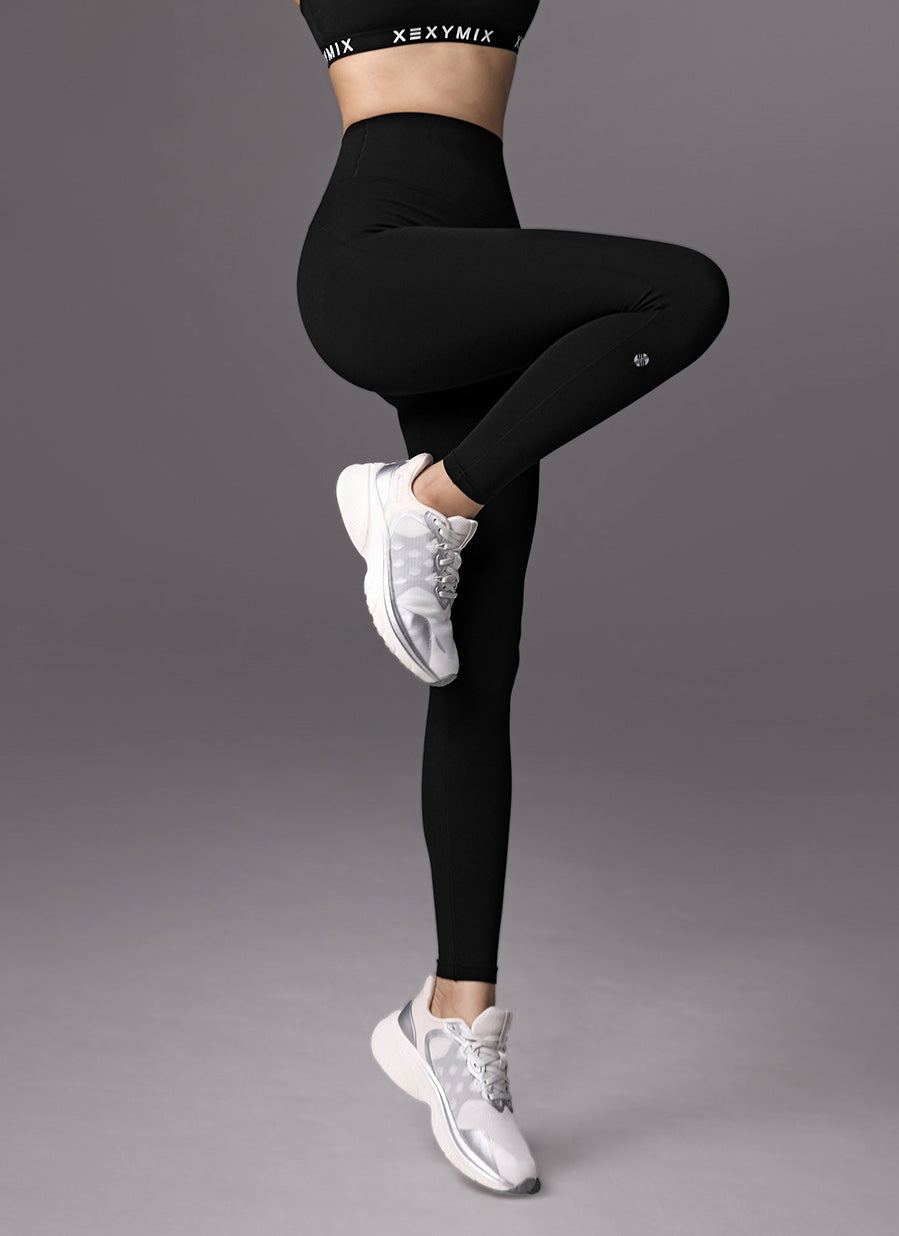
Look for four-way stretch, a comfortable waistband, moisture-wicking fabric, and a gusseted crotch. Try bending or stretching in the fitting room to check for comfort and opacity.
Credit: en.xexymix.com
Are There Eco-friendly Options For Yoga Pants And Their Alternatives?
Yes, many brands offer sustainable yoga pants made from recycled polyester, organic cotton, or bamboo. Check the label and brand information to find ethical choices.
Yoga pants may go by many other names, but the right pair always offers comfort, flexibility, and style. Understanding the differences between each type helps you find the perfect fit for any activity or occasion. With so many options, you can enjoy all the benefits of yoga pants—whatever name they go by.
