

Alternatives to Leggings for the Gym: Stylish Workout Options
Alternatives To Leggings For The Gym
Leggings are everywhere in the gym, but they aren’t for everyone. Some people find them uncomfortable, too tight, or simply not their style. Maybe you want more coverage, a looser fit, or a fresh look. You’re not alone—gym-goers are looking for better options that match their workouts and personalities.
The good news? There are plenty of alternatives to leggings that suit every type of activity, comfort preference, and body shape.
This guide will help you discover gym wear that feels right for you. You’ll find real-world advice, practical comparisons, and clear examples. If you want to move freely, stay cool, and look great, read on for your best options beyond leggings.
Why Look Beyond Leggings?
Leggings are popular, but they have drawbacks. Some people dislike the snug fit, especially during sweaty workouts. Others find leggings too revealing or not durable enough for certain activities. For weightlifting, running, yoga, and other routines, your clothing needs can change.
Choosing the right outfit can improve your confidence, movement, and even performance.
Here are some reasons gym-goers seek alternatives:
- Comfort: Not everyone likes tight, compressive fabric.
- Style: You may prefer a different look or want to stand out.
- Practicality: Some workouts require more protection or flexibility.
- Durability: Leggings can wear out quickly with heavy use.
- Body type: Not all leggings fit every shape equally well.
- Temperature: Leggings can feel too warm in summer or too cold in winter.
The best gym wear adapts to your needs. Let’s explore the top alternatives.
Gym Shorts: The Classic Substitute
Gym shorts are a staple for fitness enthusiasts. They’re versatile, airy, and suitable for many activities.
Types Of Gym Shorts
- Running shorts: Lightweight, often with built-in liners, great for cardio.
- Basketball shorts: Longer, looser, ideal for full movement.
- Compression shorts: Snug fit, but shorter than leggings, popular under other shorts.
- Training shorts: Mid-length, flexible, designed for strength training.
Key Benefits
- Freedom of movement: Shorts allow legs to move without restriction.
- Breathability: Less fabric means more airflow, keeping you cool.
- Easy layering: Compression shorts can be worn under other types.
- Modest coverage: Longer shorts offer more privacy.
Practical Insights
Shorts are often underestimated for gym work. For heavy squats, choose training shorts with strong seams. For HIIT or sprinting, running shorts with moisture-wicking liners prevent chafing. Beginners sometimes pick shorts that are too loose, causing them to ride up or distract during exercise.
Choose a style that matches your activity.
Example Comparison
Here’s how popular gym shorts stack up against leggings:
| Type | Movement | Breathability | Coverage | Best For |
|---|---|---|---|---|
| Running Shorts | High | Excellent | Low | Cardio, HIIT |
| Basketball Shorts | Very High | Good | Medium | General Training |
| Compression Shorts | Medium | Good | Low | Layering, Running |
| Leggings | Medium | Fair | High | Yoga, Pilates |
Joggers And Track Pants: Comfort Meets Style
Joggers and track pants blend comfort with a modern look. They’re a popular choice for those who want a relaxed fit without sacrificing style.
Joggers
Joggers have a tapered leg and elastic cuffs. They’re usually made of soft cotton, polyester, or blends. This design prevents flapping fabric and keeps pants in place.
- Best for: Strength training, warm-ups, cool-downs, casual wear.
- Fit tip: Choose a size that’s not too baggy. Baggy joggers can catch on equipment.
Track Pants
Track pants are similar to joggers but often have a straight cut and zippered ankles. They’re made for easy on/off and are great for layering.
- Best for: Cardio, group classes, stretching.
- Style tip: Look for moisture-wicking materials to stay dry.
Practical Insights
Joggers are ideal for gym-goers who dislike tight clothing. They’re also useful when you want to transition from the gym to errands. For colder climates, fleece joggers provide warmth. Beware of joggers with no stretch—these can restrict movement during lunges or squats.
Yoga Pants: The Flexible Alternative
Yoga pants are not the same as leggings. They usually have a flared or bootcut bottom and a softer waistband. The wider leg lets air flow and doesn’t cling to your calves.
- Best for: Yoga, Pilates, stretching, low-impact workouts.
- Features: Soft, stretchy, less compressive, more forgiving on the waist.
Yoga Pants Vs. Leggings
Yoga pants are made for comfort. They’re less likely to show sweat marks, and the flared leg creates a balanced silhouette. Many people find them easier to move in, especially for floor exercises. However, they may not suit high-intensity workouts where tight fit is needed.

Credit: www.firmabs.com
Sweatpants: The Relaxed Classic
Sweatpants have been gym wear for decades. They’re loose, cozy, and practical for many workouts.
Advantages
- Warmth: Perfect for chilly gyms or winter runs.
- Coverage: More coverage than shorts or leggings.
- Versatility: Easy to wear for warm-ups, cool-downs, and post-workout.
Disadvantages
- Weight: Heavier than other gym wear.
- Heat: Can feel too warm during intense exercise.
Practical Insight
Sweatpants are best for low-impact workouts or days when comfort matters most. For cardio or fast movements, pick lighter fabric sweatpants. Beginners often choose thick sweatpants for all workouts—this can lead to overheating.
Skorts And Athletic Skirts: Feminine And Functional
Skorts combine a skirt with built-in shorts. Athletic skirts are similar but may not have shorts inside. These are popular with women who want style and coverage.
Benefits
- Freedom: Move easily without worrying about exposure.
- Style: Looks feminine while offering practicality.
- Cooling: Less fabric means cooler legs.
Who Should Try Skorts?
Skorts are great for tennis, golf, dance, or gym classes. They’re also suitable for anyone who wants a fresh look at the gym. One common mistake: buying a skort that’s too short for squats or lunges. Look for styles made specifically for gym use.

Credit: themomedit.com
Capris And Cropped Pants: The Middle Ground
Capris end between the knee and mid-calf. Cropped pants are similar but may have a looser fit.
Advantages
- Cooler: Less coverage than leggings, but more than shorts.
- Flexible: Good for almost any workout.
- Modest: Offers privacy without full-length coverage.
Practical Insight
Capris are ideal for people who don’t like shorts but find leggings too warm. They’re also useful for yoga, Pilates, and gym classes. Avoid capris with tight elastic at the hem—it can restrict movement.
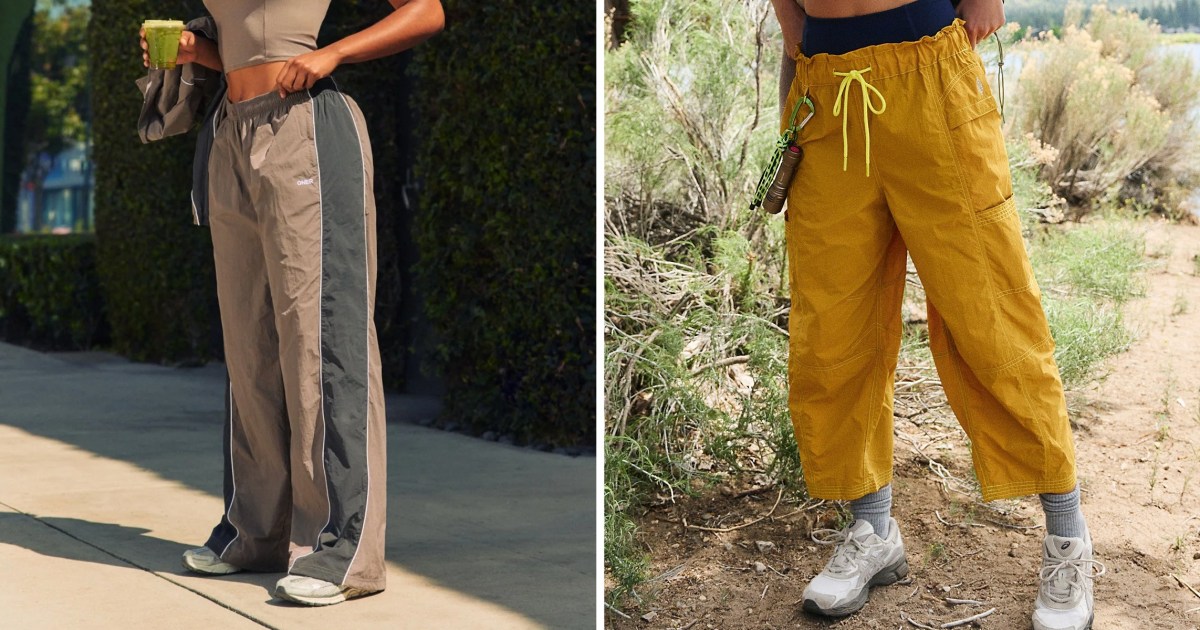
Loose-fit Athletic Pants
Loose-fit athletic pants offer maximum comfort. They’re made from lightweight materials and often have an adjustable waistband.
Benefits
- Airflow: Great for sweaty workouts.
- Modesty: Plenty of coverage.
- Easy layering: Wear over compression shorts if needed.
Real-world Example
Loose-fit pants are popular for martial arts, dance, and circuit training. For the gym, choose pants with reinforced seams and pockets for practicality. A common mistake is picking pants that are too long, risking tripping during exercise.
Compression Shorts: Not Just For Layering
Compression shorts are usually worn under other clothing, but some athletes use them as main gym wear. They offer muscle support and reduce chafing.
Features
- Snug fit: Supports muscles, improves circulation.
- Short length: Less heat, more freedom.
- Moisture-wicking: Keeps skin dry.
Practical Insight
Compression shorts are best for high-intensity workouts, running, or cycling. They’re not suitable for those who prefer loose clothing. If you wear compression shorts alone, check for opacity—thin materials can be see-through.
Technical And Performance Pants
Technical gym pants use advanced materials for improved performance. They’re designed for athletes who demand more from their gear.
Features
- Moisture control: Wicks sweat away.
- Stretch fabric: Allows full range of motion.
- Reinforced knees: Lasts longer for tough workouts.
Comparison Table
Here’s a comparison between technical pants and other alternatives:
| Type | Moisture Control | Stretch | Durability | Best For |
|---|---|---|---|---|
| Technical Pants | Excellent | High | High | All Gym Activities |
| Loose-Fit Pants | Medium | Medium | Medium | Martial Arts, Dance |
| Joggers | Good | Medium | Medium | Strength Training |
Credit: www.nbcnews.com
Specialized Gym Wear: For Unique Needs
Not all gym-goers have the same needs. Some require specialized clothing for specific activities.
Examples
- Cycling shorts: Padded for comfort during bike workouts.
- Dance pants: Loose, flowing, designed for flexibility.
- Martial arts gi: Heavy-duty, supports intense movement.
Practical Insight
Choose specialized wear only if your workout demands it. For general gym sessions, these options may be overkill. Beginners often buy specialized gear before knowing their workout routine—wait until your needs are clear.
Considerations When Choosing Gym Wear
With so many options, picking the right gym outfit can feel overwhelming. Here are key factors to help you decide.
Fit And Comfort
- Try different styles for your body shape.
- Avoid clothes that restrict movement.
- Pick materials that feel good on your skin.
Activity Type
- For cardio: Choose breathable and lightweight fabrics.
- For strength training: Look for durable materials.
- For yoga or Pilates: Prioritize stretch and softness.
Climate And Season
- In hot weather: Shorts, capris, skorts, or technical pants.
- In cold weather: Sweatpants, joggers, or layered outfits.
Durability And Maintenance
- Check for reinforced seams.
- Choose easy-to-wash fabrics.
- Avoid materials that pill or fade quickly.
Style Preferences
- Match your gym wear to your personality.
- Don’t compromise comfort for looks.
- Consider color and pattern for motivation.
Common Mistakes When Switching From Leggings
Switching gym wear isn’t just about picking a new style. Here are mistakes to avoid:
- Ignoring fit: Loose pants can trip you up; too-tight shorts can restrict movement.
- Choosing non-breathable fabrics: Heavy cotton can get sweaty fast.
- Not checking opacity: Some shorts and pants become see-through when stretched.
- Skipping pockets: No pockets means nowhere for keys, phone, or gym card.
- Overlooking activity needs: Don’t pick sweatpants for HIIT or compression shorts for yoga.
Real-world Data: What Do Gym-goers Prefer?
Surveys show gym-goers are diversifying their wardrobe. About 40% prefer shorts for cardio, while 30% choose joggers for strength training. Only 20% stick to leggings for all workouts. Women are more likely to try skorts and athletic skirts. Men often switch between shorts and joggers.
The rise of technical fabrics is notable: gym wear made with moisture-wicking materials now makes up over 60% of sales in some regions. This trend shows a clear demand for performance, not just looks.
How Gym Wear Impacts Your Workout
Wearing the right gym outfit can boost your confidence and focus. Comfortable clothing reduces distractions, while the right fit can improve movement. For example, running shorts reduce chafing during sprints, and technical pants support heavy lifts. Studies show that athletes perform better when they feel good in their gear.
A less obvious insight: your gym wear can affect motivation. Bright colors and fresh designs help you look forward to workouts. The psychological effect of new gym wear is real—many people stick to their routines longer when they enjoy their outfit.
Beginner Tips For Trying New Gym Wear
If you’ve always worn leggings, making a change can feel risky. Here’s how to try alternatives with confidence:
- Start with gym shorts or joggers—they’re versatile and easy to find.
- Test different lengths and fits in-store before buying.
- Wear new clothes for low-impact workouts first to check comfort.
- Ask friends or trainers for recommendations.
- Wash new gym wear before first use to avoid irritation.
Many beginners forget to check for features like pockets or adjustable waistbands. These small details make a big difference.
Comparing Gym Wear Alternatives
To help you choose, here’s a summary comparison of the main options:
| Alternative | Best Feature | Drawback | Best For |
|---|---|---|---|
| Gym Shorts | Freedom | Less coverage | Cardio, HIIT |
| Joggers | Comfort | Can be warm | Strength Training |
| Yoga Pants | Flexibility | Not for high intensity | Yoga, Pilates |
| Skorts | Style & coverage | May ride up | Tennis, Dance |
| Capris | Balanced coverage | Tight hem can restrict | General Fitness |
| Loose-Fit Pants | Airflow | Risk of tripping | Martial Arts, Circuit Training |
| Compression Shorts | Support | Very tight | Running, Cycling |
| Sweatpants | Warmth | Heavy | Cool-down, Winter |
| Technical Pants | Performance | Higher price | All Gym Activities |
Where To Buy Gym Wear Alternatives
Quality matters, so shop at reputable stores. Many brands offer a wide range of gym wear beyond leggings. Look for athletic stores, specialty shops, and online retailers. Read reviews and check return policies. For more information on fitness clothing options, see Wikipedia: Athletic Wear.
Frequently Asked Questions
What Is The Best Alternative To Leggings For High-intensity Workouts?
Gym shorts and technical pants are best for high-intensity workouts. They offer breathability, freedom of movement, and moisture control. Compression shorts work well for runners and cyclists. Choose materials that wick sweat and avoid heavy fabrics.
Are Joggers Suitable For The Gym?
Yes, joggers are great for strength training, warm-ups, and cool-downs. They offer comfort and style, but may feel warm during cardio. Pick joggers with stretch fabric for full movement.
Can I Wear Athletic Skirts Or Skorts For Gym Workouts?
Absolutely. Athletic skirts and skorts are practical for tennis, dance, and gym classes. They combine style and coverage. Make sure your skort has built-in shorts for modesty during squats or lunges.
What Should I Consider When Choosing Gym Wear Alternatives?
Focus on fit, activity type, material, and durability. Try different styles to see what feels best. Check for pockets, moisture-wicking fabric, and reinforced seams. Avoid clothes that restrict movement or become see-through when stretched.
How Can I Avoid Common Mistakes When Switching From Leggings?
Don’t ignore fit—loose pants can be unsafe. Choose breathable fabrics for sweaty workouts. Test opacity before wearing shorts or pants alone. Remember pockets and consider your workout needs. Start with small changes and adjust as you learn what works for you.
Finding the right gym wear takes trial and error, but it’s worth the effort. You’ll move better, feel more confident, and enjoy your workouts. Leggings aren’t the only option—choose the style that matches your needs and personality. The gym is about progress, and your clothing should help you achieve it.
