

Affordable Sustainable Activewear: Best Eco-Friendly Picks for 2024
Affordable Sustainable Activewear
Finding the right activewear can feel like a quest. Many want clothes that perform well, look good, and last. But in recent years, more people also care about how these clothes are made. The big questions are: Can you find sustainable activewear that doesn’t break the bank? And do you have to sacrifice style or performance for the planet?
The good news is, affordable sustainable activewear is no longer a dream. Many brands now use eco-friendly materials, fair labor, and smart designs—without high prices. You can wear gear that supports your workouts and your values.
In this guide, you’ll learn what makes activewear sustainable, why it matters, and how to spot real value. We’ll compare brands, materials, and prices, and answer common questions. Whether you’re a runner, yogi, or gym regular, you’ll find ways to buy better, waste less, and still save money.
What Makes Activewear Sustainable?
Sustainability is a big word, but in activewear, it usually means three things: eco-friendly materials, ethical production, and lasting quality.
Eco-friendly Materials
Most traditional activewear uses synthetic fibers like polyester, nylon, or spandex. These are made from oil and take hundreds of years to break down. Sustainable brands use:
- Recycled polyester: Made from old plastic bottles or ocean waste.
- Organic cotton: Grown without chemicals, safer for farmers and soil.
- TENCEL™ (lyocell): Made from wood pulp, produced with less water.
- Bamboo viscose: Fast-growing, uses less land, but check for closed-loop processing.
- Recycled nylon: Old fishing nets or carpets are turned into new fibers.
Not all “natural” materials are sustainable. For example, conventional cotton uses a lot of water and pesticides. Look for certifications like Global Organic Textile Standard (GOTS) or OEKO-TEX, which show the material is safer for you and the planet.
Ethical Production
Sustainability also means fair treatment of workers. True sustainable brands:
- Pay living wages
- Ensure safe working conditions
- Avoid child or forced labor
Look for brands that share details about their factories and audits. Certifications like Fair Trade or SA8000 are good signs.
Lasting Quality
Fast fashion encourages you to buy more, wear less, and throw away quickly. Sustainable activewear should last hundreds of washes and workouts. The best brands design for durability—strong seams, colorfast dyes, and fabrics that keep their shape. This saves you money and reduces waste.
Why Choose Affordable Sustainable Activewear?
Switching to sustainable gear isn’t just about climate change. There are personal and practical benefits.
Healthier For Your Skin
Some cheap synthetic fabrics are treated with harsh dyes or chemicals. These can cause skin irritation, especially when you sweat. Organic cotton and certified recycled fibers are usually gentler.
Lower Cost Over Time
Quality sustainable clothes cost more upfront but last longer. If your leggings survive 200 washes instead of 40, you buy less often. Over time, you may spend less.
Supporting Better Brands
When you buy from responsible brands, you support better jobs and less pollution. Your dollar is a vote for a fairer system.
Reducing Plastic Waste
Every piece of recycled polyester keeps bottles out of landfills. Choosing eco-materials reduces the need for new plastic.
Standout Style
Many affordable sustainable brands focus on timeless designs. You don’t need to chase trends—your gear will still look good next year.
Common Myths About Sustainable Activewear
There are many myths about sustainable activewear. Let’s clear up a few.
- It’s always expensive. Some high-end brands do cost more, but many affordable options exist. The market is growing, and competition helps prices drop.
- It’s less durable. In fact, sustainable brands often use better construction and higher-quality materials because their goal is less waste, not fast sales.
- Limited styles and sizes. Today, you can find sustainable gear in all colors, fits, and for every body type.
- Hard to care for. Most eco-friendly fabrics wash like normal. Some, like organic cotton, even resist odors better.
How To Identify Real Sustainable Activewear
With so many “green” claims, how do you know what’s real? Here’s how to spot true sustainable value:
Look For Certifications
Check product tags or websites for third-party certifications. Some common ones:
- GOTS (Global Organic Textile Standard)
- OEKO-TEX (tested for harmful substances)
- Recycled Claim Standard (RCS)
- Fair Trade Certified
- SA8000 (social accountability)
Check Material Percentages
Some brands say “made with recycled polyester” but only use 10%. Look for 50% or more eco-materials for real impact.
Read About Production
Does the brand share details about where and how its clothes are made? Vague “ethical” claims are less trustworthy than clear factory info.
Review Return And Repair Policies
Sustainable brands often offer repairs or accept old clothes for recycling. This shows they care about long-term use.
Avoid Greenwashing
Some brands use buzzwords (“eco”, “green”, “natural”) with little proof. Look for real data, not just marketing.
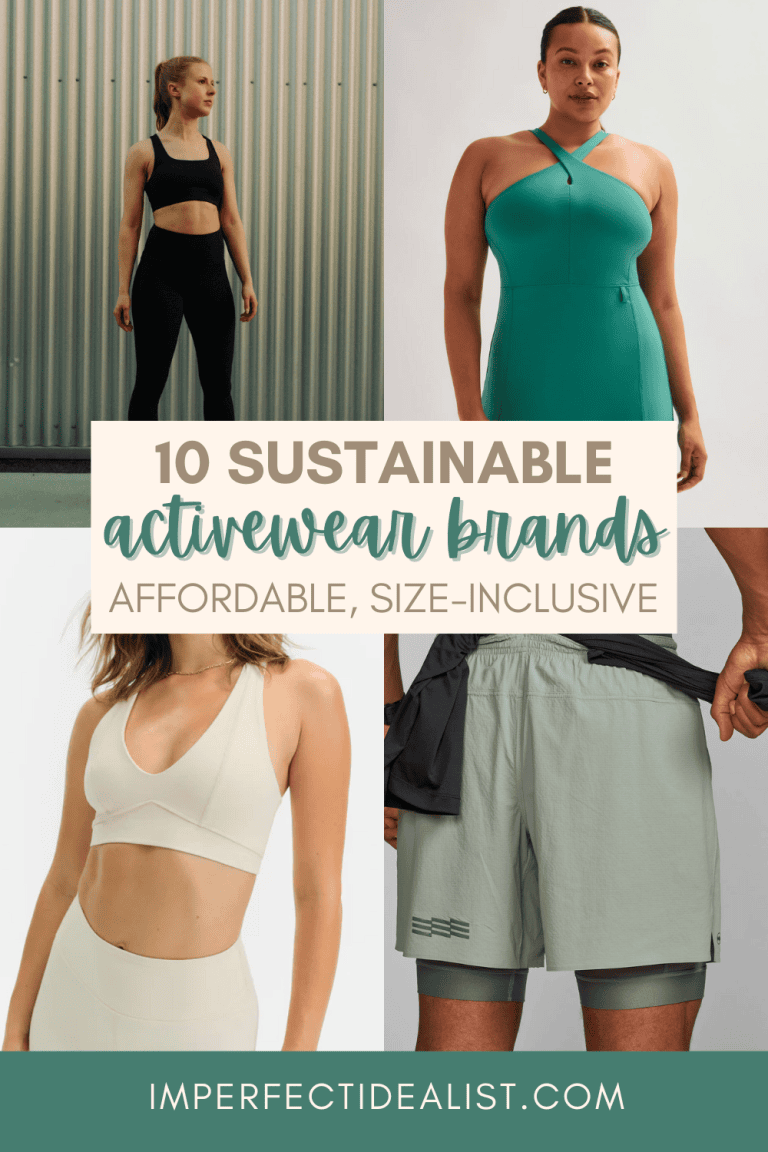
Credit: imperfectidealist.com
Comparing Affordable Sustainable Activewear Brands
It’s easier than ever to find affordable options. Here’s a comparison of popular brands offering sustainable, budget-friendly activewear. Prices and features can change, so always check the latest details.
| Brand | Main Materials | Price Range (USD) | Key Certifications | Unique Features |
|---|---|---|---|---|
| Girlfriend Collective | Recycled polyester, recycled nylon | $30–$78 | OEKO-TEX, SA8000 | Inclusive sizing, take-back program |
| PACT | Organic cotton, recycled poly | $25–$60 | GOTS, Fair Trade | Super soft, carbon neutral shipping |
| Boody | Bamboo viscose | $20–$60 | OEKO-TEX, FSC | Moisture-wicking, compostable packaging |
| Wolven | Recycled PET | $40–$88 | Global Recycled Standard | Bold prints, reversible pieces |
| Threads 4 Thought | Recycled polyester, organic cotton | $15–$80 | GOTS, WRAP | Affordable basics, B Corp certified |
| Colorful Standard | Organic cotton | $35–$70 | OEKO-TEX, PETA Vegan | 100% climate-neutral production |
Non-obvious Insights
- Some brands keep prices low by selling direct-to-consumer online, skipping retail markups.
- Brands with take-back or recycling programs may offer discounts on new purchases, further lowering your cost.
Key Materials In Sustainable Activewear
Let’s look closer at the most common materials and what they mean for price, comfort, and the planet.
| Material | Eco Impact | Comfort | Durability | Typical Cost |
|---|---|---|---|---|
| Recycled polyester | Reduces plastic waste, less energy use | Wicks moisture, dries fast | High | Low–Medium |
| Organic cotton | No toxic pesticides, less water | Soft, breathable | Medium | Low–Medium |
| Bamboo viscose | Regrows fast, less land use | Silky, thermoregulating | Medium | Medium |
| TENCEL™ (lyocell) | Closed-loop process, biodegradable | Cool, smooth | Medium–High | Medium |
| Recycled nylon | Reduces landfill waste | Stretchy, supportive | High | Medium |
Practical Tips
- Blends: Many affordable options use a mix of recycled and new fibers for strength and cost.
- Check care tags: Some sustainable fabrics need gentle wash cycles or air drying to last longer.
- Avoid cheap “bamboo” with no certifications: It may use polluting processes.
How To Shop For Affordable Sustainable Activewear
Here’s a step-by-step approach to buying the right gear on a budget:
- Know your needs: Make a list—do you want leggings, shorts, bras, or shirts? Decide what you actually need.
- Set a budget: Good sustainable pieces start around $20–$30. Decide what you can spend.
- Check sales and bundles: Many brands offer discounts or bundles (e.g., buy 2 get 1 free). Sign up for newsletters for first-time shopper codes.
- Read reviews: Look for feedback on sizing and durability. Sustainable brands often have strong communities sharing honest opinions.
- Compare brands: Use the tables above. Don’t just shop the first “eco” brand you see.
- Look for local options: Local or regional brands may have lower shipping costs and impact.
- Buy less, choose well: One high-quality piece is better than three cheap ones that fall apart.
- Check for returns: Make sure you can return or exchange if the fit isn’t right.
Caring For Sustainable Activewear
Taking care of your activewear is part of sustainability. It helps clothes last longer and saves you money.
Washing Tips
- Wash in cold water: Saves energy and reduces fabric damage.
- Use gentle detergent: Avoid harsh chemicals.
- Skip fabric softener: It can coat fibers and reduce moisture-wicking.
- Turn clothes inside out: Protects colors and prints.
- Air dry when possible: Heat can break down elastic fibers.
Repair And Reuse
- Small holes or snags can be fixed with a needle and thread.
- If something’s beyond repair, cut it into rags or check if the brand has a recycling program.
Microfiber Pollution
Synthetic fibers (even recycled ones) can shed tiny plastics in the wash. Use a microfiber filter bag or special washing balls to catch these particles. This is an extra step, but it helps keep oceans cleaner.

Credit: www.youtube.com
How Affordable Sustainable Activewear Compares To Traditional Brands
Many shoppers wonder if paying more for sustainable gear is worth it. Here’s a quick comparison:
| Factor | Sustainable Activewear | Traditional Activewear |
|---|---|---|
| Cost | Low–Medium upfront, lower over time | Low upfront, higher replacement rate |
| Materials | Recycled/organic, less toxic | Virgin polyester/nylon, chemical dyes |
| Production | Fair labor, lower emissions | Often outsourced, less transparency |
| Durability | High (with care) | Medium, wears out faster |
| End of Life | Recyclable or compostable options | Landfill, no take-back |
Two Insights Beginners Miss
- Not all recycled materials are equal. Some brands use post-consumer waste (like bottles), while others use pre-consumer (factory scraps). Post-consumer has greater impact.
- Shipping matters. Some brands offset carbon from shipping, use compostable packaging, or ship from regional warehouses to cut emissions.
Real-world Examples: Affordable Outfits
Let’s put this into practice with a few example outfits:
Outfit 1: Yoga Set
- Girlfriend Collective Paloma Bra + Compressive High-Rise Legging: ~$95 for set. Made from 79% recycled polyester.
- Boody Bamboo Long Sleeve Top (as cover-up): $40
Outfit 2: Running
- Threads 4 Thought Performance Tee: $28
- PACT Stretch-Fit Shorts: $35
- Allbirds Tree Runners (shoes, made from eucalyptus): $98
Outfit 3: Gym Basics
- Wolven Reversible Crop Top: $45
- Colorful Standard Organic Cotton Joggers: $65
You can mix and match, often for less than $100 per outfit. Many of these brands offer student or first-time buyer discounts.
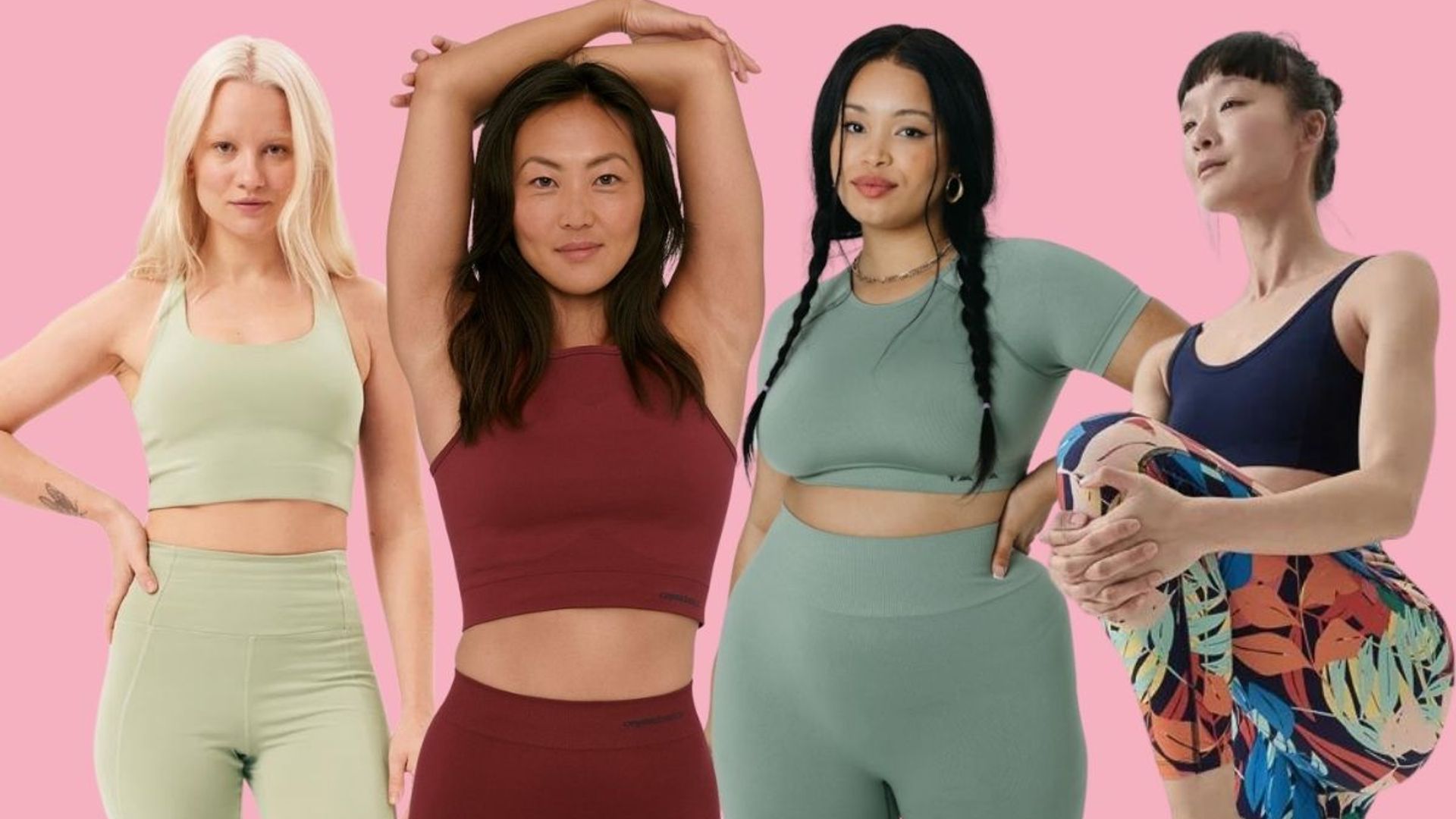
Credit: www.hellomagazine.com
How To Stretch Your Budget Further
- Buy secondhand: Sites like Poshmark or Depop have gently used sustainable gear at a fraction of the price.
- Join local swap groups: Some cities have activewear swaps—trade what you no longer need.
- Choose multi-use pieces: A simple black legging can work for the gym, yoga, or as streetwear.
- Watch for end-of-season sales: Brands often discount last season’s colors.
- Sign up for loyalty programs: Points can lead to discounts or free shipping.
The Future Of Affordable Sustainable Activewear
The market for sustainable clothing is growing every year. As more shoppers demand better practices, prices continue to drop and innovation speeds up. Several trends are shaping the future:
- More recycled materials: Brands are experimenting with recycled spandex, elastane, and even ocean plastics.
- Biodegradable synthetics: New fabrics break down faster, reducing waste at end of life.
- Tech-enabled traceability: QR codes on tags can show exactly where and how your clothes were made.
- Circular systems: Take-back programs turn old gear into new, closing the loop.
A study by the Ellen MacArthur Foundation found that only 1% of clothing is recycled back into clothing. The rest becomes waste. Supporting circular brands helps push this number higher.
Affordable Sustainable Footwear
Activewear isn’t just about clothes—sustainable shoes are important too. Look for:
- Recycled uppers: Many brands use recycled plastic or natural fibers.
- Natural rubber soles: Some use latex or cork instead of petroleum-based rubber.
- Vegan options: No animal products, often with better transparency.
Popular affordable brands include Allbirds, Veja, and Saola. Check for sales or outlet sections for deals.
What To Avoid
Even in the sustainable space, some red flags exist:
- Too-cheap prices: If a “sustainable” legging costs $10, it’s likely too good to be true. Real eco-materials and fair labor cost more.
- No certifications or proof: If a brand makes big claims but gives no details, be wary.
- One-size-fits-all: Good brands offer a range of sizes and fits.
- Confusing care instructions: If care is too complex, it may not fit your lifestyle.
Sustainable Activewear For All Genders And Sizes
The best brands recognize that sustainability should be inclusive. Many offer:
- Extended size ranges: XXS to 6XL, tall and petite options
- Gender-neutral styles: Basics that fit all bodies
- Adaptive designs: For those with disabilities or different needs
Read size guides carefully and check reviews from people with similar body types.
Brands To Watch For Innovative Affordable Options
Some newer brands are pushing the boundaries of affordability and sustainability:
- Tentree: Plants ten trees for every item sold, uses recycled and organic materials, affordable basics.
- Iron Roots: Focuses on plastic-free activewear, using hemp, TENCEL™, and organic cotton.
- Superfit Hero: Size-inclusive, uses recycled materials, often on sale.
These brands often have unique sales and bundles, so check their websites for current deals.
How To Spot Greenwashing
With more brands entering the eco space, some exaggerate their claims. Watch for:
- No specifics: “Made sustainably” but no info on how or where.
- Vague eco-language: “Earth-friendly” without certifications or data.
- Minimal recycled content: Only a small part of the item is recycled.
- Photos only of nature: Focus on lifestyle instead of real product info.
A trustworthy brand will share clear details about materials, production, and workers’ rights.
Making The Switch: Step-by-step
Switching your whole wardrobe at once isn’t practical or sustainable. Here’s a step-by-step approach:
- Start with basics: Replace worn-out items first—leggings, sports bras, tees.
- One-in, one-out rule: Buy something new only when you need it.
- Mix with what you own: You don’t have to go 100% sustainable overnight.
- Track spending: See how much you save over time by buying higher-quality gear less often.
- Share your finds: Tell friends about brands you like—word of mouth helps spread better choices.
Where To Find More Resources
If you want to learn more about eco-friendly fashion, check out guides from the Fashion Revolution. They offer deep dives into materials, supply chains, and how to spot real transparency.
Frequently Asked Questions
What Is The Best Affordable Sustainable Activewear Material?
Recycled polyester is often the best mix of price, durability, and performance. It’s made from post-consumer waste like bottles and can be as affordable as traditional polyester, especially from direct-to-consumer brands.
Are Sustainable Activewear Brands Really Better For The Environment?
Yes, when they use high percentages of recycled or organic materials, low-impact dyes, and fair labor. Look for certifications and transparent reporting. Brands that recycle or offset shipping have an even lower footprint.
Can I Find Sustainable Activewear In Plus Sizes?
Absolutely. Brands like Girlfriend Collective, Superfit Hero, and PACT offer extended sizes. Always check the size chart and reviews for fit tips, as sizing can vary by brand.
Do I Need Special Laundry Detergent For Sustainable Activewear?
No, but a gentle, eco-friendly detergent is best. Avoid bleach and fabric softener. If you’re worried about microfibers, consider a washing bag filter.
How Do I Know If A Brand Is Truly Sustainable?
Look for third-party certifications, detailed info about factories, and clear percentages of recycled or organic materials. If a brand is vague or refuses to share details, they may be greenwashing.
Making smart choices about your activewear doesn’t have to cost more—or compromise on style or performance. With a little research, you can find pieces that support your health, your workouts, and the planet. And as more people choose affordable sustainable activewear, the world of fashion becomes just a bit fairer, cleaner, and more accessible for everyone.
