

80S And 90S Vintage T-Shirts
You know the feeling. You walk into a party, and everyone is wearing the same boring fast-fashion shirts. Suddenly, someone steps in with a bold graphic tee from 1986. Heads turn, conversations start, and you realize—this is the power of 80s and 90s vintage t-shirts. These shirts are more than just fabric and ink; they’re tiny time machines, bringing the energy, fun, and sometimes the wild mistakes of past decades into 2026.
But why are people still obsessed with these old tees? Is it just nostalgia, or is there some real magic hiding in those cotton fibers? Let’s jump into the world of vintage t-shirts, explore what makes them special, how to spot the real ones, and why your closet definitely needs a few (unless you enjoy blending into the wallpaper).
Why 80s And 90s Vintage T-shirts Are Still Cool In 2026
If you think vintage t-shirts are just for your parents (or grandparents), think again. In 2026, the demand for authentic 80s and 90s shirts is bigger than ever. Here’s what’s fueling this retro fever:
- Nostalgia Overload: People want to relive the days when MTV played music videos and not reality shows about angry housemates.
- Unique Style: No two vintage tees age the same way. When you wear a shirt from 1987, you know you’re the only one in the room with that exact fade, crack, and story.
- Sustainable Fashion: Reusing old clothes is better for the planet. Vintage means you’re stylish and eco-friendly—impress your friends and your local climate activist.
- Pop Culture History: These shirts are like wearable history books (but way softer and less boring).
It’s no surprise that stars, influencers, and even your next-door neighbor are digging through thrift stores and online shops to find the ultimate vintage tee.
What Makes A T-shirt “vintage”?
Not every old shirt is a true vintage gem. There are a few rules in the vintage world (and yes, breaking them is a crime punishable by fashion police).
- Age: Most collectors agree that a shirt must be at least 20 years old to be considered vintage. So, in 2026, anything made in 2006 or earlier is fair game.
- Authenticity: Real vintage tees have tags, prints, and stitching styles from their era. No, a “retro” shirt printed last week does not count (no matter what your cousin says).
- Condition: Some fading, cracking, and softening are normal—and actually make the shirt cooler. But giant holes, mystery stains, or weird smells? Maybe not so much.

Credit: www.ebay.com
Key Features Of 80s And 90s Vintage T-shirts
Want to spot a true vintage tee? Look for these classic features:
- Single-Stitch Sleeves and Hem: Most tees before the mid-90s used a single line of stitching. Double-stitching is a sign of a newer shirt.
- Thinner, Softer Fabric: Many vintage shirts are made from 50/50 cotton-poly blends, making them super soft (think “hug from a cloud”).
- Tag Details: Classic brands like Hanes, Screen Stars, and Fruit of the Loom had specific tags with old logos and sizing. Some shirts even have “Made in USA” labels—rare in 2026.
- Unique Graphics: Bold prints, neon colors, washed-out logos, and sometimes questionable design choices (hello, dancing bananas).
Here’s a quick comparison of vintage vs. modern t-shirt features:
| Feature | Vintage (80s/90s) | Modern (2026) |
|---|---|---|
| Stitching | Single-stitch | Double-stitch |
| Fabric | Thin, soft blends | Thick, structured cotton |
| Tag Type | Woven, old logo | Printed, new logo |
| Print Style | Bold, neon, cracked | Clean, digital prints |
Iconic 80s And 90s T-shirt Styles
The vintage t-shirt scene is a wild jungle of styles. Some are legendary, others are… let’s say, “unique.” Here are the heavy hitters:
Band T-shirts
Wearing a vintage band tee in 2026 is like wearing a backstage pass from the past. Whether you love rock, pop, or hip-hop, these shirts are collectibles.
- Metallica 1986 Tour Tee: Black, bold, and covered with skulls.
- Nirvana Smiley Face: Simple design, big impact.
- Madonna Blond Ambition Tour: Pink, provocative, and full of attitude.
Movie And Tv Shirts
Relive your favorite shows and films (before streaming was even a word).
- Back to the Future: Who doesn’t want a DeLorean on their chest?
- Friends “Central Perk”: The ultimate symbol of 90s sitcom love.
- Jurassic Park Logo: Warning: May attract dinosaurs.
Sports Team Shirts
Even if you don’t know the rules, a vintage sports tee shows you’ve got taste.
- Chicago Bulls 1996 Championship: Celebrate Michael Jordan’s era.
- Dream Team 1992 Olympics: Red, white, blue, and basketball legends.
- Dallas Cowboys 1995 Super Bowl: For the football fans (and the halftime snack lovers).
Cartoon And Comic Tees
Animated heroes, witty one-liners, and wild colors.
- Teenage Mutant Ninja Turtles: Pizza stains are optional.
- The Simpsons “Don’t Have a Cow, Man”: Bart Simpson energy, always.
- X-Men Animated Series: Show your mutant pride.
Promotional And Advertising Tees
Some of the rarest finds come from old products, events, or companies.
- Coca-Cola “Enjoy!”: Classic red and white, always in style.
- Pepsi Challenge: Choose your side, but don’t spill.
- Vintage Apple “Think Different”: Before the iPhone, there was the rainbow logo.

Credit: www.amazon.com
How To Spot A Fake Vintage T-shirt
The world of vintage is full of fakes. Here’s how to avoid embarrassing moments (like bragging about your “1998” shirt that was made last year):
- Check the Stitching: Look for single-stitch sleeves and hems, especially on shirts from the 80s and early 90s.
- Examine the Tag: Real vintage tags are often worn, have old logos, and sometimes weird sizing (what is “Large 42-44”? ).
- Feel the Fabric: Vintage shirts feel lighter and softer. Modern shirts are thicker and stiffer.
- Study the Print: Real vintage prints are sometimes cracked or faded. If the print looks too perfect, it might be a modern reprint.
- Research the Design: Search for the same graphic online. If you see the exact design on new shirts everywhere, it’s probably not vintage.
A surprising fact: Many fakes use modern water-based inks and “distressing” techniques to look old. But these usually feel different—real vintage has a natural wear that’s almost impossible to fake.
Where To Find Authentic 80s And 90s Vintage T-shirts In 2026
Hunting for vintage tees can feel like searching for treasure. Here are the best places to find the real deal:
- Thrift Stores: Still the most affordable option. You never know what you’ll find between grandma sweaters and 2000s jeans.
- Online Marketplaces: Sites like eBay, Etsy, and Depop are packed with sellers. Look for high ratings and clear photos.
- Vintage Shops: These stores often curate the best finds, but expect to pay more.
- Flea Markets and Pop-Up Events: In 2026, many cities have vintage festivals. Go early for the best selection.
- Garage Sales: Sometimes, hidden gold is waiting in someone’s driveway.
If you want tips and tricks from serious collectors, check out Vintage Fashion Guild.
How Much Should You Pay?
Prices for vintage t-shirts in 2026 are all over the place. Here’s a quick breakdown:
| Type | Low-End Price | High-End Price |
|---|---|---|
| Common 80s/90s Tees | $20 | $100 |
| Iconic Band Shirts | $80 | $500+ |
| Rare Movie/TV Shirts | $100 | $1,000+ |
| Promo or Advertising | $25 | $200 |
Remember, prices depend on condition, design, and rarity. If you find a Nirvana “Heart-Shaped Box” 1993 tour shirt for $10, buy it—and then check if you’re dreaming.
Caring For Your Vintage T-shirts
You found the perfect tee. Now, how do you keep it from soporific doom (also known as “the laundry monster”)? Here’s how to protect your investment and your style:
- Wash Gently: Turn shirts inside out, use cold water, and always choose a gentle cycle.
- Air Dry: High heat can destroy prints and shrink fabric. Hang dry or lay flat if possible.
- Avoid Bleach and Strong Detergents: These can fade colors and weaken old fibers.
- Store Carefully: Fold, don’t hang, to avoid stretching out the shoulders. Use acid-free tissue if you want to be fancy.
- Spot Clean When Possible: For small stains, try gentle hand-washing instead of the full washing machine.
Bonus tip: Don’t wear your rarest shirts to paintball games, wild concerts, or while eating spaghetti.
The Investment Side: Are Vintage T-shirts Worth Anything?
Believe it or not, some 80s and 90s t-shirts are now worth more than gold (well, maybe not gold, but definitely more than your last paycheck). Collectors and fans are willing to pay big money for the rarest pieces.
- In 2026, a vintage 1991 Nirvana “Smiley Face” tee sold for over $2,000.
- A Run DMC 1986 tour shirt fetched $1,500 at auction.
- Even quirky shirts, like a Pepsi “Cool Cans” promo, can go for $200+.
Why are they valuable? Scarcity, pop culture relevance, and condition. If you have a shirt from a famous event, band, or movie, it could be worth a lot—especially if it’s in great shape.
Here’s a quick look at what makes a shirt a good investment:
| Factor | High Value | Low Value |
|---|---|---|
| Band/Movie/Event | Iconic, globally known | Obscure, local |
| Condition | Light wear, no stains | Heavy damage, holes |
| Rarity | Limited print, rare logo | Mass-produced |
| Tag/Origin | Original tag, USA-made | Modern tag, reprint |
Common Mistakes When Buying Vintage T-shirts
Buying vintage is fun, but it’s easy to make mistakes. Here’s how to avoid rookie errors:
- Not Checking Measurements: Vintage sizes are different. A “Large” in the 80s might fit like a “Medium” (or a “Small” if you ate too much pizza).
- Ignoring Condition Issues: Tiny holes can grow into big problems. Check for stains, tears, and fading.
- Falling for Fakes: If a deal looks too good to be true, double-check the stitching, tag, and print.
- Overpaying: Research prices before buying. Don’t let excitement drain your wallet.
- Washing Too Roughly: Many vintage tees don’t survive harsh washing. Treat them like the delicate treasures they are.
A little research and patience go a long way. If you’re unsure, ask vintage sellers for details and close-up photos.
Styling Vintage T-shirts In 2026
So you’ve got your hands on an amazing vintage tee. Now what? Here are some easy ways to style your shirt and make it stand out, whether you’re at a music festival or just at the grocery store (looking for snacks):
- Classic Casual: Pair with faded jeans and old-school sneakers. Instant 90s cool.
- Layered Look: Throw on a flannel or denim jacket over your tee for extra warmth and style points.
- Tucked or Cropped: Tuck into high-waisted pants, or tie a knot for a cropped vibe.
- Bold Accessories: Add chunky jewelry, a bucket hat, or retro sunglasses for full throwback power.
- Under a Blazer: For a “business on top, party underneath” look, wear your tee under a sleek blazer.
Non-obvious tip: Vintage tees look great with modern, minimalist pieces. Mixing old and new is the best way to avoid looking like you’re on your way to a 1991 costume party (unless that’s your goal).
The Future Of Vintage T-shirts
What’s next for 80s and 90s vintage t-shirts in 2026 and beyond? Here’s what experts (and your friend with too many shirts) are predicting:
- More Demand, Higher Prices: As the best shirts get rarer, prices will keep climbing.
- Sustainability Focus: Younger shoppers love vintage because it’s eco-friendly.
- Tech Meets Vintage: Expect more apps for buying, authenticating, and trading shirts.
- Nostalgia Cycles: As trends shift, shirts from the late 90s and early 2000s are becoming the next big thing.
If you’re thinking about collecting or just want a few cool shirts, now is a great time to start. Who knows? That weird 1992 promotional tee might fund your next vacation in a few years.
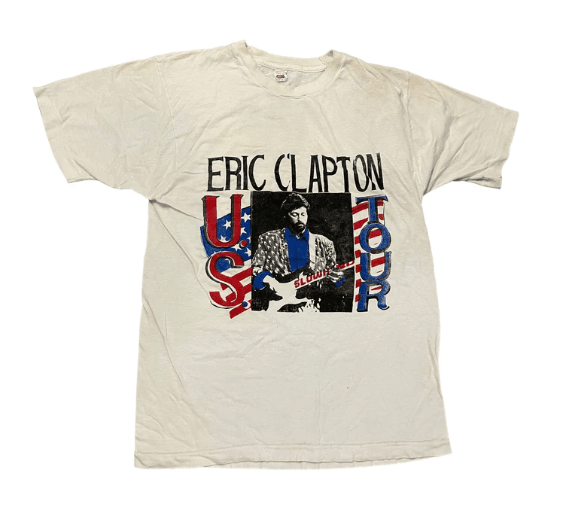
Credit: blackmarkettoronto.com
Frequently Asked Questions
What Makes A T-shirt “vintage” In 2026?
A t-shirt is considered vintage if it was made at least 20 years ago (so, 2006 or earlier in 2026). Authentic vintage tees have features like single-stitch seams, unique tags, and graphics that reflect the style of their era. Reprints or “retro-inspired” shirts made recently don’t count.
How Can I Tell If A Vintage T-shirt Is Fake?
Check the stitching (single vs. double), the tag (old logos, unusual sizing), the fabric (thin and soft), and the print (cracked or faded). Research the design online to see if it matches known originals. If the shirt looks too perfect or matches a new release, it’s probably a fake.
Are Vintage T-shirts A Good Investment?
Yes, some rare vintage t-shirts can be valuable, especially if they’re from famous bands, movies, or events. Condition and rarity matter a lot. While not every old shirt will make you rich, the right finds can be worth hundreds or even thousands of dollars.
How Should I Wash And Store Vintage T-shirts?
Wash vintage shirts gently: use cold water, mild detergent, and turn them inside out. Avoid the dryer—air drying is safer. Store folded, not hung, to prevent stretching. Keep shirts away from direct sunlight and moisture to avoid fading and mildew.
Where Is The Best Place To Buy Authentic Vintage T-shirts?
Try local thrift stores, vintage shops, and flea markets for hands-on shopping. Online, sites like eBay, Etsy, and Depop have lots of options—just check seller ratings and photos. For expert advice, the Vintage Fashion Guild is a great resource.
---
Vintage t-shirts from the 80s and 90s are more than just clothes—they’re pieces of history, conversation starters, and sometimes, ticket to the coolest club in town (the one where everyone knows the words to “Smells Like Teen Spirit”). Whether you’re collecting, investing, or just want to look awesome at your next party, these tees are here to stay.
So dig through your closet, hit your local thrift, and embrace the art of the vintage t-shirt—just beware of shoulder pads and neon windbreakers sneaking up behind you.
