

Why is Positive Self Affirmation Important for Personal Growth?
Why Is Positive Self Affirmation Important
Every day, our minds are filled with thoughts—some helpful, some harmful. Often, we talk to ourselves without even noticing. This inner voice shapes how we feel, act, and see the world. When this voice is negative, it can hold us back. But when it is positive, it can help us grow, heal, and succeed. This is where positive self affirmation comes in.
Positive self affirmation means telling yourself things that are kind, strong, and helpful. It is more than just “positive thinking. ” It is about choosing your words and beliefs carefully. When you use positive self affirmations, you can build confidence, reduce stress, and improve your life in many ways.
But why are these simple phrases so powerful? How do they really work? And what makes them so important for our mental and emotional health? Let’s explore these questions together.
Understanding Positive Self Affirmation
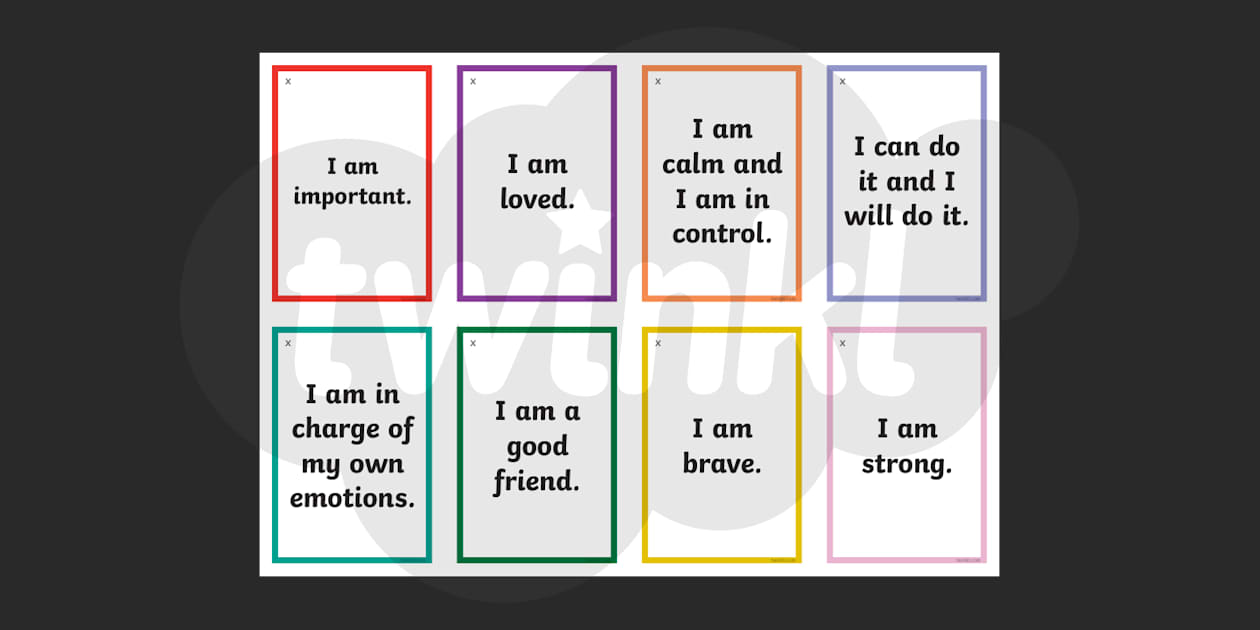
Before we look at why positive self affirmation is important, we need to understand what it is. A self affirmation is a short, positive statement you say to yourself. For example: “I am strong,” “I can handle challenges,” or “I deserve happiness.” These phrases are not just empty words. They are messages you give to your mind, shaping your thoughts and actions.
How Affirmations Work In The Brain
When you repeat a positive statement, you start to believe it over time. Brain studies show that repeating affirmations can activate parts of the brain connected to self-worth and reward. This process is called neuroplasticity—the brain’s ability to change. With regular practice, you can build new pathways in your mind that support positive beliefs about yourself.
The Difference Between Affirmation And Positive Thinking
Many people confuse positive self affirmation with positive thinking. But there’s a difference. Positive thinking is about hoping for the best or seeing the bright side. Affirmations are more active. They are about taking control and telling yourself what you want to believe. They can help change old, negative patterns that hold you back.
The Psychological Benefits Of Positive Self Affirmation
Positive self affirmation is not just a feel-good tool. It has real psychological benefits. Let’s look at some of the most important ones.
1. Builds Self-confidence
Confidence is not something you are born with—it is something you can build. When you say positive affirmations, you remind yourself of your strengths. For example, repeating “I am capable” can help you believe it, even when you feel nervous.
Over time, this can make you more confident in work, school, or relationships.
2. Reduces Stress And Anxiety
Life is full of stress. But when you use positive affirmations, you can calm your mind. Saying “I am calm and in control” or “I can handle this” helps you respond to stress in a healthier way. Studies show that affirmations can lower stress by helping you focus on what you can do, instead of what you fear.
3. Improves Mood And Well-being
Positive affirmations can lift your mood. When you focus on good things about yourself, you feel happier. This can reduce feelings of sadness or hopelessness. In fact, people who use affirmations often report feeling better about life in general.
4. Boosts Motivation And Productivity
If you struggle to stay motivated, affirmations can help. Telling yourself “I am motivated” or “I finish what I start” can push you to take action. This can lead to higher productivity, whether you are studying, working, or trying to reach a personal goal.
5. Helps Overcome Negative Self-talk
Many people have a harsh inner critic. This voice says things like “I’m not good enough” or “I always fail. ” Affirmations help you fight back against this voice. By repeating positive phrases, you can replace negative self-talk with kinder, more helpful thoughts.
6. Supports Emotional Healing
If you have been through pain or trauma, positive affirmations can support healing. They remind you that you are strong and can recover. For example, saying “I am healing every day” can help you move forward after a difficult time.
7. Increases Resilience
Resilience means bouncing back from tough times. Affirmations like “I learn from challenges” or “I can handle setbacks” build this quality. The more you believe in your ability to cope, the easier it is to keep going when life gets hard.
The Science Behind Positive Self Affirmation
You may wonder: is there real science behind affirmations? Or is it just wishful thinking? Research shows that affirmations can have measurable effects on the brain and behavior.
Brain Imaging Studies
Researchers have used brain scans to see what happens when people use affirmations. They found that certain parts of the brain “light up” when people repeat positive statements about themselves. These areas are linked to self-processing and emotional regulation. This means affirmations are not just words—they can change how the brain works.
Studies On Stress Reduction
One study found that people who practiced affirmations before a stressful event had lower levels of the stress hormone cortisol. This shows that affirmations help the body respond to stress in a healthier way.
Academic And Work Performance
In schools and workplaces, affirmations have been shown to improve performance. For example, students who wrote affirmations about their values before exams did better than those who did not. The same effect has been seen in athletes and employees.
Comparing Self-talk Approaches
Here is a simple comparison of how different self-talk strategies affect mood and motivation:
| Type of Self-Talk | Effect on Mood | Effect on Motivation |
|---|---|---|
| Positive Affirmations | Improves mood, increases hope | Boosts motivation, encourages action |
| Negative Self-Talk | Lowers mood, increases anxiety | Reduces motivation, leads to avoidance |
| Neutral Self-Talk | Little change in mood | Minimal effect on motivation |
How To Practice Positive Self Affirmation
Knowing why affirmations are important is not enough—you need to know how to use them. Here are practical steps to help you start.
1. Choose Affirmations That Matter To You
Pick statements that fit your life and goals. They should feel true or possible, even if you do not fully believe them yet. For example, if you want to feel more confident at work, try “I am skilled and valuable in my job.
”
2. Keep It Short And Simple
Short, clear affirmations are easier to remember and repeat. “I am calm,” “I am strong,” or “I can do this” are good examples.
3. Use The Present Tense
Say affirmations as if they are already true. Instead of “I will be confident,” say “I am confident. ” This helps your brain accept the message as real.
4. Repeat Regularly
Practice your affirmations every day. Many people say them in the morning, before bed, or during stressful moments. The more you repeat them, the more effective they become.
5. Say Them Out Loud Or Write Them Down
Speaking your affirmations helps make them real. You can also write them in a journal or on sticky notes where you will see them often.
6. Combine With Visualization
Picture yourself living out your affirmation. For example, if your affirmation is “I am a good speaker,” imagine yourself giving a successful presentation. This makes the message even stronger.
7. Be Patient
It takes time for affirmations to work. You may not see changes right away. But with regular practice, you will notice your thoughts and feelings start to shift.
Sample Daily Affirmation Routine
Here is a simple routine you can try:
- Find a quiet place.
- Take a few deep breaths.
- Repeat your chosen affirmation 5–10 times.
- Visualize yourself acting on the affirmation.
- End with a smile and a thank you to yourself.
Common Myths About Positive Self Affirmation
Some people doubt the power of affirmations. Let’s look at a few common myths—and the truth behind them.
Myth 1: Affirmations Are Just Wishful Thinking
Some think affirmations are only for people who want to escape reality. But in fact, affirmations are about facing challenges with a positive mindset. They help you focus on what you can do, not just what you wish for.
Myth 2: Affirmations Only Work For Certain People
Anyone can use affirmations, no matter their age, background, or experience. The key is to practice regularly and choose statements that matter to you.
Myth 3: Affirmations Are A Quick Fix
Affirmations are not magic. They will not change your life overnight. But over time, they can shift your thoughts, feelings, and actions in a real way.
Myth 4: You Have To Believe Them 100% Right Away
At first, you may not fully believe your affirmations. That is normal. With practice, your mind will start to accept them as true.
Why Positive Self Affirmation Matters In Different Areas Of Life
Positive self affirmation is important in many parts of life. Let’s see how it helps in specific areas.
In Education
Students often face pressure and self-doubt. Affirmations like “I am smart” or “I can learn new things” can help students feel more confident and do better in school. Research shows that students who use affirmations are less likely to give up when they face difficulties.
In The Workplace
Work can be stressful. Affirmations help you stay focused and confident. Saying “I am capable of solving problems” or “I work well with others” can improve teamwork and performance. Managers and leaders also use affirmations to boost their own and their team’s morale.
In Sports
Athletes often use affirmations to stay motivated and focused. For example, “I am strong,” “I can win,” or “I learn from every game. ” These statements help athletes handle pressure and bounce back after setbacks.
In Relationships
Affirmations are not just for personal growth. They can also improve your relationships. Telling yourself “I am a caring friend” or “I deserve love and respect” can help you build better connections with others.
For Mental Health
Many mental health experts recommend affirmations as part of therapy. They can help people with anxiety, depression, or low self-esteem. Affirmations are a tool for building a healthier, kinder inner voice.

Credit: www.amazon.com
Mistakes People Make With Positive Self Affirmation
Affirmations can be powerful, but only if used correctly. Here are some common mistakes and how to avoid them.
1. Using Unrealistic Statements
If you say things that feel impossible, your mind may reject them. For example, saying “I am perfect” may not feel true. Instead, try “I am doing my best” or “I am improving every day. ”
2. Being Too Vague
General statements like “I am happy” may not have much impact. Be specific: “I find joy in small things” or “I am grateful for today.”
3. Forgetting To Practice Regularly
Affirmations only work if you use them often. Set a reminder or connect them to a daily habit, like brushing your teeth.
4. Ignoring Your Feelings
If you feel sad or upset, do not just cover it with positive words. Acknowledge your feelings, then use affirmations to support yourself: “It’s okay to feel sad. I am gentle with myself.”
5. Not Personalizing Affirmations
What works for one person may not work for you. Choose affirmations that fit your life, values, and goals.
Comparing Positive Affirmations With Other Self-help Tools
There are many tools for self-improvement. How does positive self affirmation compare?
| Tool | Purpose | Best For | Limitations |
|---|---|---|---|
| Positive Affirmations | Build positive beliefs | Boosting confidence, reducing stress | Needs regular practice |
| Goal Setting | Provide direction | Planning and achievement | May cause pressure if goals are too hard |
| Meditation | Calm the mind | Reducing anxiety, improving focus | Takes time to learn |
| Journaling | Reflect on thoughts | Self-awareness, emotional release | Not everyone enjoys writing |
As shown above, positive self affirmation is a simple, flexible tool. It works well alone or with other methods.
Non-obvious Insights About Positive Self Affirmation
Most people know the basics, but there are a few insights beginners often miss.
1. Affirmations Work Best When Linked To Action
Saying “I am healthy” is good, but it works even better when you back it up with healthy habits. Use affirmations to inspire action, not just thoughts.
2. Affirmations Can Uncover Hidden Beliefs
Sometimes, repeating a positive affirmation brings up old doubts or fears. This is a chance to notice and challenge these hidden beliefs. If you feel resistance, ask yourself why—and use that as a starting point for growth.
The Role Of Culture And Language In Self Affirmation
Not all affirmations work the same in every culture or language. For example, some cultures value humility, so bold statements like “I am the best” may feel uncomfortable. In these cases, softer affirmations like “I am learning and growing” can be just as powerful.
If English is not your first language, it is okay to use affirmations in your native language. The key is that the words feel true and meaningful to you.
Examples Of Positive Self Affirmations
Here are some affirmations you can try for different situations:
- “I am worthy of respect.”
- “I am capable of learning new things.”
- “I trust myself to make good choices.”
- “I am stronger than my challenges.”
- “I am grateful for today.”
- “I handle stress with calm and courage.”
- “I am enough, just as I am.”
You can create your own affirmations based on what you need most.
How To Measure The Impact Of Positive Self Affirmation
It can be hard to know if affirmations are working. Here are some ways to track your progress:
- Notice changes in your mood or stress levels
- Keep a journal of your thoughts and feelings before and after using affirmations
- Ask yourself if you react differently to challenges
- Look for small signs of increased confidence or motivation

Credit: ripplekindness.org
When To Seek Extra Help
While affirmations are helpful, they are not a cure for serious mental health issues. If you struggle with deep sadness, anxiety, or trauma, it is important to seek help from a mental health professional. Affirmations can be part of your healing, but they are not a replacement for therapy or medical care.
For more on the science of affirmations, see this research article.
Frequently Asked Questions
What Is A Positive Self Affirmation?
A positive self affirmation is a short, encouraging statement you say to yourself. It helps you build confidence, reduce stress, and focus on your strengths.
How Often Should I Use Positive Self Affirmations?
For best results, use affirmations daily. You can repeat them in the morning, before bed, or whenever you need a boost.
Can Positive Self Affirmations Help With Anxiety?
Yes, affirmations can help calm anxiety by shifting your focus to positive, supportive thoughts. They are especially helpful when used along with other tools like breathing or meditation.
Do I Have To Say Affirmations Out Loud?
No, you can say them silently in your mind or write them down. Saying them out loud can make them feel stronger, but the most important thing is that you repeat them regularly.
What If I Do Not Believe My Affirmations At First?
It’s normal to feel unsure at first. With time and practice, your mind will start to accept the positive messages. Start with affirmations that feel possible, and build from there.
Positive self affirmation is a simple, powerful way to change your mind and your life. By practicing regularly and choosing the right words, you can build confidence, handle stress, and grow in every area of life. Remember, you have the power to shape your thoughts—one affirmation at a time.
Credit: www.twinkl.com.sg
