

Why is Affirmation Important for Personal Growth and Success?
Why Is Affirmation Important
Many people search for ways to become happier, more confident, or resilient. Some try reading self-help books, others look for support from friends, and many simply hope things improve with time. One tool, however, is both simple and powerful: affirmation. But why is affirmation important? Is it more than just repeating positive words to yourself? The answer goes much deeper.
Affirmation is about shaping your mind and the way you see yourself. It can change not just your thoughts, but also your emotions, actions, and even the results you get in life. When used well, affirmation can help you overcome fears, build better relationships, and reach your goals faster.
Yet, many underestimate its power or do not understand how it truly works.
In this article, you’ll discover why affirmation matters, how it impacts your brain and daily life, and how anyone can use it to create real, lasting change. We will explore science, practical tips, common mistakes, and even some surprising benefits that most people miss.
Whether you are new to affirmations or want to deepen your understanding, you’ll find everything you need here.
What Is Affirmation?
Affirmation is more than just saying something nice to yourself. At its core, an affirmation is a positive statement that you repeat to influence your thoughts and beliefs. It can be as simple as “I am capable” or as specific as “I am improving my skills every day.”
Affirmations help you challenge negative thoughts and replace them with healthier ones. They are not about ignoring reality or pretending problems do not exist. Instead, they help you focus on your strengths and possibilities.
Different Types Of Affirmations
- Self-affirmations: Statements that build self-worth, such as “I am enough.”
- Goal-based affirmations: Focused on achieving something, like “I am becoming a better leader.”
- Health affirmations: Related to physical or mental well-being, for example, “I treat my body with respect.”
- Relationship affirmations: Aiming to improve connections, such as “I am a caring friend.”
Each type serves a unique purpose, but all work by changing the way you see yourself and your world.
The Science Behind Affirmation
Many people wonder if affirmations are just wishful thinking. Research shows they are more than that. When you repeat positive statements, you can actually change the pathways in your brain.
How Affirmations Affect The Brain
Studies using brain scans found that saying affirmations activates the reward centers in your brain. This is the same area that lights up when you do something enjoyable, like eating your favorite food. When you use affirmations, your brain begins to expect positive outcomes, which helps reduce stress and anxiety.
Cognitive Reframing
Affirmations help you practice cognitive reframing. This means looking at situations from a more helpful or positive angle. For example, if you think “I always fail,” you might feel hopeless. But if you practice affirming “I am learning from every experience,” your mind starts to see growth instead of failure.
Data And Studies
A review of several studies found that people who used positive self-affirmations were less likely to feel defensive when facing criticism. They performed better in stressful tasks and had lower levels of stress hormones. These changes were not just temporary—they lasted over time.
Why Affirmation Is Important For Mental Health
Mental health is more than just the absence of illness. It is about feeling good about yourself, managing stress, and having hope for the future. Affirmations play a big role in this.
Reducing Negative Self-talk
Most people have a constant stream of thoughts. Many of these are negative, such as “I’m not good enough” or “I can’t do this. ” Affirmations help to interrupt this pattern. By choosing positive statements, you slowly change the way you think.
Building Self-esteem
Self-esteem is how much you value yourself. Low self-esteem can lead to anxiety, depression, and difficulty in relationships. Affirmations remind you of your worth and strengths, even on tough days.
Promoting Emotional Resilience
Life will always bring challenges. People who use affirmations are better at bouncing back from setbacks. They are less likely to stay stuck in negative emotions.
Managing Anxiety And Stress
Affirmations can lower stress levels by helping you focus on what you can control. If you repeat “I am calm and centered,” your body and mind start to believe it. You may find your heart rate slows down and your worries seem smaller.
The Role Of Affirmation In Goal Achievement
Setting goals is common, but many people give up before they reach them. Affirmations can help you stay on track.
Creating A Positive Mindset
A negative mindset can make any goal seem impossible. Affirmations like “I am making progress” encourage you to keep trying, even when things get hard.
Increasing Motivation
When you repeat affirmations related to your goals, such as “I am dedicated to my studies,” you feel more motivated. This simple act can help you push through challenges.
Building Consistency
One of the most overlooked benefits is consistency. When you make affirmations a daily habit, you build a routine that supports your goals. This makes it easier to avoid distractions or procrastination.
Example: Athletes And Affirmation
Many top athletes use affirmations before competitions. They might say, “I am focused and ready,” which helps them perform under pressure. This is not just positive thinking; it’s a mental strategy.

Credit: slumberkins.com
Impact On Relationships And Communication
Affirmations are not only for personal growth. They can improve the way you interact with others.
Enhancing Empathy And Kindness
When you affirm, “I am a good listener” or “I treat others with respect,” you become more aware of your actions. This leads to better conversations and deeper connections.
Reducing Conflict
Affirmations help you stay calm during disagreements. For example, reminding yourself “I can stay calm and patient” makes it easier to resolve problems without anger.
Strengthening Bonds
Using affirmations in relationships, like “I am grateful for my partner,” can make you notice the good qualities in others. Over time, this strengthens trust and love.
Practical Example
Some couples start the day by sharing affirmations with each other. This simple practice can turn small arguments into moments of growth.
Affirmation And Physical Health
You might wonder how positive statements can affect your body. The link between the mind and body is strong.
Reducing Stress-related Illness
Stress can cause headaches, stomach problems, and even heart issues. Affirmations help lower stress, which means fewer physical symptoms. For instance, nurses who practiced daily affirmations reported fewer sick days and better energy at work.
Encouraging Healthy Choices
If you repeat, “I choose foods that nourish me,” you may find it easier to avoid junk food. This works for exercise too. Saying “I enjoy moving my body” can help you stay active.
Supporting Recovery
People recovering from illness often use affirmations like “My body is healing every day. ” This does not replace medicine, but it can improve your attitude and hope, which supports healing.
A Surprising Benefit
Some studies found that people who use affirmations are less likely to skip medical check-ups or ignore symptoms. They feel more in control of their health.

Credit: teeslocal.com
Affirmation In The Workplace
The importance of affirmation is growing in companies and organizations. It can change not just personal success, but also the culture of a whole team.
Boosting Productivity
When employees use affirmations like “I am focused and productive,” they get more done. This is because positive beliefs lead to positive actions.
Reducing Burnout
Burnout is a common problem. Affirmations help workers feel more valued and less stressed. Statements like “I am capable of handling challenges” can make a busy day feel more manageable.
Improving Teamwork
Teams that practice affirmation together are more supportive. For example, starting meetings with a positive statement can lift everyone’s mood and improve results.
Comparison Of Workplaces With And Without Affirmation
Here is a look at some differences:
| With Affirmation | Without Affirmation |
|---|---|
| Higher motivation | Lower motivation |
| Better teamwork | More conflict |
| Less burnout | Higher stress |
| Positive work culture | Negative atmosphere |
Common Myths About Affirmation
Even with all the benefits, some people still doubt affirmation works. Let’s clear up a few myths.
Myth 1: Affirmation Is Just Wishful Thinking
Some believe repeating positive phrases will not change anything. In reality, affirmation works when it’s specific, believable, and practiced regularly.
Myth 2: Affirmations Ignore Real Problems
Affirmation does not mean you ignore difficulties. Instead, it helps you focus on solutions and strengths.
Myth 3: Only Certain People Benefit
Anyone can use affirmations, no matter their background or struggles. The key is to choose words that matter to you.
Myth 4: Affirmations Need To Be Long
Short, simple statements can be just as powerful as longer ones. For example, “I am strong” is enough to create change.
Myth 5: You Must Say Them Aloud
While speaking affirmations out loud can be helpful, writing or even thinking them also works.
How To Create Effective Affirmations
To get real results, affirmations need to be personal and meaningful. Here’s how to make them work for you.
Be Positive And Present
Affirmations should be about what you want now, not what you do not want. For example, say “I am confident,” instead of “I am not afraid. ”
Make Them Believable
If a statement feels fake, your mind will reject it. Start with what you can believe, such as “I am learning to be confident. ”
Keep Them Simple
Choose short, clear phrases. This makes it easier to remember and repeat them throughout the day.
Be Specific
General statements are less effective. Instead of “I am successful,” try “I am successful at managing my time. ”
Use Emotion
Add feelings to your affirmation, like “I feel grateful for my progress. ” This makes the statement stronger.
Example Table: Good Vs. Weak Affirmations
| Good Affirmation | Weak Affirmation |
|---|---|
| I am calm and focused. | I don’t want to be stressed. |
| I enjoy learning new things. | I will try to study more. |
| I treat myself with kindness. | I’m not as bad as others say. |
How To Use Affirmation In Daily Life
Knowing why affirmation is important is only the first step. The real change comes from using them every day.
Morning Routine
Start your day with affirmations before you even get out of bed. This sets a positive tone and can make the whole day better.
Mirror Technique
Look into the mirror and say your affirmations. This builds self-connection and confidence.
Write Them Down
Writing affirmations in a journal helps you remember and believe them. You can also post them on sticky notes around your home or office.
Use Technology
Set reminders on your phone or use affirmation apps. These small nudges can make it easier to keep the habit.
During Stressful Moments
Use affirmations when you feel nervous or upset. For example, before a big meeting or exam, repeat “I am prepared and calm. ”
Share With Others
Tell your friends or family about your affirmations. This creates accountability and support.
Example: A Day With Affirmation
Imagine you start the morning with “I am excited for today. ” At lunch, you remind yourself, “I am grateful for good food. ” When you face a problem at work, you say, “I can handle this challenge. ” At night, you finish with “I am proud of my efforts.
” These small statements shape your whole day.
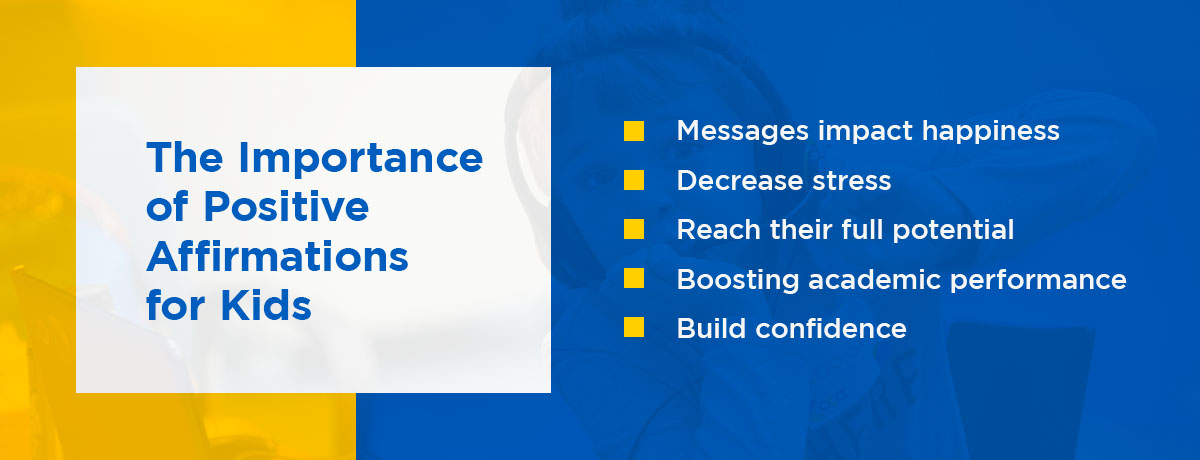
Credit: ccaeducate.me
Non-obvious Insights About Affirmation
Even people who use affirmations often miss some key points that can make them more powerful.
Insight 1: Affirmations Shape Your Identity
Over time, affirmations do not just change your mood—they change who you believe you are. If you keep saying “I am a healthy person,” you start to act in ways that support health, even when no one is watching.
Insight 2: Affirmations Work Best With Action
Repeating words alone is not enough. Affirmations are most effective when you also take small steps toward your goal. If your affirmation is “I am organized,” spend a few minutes tidying up. This turns your words into reality.
Insight 3: Affirmations Can Uncover Limiting Beliefs
When you struggle to believe an affirmation, pay attention. This may show you an area where you need more self-care or support. For example, if “I am worthy” feels uncomfortable, it’s a sign to explore why.
Common Mistakes With Affirmation
Even with good intentions, some mistakes can stop affirmations from working.
Saying What You Don’t Want
Many people create affirmations about what they want to avoid, like “I will not be late. ” This focuses your mind on the problem, not the solution.
Being Too Vague
Weak affirmations are unclear. “I want to be happy” is not as strong as “I choose to find joy in small things. ”
Lack Of Repetition
Affirmations need to be repeated often. Saying them once is not enough. Make it a daily habit for the best results.
Ignoring Feelings
If you do not feel any emotion while saying your affirmation, it may not work. Choose words that matter to you.
Not Adjusting Over Time
Your needs and goals will change. Update your affirmations as you grow.
Real-life Examples And Case Studies
Seeing how affirmation works for real people can help you believe in its power.
Student Success
A student who struggled with exams began using the affirmation, “I am confident in my knowledge. ” Over a few months, her grades improved, not just because she studied more, but because she felt less anxious and remembered information better.
Career Growth
One young professional used the daily statement, “I am ready for new opportunities. ” He noticed he started volunteering for more projects at work and was soon promoted.
Health Transformation
A woman recovering from an injury repeated, “My body is getting stronger every day. ” This helped her stay motivated with her exercises, and she healed faster than expected.
Relationship Healing
After a tough breakup, a man used “I am open to love and growth. ” Instead of staying bitter, he focused on self-improvement and soon built better friendships.
How Affirmation Differs From Other Positive Practices
You might wonder how affirmations are different from other methods like visualization or meditation.
| Affirmation | Visualization | Meditation |
|---|---|---|
| Uses positive words | Uses mental images | Focuses on awareness |
| Builds beliefs | Builds clarity | Reduces stress |
| Easy to use anytime | Needs quiet time | Needs practice |
Affirmations are flexible and can be used anywhere. They do not require special tools or long sessions. This makes them one of the easiest ways to change your mindset quickly.
How To Measure The Impact Of Affirmations
It’s important to know if affirmations are working for you. Here’s how to track progress.
Notice Your Thoughts
Are your automatic thoughts becoming more positive? This is a good sign.
Watch Your Actions
If you act with more confidence or kindness, your affirmations are working.
Check Your Emotions
Feeling more peaceful or hopeful is a clear result of daily affirmations.
Track Your Goals
If you are reaching more goals, affirmation is likely helping.
Get Feedback
Ask friends or colleagues if they see changes in you. Sometimes others notice before you do.
Making Affirmation A Life-long Habit
Affirmation is not something you try once and forget. To get the full benefits, make it a regular part of your life.
- Set a reminder to use affirmations every morning or night.
- Adjust your statements as your life changes.
- Share your practice with others for support.
- Celebrate small wins along the way.
Remember, the power of affirmation grows over time. The more you use it, the more natural and effective it becomes.
Frequently Asked Questions
What Is The Best Time To Use Affirmations?
You can use affirmations anytime. Many people find mornings or evenings work best because your mind is calm. Using them before stressful events, like meetings or exams, is also helpful.
Can Affirmations Replace Professional Help?
Affirmations support mental health, but they are not a replacement for therapy or medical treatment. If you have serious challenges, it’s best to seek help from a professional.
How Long Does It Take To See Results From Affirmations?
Some people notice changes in a few days, while for others it takes weeks or months. The key is consistency. Using affirmations daily is more important than how long each session lasts.
Should I Write Or Say My Affirmations?
Both ways work. Saying them out loud can be powerful, but writing them in a journal also helps. Choose the method that feels best for you.
Where Can I Find More Research On Affirmations?
You can read about scientific studies on affirmations on trusted sites like Wikipedia. This gives you more details about how affirmations affect the brain and behavior.
Affirmation is simple, but its impact is deep. Using positive statements every day can change your thoughts, health, relationships, and success. Start small, be consistent, and watch your life transform.
