

Why is Affirmation Important for Personal Growth and Success?
Why Is Affirmation Important
Have you ever wondered why some people seem more confident, happy, and motivated than others? It is not always about talent or luck. Often, it’s about how they speak to themselves and what they believe deep inside. This is where affirmation comes in. Affirmations are positive statements that help shape your thoughts, feelings, and actions. They may sound simple, but the effects can be powerful. Many successful people, athletes, and even therapists use affirmations to improve their mindset and reach their goals. But why are affirmations so important? In this article, you’ll discover the real value of affirmations, how they work, and how they can change your life for the better.
The Science Behind Affirmations
Affirmations are more than just words. When you repeat positive statements often, your mind starts to believe them. This process is called self-affirmation theory. Studies show that positive self-talk can change the way your brain works. For example, when you say “I am confident,” your brain begins to look for proof that you are confident. Over time, this can help you actually become more confident.
Brain imaging research shows that affirmations activate the parts of the brain linked to self-processing and reward. This means that affirmations can help you feel good about yourself and motivate you to make healthy choices. One experiment found that people who used affirmations before a stressful task had less stress and performed better.
But affirmations are not magic. They work best when you truly believe in them and use them regularly. They can help change negative thinking patterns, but they need practice and patience.
How Affirmations Shape Your Mindset
Affirmations can change how you see yourself and your life. When you repeat positive statements, you start to believe in your own value and abilities. This is called a growth mindset. People with a growth mindset believe they can learn, improve, and overcome challenges.
Negative thoughts can hold you back. For example, if you always think “I can’t do this,” you might not even try. Affirmations help break this cycle. When you say “I can handle this,” your mind becomes open to trying new things.
This simple shift can lead to more success and happiness.
Another important point is that affirmations can help reduce self-doubt. When you feel unsure about yourself, repeating positive statements can remind you of your strengths. Over time, this builds your confidence and self-esteem.
The Emotional Impact Of Affirmations
Your emotions are closely connected to your thoughts. Negative thinking can cause stress, anxiety, and even depression. Affirmations help you focus on positive ideas, which can boost your mood and well-being.
For example, people who use affirmations often report feeling calmer and less anxious. Affirmations can also help you manage difficult emotions, like anger or sadness. Instead of focusing on what’s wrong, you focus on what’s possible.
Affirmations are especially helpful during tough times. When you face a setback, positive statements can remind you that you are strong and can get through it. This emotional support is important for mental health and resilience.
Affirmations And Self-esteem
Self-esteem is how much you value and respect yourself. People with high self-esteem are more likely to take risks, try new things, and bounce back from failure. Affirmations are a simple but effective way to build self-esteem.
When you say things like “I am worthy” or “I deserve happiness,” you send a powerful message to your mind. Over time, these messages become part of your beliefs. This makes it easier to accept yourself and feel good about who you are.
Here are some examples of affirmations that boost self-esteem:
- I am enough.
- I trust myself.
- I am proud of who I am.
- My opinions matter.
Many people do not realize that low self-esteem is often learned from past experiences. Affirmations can help you “unlearn” negative beliefs and replace them with positive ones.
Affirmations And Motivation
Staying motivated can be hard, especially when you face challenges or feel tired. Affirmations can give you the push you need to keep going. They remind you of your goals and strengths, helping you stay focused.
For example, athletes use affirmations like “I am strong” or “I never give up” before a game. This can improve their performance and help them overcome nerves. In the workplace, repeating affirmations like “I can handle any task” can boost productivity and reduce stress.
Affirmations are not just for big goals. They can also help with daily motivation, like getting out of bed or starting a new project. The key is to choose affirmations that are meaningful to you.
How Affirmations Improve Relationships
Affirmations do not only affect you—they also shape how you relate to others. When you feel good about yourself, you are more likely to treat others with kindness and respect. Positive self-talk can help you communicate better, solve conflicts, and build trust.
For example, if you use affirmations to boost your confidence, you may find it easier to speak up in meetings or have difficult conversations. Affirmations like “I am a good friend” or “I listen with care” can help you focus on building positive relationships.
Affirmations can also help you forgive and let go of anger. By repeating statements like “I choose to forgive,” you can release negative feelings and improve your emotional health.
Practical Ways To Use Affirmations
Affirmations are most effective when you use them regularly and with intention. Here are some practical tips to get the most out of your affirmations:
- Choose positive, present-tense statements: Focus on what you want, not what you don’t want. For example, say “I am confident” instead of “I am not afraid.”
- Repeat them daily: Say your affirmations in the morning, before bed, or any time you need a boost.
- Write them down: Keeping a journal of your affirmations can help you remember and believe them.
- Say them out loud: Hearing your own voice can make affirmations more powerful.
- Visualize the outcome: Picture yourself living your affirmation. This can help your mind accept it as true.
Many people stop using affirmations because they don’t see instant results. Remember, affirmations are a habit. The more you use them, the more natural they will feel.
Common Mistakes When Using Affirmations
While affirmations are simple, some common mistakes can make them less effective. Understanding these can help you get better results.
- Being too general: Vague affirmations like “I am happy” may not feel real. Be specific: “I find joy in small moments every day.”
- Not believing in them: If you do not believe your affirmation, your mind may resist it. Start with statements that feel possible.
- Giving up too soon: Change takes time. Stick with your affirmations, even if you do not see results right away.
- Using negative language: Avoid words like “not” or “never.” Focus on positive words.
- Forgetting to take action: Affirmations work best when combined with real steps toward your goals.
The Role Of Affirmations In Overcoming Self-doubt
Self-doubt can stop you from reaching your potential. It often comes from negative past experiences or fear of failure. Affirmations help you challenge these thoughts and replace them with positive beliefs.
For example, if you doubt your ability at work, you might say, “I am capable and skilled. ” Over time, this can help you feel more confident and take on new challenges.
It’s important to notice when self-doubt appears. Use affirmations as a tool to shift your thinking. Even if you do not feel confident right away, repeating positive statements can help you move forward instead of getting stuck.
Affirmations And Stress Management
Stress affects your body and mind. It can make you tired, anxious, or even sick. Affirmations are a useful tool for managing stress. When you feel overwhelmed, positive self-talk can help you calm down and regain control.
For example, saying “I am calm and in control” can help slow your breathing and relax your muscles. Affirmations can also remind you of your strengths and resources, making it easier to handle tough situations.
Some people use affirmations as part of a daily stress-reduction routine. This might include deep breathing, meditation, or gentle movement. The combination of positive words and relaxation helps reduce stress more effectively than either alone.
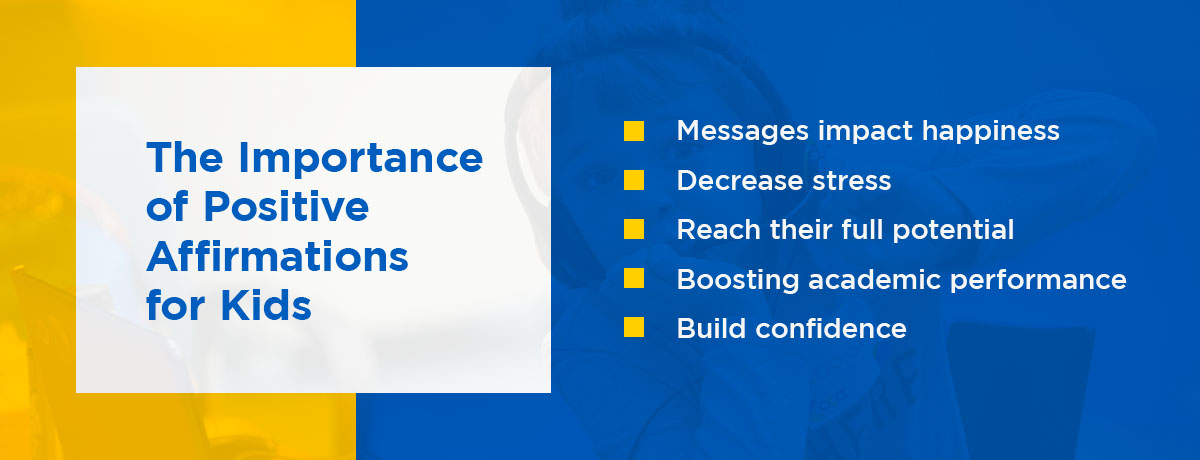
The Power Of Affirmations For Children And Teens
Affirmations are not just for adults. Children and teens also benefit from positive self-talk. In fact, the earlier you start using affirmations, the more powerful the results can be.
Young people often struggle with self-esteem, peer pressure, and academic stress. Affirmations like “I am smart,” “I am a good friend,” or “I can learn from my mistakes” can help build confidence and resilience.
Parents and teachers can encourage kids to use affirmations by making them fun. For example, creating affirmation cards, posters, or songs can help children remember positive messages.
Here’s a quick comparison of affirmation impact for adults and children:
| Group | Main Benefits | Popular Affirmations |
|---|---|---|
| Adults | Reduces stress, boosts confidence, improves performance | I am capable, I handle challenges well, I am worthy |
| Children/Teens | Builds self-esteem, helps with peer pressure, encourages learning | I am smart, I am kind, I can try again |
One non-obvious insight: children often believe what adults say about them. Using affirmations with children can help protect them from negative labels or bullying.
Affirmations And Physical Health
It may surprise you, but affirmations can also affect your physical health. When you feel good about yourself, you are more likely to make healthy choices. For example, people who use affirmations are more likely to exercise, eat well, and avoid harmful habits.
Research shows that positive self-talk can lower blood pressure, reduce pain, and even boost your immune system. This happens because affirmations help lower stress, which is linked to many health problems.
Here’s a table comparing the effects of positive vs. negative self-talk on health:
| Type of Self-Talk | Short-Term Effects | Long-Term Effects |
|---|---|---|
| Positive (Affirmations) | Calm feelings, better focus | Lower risk of illness, better recovery, healthy habits |
| Negative | Increased stress, worry | Higher risk of illness, poor habits, slower healing |
One insight most beginners miss: your body “listens” to your thoughts. Positive affirmations can send healthy signals, while negative self-talk can make you feel worse.

Credit: teeslocal.com
The Role Of Affirmations In Achieving Goals
Setting goals is important, but reaching them can be hard. Affirmations keep you focused and motivated. They help you believe you can succeed, even when things get tough.
For example, if your goal is to learn a new language, you might use affirmations like “I am improving every day” or “I enjoy learning. ” These statements keep your mind positive and make it easier to stick with your plan.
Affirmations also help you bounce back from setbacks. When you fail, it’s easy to feel discouraged. Positive self-talk reminds you that failure is part of growth. You can try again with a better mindset.
Cultural And Spiritual Importance Of Affirmations
Affirmations are not a new idea. Many cultures and spiritual traditions use positive statements as part of their rituals. For example, in some religions, repeating mantras or prayers is a way to focus the mind and connect with a higher power.
Even in modern psychology, affirmations are used in therapy to help people heal from trauma or cope with stress. The key idea is the same: your words shape your reality.
Some cultures use group affirmations in ceremonies or gatherings. This shared practice builds unity and a sense of belonging. It reminds people that they are not alone in their struggles.
Evidence From Research And Real Life
The benefits of affirmations are supported by research and real-life stories. Scientists have studied how positive self-talk affects stress, health, and performance. For example, one study found that students who used affirmations before exams had better results and felt less anxious.
Many famous athletes, actors, and business leaders talk about using affirmations. For example, Serena Williams often speaks about the power of positive self-talk in her tennis career. Her example shows that affirmations are not just “nice words”—they can help you reach the highest level of success.
If you want to read more about the science behind affirmations, check this research summary.
Creating Your Own Powerful Affirmations
Anyone can create affirmations that work for them. Here are some tips to help you write your own:
- Be positive and specific: Say what you want to achieve, not what you want to avoid.
- Use present tense: Act as if your affirmation is already true.
- Make it personal: Use “I” statements that feel real to you.
- Keep it short and simple: Short statements are easier to remember and repeat.
- Focus on what matters most: Pick affirmations that match your goals and values.
Examples:
- “I am healthy and strong.”
- “I enjoy learning new things.”
- “I am loved and accepted.”
- “I am growing every day.”
Try writing three affirmations that fit your current needs. Repeat them every day and notice how your mindset changes.
Credit: ccaeducate.me
When Affirmations May Not Work
Affirmations are helpful, but they are not a cure-all. Sometimes, repeating positive statements is not enough, especially if you struggle with deep-seated negative beliefs or serious mental health issues. In these cases, it’s important to seek support from a therapist or counselor.
Some people may feel worse when using affirmations that feel “fake. ” If this happens, try softer statements, like “I am open to learning,” instead of “I am perfect. ” The goal is to move toward positivity, not to force yourself to believe something you are not ready for.
Combining Affirmations With Other Tools
Affirmations work best when combined with other positive practices. Here are some ideas:
- Meditation: Repeat your affirmations while meditating to deepen their impact.
- Gratitude journaling: Write down things you are thankful for along with your affirmations.
- Visualization: Picture yourself living your affirmation in detail.
- Goal setting: Use affirmations to support your goals and track your progress.
This combination makes your affirmations more meaningful and helps you see real change in your life.
Real-world Examples Of Affirmation Success
Many people have changed their lives using affirmations. Here are a few examples:
- Athletes: A runner uses “I am fast and focused” before races. Over time, her times improve, and she feels less nervous.
- Students: A student who struggles with math starts saying “I can solve problems.” Slowly, his grades improve, and he feels more confident.
- Professionals: An employee uses “I am a valuable team member” at work. He becomes more active in meetings and gets a promotion.
- Parents: A mother repeats “I am patient and loving” during stressful days. She finds she can handle tantrums more calmly.
One key insight: the biggest changes often happen when people use affirmations during tough times—not just when things are going well.
A Closer Look: How Affirmations Affect Your Brain
Let’s break down how affirmations change your brain. When you repeat positive statements, you create new neural pathways. This means your brain gets better at thinking positively over time.
Here’s a simple table to show the effect:
| With Affirmations | Without Affirmations |
|---|---|
| More positive self-talk | Negative or doubtful thoughts |
| Better stress management | Higher stress and worry |
| Increased confidence | Lower self-esteem |
The more you practice, the easier it becomes. Think of affirmations as “mental exercise” for your brain.
Two Insights Beginners Often Miss
- Affirmations are not about ignoring problems. Some people think affirmations mean pretending everything is fine. In reality, affirmations help you face challenges with a positive mindset. You still work on your problems, but with more hope and strength.
- Small, regular practice works best. Long lists of affirmations are not necessary. Even one or two powerful statements, repeated daily, can lead to big changes.
Taking Affirmations Beyond Words
Affirmations start with words, but they should lead to action. When you believe in yourself, you are more likely to take steps toward your goals. For example, someone who says “I am creative” might start painting or writing more often.
Actions make your affirmations real. If you want your affirmations to work, look for small ways to act on them each day.

Credit: slumberkins.com
Frequently Asked Questions
What Are Affirmations And How Do They Work?
Affirmations are positive statements that you repeat to yourself to change the way you think and feel. They work by helping you focus on your strengths and possibilities instead of your doubts and fears. Over time, affirmations can change your beliefs and actions.
How Often Should I Use Affirmations?
For best results, use affirmations daily. You can say them in the morning, before bed, or whenever you need encouragement. Regular repetition helps your mind accept new positive beliefs.
Can Affirmations Help With Anxiety Or Depression?
Affirmations can be helpful for mild anxiety or low mood, as they encourage positive thinking and self-belief. However, they are not a replacement for professional help if you have serious mental health issues. In those cases, it’s important to talk to a therapist.
Do Affirmations Work For Everyone?
Most people can benefit from affirmations, but results vary. The key is to choose statements that feel real and meaningful to you. If you struggle with deep negative beliefs, start with gentle affirmations or seek support from a counselor.
What Is The Best Way To Create My Own Affirmations?
Start by thinking about what you want to improve or feel better about. Use positive, present-tense words and make the statement personal. Keep it simple and specific. For example, instead of “I will be happy,” say “I am finding joy in my life.
”
Affirmations are a powerful tool for shaping your thoughts, feelings, and actions. They help you build confidence, manage stress, and reach your goals. With regular practice and the right mindset, affirmations can bring real, lasting change to your life.
