

Why Do Positive Affirmations Work: Unlocking Your Mind’s Power
Why Do Positive Affirmations Work
Imagine waking up and telling yourself, “I am confident, I am capable, I can handle anything today.” It sounds simple, almost too simple. But across the world, people use these positive affirmations every day to boost their mood, change their mindset, and even improve their lives. Why do positive affirmations work? Is it just wishful thinking, or is there real science behind it?
This article explores the surprising power of positive affirmations. You will learn how they influence the mind and body, what makes them effective, and how to use them for real results. If you’ve ever doubted whether repeating kind words to yourself can really change your life, you’re about to discover the deeper reasons behind this practice.
What Are Positive Affirmations?
Positive affirmations are short, powerful statements that you repeat to yourself, usually out loud or in your mind. They focus on self-belief, growth, and positivity. The main idea is to tell yourself something positive, even if you don’t fully believe it yet, until your mind starts to accept it as true.
Some examples include:
- “I am worthy of love and respect.”
- “I am getting better every day.”
- “I have the power to change my life.”
Affirmations are used in many areas—self-help, therapy, sports, and even business. They’re not just empty words. When used regularly, they can help you overcome self-doubt, negative thinking, and mental blocks.
The Science Behind Positive Affirmations
Many people think affirmations are just wishful thinking. But science shows otherwise. Let’s look at how positive affirmations actually work in the brain and body.
Neuroplasticity: Changing The Brain
The human brain can change its structure and function based on experience and repetition. This ability is called neuroplasticity. When you repeat positive affirmations, you’re actually helping your brain create new pathways for positive thinking.
Studies using brain scans have shown that when people use affirmations, the areas of the brain involved in self-processing and reward become more active. This means your brain starts to see these positive statements as real possibilities.
Self-affirmation Theory
According to psychologists, self-affirmation theory explains how affirmations protect our sense of self-worth. When you face stress or criticism, affirmations help you remember your values and strengths. This reduces anxiety and boosts self-confidence.
Reducing Negative Self-talk
Most people have an inner critic. This voice says things like, “I’m not good enough,” or “I always fail. ” Repeating positive affirmations helps push back against these thoughts. Over time, you replace old, harmful beliefs with new, supportive ones.
Supporting Evidence
Research has found that positive affirmations can:
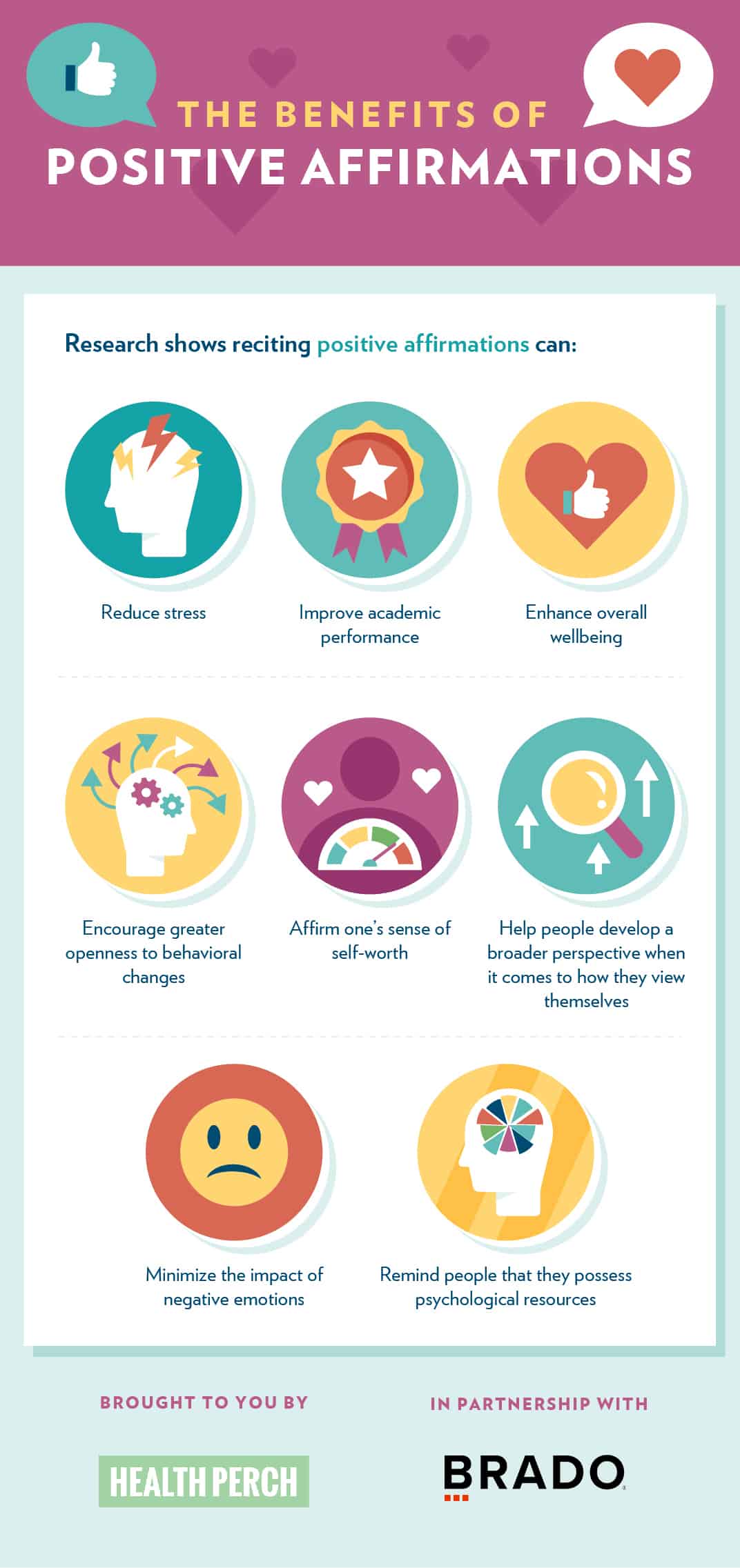
- Reduce stress
- Increase academic performance
- Boost problem-solving under pressure
- Improve mental health and well-being
For example, one study found that students who used affirmations before exams performed better than those who did not. Another study showed that people using affirmations after a setback recovered their self-esteem faster.
How Positive Affirmations Influence Emotions And Behavior
Affirmations are more than just words. They can have a real impact on how you feel and act every day.
Shaping Your Identity
When you repeat positive statements, you start to see yourself differently. If you say, “I am a confident speaker,” you begin to act and think like one. This shapes your identity and helps you grow into the person you want to be.
Boosting Motivation
Affirmations can fuel your motivation. They remind you of your goals and strengths, which pushes you to take action. Athletes often use affirmations before a big game to get into the right mindset.
Managing Stress And Anxiety
Repeating calming affirmations like, “I am calm and in control,” can lower your stress levels. These words can help regulate your emotions during tough situations.
Improving Performance
Whether you’re giving a presentation or learning a new skill, affirmations can boost your performance. They reduce self-doubt and help you focus on your abilities.
The Role Of The Subconscious Mind
A big reason affirmations work is their effect on the subconscious mind. This is the part of your mind that controls automatic thoughts, habits, and emotions.
Planting Seeds Of Belief
When you say an affirmation, you plant a seed in your subconscious. Over time, with repetition, your mind starts to accept these new beliefs as true. This is similar to how habits form.
Reprogramming Old Patterns
Many negative beliefs come from past experiences or messages you heard growing up. Affirmations help overwrite these old patterns with new, positive ones.
Example: From Self-doubt To Self-trust
If you always heard, “You’re not smart enough,” as a child, you might struggle with self-doubt as an adult. But if you start repeating, “I am capable and intelligent,” your subconscious begins to accept this new message. You start to behave and make decisions from a place of self-trust.
How To Use Positive Affirmations Effectively
Repeating affirmations once or twice is not enough. To see real change, you need to use them correctly and consistently.
Choose The Right Affirmations
The best affirmations are:
- Personal: They reflect your true goals and values.
- Positive: Focus on what you want, not what you don’t want.
- Present Tense: Say them as if they are already true.
For example, instead of “I will not be anxious,” say, “I am calm and confident. ”
Make Them Believable
Affirmations should feel possible. If you say, “I am a billionaire,” but don’t believe it, your mind will reject it. Start with smaller, believable steps. For example, “I am improving my finances every day. ”
Repeat Them Consistently
Repetition is key. Say your affirmations every morning or before bed. You can write them down, say them out loud, or listen to recordings.
Use Emotion And Visualization
Don’t just say the words—feel them. Imagine how your life will look and feel when your affirmation is true. This makes your brain accept them faster.
Example Routine
- Stand in front of a mirror.
- Look into your eyes.
- Say your affirmation with energy and belief.
- Repeat it 5-10 times.
- Visualize the outcome.
Track Your Progress
Keep a journal to note any changes in your thoughts, feelings, or actions. Over time, you’ll see how affirmations shape your mindset.
Common Mistakes When Using Affirmations
Many people try affirmations and give up because they don’t see results right away. Here are some common mistakes to avoid:
1. Lack Of Consistency
Saying affirmations once or twice won’t create change. It takes time and daily practice.
2. Choosing Unrealistic Affirmations
If you pick statements you don’t believe at all, your mind will resist. Start with believable, achievable affirmations.
3. Ignoring Emotions
Affirmations work best when you feel the emotion behind the words. If you just repeat them without feeling, they lose power.
4. Not Taking Action
Affirmations are not magic spells. You need to pair them with real effort and action.
5. Negative Wording
Avoid affirmations that include negative words like “not” or “never. ” Focus on what you want to create, not what you want to avoid.
Credit: www.northwestpharmacy.com
The Difference Between Positive Affirmations And Positive Thinking
It’s easy to confuse positive affirmations with general positive thinking. While both are important, they are not the same.
- Positive affirmations are specific statements you repeat to yourself.
- Positive thinking is a general mindset that looks for the good in situations.
Affirmations are an active practice, while positive thinking is more passive. Using both together can create even stronger results.
Data And Real-world Examples
The effectiveness of positive affirmations is not just theory—there are real-world examples and data to back it up.
Performance Under Pressure
A study found that people who used affirmations before a stressful task performed better than those who didn’t. They also felt less anxiety and more confidence.
Academic Achievement
In schools, students who wrote about their values and repeated affirmations before tests had higher grades. They also showed greater resilience after setbacks.
Health And Wellness
Affirmations can even impact physical health. For example, people recovering from illness who used positive self-talk reported less pain and faster healing.
Side-by-side Comparison
Here’s a quick comparison of how affirmations can change specific outcomes:
| Situation | Without Affirmations | With Affirmations |
|---|---|---|
| Job Interview | High anxiety, self-doubt | More confidence, better answers |
| Public Speaking | Nervous, shaky voice | Calmer, stronger delivery |
| Sports Game | Focus on mistakes | Positive focus, higher performance |
How Affirmations Compare To Other Self-help Techniques
There are many ways to improve your mindset. How do affirmations stack up against other popular techniques?
| Technique | Time Needed | Main Focus | Best For |
|---|---|---|---|
| Affirmations | 1–5 minutes daily | Self-belief, mindset | Quick mood boost, daily motivation |
| Meditation | 10–30 minutes | Calm, awareness | Stress relief, emotional balance |
| Visualization | 5–15 minutes | Goal achievement | Preparing for big events |
| Journaling | 10–20 minutes | Reflection, clarity | Self-discovery, processing emotions |
Affirmations are quick and easy to use. They can be combined with these other tools for even better results.
Insights Most Beginners Miss
People new to affirmations often overlook some important details that make a big difference.
1. Affirmations Work Best When Linked To Action
It’s not enough to say, “I am healthy. ” You must also make healthy choices. Affirmations set your mindset, but your actions create results.
2. Timing Matters
The mind is most open to new ideas during certain times, like right after waking up or before sleep. Using affirmations at these moments can make them sink in deeper.
3. Belief Grows With Evidence
When you start to see small results from your affirmations, your belief in them grows. This creates a positive cycle—your belief boosts your actions, and your actions reinforce your belief.
4. Affirmations Can Be Custom-made
Many people use generic affirmations they find online. But custom affirmations, using your own words and desires, work much better because they feel more real to you.
5. Combining Affirmations With Body Language
Standing tall, smiling, or using a “power pose” while saying affirmations can boost their impact. Your body and mind work together to reinforce the message.
The Role Of Language And Repetition
Language is powerful. The words you use shape your thoughts, and your thoughts shape your reality. This is why the exact words in your affirmations matter so much.
The Power Of “i Am”
Most affirmations start with “I am. ” This signals to your brain that the statement is about you right now. It makes the affirmation feel more real and urgent.
Using Clear And Positive Words
Vague affirmations like “I want to be happy” don’t work as well as “I am happy and grateful. ” The second statement is clear, positive, and present tense.
Repetition Builds Strength
Just like learning a new skill, repetition is how affirmations become part of you. The more often you say them, the stronger they become in your mind.
Practical Ways To Add Affirmations To Your Life
You don’t have to stand in front of a mirror every day (though it helps). Here are some easy ways to add affirmations to your routine:
- Morning Routine: Say your affirmations while brushing your teeth or making your bed.
- Affirmation Cards: Write them on cards and keep them in your wallet or on your desk.
- Phone Reminders: Set reminders to pop up during the day.
- Audio Recordings: Record your affirmations and listen to them while walking or driving.
- Before Sleep: Repeat affirmations as you fall asleep to reach your subconscious mind.
Overcoming Resistance To Affirmations
It’s normal to feel silly or uncomfortable when you start using affirmations. Here’s how to overcome resistance:
- Start Small: Begin with simple, believable affirmations.
- Give It Time: It may take weeks or even months to see big changes.
- Combine With Evidence: Look for small successes each day to prove your affirmations are working.
- Ignore the Inner Critic: If your mind says, “This is silly,” notice the thought but don’t let it stop you.
Cultural And Historical Roots Of Affirmations
Affirmations might seem modern, but the idea goes back centuries. Ancient cultures used chants, prayers, and mantras for self-improvement and healing. Today’s affirmations are just a new way to use this old wisdom.
For example, in yoga and meditation, mantras (repeated words or phrases) are used to focus the mind and build positive energy. In religions, prayers often serve a similar purpose. This shows that using words to shape the mind is a timeless human practice.

Credit: www.cultureally.com
The Limits Of Positive Affirmations
While affirmations are powerful, they’re not a cure-all. Here’s what they can—and cannot—do:
What Affirmations Can Do
- Boost confidence and motivation
- Help manage stress and negative thinking
- Support goal achievement
- Improve mental and emotional well-being
What They Cannot Do
- Replace professional therapy for serious mental health issues
- Solve problems without action
- Work instantly or magically
It’s important to see affirmations as one tool in your self-care toolbox, not the only answer.
Real-life Success Stories
Many famous people credit affirmations for part of their success. For example, athletes like Muhammad Ali used phrases like, “I am the greatest,” to boost performance. Business leaders use affirmations to stay focused and resilient.
But you don’t need to be famous to see results. Everyday people use affirmations to overcome fear, build new habits, and recover from setbacks.
Example: Overcoming Public Speaking Fear
Maria, a marketing manager, struggled with public speaking. She started using the affirmation, “I am a confident and engaging speaker,” every morning. After a month, she noticed she was less nervous and more focused during meetings. Her coworkers also started to notice her new confidence.
Example: Building Healthy Habits
John wanted to lose weight but often gave up after a few weeks. He began saying, “I make healthy choices every day. ” This affirmation helped him resist junk food and stay motivated to exercise. Over time, these small changes added up to big results.
Credit: www.boldtuesday.com
The Future Of Positive Affirmations
As science learns more about the brain, the use of affirmations will likely become even more common. New apps and technologies make it easier to use affirmations throughout the day. Some therapists now include affirmations as part of treatment plans.
Research continues to explore how affirmations can help with everything from recovery after illness to building better relationships.
If you want to read more about the science behind affirmations, check out this Positive Psychology resource.
Frequently Asked Questions
What Is The Best Time To Use Positive Affirmations?
The best times are right after waking up and before going to sleep. Your mind is most open and relaxed at these moments, so affirmations can sink in deeper. You can also use them before stressful events or whenever you need a confidence boost.
How Long Does It Take To See Results From Affirmations?
It depends on your belief, consistency, and the type of affirmation. Some people notice changes in a few days, while others need weeks or months. The key is daily practice and patience.
Can Affirmations Help With Anxiety Or Depression?
Affirmations can support mental well-being and help manage negative thoughts. However, they are not a replacement for professional help if you have serious anxiety or depression. Use them as part of a broader self-care plan.
Should I Write, Say, Or Listen To Affirmations?
All three methods work. Saying them out loud adds emotion and energy. Writing them can help you focus. Listening to recordings is useful if you’re busy. Try different ways to see what feels best for you.
What Should I Do If I Don’t Believe My Affirmation?
Start with smaller, more believable statements. For example, instead of “I am always confident,” try “I am learning to be more confident each day. ” As you see small changes, your belief will grow.
Positive affirmations are a simple but powerful way to change your mindset, boost your confidence, and reach your goals. They work because they help reprogram your mind, shape your identity, and motivate you to take action. With patience and practice, you can make affirmations a natural part of your life—and see real results.
