

Why Do People Say Affirmations? The Surprising Science Explained
Why Do People Say Affirmations
Affirmations have become a popular tool for self-help, personal growth, and even therapy. You might see people repeating positive phrases to themselves in the mirror, writing them in journals, or even listening to recorded affirmations before they sleep. But why do so many people say affirmations?
Is there real science behind this practice, or is it just another trend? Understanding the reasons people use affirmations, how they work, and what benefits they bring can help you decide if they are worth adding to your daily routine.
Many people start using affirmations because they want to change something in their lives—like their mindset, confidence, or habits. Others use affirmations to deal with stress, anxiety, or negative thinking. The truth is, affirmations are much more than just positive words.
When used correctly, they can shape the way you think, feel, and act. This article will explain why people say affirmations, how they work in the brain, the proven benefits, common mistakes, and how you can use them effectively. We'll also clear up myths and answer the most common questions so you can get the full picture.
What Are Affirmations?
Affirmations are short, positive statements that people repeat to themselves, often daily. The goal is to encourage a more positive mindset and change the way you think about yourself or your life. For example, someone might say, “I am confident and strong,” or “I am capable of achieving my goals.
”
Affirmations are usually:
- Short and simple
- Stated in the present tense
- Positive in wording
- Focused on a desired quality or outcome
These phrases are meant to replace negative thoughts with positive beliefs. Many people use them as part of their morning routine, before important events, or when facing difficult situations.
The Psychology Behind Affirmations
How Do Affirmations Affect The Mind?
When you say an affirmation, you’re not just speaking words. You are sending a message to your brain. The brain is powerful, but it can’t always tell the difference between real experiences and imagined ones. This is why affirmations can have a strong effect. They help to create new neural pathways, making positive thoughts more automatic over time.
Scientific studies have found that repeating positive statements can reduce the effect of stress and improve overall well-being. This happens because affirmations can change the way you see yourself. If you tell yourself often enough that you are capable, your brain will start to believe it.
The Role Of Self-perception
Self-perception means the way you see yourself. If you often think, “I’m not good enough,” you may avoid challenges or not try new things. Affirmations are a tool to challenge and change these beliefs. Over time, they can help you develop a more positive self-image.
This is not just wishful thinking; it’s about training your mind to support you instead of holding you back.
The Science Of Repetition
Repetition is key for affirmations to work. The more you repeat a positive statement, the more it becomes part of your thinking. In psychology, this is called cognitive restructuring. You are breaking old patterns and building new, healthier ones. This is similar to how athletes use mental training to improve their performance.
Reasons People Use Affirmations
People use affirmations for many different reasons. Here are the most common:
1. Boosting Self-confidence
Many people struggle with self-doubt. Affirmations like “I believe in myself” or “I am worthy” help build self-confidence over time. This is especially helpful before interviews, public speaking, or new challenges.
2. Reducing Negative Thinking
Negative thoughts can be automatic and hard to control. Affirmations offer a way to interrupt these thoughts and replace them with positive ones. Over time, this can reduce anxiety and stress.
3. Goal Setting And Motivation
When you set a goal, affirmations can help keep you focused. Repeating statements like “I am committed to my goals” keeps your mind on track. This improves motivation and helps you stay consistent, even when things get tough.
4. Overcoming Fear And Doubt
Fear can stop you from reaching your potential. Affirmations like “I am brave” or “I can handle anything” remind you of your strength. This makes it easier to take risks and try new things.
5. Supporting Mental Health
People with anxiety or depression often use affirmations as part of their self-care. Positive statements can make it easier to manage difficult emotions and support therapy or counseling.
6. Creating Healthy Habits
Affirmations can help you stick to habits like exercising, eating well, or quitting smoking. For example, “I choose healthy foods” supports better choices throughout the day.
7. Improving Relationships
Some people use affirmations to develop more empathy, patience, or understanding in relationships. “I listen with compassion” is one example.
8. Spiritual Growth
For some, affirmations are part of spiritual or religious practice. They use them to connect with their faith, find peace, or express gratitude.
9. Enhancing Performance
Athletes, performers, and students use affirmations to improve focus and performance. Statements like “I perform at my best” prepare the mind for success.
10. Daily Inspiration
Many people use affirmations simply to start their day with a positive mindset. This can make everyday challenges feel easier.
How Affirmations Work In The Brain
Affirmations are more than just words—they actually change the brain’s wiring. This is a process called neuroplasticity. When you repeat a positive statement, you strengthen the connections between brain cells. Over time, your brain starts to accept these ideas as true.
Studies using brain imaging have shown that positive affirmations activate the reward centers in the brain. This is the same area that lights up when you receive a compliment or achieve something. This makes you feel good and encourages you to keep using affirmations.
There is also evidence that affirmations reduce stress. When faced with a difficult situation, people who practice affirmations have lower levels of the stress hormone cortisol. This means affirmations can help you handle pressure more calmly.
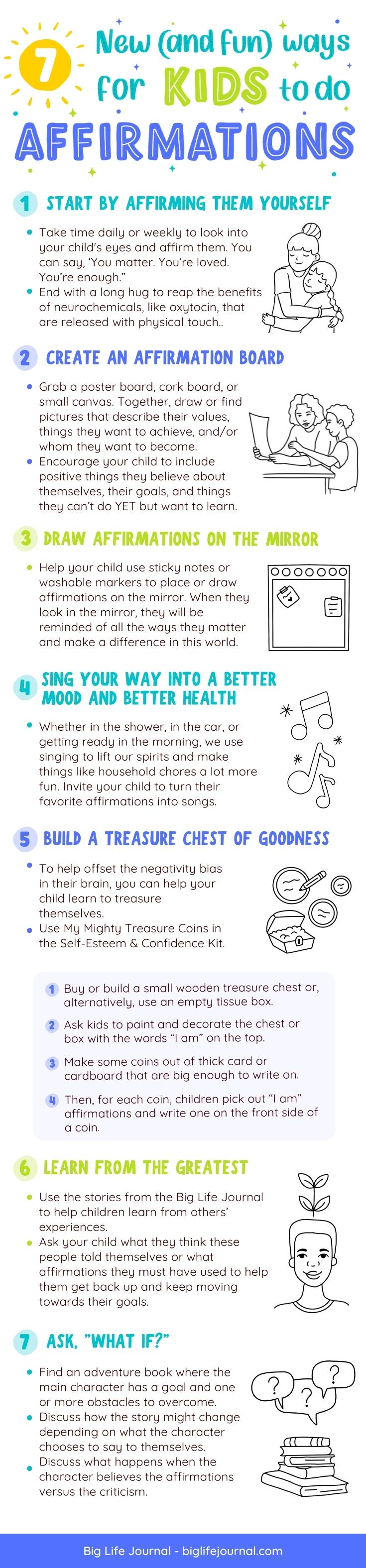
Credit: biglifejournal.com
Common Types Of Affirmations
Affirmations are not one-size-fits-all. People use different types for different goals. Here are some common types:
- Self-Love Affirmations: “I accept myself as I am.”
- Success Affirmations: “I am successful in all that I do.”
- Health Affirmations: “I make healthy choices every day.”
- Money Affirmations: “I attract abundance and prosperity.”
- Relationship Affirmations: “I am a loving and caring partner.”
- Confidence Affirmations: “I trust in my abilities.”
It’s important to choose affirmations that feel true to you. Personalizing your statements makes them more effective.
The Role Of Language And Emotion
The words you choose matter. Affirmations should be positive, specific, and in the present tense. For example, “I am strong” is better than “I will be strong. ” This is because the brain responds better to statements about what is happening now.
Emotion is also important. When you say an affirmation with feeling, it has a stronger effect. Imagine the emotion you want to feel as you say your affirmation. This makes it easier for your brain to accept the statement.
Affirmations Vs. Positive Thinking
Some people think affirmations are just another word for positive thinking. However, there are important differences.
- Positive Thinking is a general attitude. It’s about looking for the good in every situation.
- Affirmations are specific tools. They are focused, repeated statements with a clear goal.
Affirmations work best when combined with positive thinking, but they are not the same thing. One is a mindset, while the other is a practice.
Evidence And Research On Affirmations
There is real science behind affirmations. Here are some key findings:
- Studies have shown that self-affirmation can reduce stress and improve problem-solving under pressure.
- People who use affirmations recover faster from setbacks.
- In some cases, affirmations have been shown to improve academic performance and motivation.
Here is a comparison of how affirmations affect people in different areas:
| Area | With Affirmations | Without Affirmations |
|---|---|---|
| Stress Levels | Lower | Higher |
| Self-Esteem | Improved | Unchanged or Lower |
| Motivation | Higher | Lower |
| Performance | Better | Unchanged |
However, it is important to note that affirmations are not magic. They work best when combined with action and other healthy habits.
How To Create Effective Affirmations
Not all affirmations are created equal. Here’s how to make yours work better:
- Keep it Positive: Focus on what you want, not what you don’t want.
- Use the Present Tense: Say “I am” instead of “I will.”
- Be Specific: Make your statement clear and focused.
- Make it Personal: Use words that mean something to you.
- Add Emotion: Feel what you are saying.
For example, instead of saying “I don’t want to be nervous,” say “I am calm and confident. ”
When Affirmations Don’t Work
Sometimes, affirmations don’t have the effect people expect. Here are some reasons why:
- Lack of Belief: If you don’t believe what you’re saying, your brain will resist.
- Too General: Vague statements don’t create strong change.
- No Action: Affirmations alone are not enough. You need to take steps toward your goal.
- Negative Focus: If your affirmation is about avoiding something negative, it can backfire.
Here’s a comparison of effective and ineffective affirmations:
| Effective Affirmation | Ineffective Affirmation |
|---|---|
| I am confident speaking in meetings. | I hope I won’t be shy. |
| I choose healthy food every day. | I don’t want to eat junk food. |
| I am worthy of success. | I wish I wasn’t a failure. |
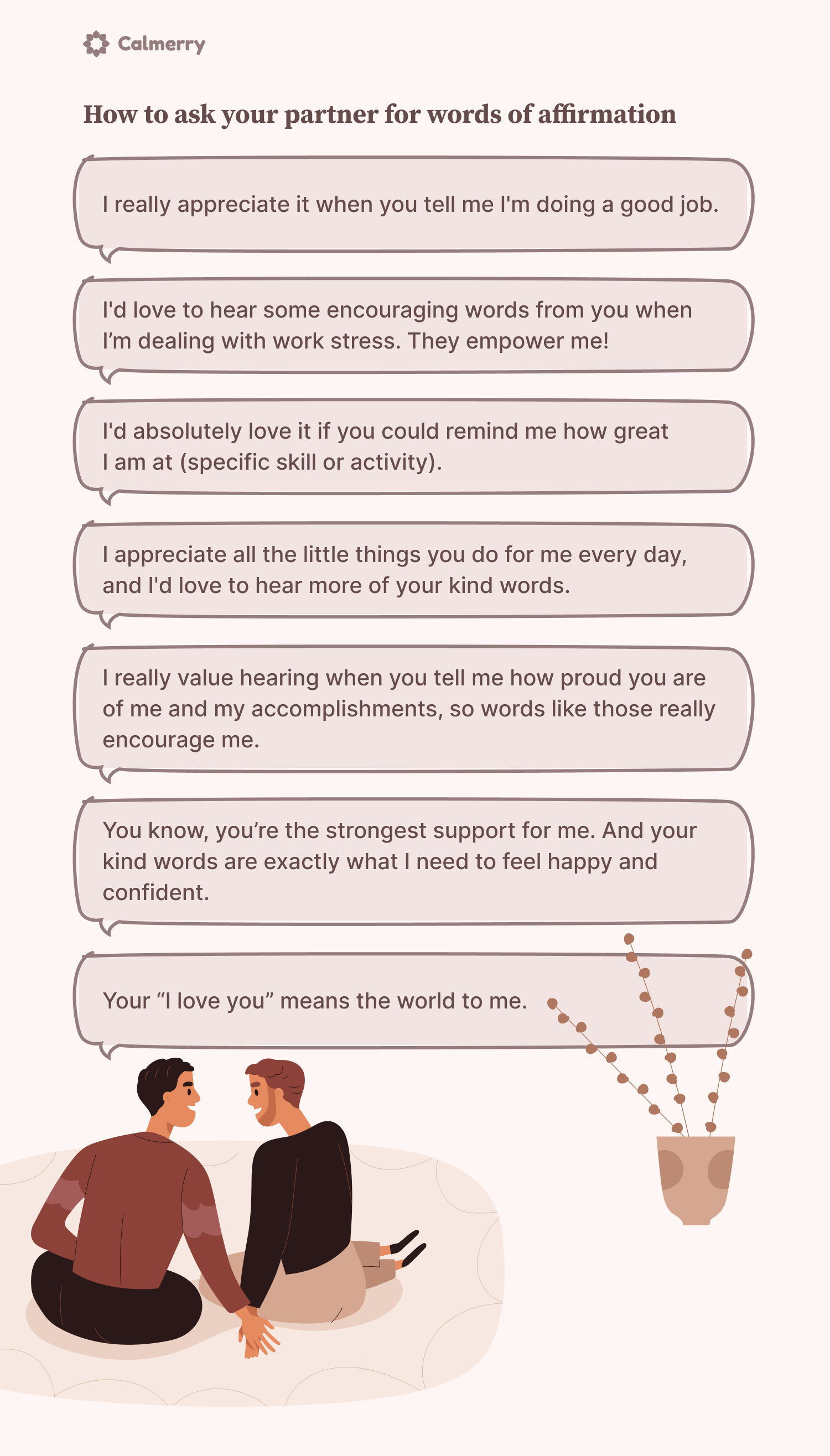
Credit: calmerry.com
Myths And Misunderstandings About Affirmations
There are some common myths about affirmations. Let’s clear them up:
- Myth 1: Affirmations are just wishful thinking.
*Truth:* When used with intention and action, affirmations can change your habits and mindset.
- Myth 2: You have to believe your affirmation 100% for it to work.
*Truth:* Even if you don’t fully believe it at first, repetition can help shift your beliefs over time.
- Myth 3: Affirmations work instantly.
*Truth:* Like building a muscle, changing your mind takes time and practice.
- Myth 4: Affirmations are only for positive people.
*Truth:* Anyone can use affirmations, even if you feel negative or doubtful at first.
Common Mistakes People Make With Affirmations
Even though affirmations are simple, people often make mistakes that reduce their effectiveness:
- Being Too Vague: Specificity is key. “I am successful” is better than “Things will get better.”
- Ignoring Negative Feelings: Affirmations should not be used to hide from real problems. It’s okay to feel bad sometimes.
- Not Practicing Regularly: Consistency is important. Once in a while is not enough.
- Choosing the Wrong Time: Pick a quiet moment when you can focus, like in the morning or before bed.
- Using Others’ Words: Personalize your affirmations so they match your goals and feelings.
How To Use Affirmations In Daily Life
Affirmations are most powerful when they become a habit. Here’s how to fit them into your day:
- Morning Routine: Start your day by saying affirmations in the mirror.
- During Stressful Times: Repeat your affirmation when you feel anxious or challenged.
- Written Reminders: Write affirmations in your journal, on sticky notes, or as phone reminders.
- Before Sleep: End your day with affirmations to set a positive tone for tomorrow.
- With Visualization: Imagine yourself living your affirmation as you say it.
Adding affirmations to your routine doesn’t take much time, but it can make a big difference.
Examples Of Affirmations For Different Needs
People use affirmations for many reasons. Here are some examples for different goals:
- For Confidence: “I am confident and strong.”
- For Stress: “I am calm and in control.”
- For Health: “My body is healthy and full of energy.”
- For Success: “I achieve my goals with ease.”
- For Relationships: “I attract kind and loving people.”
It’s helpful to create your own affirmations that match your personality and needs.
Non-obvious Insights About Affirmations
Many beginners miss some important points about affirmations:
1. Affirmations Can Uncover Limiting Beliefs:
Sometimes, saying a positive statement brings up hidden doubts or fears. This is a chance to notice and work through these issues, not ignore them.
2. The Power Of Small Changes:
Even small shifts in thinking, repeated daily, can add up to big changes in your life. You don’t need dramatic results overnight for affirmations to be valuable.
3. Affirmations Work Best With Action:
Words alone are not enough. Pairing affirmations with small steps toward your goals creates real momentum.
Who Should Use Affirmations?
Affirmations are for anyone who wants to improve their mindset, habits, or emotional health. They are used by:
- Students to boost motivation and reduce test anxiety
- Professionals to improve confidence and performance
- Athletes to enhance focus and reduce stress
- People facing life changes or challenges
- Anyone wanting to develop a more positive outlook
There is no special skill required. All you need is an open mind and a few minutes each day.
Are Affirmations Supported By Experts?
Many mental health professionals, coaches, and therapists recommend affirmations as part of a healthy self-care plan. While they are not a replacement for therapy or medical care, they are a useful tool for managing stress, building confidence, and supporting personal growth.
For a deeper look at the science of affirmations, you can check out the Wikipedia article on affirmations.
How Long Does It Take To See Results?
Everyone is different, but most people notice changes within a few weeks of regular practice. The key is consistency. Just as you wouldn’t expect to get fit after one workout, mindset changes take time and repetition.
Some people feel a boost in mood or confidence right away, while deeper changes—like overcoming self-doubt or building new habits—take longer.

Credit: coffeeandcarpool.com
Should You Use Affirmations?
Affirmations are simple, free, and easy to use. They can help you develop a more positive mindset, support your goals, and reduce stress. However, they are not a cure-all. For best results, combine affirmations with healthy habits like exercise, good sleep, and meaningful action toward your goals.
If you are struggling with deep or ongoing mental health issues, consider talking with a professional. Affirmations can be one helpful tool in your overall strategy for well-being.
Frequently Asked Questions
What Is The Best Time To Say Affirmations?
The best time is when you can focus and be present. Many people prefer to say affirmations in the morning to set a positive tone for the day. Others use them before bed or during stressful moments. Find a time that works for you and try to make it a daily habit.
Can Affirmations Really Change My Life?
Affirmations can help shift your mindset, build confidence, and support positive change. However, they work best when combined with action and other healthy habits. They are not magic, but they are a powerful tool when used consistently.
How Many Affirmations Should I Use Each Day?
Start with 2-3 affirmations that feel important to you. Focus on quality, not quantity. Repeating a few meaningful statements is more effective than trying to say many at once.
What If I Don’t Believe My Affirmation?
It’s normal to feel some doubt at first. Over time, repetition can help shift your beliefs. If an affirmation feels too hard to believe, try adjusting it to something that feels more true right now. For example, “I am learning to feel confident.
”
Do Affirmations Work For Everyone?
Most people can benefit from affirmations, but results vary. People who practice regularly and pair affirmations with positive action see the best results. If you have serious mental health concerns, affirmations should be used alongside professional support.
Affirmations are a simple but powerful tool for creating positive change. Whether you want to boost confidence, reduce stress, or just start your day with a brighter outlook, they are worth trying. With patience and practice, you may be surprised by how much difference a few positive words can make.
