

Why Do Daily Affirmations Work: Unlock Your Mind’s Potential
Why Do Daily Affirmations Work
Life can often feel overwhelming. Many people struggle with negative thoughts, self-doubt, or stress. But there is a simple practice that many claim helps them feel better, stronger, and more focused: daily affirmations. These are short, positive statements you repeat to yourself each day. People use affirmations to build self-confidence, boost motivation, and even improve mental health. But why do daily affirmations work? Is there real science behind this practice, or is it just wishful thinking? In this article, we’ll explore how affirmations affect the mind and body, why they help, and how you can use them effectively. You’ll discover practical examples, surprising insights, and clear steps to get started.
What Are Daily Affirmations?
Daily affirmations are positive statements spoken, written, or thought to yourself on a regular basis. Their goal is to influence your mindset and beliefs. For example, you might say, “I am capable,” “I choose happiness,” or “I will succeed.” These statements are simple, but repeating them can change how you feel and act.
People use affirmations for many reasons:
- To increase self-esteem
- To reduce stress
- To change negative habits
- To support recovery from challenges
Unlike just positive thinking, affirmations are intentional and specific. You choose words that matter to your goals and values.
How Daily Affirmations Impact The Brain
Affirmations may seem simple, but they have a surprising effect on the brain’s structure and function. Neuroscience shows that when you repeat a phrase, your brain starts to accept it as true. This process is called neuroplasticity—the brain’s ability to change and adapt.
When you say, “I am confident,” your brain fires neurons connected to confidence. Over time, these connections become stronger, making it easier to feel confident. This is similar to how you build muscle through exercise.
Brain Regions Involved
Several parts of the brain are activated during affirmations:
- Prefrontal cortex: Handles planning and decision-making.
- Amygdala: Processes emotions.
- Anterior cingulate cortex: Helps with attention and motivation.
MRI studies show that self-affirmation increases activity in areas linked to self-processing and reward.
Real-life Example
Imagine someone who often feels anxious before public speaking. They start saying, “I am calm and prepared. ” After weeks of repeating this, their brain starts to believe it. The anxiety signals weaken, and the confidence signals grow. This doesn’t happen overnight, but consistent repetition makes a difference.
The Science Behind Affirmations
Many people ask if affirmations are just “feel-good” phrases, or if there is real proof they help. Research shows affirmations can have measurable benefits.
Psychological Studies
- A study in the journal Social Cognitive and Affective Neuroscience found that self-affirmation helped people handle stress better. Participants who used affirmations showed less activity in the brain’s stress centers.
- Another study published by the American Psychological Association showed that students who practiced affirmations before exams performed better. Their grades improved compared to those who didn’t use affirmations.
Behavioral Changes
Affirmations can change behavior by:
- Reducing negative self-talk: You stop focusing on flaws and failures.
- Improving motivation: You feel more energized to reach goals.
- Strengthening resilience: You bounce back from setbacks faster.
Not Just Placebo
Some believe affirmations only work if you already have high self-esteem. However, studies show even people with low confidence benefit. The key is consistency and belief in the process.
Why Do Daily Affirmations Work? Key Mechanisms
Let’s dig deeper into why affirmations are effective. There are several main reasons.
1. Rewiring Thought Patterns
Most people have automatic thoughts. These can be positive or negative. Affirmations help replace negative patterns with positive ones. When you repeat a new message, your brain starts to accept it. This is similar to learning a new skill. Over time, your inner voice changes.
2. Building Self-esteem
Self-esteem is your belief in your own worth. Affirmations boost self-esteem by reminding you of your strengths. If you say, “I am worthy of love,” you start to feel more deserving. This can improve relationships, work, and happiness.
3. Supporting Goal Achievement
Affirmations focus your mind on what you want to achieve. For example, “I will finish my project” keeps you motivated. This helps you stay committed even when things are hard.
4. Reducing Stress And Anxiety
Positive statements calm the mind. When you face stress, affirmations help you stay centered. Saying “I can handle challenges” lowers anxiety and boosts courage.
5. Creating Healthy Habits
Affirmations can help you build new habits. For example, “I choose healthy food” makes it easier to eat well. Over time, you start to act in line with your affirmations.
Types Of Daily Affirmations
Affirmations can focus on many areas of life. Here are some common types:
- Self-confidence: “I trust myself.”
- Health: “I am strong and healthy.”
- Relationships: “I communicate with kindness.”
- Success: “I am successful in my work.”
- Personal growth: “I learn from every experience.”
- Stress relief: “I am calm and relaxed.”
Each type targets a different need. Choose affirmations that fit your goals.
How To Create Effective Affirmations
Writing good affirmations is important. Here’s how to make them work:
1. Keep It Positive
Avoid negative words. Instead of “I am not afraid,” say “I am brave. ”
2. Make It Personal
Use “i” Statements. For Example, “i Am Creative.”
3. Be Specific
Focus on clear goals. Instead of “I want to be happy,” say “I enjoy life’s moments. ”
4. Use Present Tense
Write as if it’s already true. Say “I am successful,” not “I will be successful. ”
5. Keep It Short
A good affirmation is easy to remember. “I am focused” is better than a long sentence.
Example Affirmations
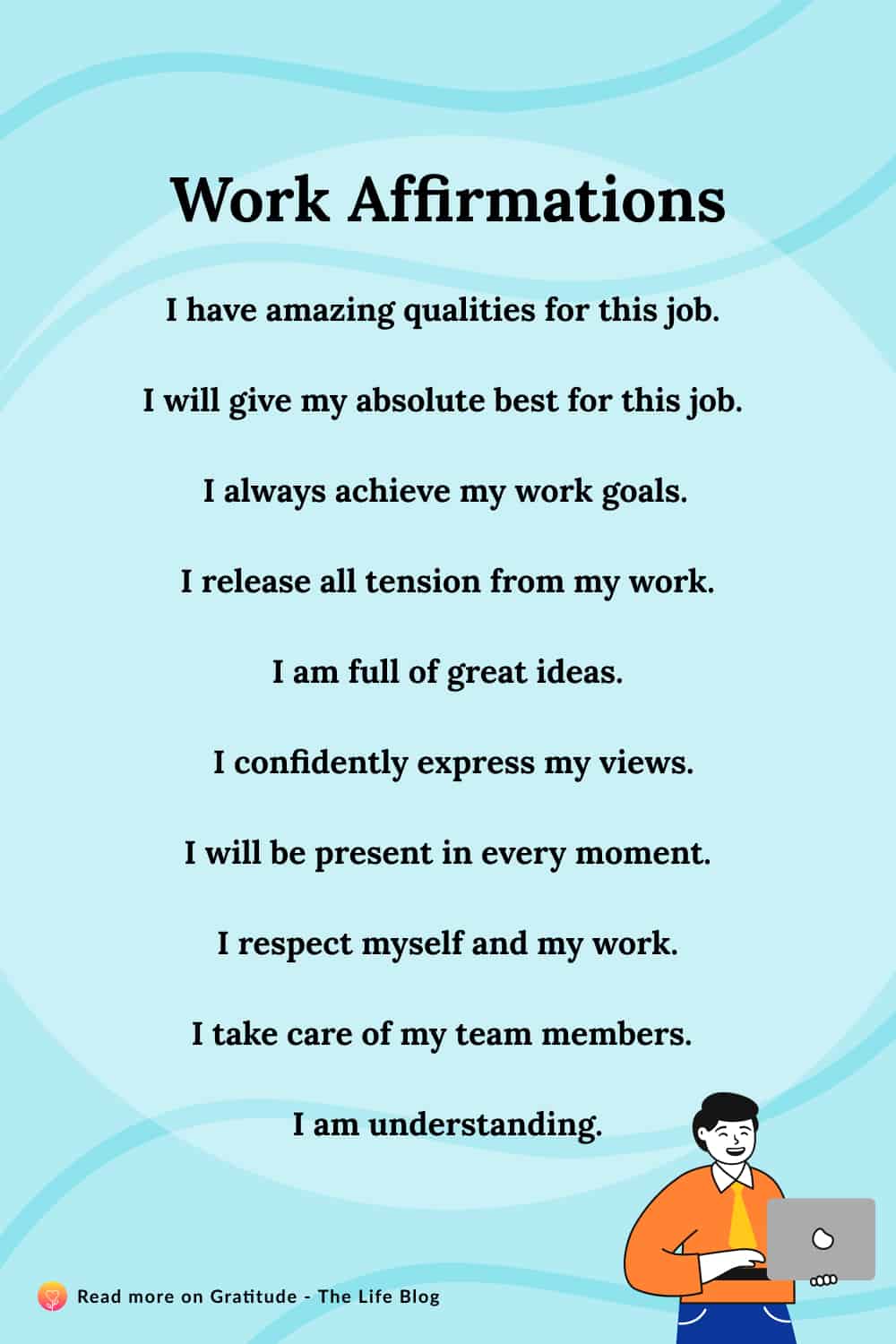
- “I am grateful for today.”
- “I handle problems with patience.”
- “I grow stronger every day.”
How To Practice Daily Affirmations
Just writing affirmations isn’t enough. Practice matters. Here’s how to do it:
1. Choose Your Affirmations
Pick 2–5 statements that matter to you. Focus on your biggest goals or challenges.
2. Repeat Daily
Say your affirmations in the morning and evening. Speak them aloud, write them, or think them quietly.
3. Visualize Success
While saying your affirmation, picture yourself achieving it. This makes the message stronger.
4. Stay Consistent
Practice every day. It takes time for your brain to adapt. Most people notice changes after a few weeks.
5. Adjust As Needed
As your goals change, update your affirmations. Keep them fresh and meaningful.
Common Mistakes With Daily Affirmations
Many beginners make mistakes that reduce the power of affirmations. Here’s how to avoid them:
1. Using Vague Statements
Affirmations like “I am happy” are too broad. Be specific about what happiness means to you.
2. Not Believing The Words
If you don’t believe your affirmation, it won’t work. Start with statements you can accept. For example, “I am learning to be confident” is easier for some people than “I am confident. ”
3. Skipping Days
Consistency is key. If you stop practicing, results fade. Make affirmations a daily habit.
4. Ignoring Feelings
Don’t just repeat words. Connect emotionally. Feel the meaning behind your affirmation.
Comparing Affirmations With Other Mindset Techniques
Affirmations are not the only way to change your mindset. Let’s compare them with other popular methods.
| Technique | Main Focus | How It Works | Common Use |
|---|---|---|---|
| Affirmations | Positive self-talk | Repeating statements | Self-esteem, motivation |
| Meditation | Mindfulness | Focus on breathing | Stress relief, clarity |
| Visualization | Imagining success | Picture desired outcome | Goal achievement |
| Journaling | Reflection | Writing thoughts | Self-awareness |
Affirmations are easy to use, but combining them with other methods can make them even stronger.
Data: How Common Are Affirmations?
Affirmations are popular worldwide, but how many people use them? Surveys show the practice is growing.
| Country | Adults Using Affirmations (%) | Most Common Reason |
|---|---|---|
| United States | 37 | Stress reduction |
| United Kingdom | 29 | Building confidence |
| Australia | 24 | Motivation |
| India | 18 | Health improvement |
The numbers show that millions of people are using affirmations to change their lives. The practice is especially popular among young adults and professionals.
Credit: ryanzofay.com
When Affirmations Don’t Work
Affirmations help most people, but not everyone sees results. Here are reasons why they might not work:
1. Deep-rooted Beliefs
If you have strong negative beliefs from childhood or trauma, affirmations alone may not change them. In these cases, therapy or counseling can help.
2. Lack Of Emotional Connection
Just repeating words without feeling doesn’t change your mindset. You must believe and connect with your affirmations.
3. Unrealistic Statements
Saying “I am a millionaire” when you have money problems can feel fake. Start with realistic affirmations, like “I am improving my finances. ”
4. Short-term Practice
Affirmations need time. If you give up after a few days, you won’t see change. Stick with it for weeks or months.
Practical Tips For Maximum Results
Affirmations work best when you follow certain strategies. Here are expert tips:
- Write Them Down: Writing your affirmations makes them more powerful. Keep a journal and track progress.
- Speak Aloud: Saying affirmations out loud builds confidence and clarity.
- Pair With Actions: Don’t just say words—take steps toward your goals. For example, if you affirm “I am healthy,” also eat well and exercise.
- Use Visual Reminders: Place affirmations on sticky notes around your home or workspace.
- Share With Others: Tell a friend or join a group. Sharing makes affirmations stronger.
Real-life Success Stories
Many people have transformed their lives with daily affirmations. Here are a few examples:
1. Overcoming Fear
Sarah was afraid of speaking in meetings. She started using, “I speak with confidence. ” After months, she felt more comfortable and even led a big project.
2. Improving Health
John wanted to lose weight. He used, “I choose healthy foods. ” This helped him resist junk food and make better choices.
3. Building Self-love
Maria struggled with self-worth. She repeated, “I am worthy of love. ” Her relationships improved, and she felt happier.
These stories show that affirmations can help people face challenges and achieve goals.
Advanced Insights: What Beginners Usually Miss
Most people focus only on repeating affirmations. But there are two deeper insights:
1. Affirmations Work With Small Changes
You don’t need big, dramatic statements. Small affirmations like “I am learning” can be powerful. Tiny shifts add up over time.
2. Emotional Energy Matters
Affirmations are not just words. The energy behind them makes a difference. If you feel excited or hopeful when you say your affirmation, it works faster. If you feel bored or doubtful, it takes longer. Try to connect emotionally for best results.
How Affirmations Affect Physical Health
Affirmations are not just for the mind—they can impact the body too. Research shows that positive self-talk can:
- Lower blood pressure
- Improve sleep
- Boost immune function
When you feel good about yourself, your body reacts positively. Stress goes down, and healing improves.
| Health Benefit | Affirmation Example | Reported Effect |
|---|---|---|
| Lower stress | "I am calm" | Reduced anxiety |
| Better sleep | "I rest peacefully" | Improved sleep quality |
| Stronger immunity | "I am healthy" | Fewer illnesses |
Affirmations are not a replacement for medical care, but they can support overall wellness.
Daily Affirmations For Beginners: Getting Started
If you’re new to affirmations, start simple. Here’s a quick guide:
- Choose 3 affirmations that matter to you.
- Write them down and place them where you’ll see them.
- Say them aloud every morning.
- Visualize success as you repeat each statement.
- Track your progress weekly. Notice changes in mood, actions, or confidence.
Remember, affirmations work best with patience and belief.

Credit: www.kelphr.com
The Role Of Culture And Language
Affirmations are used in many cultures. In some places, they are part of spiritual practices. In others, they are seen as psychological tools.
Language also matters. If English is not your first language, you can say affirmations in your native tongue. The meaning and feeling are more important than the exact words.
How Affirmations Help In Challenging Times
During tough periods—loss, failure, or stress—affirmations can be a lifeline. They remind you of your strengths and hope. Saying, “I am resilient” or “I will overcome” keeps your mind focused on solutions instead of problems.
Credit: blog.gratefulness.me
Combining Affirmations With Other Tools
You can use affirmations with other self-help methods:
- Meditation: Calm your mind, then repeat affirmations.
- Visualization: Picture your goal as you say your affirmation.
- Gratitude practice: Add “I am grateful” statements for extra positivity.
Combining tools makes change faster and easier.
Debunking Myths About Affirmations
Some myths make people doubt affirmations. Let’s clear them up:
1. Myth: Only Positive People Benefit
Fact: Anyone can use affirmations. Even people with doubts or fears can improve.
2. Myth: Affirmations Are Magic
Fact: Affirmations work with real effort. They support change, but you must act.
3. Myth: Affirmations Are Only For Mental Health
Fact: They help with goals, habits, relationships, and even physical health.
What Experts Say
Psychologists, coaches, and even doctors recommend affirmations. Studies in top journals support their benefits. For more on the science, visit Wikipedia.
Frequently Asked Questions
What Is The Best Time To Practice Daily Affirmations?
The most effective time is morning or evening. In the morning, affirmations set your mindset for the day. At night, they help you reflect and calm your mind. Choose a time that fits your routine.
Can Affirmations Help With Anxiety?
Yes, affirmations can reduce anxiety by changing negative thoughts to positive ones. For example, saying “I am safe and calm” can soothe worries. For severe anxiety, combine affirmations with professional help.
How Long Does It Take To See Results From Affirmations?
Most people notice changes in 2–4 weeks of daily practice. It depends on your consistency and belief. Some see results sooner, others take longer.
Are Affirmations Useful For Children?
Affirmations help children build confidence and handle challenges. Use simple statements like “I am smart” or “I can solve problems.” Make it fun and encourage daily repetition.
Can I Create My Own Affirmations?
Absolutely. Personal affirmations are most effective. Focus on your goals, use positive language, and keep them short. Adjust as your needs change.
Daily affirmations are more than just words—they are tools for change. Whether you want more confidence, less stress, or better health, affirmations can help. With the right approach and regular practice, you can shape your thoughts, actions, and life. The science and real-life stories show that daily affirmations work, and you can make them work for you too.
