

Why Do Affirmations Make Me Uncomfortable? Unpacking the Truth
Why Do Affirmations Make Me Uncomfortable
Many people hear about affirmations as a powerful tool for self-growth. You may see advice everywhere: “Repeat positive statements daily, and your life will change.” But for some, saying these affirmations feels strange, awkward, or even painful. If you’ve ever wondered, “Why do affirmations make me uncomfortable?”—you’re not alone. This reaction is more common than you might think.
Affirmations are supposed to help us feel better, stronger, and more positive. So why do they sometimes do the opposite? Let’s explore what’s really happening when you feel discomfort using affirmations. We’ll look at the science, psychology, real-world examples, and strategies to help you understand this experience fully.
By the end, you’ll know why affirmations can be uncomfortable and what you can do about it.
What Are Affirmations?
Affirmations are short, positive statements you say to yourself. The goal is to challenge negative thoughts and replace them with helpful beliefs. For example, instead of thinking “I am not good enough,” you might repeat, “I am worthy and capable.
”
People use affirmations for many reasons:
- To boost self-confidence
- To reduce anxiety
- To support personal goals
- To build a more positive outlook
The idea is that with enough repetition, these statements become part of how you think and feel.
The Science Behind Affirmations
Affirmations are based on a simple idea: our thoughts can shape our reality. This is called self-affirmation theory. According to this theory, repeating positive statements can help you feel better about yourself, especially during stress.
Research shows mixed results, though. Some studies find that affirmations help people feel stronger and more confident. Other research shows that, for some, affirmations actually make people feel worse. For example, people with low self-esteem may feel more uncomfortable after repeating very positive statements because these words feel untrue.
Why? Because your brain notices the gap between what you say and what you believe. This gap creates tension, which can make you feel uneasy or even upset.
Common Reasons For Discomfort With Affirmations
Not everyone feels good when using affirmations. Let’s look at the main reasons why affirmations can feel uncomfortable:
1. Conflict With Core Beliefs
If an affirmation is the opposite of what you believe deep down, your mind resists it. For example, if you say “I am successful” but you truly feel like a failure, your brain sees a big mismatch. This creates a mental conflict known as cognitive dissonance.
This conflict often leads to discomfort. Instead of feeling inspired, you may feel fake or dishonest.
2. Triggering Negative Self-talk
Sometimes, saying positive affirmations can actually make your inner critic louder. You might say, “I am loved,” but your mind quickly argues, “No, you’re not. Remember when you were rejected? ” This negative voice can make the discomfort even stronger.
3. Pressure To Be Positive
Society often encourages us to “think positive. ” But when you force yourself to repeat statements that don’t feel true, it can create pressure. This can make you feel guilty for having negative thoughts or for not “doing affirmations right.
”
4. Fear Of Disappointment
Repeating big, bold affirmations may raise your hopes. If you don’t see quick results, you might feel let down or frustrated. For some, the fear of disappointment is enough to make affirmations uncomfortable from the start.
5. Emotional Numbness
Some people feel nothing at all when they say affirmations. This lack of emotional response can feel strange, leading to questions like, “Am I broken? ” or “Why doesn’t this work for me? ” That confusion and numbness can turn into discomfort.
How Our Brains React To Affirmations
To understand why affirmations make us uncomfortable, it helps to look at how our brains work.
When you say something you don’t believe, your brain’s critical thinking center lights up. It’s almost like your mind is fact-checking the statement. If your belief and the affirmation are far apart, the brain senses a problem. This is why affirmations sometimes lead to stress instead of comfort.
The brain likes consistency. When your words and beliefs match, you feel good. When they don’t, you feel uneasy.
Brain Reaction Comparison
Here’s how your brain may react to different affirmations:
| Type of Affirmation | Belief Match | Emotional Response |
|---|---|---|
| “I am learning every day” | High (most people believe this) | Comfort, motivation |
| “I am a millionaire” | Low (not true for most) | Discomfort, doubt |
| “I am trying my best” | Medium-High | Encouragement, relief |
| “Everyone loves me” | Very Low | Awkwardness, resistance |
As you can see, affirmations that feel realistic are more comfortable. Extreme or unrealistic statements often bring discomfort.
The Role Of Self-esteem
Your level of self-esteem plays a big role in how you react to affirmations. If you already have a positive self-image, affirmations often feel natural. But if you struggle with self-doubt or low self-worth, affirmations can make you feel worse.
A famous study found that people with low self-esteem who repeated positive self-statements felt worse afterward. Their minds focused on the gap between what they said and what they actually believed.
Self-esteem And Affirmation Outcomes
Here’s a comparison of how people with different self-esteem levels react:
| Self-Esteem Level | Affirmation Reaction | Common Feelings |
|---|---|---|
| High | Affirmations feel good, boost mood | Confidence, hope |
| Medium | Affirmations feel okay, sometimes helpful | Mild encouragement |
| Low | Affirmations feel fake, increase discomfort | Self-doubt, sadness |
If affirmations make you uncomfortable, it does not mean you are weak or “doing it wrong. ” It means your mind is reacting honestly to a statement that doesn’t match your self-image—yet.
Cultural And Social Influences
Culture shapes how we see ourselves and how comfortable we feel with self-praise. In some cultures, talking positively about yourself is encouraged. In others, it is seen as arrogant or rude.
If you grew up in a culture or family where humility is a core value, saying “I am amazing” might feel wrong. You may worry about being seen as proud or self-centered.
Social expectations also play a part. If you are surrounded by people who don’t use affirmations or see them as silly, you may feel awkward even trying.

Credit: www.sagebrushcounseling.com
The Problem Of “toxic Positivity”
There is a trend called toxic positivity—the idea that we should always be positive, no matter what. While positivity can help, forcing it can be harmful. Affirmations, when used without care, can become part of this problem.
If you use affirmations to cover up real pain or difficult feelings, you may feel more isolated. Your discomfort is a signal that something deeper needs attention.
Emotional Honesty And Authenticity
Feeling uncomfortable with affirmations can be a sign that you value emotional honesty. You want to be true to yourself, not just repeat empty words.
This is actually a strength. It means you are in touch with your true feelings. You want real change, not just a quick fix.
If affirmations feel fake, it is okay to look for other ways to support yourself. There are many paths to self-growth.
When Affirmations Work—and When They Don’t
Affirmations are not a magic solution. They work best when:
- The statement feels believable (even just a little)
- You use them to support real goals
- You combine them with action
They often don’t work when:
- The statement feels totally untrue
- You use them to avoid real problems
- You repeat them without emotion or intention
Examples Of Uncomfortable Affirmations
Let’s look at a few examples of affirmations that can make people uncomfortable, and why.
1. “i Am Rich And Successful.”
If you are struggling financially, this can feel unrealistic and painful.
2. “everyone Likes Me.”
If you have social anxiety, your mind may quickly remember times you felt rejected.
3. “i Love My Body.”
If you struggle with body image, this may feel impossible or even upsetting.
4. “i Am Always Happy.”
No one is happy all the time. This statement can create pressure to hide negative feelings.
These examples show how affirmations that ignore your real struggles can backfire.
Two Insights Most People Miss
Many articles about affirmations skip some important details:
First, discomfort is not always bad. Sometimes, it shows you are bumping up against an old belief that is ready to change. If you notice discomfort, it can be a sign to explore what you truly believe about yourself.
Second, the way you say affirmations matters. If you repeat them mechanically, they lose power. If you find a way to make them feel true—even a little bit—they can help you grow.
What To Do When Affirmations Make You Uncomfortable
You do not have to give up on affirmations. There are ways to make them work for you, even if they feel strange right now.
1. Start Small And Believable
Choose statements that feel true or possible. For example, instead of “I am a success,” try “I am learning and growing every day. ” Small shifts are easier for the brain to accept.
2. Use “bridge Statements”
A bridge statement is a middle step between your current belief and your goal. For example, “I am open to learning to like myself” is softer than “I love myself.” This reduces discomfort and builds confidence over time.
3. Focus On Effort, Not Outcome
Affirmations about effort—like “I am doing my best”—often feel more comfortable than extreme statements about success. They match real experience and encourage self-kindness.
4. Add Evidence
After saying an affirmation, add a reason. For example, “I am capable because I finished a difficult project last week. ” This helps your brain accept the positive statement.
5. Combine With Action
Affirmations are not a replacement for real action. Use them to motivate yourself, then take steps toward your goals. Action builds belief.
6. Practice Self-compassion
It’s okay to feel awkward or resistant. Notice your feelings without judgment. Self-compassion helps reduce the pressure to be perfect.
7. Try Other Tools
If affirmations never feel right, try other methods like journaling, therapy, or mindfulness. There are many ways to grow.
Real-world Example
Emily always struggled with the affirmation, “I am confident. ” Every time she said it, she felt a tightness in her chest and a voice in her head said, “No you’re not. ” Instead of forcing the affirmation, Emily changed her approach.
She started saying, “I am learning to speak up for myself. ” This felt true and gentle. Over time, she noticed that her discomfort faded, and she even began to feel more confident.
Comparing Affirmations And Other Methods
Affirmations are just one tool. Here’s a quick look at how they compare to other self-help methods:
| Method | Focus | Best For | Possible Discomfort |
|---|---|---|---|
| Affirmations | Self-talk, beliefs | People with some positive self-image | High for negative self-view |
| Journaling | Self-reflection | Exploring thoughts and feelings | Low, but can uncover hard truths |
| Therapy | Deep change, healing | Major life issues, trauma | Medium, but with support |
| Mindfulness | Awareness, presence | Stress, anxiety | Low, may feel slow to some |
Affirmations are not better or worse—they’re just one option. Choose what works for you.

Credit: jasondemant.com
When To Be Cautious
If affirmations make you very uncomfortable, or if they increase negative thoughts, it’s wise to slow down. For some, they can trigger painful memories or feelings. If you notice strong distress, consider talking to a mental health professional. You deserve support on your journey.
How To Make Affirmations Work For You
Here are a few practical steps to make affirmations more comfortable and effective:
- Personalize them. Use your own words, not someone else’s script.
- Say them with feeling. Pause and notice how your body reacts.
- Pair with gratitude. Add statements like, “I am grateful for my effort today.”
- Repeat regularly, but gently. Don’t force yourself if it feels wrong.
- Celebrate small wins. Notice when affirmations start to feel easier.
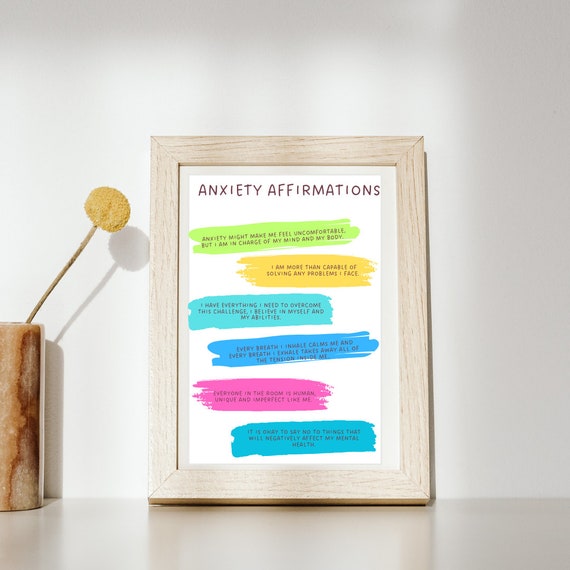
Credit: www.etsy.com
Insights For Beginners
Many beginners expect affirmations to feel good right away. In reality, the first reaction is often discomfort. This is normal. It means you are moving outside your comfort zone.
Another thing beginners miss: affirmations are more powerful when you connect them to real actions and experiences. Don’t just say “I am strong.” Remember a time when you showed strength.
Why Discomfort Can Lead To Growth
Discomfort is not always a sign to stop. Sometimes, it shows you are stretching and growing. If you feel awkward, pause and ask, “What is this feeling telling me? ” Maybe you are ready to change an old story about yourself.
But if discomfort turns into pain or shame, it is okay to stop or change your approach. Growth should be gentle, not harsh.
Supporting Yourself With Affirmations
If you want to try affirmations again, start with self-kindness. Here are a few affirmations that are gentle but powerful:
- “I am open to learning about myself.”
- “It is okay to be exactly where I am.”
- “I am proud of small steps I take.”
- “I am worthy of kindness, including from myself.”
These statements are simple, honest, and less likely to create discomfort.
When To Seek Help
If you notice that affirmations trigger intense discomfort, sadness, or anxiety, you do not have to handle it alone. A therapist or counselor can help you understand your feelings and find the best tools for your growth. You can also learn more about self-affirmation theory from reliable sources, such as this Wikipedia article.
Frequently Asked Questions
Why Do I Feel Worse After Saying Affirmations?
You may feel worse if the affirmation feels completely untrue. Your mind notices the gap between what you say and what you believe. This creates cognitive dissonance, which feels uncomfortable.
Are Affirmations Supposed To Feel Good Right Away?
Not always. For many people, affirmations feel awkward or strange at first. Over time, as you choose more believable statements, they can become more comfortable.
What Should I Do If Affirmations Make Me Anxious?
Pause and listen to your feelings. Try softer, more believable statements or use bridge statements. If anxiety continues, consider talking to a mental health professional.
Is It Okay To Stop Using Affirmations?
Yes. Affirmations are just one tool. If they do not work for you, try other methods like journaling, mindfulness, or therapy. Choose what feels best for you.
Can Affirmations Ever Be Harmful?
In rare cases, yes. If affirmations increase negative self-talk, shame, or distress, it’s a sign to stop or adjust your approach. Support from a professional can help if needed.
Affirmations are not a one-size-fits-all solution. If they make you uncomfortable, you are not alone—and there are many other ways to support your growth. Listen to yourself, be gentle, and choose what works best for your unique journey.
