

Why Affirmation is Important: Unlocking Your Full Potential
Why Affirmation Is Important
Many people talk about the power of affirmation. You might have seen it on social media or heard it from coaches. But why is affirmation important? How does it really help? This article takes a deeper look at affirmation, showing how it works, why it matters, and how to use it in everyday life. If you want to improve your mindset or help others feel better about themselves, understanding affirmation is a good place to start.
Affirmation is more than positive thinking. It is a tool that can change how you see yourself, how you act, and even how your brain works. Many studies show that affirmation can reduce stress, boost confidence, and improve performance. Still, many beginners miss its true value or use it in the wrong way.
This guide breaks down affirmation in simple words, with practical advice and examples. If English is not your first language, you will find the explanations clear and easy to follow.
What Is Affirmation?
Affirmation is a statement you say to yourself, usually to encourage positive thinking and behavior. These statements are often about your strengths, goals, or values. For example: “I am capable,” “I can handle challenges,” or “I am worthy of respect.” The goal is to repeat these statements so you start to believe them, which changes your actions and feelings.
How Does Affirmation Work?
Affirmation works through self-talk. When you repeat positive statements, your brain starts to accept them as true. This process is called neuroplasticity—your brain changes based on your thoughts and experiences. If you often think negative things (“I am not good enough”), your brain believes them. But if you change to positive statements, your brain can form new pathways, making you feel and act differently.
Common Types Of Affirmation
- Personal affirmation: Statements about your strengths or abilities.
- Goal-based affirmation: Statements about achieving your goals.
- Value-based affirmation: Statements about your values, like honesty or kindness.
People use affirmation in different ways—some write them in journals, some say them out loud, and others use them during meditation.
Why Affirmation Matters For Mental Health
Mental health is a big reason why affirmation is important. Positive affirmation can fight negative thoughts, which helps reduce stress and anxiety. When you use affirmation, you give your mind a break from worries and doubts.
Research On Affirmation And Well-being
Studies show that affirmation improves well-being and mood. For example, one study found that people who used affirmation before stressful events felt calmer and performed better. Another study showed that students who practiced affirmation before exams had less anxiety and higher test scores.
Practical Example: Dealing With Stress
Imagine you have a big presentation. If you keep telling yourself “I will fail,” you feel nervous and stressed. But if you use affirmation (“I am prepared,” “I can do this”), your mind becomes calmer and more confident. This change in attitude helps you perform better, even if you are not perfect.
Affirmation And Self-esteem
Self-esteem is how you feel about yourself. People with low self-esteem often doubt their abilities or feel unworthy. Affirmation helps build a stronger, more positive self-image.
How Affirmation Builds Confidence
When you repeat positive statements, your brain starts to see them as true. Over time, this can increase your confidence. You begin to trust yourself more and believe in your abilities. Even small changes in thinking can make a big difference.
Example: Building Self-esteem
A person who feels shy might use affirmation like “I am comfortable speaking in groups. ” By repeating this daily, they slowly become less nervous and more willing to join conversations.
The Science Behind Affirmation
Affirmation is not just a feel-good trick. There is real science behind how it works. Brain studies show that affirmation can activate parts of your brain linked to reward and motivation. When you say positive statements, your brain releases chemicals like dopamine, which make you feel better.
Table: Impact Of Affirmation On Brain Activity
Here is a comparison of brain activity with and without affirmation:
| Condition | Brain Area Activated | Effect |
|---|---|---|
| No Affirmation | Fear center (amygdala) | Increased stress |
| With Affirmation | Reward center (ventromedial prefrontal cortex) | Calm, motivation |
This shows that affirmation does more than change your thoughts—it also changes how your brain responds to challenges.
Affirmation In Relationships
Affirmation is important not only for yourself but also for your relationships. When you affirm others, you help them feel valued and respected. This builds trust and improves communication.
Using Affirmation With Family And Friends
Try saying positive statements to your loved ones, like “I appreciate you,” or “You did a great job. ” These simple words can make a big difference in how others feel. Many people miss this step and focus only on self-affirmation, but affirming others is just as powerful.
Example: Affirmation At Work
In a workplace, managers who use affirmation (“Your work is important,” “I trust your judgment”) create a stronger, more motivated team. Employees feel valued, which leads to better performance and less stress.
Affirmation For Children And Teens
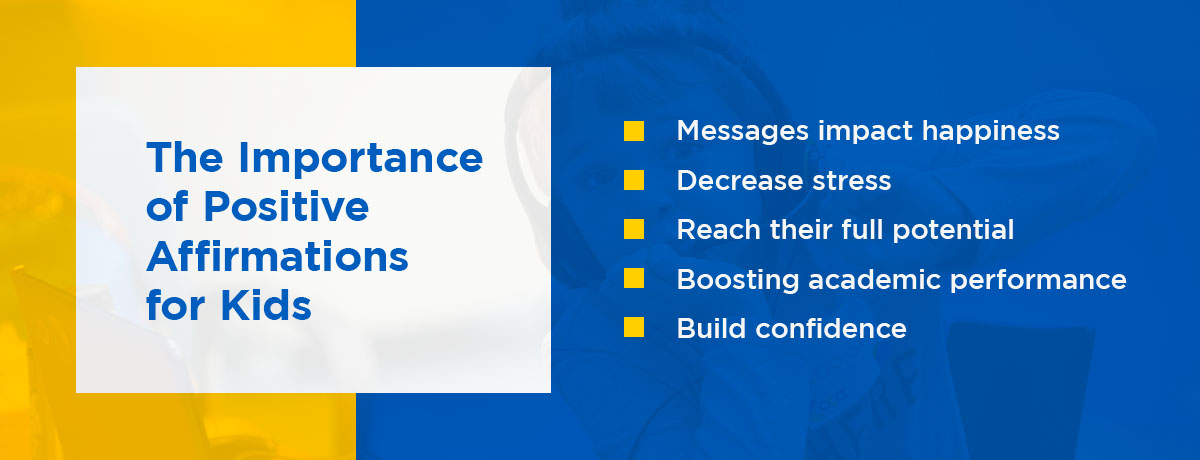
Children and teens need affirmation to build confidence and resilience. Positive statements help them overcome challenges and develop healthy self-esteem.
Why Children Need Affirmation
Young people face many pressures—from school, friends, and social media. Affirmation helps them stay positive and believe in their abilities. Parents and teachers can use affirmation to support children through tough times.
Table: Impact Of Affirmation On Children Vs. Adults
| Age Group | Main Benefit | Common Mistake |
|---|---|---|
| Children | Builds self-esteem | Too generic (“You’re smart”) |
| Teens | Reduces peer pressure | Too infrequent |
| Adults | Improves resilience | Not personalized |
The table shows that affirmation must be specific and regular for each age group. Saying “You’re smart” is less effective than “You worked hard on this project. ”
Credit: ccaeducate.me
Affirmation And Productivity
Many people use affirmation to improve productivity. Positive statements can help you stay focused, overcome doubts, and reach your goals.
How Affirmation Boosts Performance
When you use goal-based affirmation (“I will finish this task,” “I am organized”), you remind yourself of your abilities. This helps you manage time better and reduce procrastination.
Example: Sports And Affirmation
Athletes often use affirmation before competitions. Statements like “I am strong,” or “I can win” increase their motivation and help them perform at their best.
Table: Affirmation Vs. Negative Self-talk In Productivity
| Type of Self-Talk | Effect on Productivity | Long-Term Outcome |
|---|---|---|
| Affirmation | Boosts focus | Higher achievement |
| Negative Self-Talk | Causes distraction | Lower performance |
This comparison shows that affirmation is a simple but effective way to improve productivity.
Common Mistakes With Affirmation
Many beginners use affirmation incorrectly. Here are some mistakes to avoid:
- Using statements that are too broad (“I am happy all the time”).
- Not believing the affirmation—you must feel the words.
- Not repeating them enough—affirmation works best with regular practice.
- Ignoring negative feelings—instead, accept them and use affirmation to move forward.
- Copying others’ affirmations without making them personal.
A non-obvious insight: affirmation is not magic. You must combine it with real action. For example, saying “I am healthy” is good, but you must also eat well and exercise.

Credit: slumberkins.com
How To Create Effective Affirmations
To make affirmation work, you need to create strong, personal statements. Here are some tips:
- Use the present tense (“I am…” not “I will be…”).
- Keep it specific (“I am confident in meetings”).
- Make it positive (“I handle challenges with calm”).
- Repeat regularly—daily practice is best.
- Connect to your values or goals.
Practical Example: Personalizing Affirmation
Instead of saying “I am successful,” say “I am making progress every day at work. ” This feels more real and motivates you to keep going.
Techniques For Practicing Affirmation
There are many ways to practice affirmation. Choose the one that fits your lifestyle.
1. Speaking Out Loud
Say your affirmations in front of a mirror. This helps your brain connect the words with your self-image.
2. Writing In A Journal
Write your affirmations every morning or evening. Journaling makes the practice more personal and helps you track your progress.
3. Using Affirmation Cards
Create small cards with your favorite affirmations. Keep them in your wallet or desk for easy access.
4. Meditation And Visualization
During meditation, repeat your affirmations silently. Visualize yourself acting on them. This deepens the effect.
5. Digital Reminders
Set your phone or computer to show affirmation reminders during the day.
Extra Tip: Combine Affirmation With Gratitude
Many people miss the power of combining affirmation with gratitude. For example, say “I am grateful for my skills and I use them well. ” This mixes positive self-talk with appreciation, making the effect stronger.
Benefits Of Affirmation You May Not Know
Most people know affirmation can boost confidence. But there are extra benefits:
- Improved decision-making: Affirmation helps you trust your choices.
- Better relationships: Positive self-talk makes you kinder to others.
- Less burnout: Affirmation reduces stress, helping you avoid exhaustion.
- Faster recovery from setbacks: When things go wrong, affirmation helps you bounce back.
A non-obvious insight: affirmation can also help with physical health. Studies show it lowers blood pressure and improves sleep. This happens because affirmation reduces stress hormones in the body.
Comparing Affirmation With Other Self-help Tools
Affirmation is often compared to other self-help tools like visualization, meditation, and journaling. Here is how they differ:
Table: Affirmation Vs. Other Self-help Tools
| Tool | Main Focus | Best Use |
|---|---|---|
| Affirmation | Positive self-talk | Building confidence |
| Visualization | Imagining success | Setting goals |
| Meditation | Calming the mind | Reducing stress |
| Journaling | Reflecting thoughts | Tracking progress |
Affirmation is unique because it changes your self-talk directly. Other tools focus on calmness or goal-setting.
Using Affirmation In Groups
Affirmation can also be used in groups—like teams, classrooms, or workshops. Group affirmation builds unity and shared confidence.
Example: Group Affirmation At Work
A team might start meetings with a positive statement like “We support each other. ” This creates a positive atmosphere and improves teamwork.
Group Affirmation For Social Causes
Activists use group affirmation to stay motivated. Statements like “We make a difference” remind members of their value and mission.
When Affirmation Doesn’t Work
Affirmation is powerful, but it does not work for everyone all the time. Sometimes, people struggle with deep negative beliefs or trauma. In these cases, affirmation may need support from therapy or counseling.
Warning Signs
- If you feel worse after saying affirmations, stop and talk to a professional.
- If you cannot believe any positive statement, try starting with small, neutral phrases.
A non-obvious insight: affirmation should never ignore real problems. It is not a solution for mental illness, but a tool for everyday mindset. Use it wisely and know when to seek help.
Affirmation In Education
Teachers use affirmation to help students learn and grow. Positive statements like “You are improving,” or “You can solve this problem” boost student motivation.
Impact On Learning
Students who receive affirmation feel more confident and try harder. This leads to better grades and more creativity.
Example: Classroom Affirmation
Teachers can start the day with a group affirmation, such as “We are ready to learn. ” This sets a positive tone and encourages teamwork.
Affirmation And Culture
Different cultures use affirmation in different ways. In some cultures, affirmation is public—people share positive statements openly. In others, it is private or silent.
Cultural Differences
For example, some cultures focus on group affirmation (“We are strong together”), while others focus on individual affirmation (“I am strong”). Both ways are effective if done with respect and sincerity.
How To Measure The Impact Of Affirmation
If you want to know if affirmation is helping you, try these steps:
- Track your mood before and after using affirmation.
- Write down your daily achievements—see if they increase.
- Ask friends or family for feedback on your attitude.
Over time, you should see more confidence, better performance, and improved relationships.
How To Start Using Affirmation Today
Starting with affirmation is simple. Here are easy steps:
- Choose one positive statement that fits your goal or challenge.
- Say it out loud every morning and evening.
- Write it in your journal or on a card.
- Use it during stressful times.
- Adjust your affirmation as you grow.
Remember, affirmation is a skill. The more you practice, the stronger its effect.

Credit: ripplekindness.org
Frequently Asked Questions
What Is The Best Time To Practice Affirmation?
The best time is when you feel calm, such as in the morning or before bed. Some people like to use affirmation during stressful moments, like before a meeting or exam.
Can Affirmation Help With Anxiety?
Yes, affirmation can reduce anxiety by changing negative thoughts to positive ones. However, if your anxiety is severe, you should also seek help from a mental health professional.
How Many Affirmations Should I Use?
Start with one or two strong, personal statements. Too many can feel overwhelming. Focus on quality, not quantity.
Is Affirmation Helpful For Children?
Affirmation is very helpful for children. It builds confidence and helps them deal with challenges. Make sure affirmations are specific and sincere.
Where Can I Learn More About Affirmation?
You can find useful information and research at Psychology Today. This site explains self-talk and affirmation in simple language.
Affirmation is not just a trend—it is a proven tool for building a better mindset, stronger relationships, and healthier habits. Whether you use it for yourself or share it with others, affirmation can make a real difference. Start today with a simple statement and see how your life changes.
Remember, the power of affirmation comes from practice, belief, and action.
