

Why Affirmation is Important: Unlock Your True Potential
Why Affirmation Is Important
Everyone craves recognition and encouragement. When you receive a kind word, a compliment, or a simple acknowledgment, it can transform your mood and confidence. This simple act is called affirmation. But why is affirmation so important? It turns out affirmation is not just a feel-good gesture; it has deep psychological, social, and practical benefits. When people understand the impact of affirmation, it can change how they interact with others—at home, at work, and in their communities.
In this article, you’ll discover the true power of affirmation, how it works, and why it matters for both individuals and groups. You’ll learn about the science behind affirmation, real-world examples, and practical ways to use affirmation every day. Whether you want to improve your own well-being, help others, or build stronger relationships, understanding affirmation is the first step.
What Is Affirmation?
Affirmation is any statement, gesture, or action that supports, encourages, or recognizes someone. It can be as simple as saying “You did a great job,” or as meaningful as celebrating a big achievement. Affirmations can be spoken, written, or shown through actions.
They are not just compliments; they are honest, positive feedback that helps people feel valued.
Affirmation can also be silent. Sometimes, just a smile or a nod is enough to show someone you notice and appreciate them. Even small gestures, like holding a door for someone or making eye contact, can serve as affirmation. These moments, though brief, have the power to lift spirits and strengthen bonds.
Types Of Affirmations
- Personal Affirmation: Statements that boost your own confidence, like “I am capable.” This type helps you face challenges and believe in yourself, especially during tough situations.
- Social Affirmation: Encouragement given to others, such as “You’re a great friend.” It can be directed to anyone—friends, neighbors, or even strangers—making social interactions warmer.
- Workplace Affirmation: Recognition of professional achievements, for example, “Your work made a difference.” This can be shared in meetings, emails, or even through small rewards, making employees feel seen and valued.
- Family Affirmation: Support within family, like “I appreciate how you help at home.” It can be expressed through words or actions, such as cooking a favorite meal or spending quality time together.
Each type plays a unique role in building self-esteem, motivation, and trust. For example, a simple “thank you” can turn a regular family dinner into a moment of connection. At work, a manager’s positive feedback can motivate employees to strive for excellence.
In friendships, affirmation can help friends overcome doubts or hardships.
The Science Behind Affirmation
Affirmation is more than just words—it affects the brain and behavior. Studies show that affirmation activates parts of the brain related to reward and positive emotion. This means affirmation can actually change how you feel and think.
The brain responds strongly to positive feedback. When someone receives affirmation, their brain lights up in areas related to pleasure and motivation. This is why a single sincere compliment can make your day feel brighter.
Psychological Effects
When you receive affirmation, your brain releases dopamine, a chemical that makes you feel happy and motivated. This can improve your mood and help you focus better. Affirmation also reduces stress by lowering the levels of cortisol, the stress hormone.
Receiving affirmation can also create lasting changes in your thinking. It helps you develop a positive self-image, which affects how you approach challenges and make decisions. Over time, repeated affirmation can rewire your brain to focus more on strengths than weaknesses.
Key Data On Affirmation
- People who receive regular affirmation are 30% more likely to report high self-esteem.
- Affirmed employees are 40% more productive than those who feel ignored or undervalued.
- Students given affirmation perform 15% better in tests compared to those who receive only criticism.
Research shows that the effect of affirmation is not short-lived. People who receive positive feedback often carry that feeling with them throughout the day. This can lead to better relationships and greater success in tasks.
Social Effects
Affirmation strengthens relationships. When you affirm others, they feel closer to you and trust you more. This builds stronger teams, families, and communities.
Affirmation also helps break down barriers. For example, in groups with diverse backgrounds, affirmation can bridge gaps and create unity. It helps people feel they belong, regardless of differences.
Example
A manager who regularly affirms employees sees lower turnover and higher team satisfaction. In families, children who receive affirmation from parents are less likely to develop anxiety or depression.
In social groups, affirmation can reduce conflicts and encourage cooperation. Even in challenging environments—like schools or workplaces—affirmation helps people feel safe and respected.
Why Affirmation Is Essential For Personal Growth
Personal growth means improving yourself—your skills, mindset, and confidence. Affirmation is a key ingredient for this process. Without affirmation, people often doubt themselves and feel stuck.
Affirmation is the spark that encourages us to try, even when we’re unsure. It helps us see our value, and it reminds us that effort matters as much as results.
Building Self-esteem
Self-esteem is your belief in your own value. Affirmation helps build self-esteem by reminding you of your strengths and achievements. People with high self-esteem are more likely to try new things and overcome challenges.
When you feel affirmed, you become less afraid of failure. You learn to see mistakes as learning opportunities rather than proof of weakness.
Non-obvious Insight
Many people think self-esteem comes only from success. But affirmation is just as important. Even small affirmations can have a big impact, especially during difficult times.
Receiving affirmation when you fail or struggle often matters more than when you succeed. It shows you’re valued for who you are, not just what you achieve.
Encouraging Positive Behavior
Affirmation motivates you to repeat good actions. For example, when a teacher affirms a student for completing homework, the student feels motivated to keep working hard.
Positive behavior grows stronger with affirmation. People are more likely to show kindness, help others, or take on new challenges when they know their efforts are noticed.
Reducing Self-doubt
Self-doubt can stop you from reaching your goals. Affirmation helps quiet negative thoughts and gives you confidence to act.
Affirmation makes it easier to believe in yourself, even when things seem difficult. It acts as a shield against negative self-talk.
Practical Example
If you’re learning a new skill, like public speaking, affirmation from others can help you feel more comfortable and improve faster.
Another example is starting a new job. Affirmation from coworkers or supervisors can help new employees feel welcome and reduce anxiety.
Affirmation In Relationships
Strong relationships are built on trust, respect, and understanding. Affirmation is a powerful way to show these qualities.
Affirmation is not only about words; it’s also shown through actions. Acts like remembering special dates, showing up during tough times, or listening carefully can be powerful forms of affirmation.
Creating Emotional Safety
When you affirm someone, you make them feel safe and accepted. This is important in romantic relationships, friendships, and family ties.
Emotional safety means people feel comfortable being themselves. They can share feelings and opinions without fear of judgment.
Real-world Example
Couples who affirm each other regularly report fewer arguments and higher satisfaction.
Parents who affirm their children help them grow confident and secure. Friends who affirm each other build lasting bonds.
Deepening Connection
Affirmation shows you notice and value the other person. This deepens emotional bonds and helps relationships last longer.
People who feel affirmed are more open, honest, and supportive. They are willing to forgive mistakes and work through problems together.
Handling Conflict
During disagreements, affirmation can help calm emotions and encourage constructive conversation. Saying, “I respect your opinion,” can make difficult talks easier.
Affirmation helps people focus on solutions instead of blame. It keeps conversations respectful and productive.
Non-obvious Insight
Many people only use affirmation during happy moments. However, affirmation is even more powerful during conflict or stress. It shows commitment and respect.
For example, affirming someone’s effort during a disagreement shows you value their perspective, even if you don’t agree.
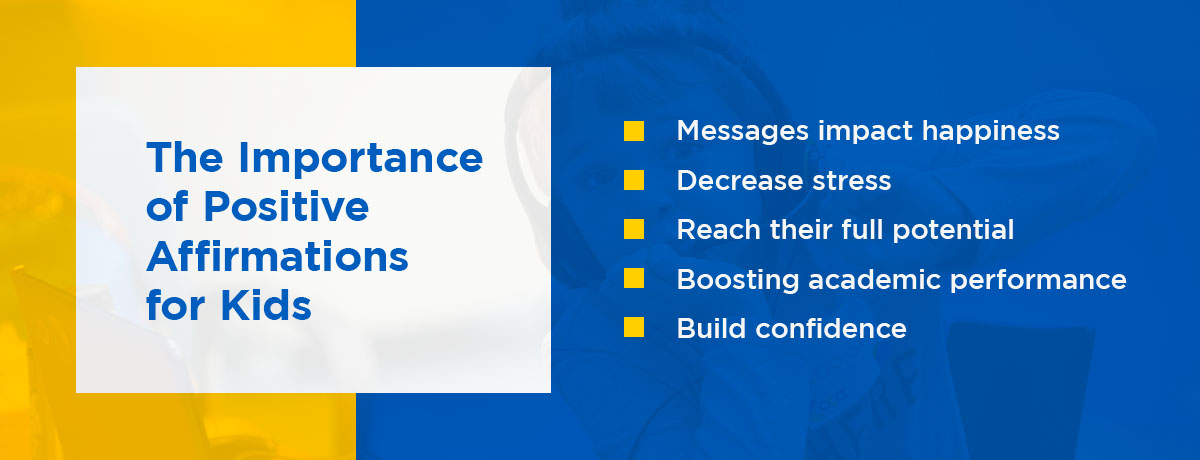
Credit: ccaeducate.me
The Role Of Affirmation In The Workplace
Workplaces are often stressful and competitive. Affirmation can make a big difference in how employees feel and perform.
Affirmation in the workplace goes beyond yearly awards or formal recognition. It includes everyday gestures like saying “thank you,” giving positive feedback, or acknowledging someone’s contribution in front of the team.
Boosting Morale And Motivation
Employees who receive affirmation feel appreciated and motivated. This leads to higher morale and better performance.
Even small acts, like recognizing someone’s effort in a meeting, can boost motivation. Employees become more engaged and willing to go the extra mile.
Data Table: Impact Of Affirmation On Workplace Metrics
| Metric | With Regular Affirmation | Without Affirmation |
|---|---|---|
| Employee Productivity | High | Low |
| Job Satisfaction | Very High | Moderate |
| Turnover Rate | Low | High |
| Team Collaboration | Strong | Weak |
Improving Communication
Affirmation encourages open and honest communication. When people feel affirmed, they are more willing to share ideas and feedback.
Teams with regular affirmation are more creative and innovative. People are less afraid to suggest new solutions or admit mistakes.
Building Team Spirit
Teams that practice affirmation build trust and unity. They support each other and work together more effectively.
Group affirmation can be done through team meetings, shout-outs, or peer recognition programs. These practices help everyone feel included and valued.
Attracting And Retaining Talent
Affirmation makes workplaces attractive. People want to stay where they feel valued. Companies that affirm employees see lower turnover and higher engagement.
Talented professionals often choose workplaces where affirmation is part of the culture. It helps recruit and keep the best people.
Common Mistake
Some managers think affirmation must be formal or grand. In reality, simple daily affirmations are often more effective.
For instance, a quick “thank you” or a handwritten note can mean more than a public award ceremony.
Affirmation And Mental Health
Mental health is about how you feel, think, and cope with life. Affirmation plays a big role in supporting mental health.
Affirmation helps people feel less alone. When you know someone cares and values you, it’s easier to face difficult emotions or situations.
Lowering Stress
Affirmation reduces stress by making people feel safe and accepted. It helps lower anxiety and prevents burnout.
People who receive affirmation are better able to manage stress and stay calm during tough times.
Data Table: Affirmation And Mental Health Outcomes
| Outcome | With Affirmation | Without Affirmation |
|---|---|---|
| Anxiety Levels | Lower | Higher |
| Depression Risk | Reduced | Increased |
| Self-Esteem | Boosted | Decreased |
| Resilience | Strengthened | Weakened |
Supporting Recovery
For people facing challenges like illness or trauma, affirmation speeds up recovery. It gives hope and encourages positive actions.
Affirmation can be a lifeline for someone struggling with mental health. It reminds them they are not alone and that their efforts are noticed.
Preventing Isolation
Affirmation helps people feel connected. This prevents loneliness and social withdrawal, which can worsen mental health problems.
Even a brief conversation or message can provide comfort and keep someone from feeling forgotten.
Non-obvious Insight
Affirmation is not just about positive words. It can also be shown through small actions, like listening carefully or including someone in a group.
Sometimes, inviting someone to join a meeting or checking in with a friend is a powerful form of affirmation.

Credit: slumberkins.com
Affirmation In Education
Schools and learning environments are places where affirmation can have a huge impact. Students, teachers, and staff all benefit from affirmation.
Affirmation helps students feel safe to ask questions, make mistakes, and grow. It also helps teachers feel valued and confident in their work.
Helping Students Succeed
Students who receive affirmation are more confident and engaged. They participate more in class and achieve better results.
Affirmation helps students believe in their abilities, leading to improved attendance and enthusiasm for learning.
Encouraging Growth Mindset
Affirmation teaches students that effort matters. When teachers affirm hard work, students learn to value persistence over perfection.
This mindset helps students face challenges with courage. They are willing to try, fail, and try again.
Building Teacher Confidence
Teachers also need affirmation. When school leaders and parents affirm teachers, it boosts their motivation and improves teaching quality.
Teachers who feel affirmed are more creative and patient. They build better relationships with students and colleagues.
Data Table: Affirmation Effects In Education
| Effect | With Affirmation | Without Affirmation |
|---|---|---|
| Student Engagement | High | Low |
| Academic Performance | Improved | Stagnant |
| Teacher Satisfaction | High | Moderate |
| Classroom Behavior | Positive | Disruptive |
Reducing Bullying
Affirmation helps create a safe and supportive school culture. When affirmation is common, bullying decreases and respect increases.
Students who feel affirmed are less likely to act out or hurt others. They learn to value kindness and inclusion.
Non-obvious Insight
Students who affirm each other—not just teachers—develop better social skills and empathy.
Peer affirmation builds a sense of belonging and teaches students how to support one another.
How To Practice Effective Affirmation
Affirmation works best when it is sincere and specific. Here are ways to practice affirmation in everyday life.
1. Be Genuine
Say what you truly mean. Fake compliments do not help. Honest affirmation builds trust.
Even if your affirmation is simple, it matters more when it comes from the heart.
2. Be Specific
Instead of saying “Good job,” say, “I appreciate how you solved that problem. ” Specific affirmation is more powerful.
Mentioning details shows you are paying attention and you care.
3. Use Actions
Affirmation is not only words. Small actions, like helping someone or spending time together, show affirmation.
Giving someone your time, or helping them with a task, can mean as much as verbal praise.
4. Listen Carefully
Listening is a form of affirmation. When you pay attention to someone, you show respect and value.
Active listening, like nodding or asking questions, helps people feel understood.
5. Affirm During Challenges
Affirmation matters most during hard times. Encourage others when they struggle.
A simple “I believe in you” can make a big difference when someone is facing difficulties.
6. Affirm Yourself
Practice self-affirmation. Remind yourself of your strengths and achievements.
Write down positive statements or reflect on your progress to build self-confidence.
Non-obvious Insight
Affirming yourself in front of others can inspire them to do the same. It creates a culture of confidence.
Sharing your own affirmation openly encourages others to value themselves, too.
Common Mistakes To Avoid
- Giving vague or generic praise
- Using affirmation only for big achievements
- Ignoring the need for affirmation during conflicts
Avoiding these mistakes helps affirmation feel authentic and effective.

Credit: ripplekindness.org
Barriers To Affirmation And How To Overcome Them
Even though affirmation is important, many people struggle to give or receive it. Understanding these barriers can help you overcome them.
Fear Of Vulnerability
Some people worry that affirmation will make them look weak or emotional. In reality, giving affirmation shows strength and empathy.
Being open with affirmation can actually lead to stronger relationships and greater respect.
Cultural Differences
Different cultures have different views about affirmation. In some places, affirmation is rare or seen as unnecessary. Learning about these differences can help you adapt your approach.
Some cultures value modesty over praise. Adjust your affirmation style to fit cultural norms while still showing appreciation.
Habit Of Criticism
People often focus on negatives. Breaking this habit means looking for positives and affirming them.
Start by noticing small successes or kind actions, and comment on them.
Lack Of Awareness
Many people simply forget to affirm others. Setting reminders or making affirmation a daily habit can help.
Try keeping a journal or setting a daily goal to affirm someone.
Overcoming Barriers
- Start small: Affirm one person each day.
- Use written notes if speaking feels uncomfortable.
- Reflect on how affirmation makes you feel and share that experience.
- Learn about cultural norms to avoid misunderstandings.
Over time, affirmation becomes easier and more natural.
The Long-term Impact Of Affirmation
Affirmation is not just a quick fix—it has lasting effects. Over time, affirmation shapes your mindset, relationships, and achievements.
Affirmation can help you build habits of optimism and gratitude. It changes how you view yourself and others.
Creating Positive Habits
Regular affirmation becomes a habit. It changes how you interact with others and helps you see the good in yourself and those around you.
Affirmation encourages you to look for strengths, not weaknesses, making life feel more hopeful.
Strengthening Communities
Affirmation builds strong communities. It encourages kindness, trust, and cooperation.
Groups with affirmation are more likely to support each other, share resources, and grow together.
Inspiring Future Generations
When children grow up with affirmation, they learn to value themselves and others. They become confident and compassionate adults.
Affirmed children are more likely to become leaders, helpers, and positive role models.
Non-obvious Insight
Long-term affirmation can help people recover from past hurts or negative experiences. It rewires the brain for positivity.
Even people with negative childhoods can heal and grow through consistent affirmation.
Real-world Examples Of Affirmation Changing Lives
Example 1: Workplace Transformation
A company introduced daily affirmation rituals. Within a few months, employee satisfaction rose and productivity improved. People felt more connected and engaged.
Team meetings started with positive shout-outs, and emails included notes of thanks. Employees began to support each other, leading to fewer conflicts and more creative solutions.
Example 2: Family Healing
A family struggling with conflict started affirming each other at dinner. Arguments decreased, and family bonds grew stronger.
Simple statements like “I appreciate how you listened today” helped family members feel valued and understood.
Example 3: Classroom Success
A teacher used affirmation to encourage students. Academic results improved, and students became more confident.
Students who felt affirmed participated more, and the classroom atmosphere became more positive and respectful.
Example 4: Personal Recovery
Someone facing health challenges received regular affirmation from friends. Their recovery was faster and their outlook became more positive.
Friends sent supportive messages and visited often, giving hope during difficult days.
Example 5: Community Growth
A local group made affirmation part of their meetings. This built trust and inspired members to support each other.
Members started affirming each other’s contributions, which increased participation and made the group stronger.
Frequently Asked Questions
What Is The Difference Between Affirmation And Praise?
Affirmation is about recognizing and supporting someone’s value, while praise often focuses on achievements. Affirmation can be about effort, character, or attitude, not just results.
Affirmation says, “You matter,” while praise says, “You did well. ” Both are important, but affirmation builds deeper confidence.
How Often Should I Affirm Others?
There is no set rule, but regular affirmation is best. Daily or weekly affirmation helps build trust and confidence. It’s important to affirm during both good and tough times.
Try to affirm others whenever you notice something positive, and not just during big moments.
Can Affirmation Help With Mental Health Issues?
Yes, affirmation supports mental health by reducing stress, boosting self-esteem, and promoting positive thinking. It is not a cure, but it helps people feel connected and valued.
Affirmation should be part of a supportive environment, along with other care.
What Are Some Examples Of Effective Affirmation?
Effective affirmation is sincere and specific. Examples include:
- “I appreciate how you help others.”
- “Your creative ideas made a difference.”
- “You handled that situation with patience.”
You can also affirm someone’s character or attitude, not just their actions.
Is Affirmation Important In Leadership?
Affirmation is crucial for leaders. It motivates teams, builds loyalty, and encourages open communication. Good leaders use affirmation to inspire and guide others.
Leaders who affirm regularly create a positive culture and achieve better results.
Final Thoughts
Affirmation is a simple yet powerful tool that shapes lives, relationships, and communities. It is not just about saying nice words; it is about recognizing value, encouraging growth, and building trust. Whether at home, work, or school, affirmation creates emotional safety and confidence.
By practicing sincere and specific affirmation, you can make a positive impact on yourself and those around you.
For more information about affirmation and its impact, visit Positive Psychology.
Remember, affirmation is not a one-time act—it is a lifelong habit that brings lasting change. Start today, and watch how affirmation transforms your world.
