

Where Can I Find Affirmations to Boost My Daily Motivation?
Finding the right words to boost your confidence or change your mindset can be life-changing. Many people turn to affirmations—short, positive statements repeated often—to help build self-belief, reduce stress, or reach their goals. But if you’re just starting, you might be wondering: Where can I find affirmations? This question is more important than it seems. The source of your affirmations can affect how well they work for you.
People use affirmations for many reasons: to feel better, to get motivated, or to change negative thinking. But not all affirmations are the same. Some are general, while others are specific to certain goals like health, success, or relationships. In this guide, you’ll learn the best places to find affirmations that truly fit your needs. You’ll discover classic sources, new digital tools, community resources, and even ways to create your own. Whether you prefer books, apps, or face-to-face support, this article will help you find the right path to positive self-talk.
Why Affirmations Matter
Affirmations are more than just nice words. They work by helping you focus on positive beliefs about yourself and your life. Studies show that affirmations can reduce stress, improve performance, and support mental health. When used regularly, they can even help change your habits and outlook on life.
For example, repeating a phrase like, “I am capable of handling any challenge,” can slowly help your brain accept it as true. Over time, this can reduce anxiety and help you face difficult situations with more confidence. It’s important to find affirmations that feel personal and relevant to you, as these have the strongest effect.
Classic Sources Of Affirmations
Some of the most time-tested places to find affirmations are traditional sources like books, self-help guides, and inspirational speeches. These resources are popular for a reason—they offer wisdom collected from years of personal growth research.
Self-help Books
Many self-help books are full of affirmations. Some books focus only on affirmations, while others include them as part of a larger message. Often, these books organize affirmations by themes such as confidence, health, or relationships. Look for books by well-known authors in the personal development field. Libraries, bookstores, and online retailers all offer a wide range of options.
Motivational Quotes Collections
Collections of motivational quotes are another common place to find affirmations. While not all motivational quotes are technically affirmations, many can be used in the same way. For example, a quote like “Believe you can and you’re halfway there” can be repeated as an affirmation. These collections are available in print and online, often grouped by topic for easy searching.
Religious And Spiritual Texts
If you have a spiritual background, many religious texts contain positive statements that serve as affirmations. Psalms, proverbs, and prayers often include words meant to build faith and inner strength. You can adapt these to your personal needs or use them as written.
Digital Resources For Affirmations
The digital world offers endless possibilities for finding and using affirmations. From mobile apps to podcasts, you can access positive messages anytime, anywhere.
Affirmation Apps
There are many apps designed to deliver daily affirmations to your phone. These apps let you choose topics, set reminders, and even record your own voice. Some popular apps include I Am, ThinkUp, and Shine. They often have features that let you personalize your experience and track your progress.
Websites And Blogs
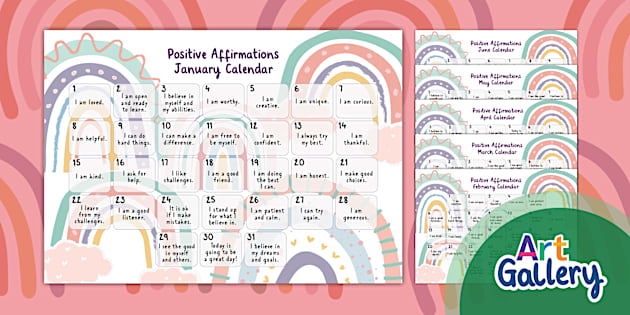
A simple search online will lead you to hundreds of websites and blogs focused on affirmations. These sites often organize affirmations by category, making it easy to find statements that fit your needs. Some sites also offer printable cards, email subscriptions, or interactive tools.
Youtube Channels
Many creators on YouTube produce videos and playlists with spoken affirmations. Some videos use calming music or visuals to help you relax while you listen. You can find channels focused on specific areas, such as morning affirmations, self-love, or abundance.
Podcasts
Podcasts are another powerful way to discover and use affirmations. Some shows offer short daily episodes with affirmations you can listen to on the go. Others feature interviews and advice on using affirmations for personal growth.
Social Media
Platforms like Instagram, Pinterest, and Twitter are full of affirmation posts and stories. By following affirmation accounts, you can fill your feed with daily inspiration. Many creators share original content, while others repost classic favorites. Social media also lets you interact with others and share affirmations that resonate with you.
Community And Group Resources
Sometimes, the best affirmations come from real conversations and shared experiences. Community settings offer unique ways to find and use affirmations.
Support Groups
Many support groups, both online and in person, use affirmations as part of their meetings. For example, addiction recovery programs or mental health workshops often include group affirmations. Hearing others use positive statements can help you believe them, too.
Workshops And Seminars
Personal growth workshops often include exercises based on affirmations. These events may have guided sessions where you practice affirmations out loud or write your own. Attending a workshop can give you new ideas and confidence to keep using affirmations at home.
Counseling And Therapy
Some therapists use affirmations as a tool for building self-esteem and changing negative thinking. A counselor can help you create affirmations that fit your unique situation. This personal approach can be especially helpful if you struggle to believe positive statements on your own.
Religious Communities
Churches, mosques, temples, and other religious centers often use affirmations in prayers, chants, or group readings. These affirmations are usually tied to spiritual beliefs and can offer comfort and hope.
Credit: www.twinkl.com
Creating Your Own Affirmations
While finding ready-made affirmations is helpful, creating your own can be even more powerful. Personal affirmations speak directly to your needs and dreams.
To write your own affirmations, start by thinking about an area you want to improve. Use positive, present-tense language, as if what you want is already true. For example, instead of saying, “I will be confident,” say, “I am confident.
” Make your statements specific and believable. If a phrase feels false, adjust it to something you can accept, like, “I am learning to feel more confident each day. ”
Here’s a simple process:
- Identify a negative thought or belief you want to change.
- Turn it into a positive, present statement.
- Keep it short and easy to remember.
- Repeat it daily, out loud or in writing.
Personal affirmations often work better because they feel real and connected to your story. Over time, these words can help shift your thinking and boost your confidence.
Comparing Popular Affirmation Sources
With so many ways to find affirmations, it helps to compare the most common sources. Here’s a look at how different resources stack up for ease of use, personalization, and accessibility:
| Source | Ease of Use | Personalization | Accessibility |
|---|---|---|---|
| Books | High | Medium | High (available in libraries/stores) |
| Apps | Very High | High | Very High (on most devices) |
| Websites | High | Medium | High (requires internet) |
| Support Groups | Medium | High | Varies (depends on location) |
| Therapy | Medium | Very High | Low to Medium (requires appointment) |
This comparison shows that apps and websites offer the fastest and most flexible access. Support groups and therapy provide more personal support, but may take more effort to join.
Credit: www.amaehealth.com
Tips For Choosing The Best Affirmations
Not all affirmations will work the same for everyone. Here are some tips to help you choose statements that will have the biggest impact:
- Pick affirmations that feel true or at least possible. If a statement feels fake, your mind will resist it.
- Focus on the present tense. Use “I am” instead of “I will.”
- Be specific. Instead of “I am successful,” try “I am achieving my goals in my career.”
- Keep it short and simple. Easy statements are easier to remember and repeat.
- Repeat them often. The more you say or write your affirmations, the more your brain will accept them.
- Personalize when possible. Adjust existing affirmations to fit your life and needs.
- Combine with action. Pair affirmations with real steps toward your goal for the best results.
Overlooked Sources Of Affirmations
While books and apps are popular, there are other creative places to find meaningful affirmations:
Music And Lyrics
Many songs include powerful positive messages. Listening to uplifting music or reading song lyrics can give you new affirmations to use in your daily life. Choose songs that make you feel strong or hopeful.
Art And Visual Design
Some people find affirmations in artwork—paintings, posters, or digital graphics that include positive words. Seeing these visuals every day can reinforce your goals. You can also create your own art with favorite affirmations.
Journals And Planners
Some journals and planners include daily or weekly affirmations printed on each page. These tools help you combine reflection and positive thinking in your daily routine.
Meditation And Mindfulness Guides
Guided meditation audio or scripts often use affirmations to help listeners relax and focus. These can be found in meditation apps, podcasts, or audio downloads. Meditations that include affirmations may help you connect with the words on a deeper level.
Community Events And Classes
Yoga studios, fitness centers, and personal growth events sometimes use affirmations as part of their programs. These group settings can make affirmations feel more powerful, especially when shared with others.
How To Recognize High-quality Affirmations
With so many options out there, it’s important to know how to spot high-quality affirmations. Here’s what to look for:
- Clarity: The language should be simple and direct.
- Positivity: Avoid negative words, even if the message is hopeful.
- Relevance: The statement should match your goals or feelings.
- Realism: Choose affirmations that push you, but still feel believable.
- Emotional impact: The best affirmations make you feel something—hope, confidence, or peace.
If an affirmation feels empty or forced, it’s okay to skip it. Trust your own feelings and choose words that inspire you.
Common Mistakes When Using Affirmations
Even with the best sources, people sometimes struggle to make affirmations work. Here are some mistakes to avoid:
- Choosing affirmations that feel fake: If you don’t believe the words, your mind may reject them.
- Being too general: Vague statements are easy to ignore. Specific affirmations stick better.
- Not repeating often enough: Affirmations work through repetition. Say them daily, not just once.
- Using only other people’s words: Personal connection matters. Adjust or create your own affirmations for more impact.
- Expecting instant results: Change takes time. Be patient and consistent.
How To Make Affirmations A Habit
Finding affirmations is just the first step. To see real change, you need to use them regularly. Here are some tips to help you build the habit:
- Set a daily reminder on your phone or calendar.
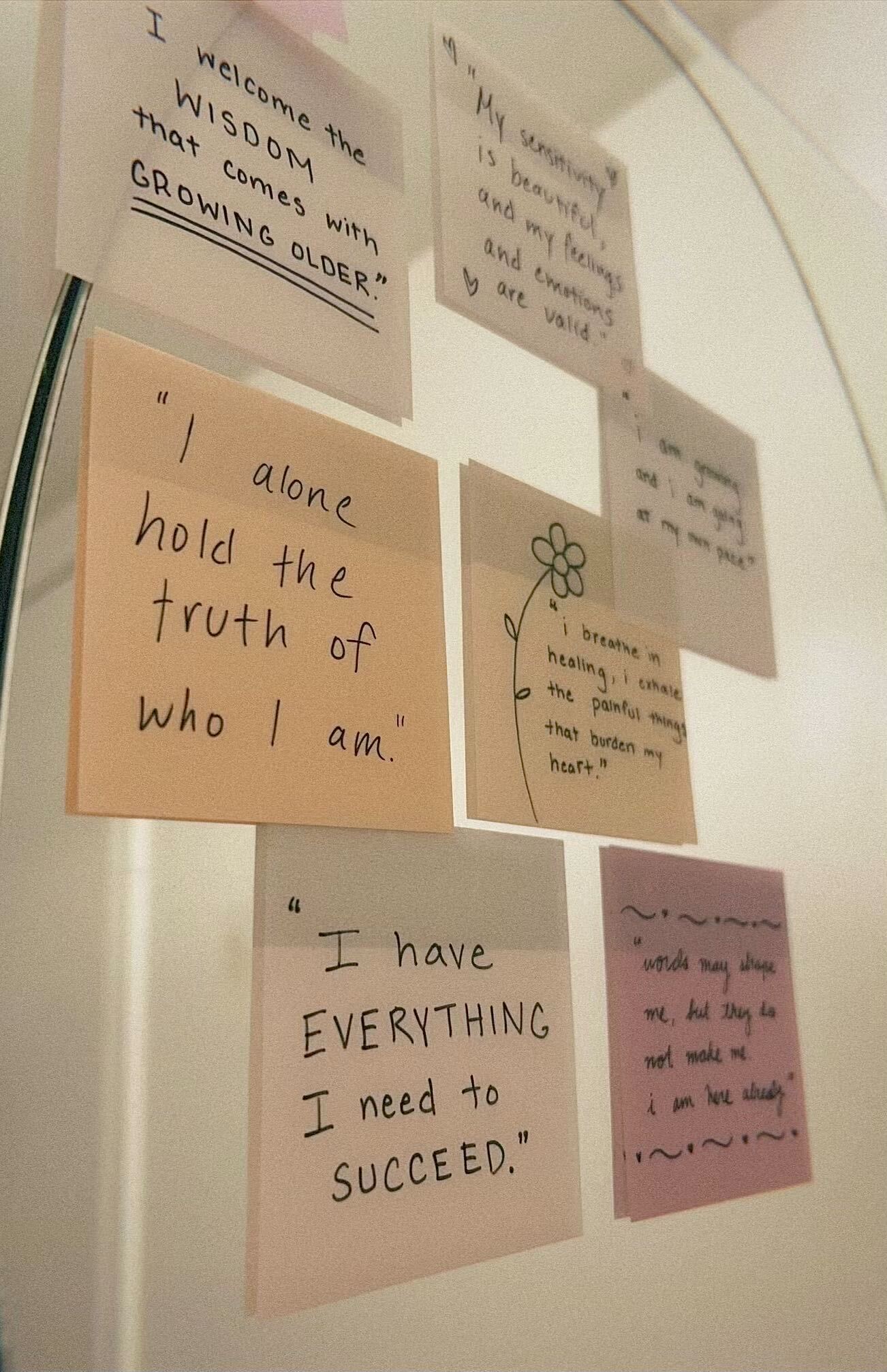
- Write affirmations on sticky notes and place them where you’ll see them—on your mirror, computer, or fridge.
- Say them out loud every morning or before bed.
- Combine with other habits, like meditation or journaling.
- Track your progress by noting any changes in mood or behavior.
You might also try recording yourself saying affirmations and listening to the audio during your commute or workout.
Real-life Examples: How People Find Affirmations
To give you a better idea of how affirmations can fit into daily life, here are a few examples:
- Sarah, a student, uses an app to get a daily reminder with a new affirmation about confidence. She writes each one in her journal and reflects on it before exams.
- Ahmed, a busy parent, listens to a podcast with morning affirmations while making breakfast. He repeats the phrases to himself throughout the day.
- Maria, a teacher, attends a monthly workshop where the group shares affirmations out loud. She brings new ideas back to her classroom.
- David, recovering from illness, creates his own affirmations with help from a counselor. He puts them on index cards and carries them in his wallet.
These stories show that there is no single “right” way to find affirmations. The best source is the one that fits your lifestyle and feels meaningful to you.
Data: How People Use Affirmations
Research shows that more people are turning to affirmations for support. Here’s a look at how different age groups use affirmations, based on a recent survey:
| Age Group | Uses Apps (%) | Prefers Books (%) | Joins Support Groups (%) |
|---|---|---|---|
| Teens | 64 | 18 | 10 |
| Young Adults | 72 | 15 | 8 |
| Adults | 48 | 36 | 22 |
| Seniors | 19 | 54 | 28 |
This data suggests that younger people prefer digital sources, while older adults often rely on books or community groups. No matter your age, there is a method that can work for you.
Combining Multiple Sources For Best Results
Using just one source for affirmations is good, but combining several can make your practice even stronger. For example, you might:
- Use an app for daily reminders.
- Attend a workshop for new ideas.
- Write your own affirmations based on what you learn from books.
- Share affirmations with friends or family for extra support.
Mixing different sources keeps your affirmations fresh and relevant. It also helps you stay motivated.
Credit: www.thegoodtrade.com
When To Update Your Affirmations
As your life changes, your affirmations should change too. Review your list every few months and ask yourself:
- Do these words still match my goals?
- Are there new challenges I want to address?
- Have I outgrown any of these statements?
Updating your affirmations keeps them meaningful and effective. Don’t be afraid to let go of old phrases and try new ones.
Where To Turn For Extra Guidance
If you’re not sure which affirmations to use, or if you need help writing your own, there are experts who can guide you. Life coaches, counselors, and even experienced friends can offer ideas and support. You can also find advice on trusted sites like Psychology Today.
Remember, the right affirmation is the one that speaks to you. If you keep searching and experimenting, you’ll find the words that help you grow.
Frequently Asked Questions
What Are Affirmations?
Affirmations are short, positive statements that you repeat to yourself to encourage positive thinking and change your mindset. People use them to boost confidence, reduce stress, or help reach goals.
How Often Should I Use Affirmations?
For best results, repeat affirmations daily—morning and night is ideal. The more you use them, the more your brain will start to believe the positive messages.
Can I Create My Own Affirmations?
Yes! Creating your own affirmations is often more effective because they feel personal and meaningful. Use positive, present-tense language and make sure the statement fits your goals.
Do Affirmations Really Work?
Research suggests that regular use of affirmations can reduce stress, improve self-esteem, and support mental health. However, they work best when you believe them and use them consistently.
Where Can I Find Free Affirmations?
You can find free affirmations on websites, apps, social media, YouTube, podcasts, and community groups. Many libraries and public events also offer resources at no cost.
If you’ve ever asked, “Where can I find affirmations? ” you now have plenty of answers. Affirmations are everywhere—in books, online, communities, and even your own words. Start exploring, try different sources, and you’ll soon discover the positive phrases that help you become your best self.
