

When to Use Positive Affirmations for Maximum Impact
When To Use Positive Affirmations
Feeling confident, happy, and motivated does not always come naturally. Sometimes, negative thoughts or self-doubt creep in, making life harder. Positive affirmations are simple sentences you repeat to yourself to build a better mindset. But knowing exactly when to use positive affirmations is key. If you use them at the right moments, they can reshape your day, boost your confidence, and help you reach your goals. This article explores the best times and situations to use positive affirmations, how they work, and how you can make them a powerful habit.
Many people think affirmations are only for motivation or self-esteem, but they can do much more. You can use them for stress, focus, sleep, relationships, and even health. Some studies show positive affirmations can reduce stress and improve performance. But to get these results, you must know when to use them.
We will look at practical times, real-life examples, and mistakes to avoid. You will learn how to build affirmations into your routine and see lasting changes.
What Are Positive Affirmations?
Positive affirmations are short, powerful statements. You say them to yourself to change your mindset and beliefs. For example, “I am strong,” “I can handle this,” or “I deserve happiness. ” They help you focus on your strengths, not your weaknesses.
Affirmations work because your brain listens to what you say. If you repeat positive messages, your mind starts to believe them. This can change your feelings and actions. Research shows positive self-talk can improve mental health, reduce anxiety, and boost performance.
Many beginners miss that affirmations are not magic. You must use them regularly and believe in them. Also, they work best when used at the right time—not just randomly.
The Science Behind Affirmations
Some people think affirmations are just words. But science says otherwise. Studies show that repeating positive statements can:
- Lower stress levels
- Improve self-confidence
- Increase problem-solving skills
- Reduce negative thoughts
One famous study found that people who used affirmations before stressful tasks performed better. Their brains were calmer, and they made fewer mistakes. Another research showed that affirmations can help you recover from setbacks faster.
But affirmations work best when you use them in the right moments. For example, saying “I am calm” during a panic attack can help, but it is less helpful if you say it when you already feel calm.
When Should You Use Positive Affirmations?
Knowing when to use positive affirmations is important. If you use them at the right time, you can change your mood, boost your confidence, and stay focused. Let’s look at the best moments to use affirmations.
1. When You Wake Up
Starting your day with positive affirmations sets the tone. You can say, “Today will be a good day,” or “I am ready for what comes. ” This helps you begin your morning with a positive mindset. It can also help you fight morning anxiety and stress.
Studies show that people who use affirmations in the morning feel more motivated and energetic. It’s easy to do—just repeat your chosen affirmation before getting out of bed.
2. During Stressful Situations
Stress can make you doubt yourself. Using affirmations like “I can handle this” or “I am strong” can calm your mind. For example, before a big meeting, repeating “I am prepared” can reduce nervousness.
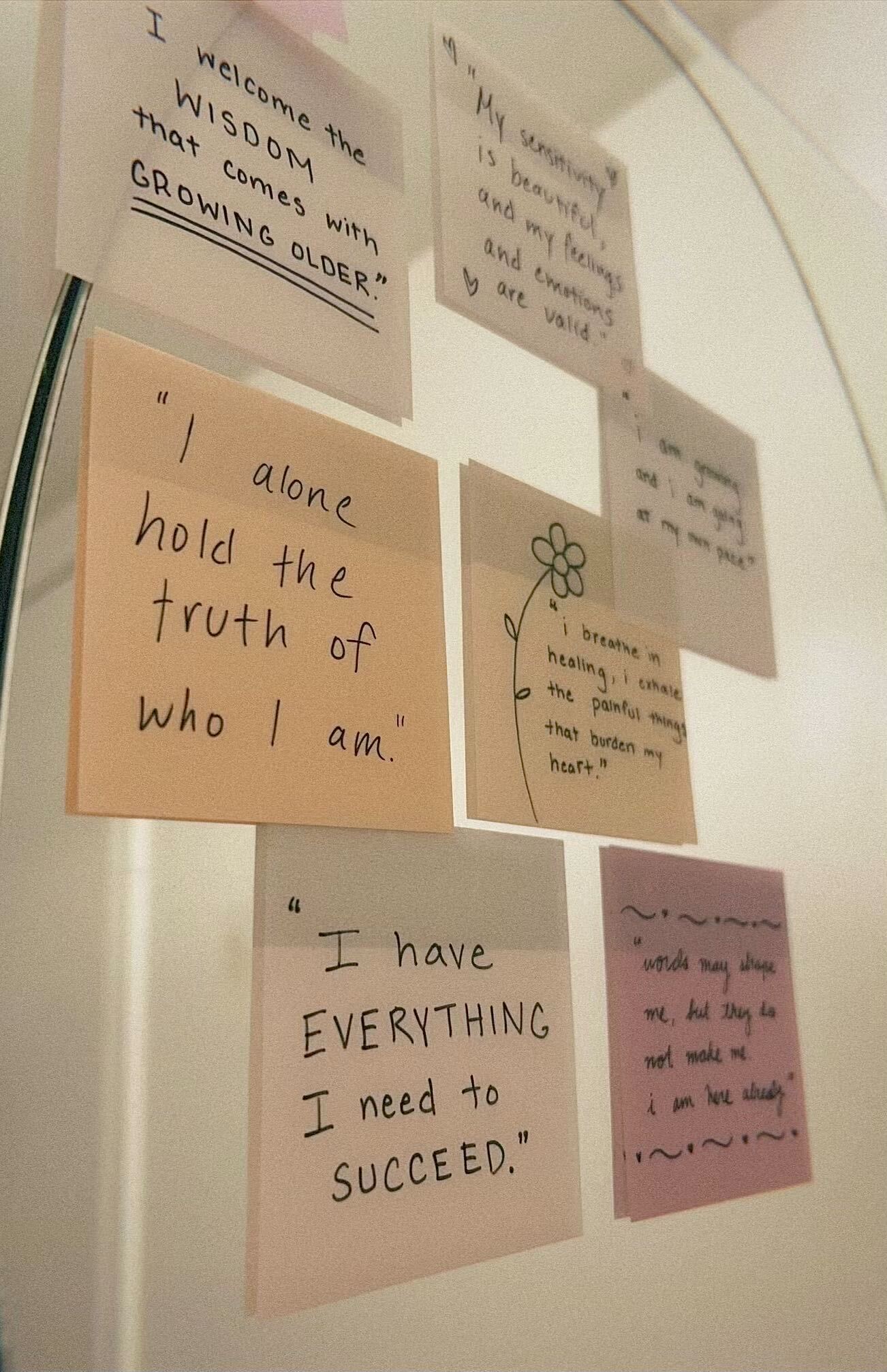
A practical tip: write your affirmation on a sticky note and place it where you can see it. This visual reminder helps you stay positive during stressful moments.
3. Before Important Tasks
If you have a test, job interview, or presentation, affirmations can boost your confidence. Say, “I am ready,” “I trust myself,” or “I can succeed. ” This makes you feel more prepared.
Many people forget to use affirmations before big events. But this is one of the most powerful times. Your brain is nervous, and positive words help you focus and perform better.
4. When Facing Self-doubt
Self-doubt can stop you from trying new things. Affirmations like “I am capable” or “I believe in myself” fight negative thoughts. Whenever you notice doubt, pause and say your affirmation.
One non-obvious tip: combine affirmations with deep breathing. Take a slow breath, repeat your affirmation, and notice how you feel.
5. After Making A Mistake
Mistakes can lead to negative self-talk. Instead of saying, “I failed,” use affirmations like “I learn from my mistakes” or “I am growing. ” This helps you recover faster and keeps you moving forward.
Studies show people who use positive self-talk after mistakes bounce back quicker. They feel less shame and more motivation to try again.
6. During Physical Exercise
Exercise can be hard, especially when you feel tired or want to quit. Using affirmations like “I am strong” or “I can do this” can help you push through. Athletes often use self-talk to improve performance.
Try saying your affirmation during the hardest part of your workout. You may notice more energy and focus.
7. When You Feel Overwhelmed
Life can be busy and overwhelming. Affirmations like “I am in control” or “I handle challenges well” can help you stay calm. When your to-do list feels endless, pause and repeat your affirmation.
A practical tip: set a timer to remind you to say affirmations during your busiest hours.
8. Before Sleep
Ending your day with positive affirmations can help you relax. Say, “I am grateful for today,” or “I will rest peacefully. ” This calms your mind and prepares you for sleep.
Research shows that positive self-talk before bed can improve sleep quality and reduce nighttime anxiety.
9. When Starting New Habits
Building new habits is hard. Using affirmations like “I am committed” or “I can change” helps you stay motivated. For example, if you want to eat healthier, say, “I make healthy choices. ”
Affirmations are most effective when you use them daily. Consistency is key.
10. When Facing Fear
Fear can hold you back. Affirmations like “I am brave” or “I face my fears” help you move forward. Before doing something scary, repeat your affirmation.
One mistake beginners make is using vague affirmations. Be specific: “I am brave enough to speak in public.”
11. When You Need Motivation
Sometimes you feel lazy or uninspired. Affirmations like “I am motivated” or “I finish what I start” can give you energy. Use them when you need a boost.
A common tip: pair affirmations with action. Say your affirmation, then do a small task to build momentum.
12. During Relationship Challenges
Relationships can be hard. Affirmations like “I am loving,” “I communicate well,” or “I deserve respect” can help. Use them before difficult conversations or when you feel insecure.
Many people miss that affirmations can improve relationships. They help you stay calm and confident.
13. When Facing Health Challenges
If you are sick or struggling with health issues, affirmations like “I am healing” or “I am strong” can support recovery. Research shows positive self-talk can improve health outcomes.
Use affirmations alongside medical advice, not as a replacement.
14. When You Want To Change Your Mindset
Sometimes you want to be more positive or grateful. Affirmations like “I see the good in life” or “I am grateful” help shift your mindset. Repeat them daily to see long-term changes.
One insight: mix affirmations with gratitude lists. Write down three good things, then say your affirmation.
15. When You Need Focus
Distractions are everywhere. Affirmations like “I am focused” or “I finish my tasks” help you concentrate. Use them before starting work or studying.
A practical tip: use a focus affirmation as your desktop background.
16. During Times Of Uncertainty
Uncertainty can cause anxiety. Affirmations like “I trust myself” or “I handle change well” help you stay calm. Use them when you are unsure about the future.
Studies show positive self-talk can reduce anxiety during uncertain times.
17. When You Want To Improve Performance
Whether in sports, work, or school, affirmations like “I perform well” or “I am talented” boost results. Use them before and during performance.
One non-obvious tip: visualize your affirmation. Imagine yourself succeeding as you repeat your statement.
18. When You Need Self-love
Many people struggle with self-acceptance. Affirmations like “I am enough” or “I deserve love” help build self-love. Use them when you feel insecure.
Combine self-love affirmations with self-care activities for stronger results.
19. When You Want To Build Resilience
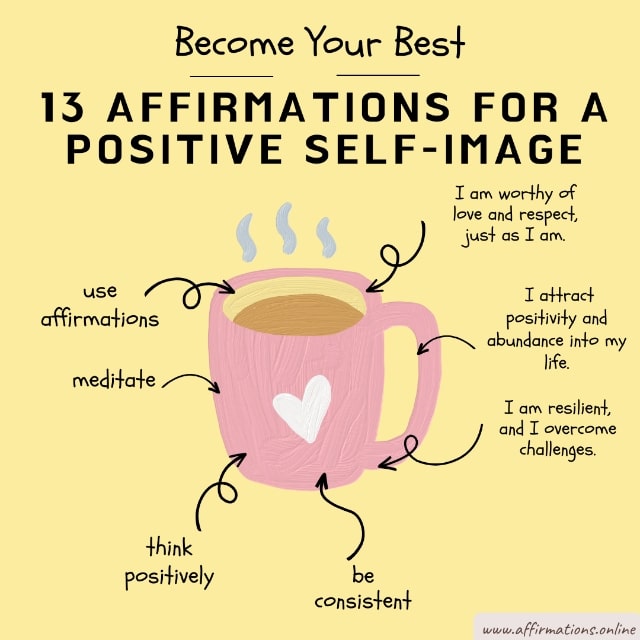
Life brings challenges. Affirmations like “I am resilient” or “I overcome difficulties” help you bounce back. Use them during tough times.
A practical tip: write your resilience affirmation in a journal and read it daily.
20. When Practicing Mindfulness
Mindfulness is about being present. Affirmations like “I am present” or “I notice my feelings” deepen your practice. Use them during meditation or quiet moments.
Many beginners miss that affirmations can enhance mindfulness. Try repeating your affirmation slowly, focusing on each word.
Examples Of Positive Affirmations
Here are some effective affirmations for different situations:
- Self-confidence: “I believe in myself.”
- Stress: “I am calm and relaxed.”
- Motivation: “I am driven to succeed.”
- Resilience: “I recover from setbacks.”
- Health: “I am healing every day.”
- Relationships: “I am worthy of love.”
Choose affirmations that fit your needs. Make them personal for better results.
Credit: www.thegoodtrade.com
How To Create Your Own Affirmations
Personalized affirmations work best. Here’s how to create them:
- Identify your goal: What do you want to change?
- Use positive language: Avoid negative words. Say “I am confident,” not “I am not scared.”
- Keep it short: One or two sentences is enough.
- Make it believable: If you don’t believe it, adjust the wording.
For example, if you want to feel more confident, try “I am growing in confidence. ”
Integrating Affirmations Into Your Daily Routine
To get the most from affirmations, use them regularly. Here are practical ways to build them into your day:
- Say them after waking up and before sleep.
- Write them in a journal.
- Place sticky notes around your home or office.
- Use them as phone reminders.
- Pair them with deep breathing or meditation.
Consistency is more important than quantity. Even a few affirmations daily can create change.
Common Mistakes When Using Affirmations
Many people make mistakes with affirmations. Here are the most common:
- Using vague statements: Be specific. Instead of “I am happy,” try “I find joy in small things.”
- Not believing your affirmation: If it feels fake, adjust it. Start with “I am learning to be confident.”
- Repeating too many affirmations: Focus on 3–5 at a time.
- Skipping affirmations on tough days: These are the most important days to use them.
- Not linking affirmations to actions: Say your affirmation, then do something positive.
Avoid these mistakes to see better results.
Comparing Affirmation Timing And Effectiveness
Let’s look at how timing affects the power of affirmations. The following table compares effectiveness of affirmations used at different times:
| Situation | Affirmation Example | Effectiveness (1–5) |
|---|---|---|
| Morning | “Today will be great.” | 5 |
| Before stressful event | “I am prepared.” | 5 |
| Random time | “I am happy.” | 2 |
| After a mistake | “I learn from mistakes.” | 4 |
| Before sleep | “I will rest peacefully.” | 5 |
Affirmations are most effective when you use them during meaningful moments. Random use may not give strong results.
Data On Affirmation Benefits
Here’s some data showing how affirmations help people:
| Benefit | Percentage Reporting Improvement | Source |
|---|---|---|
| Reduced stress | 68% | Self-talk study |
| Improved confidence | 75% | Psychology survey |
| Better performance | 60% | Motivation research |
| Faster recovery from setbacks | 72% | Resilience study |
Most people report real benefits from using affirmations, especially when used at the right time.
Real-life Examples: Affirmations In Action
Let’s see how affirmations work in real life.
Maria, a student, felt nervous before exams. She started using the affirmation, “I am prepared and calm.” She noticed less anxiety and better grades.
David, an athlete, used “I am strong and capable” during workouts. He pushed harder and improved his performance.
Aisha, a manager, faced stressful meetings. She used “I communicate confidently” before each meeting. Her confidence grew, and she handled challenges better.
These examples show affirmations can help in many areas—if used at the right moments.
Tips For Getting The Most From Affirmations
- Personalize your affirmation. Make it fit your situation.
- Use them during emotional moments for best results.
- Pair affirmations with action or self-care.
- Repeat daily, not just once.
- Track your progress in a journal.
One insight: affirmations work best when you are consistent, even on tough days.
Comparing Affirmations To Other Mindset Tools
Affirmations are just one tool. Let’s compare them to other methods:
| Method | How It Works | Best Use | Effectiveness |
|---|---|---|---|
| Affirmations | Repeat positive statements | Changing beliefs, motivation | High |
| Visualization | Picture success | Performance, goals | Medium–High |
| Gratitude | List things you are thankful for | Mindset, happiness | High |
| Meditation | Focus on breathing | Stress, mindfulness | High |
Affirmations work well with other tools. Try combining them for best results.
Credit: www.boldtuesday.com
How To Measure Your Progress
To see if affirmations work, track your feelings and results. Here’s how:
- Write down your daily mood and energy.
- Note any changes in confidence or stress.
- Track performance in school, work, or sports.
- Ask friends or family if they notice changes.
Review your journal after a few weeks. You may see patterns and improvements.
Should You Use Affirmations Alone?
Affirmations are powerful, but they are not the only solution. For some challenges, you may need extra help. Use affirmations with other strategies, such as therapy, coaching, or mindfulness practices.
For more research and guidance, visit Wikipedia.
Credit: www.affirmations.online
Frequently Asked Questions
What Are The Best Times To Use Positive Affirmations?
The best times are during stressful moments, before important tasks, when facing self-doubt, after mistakes, and before sleep. Using affirmations during emotional moments increases their impact.
How Many Affirmations Should I Use Daily?
Focus on 3–5 affirmations. Using too many can feel overwhelming. Choose statements that fit your current needs and repeat them daily.
Can Affirmations Help With Anxiety?
Yes, affirmations can reduce anxiety by changing negative thoughts. Use them during anxious moments and combine with deep breathing for better results.
Are Affirmations Effective For Children?
Affirmations can help children build confidence and reduce stress. Use simple statements like “I am brave” or “I am kind. ” Make it a daily habit for best results.
Do I Need To Believe My Affirmation For It To Work?
Belief is important. If your affirmation feels fake, adjust it. Start with statements you can accept, such as “I am learning to be confident,” and build from there.
Building a habit of using positive affirmations at the right moments can create real change. Start small, stay consistent, and notice how your mindset improves. Affirmations are a simple tool, but when used wisely, they can make a big difference in your life.
