

What is the Difference Between Affirmation, Positive Self Talk, and Mantra?
What is the Difference between Affirmation Positive Self Talk And Mantra
Many people today look for ways to boost their confidence, reduce stress, or simply feel better about themselves. Words and thoughts play a big role in this process. Three terms often come up: affirmation, positive self talk, and mantra. These practices sound similar, but they are not the same. Each has its own method, purpose, and effect. In this article, you will learn what sets them apart, how they work, and which one might suit your needs. Whether you are new to these concepts or have tried them before, understanding the difference can help you use them more effectively.
What Is Affirmation?
An affirmation is a simple, positive statement that you repeat to yourself. The goal is to change your thoughts and beliefs. Affirmations focus on what you want to become or achieve. For example, someone might say, “I am confident,” or “I am worthy of love.”
Affirmations are based on the idea that your thoughts shape your reality. If you keep telling yourself something positive, your mind begins to believe it. This can help you overcome doubts and create new habits.
How Affirmations Work
The main idea behind affirmations is repetition. You say the same phrase many times, often daily. This helps your brain accept the statement as true. Psychologists call this “self-suggestion.” Over time, your actions may start to match your words.
Studies show that affirmations can reduce stress, increase motivation, and improve performance. For example, research in schools found that students who used affirmations felt less anxious before exams. Another study showed that athletes who practiced affirmations performed better in competitions.
Examples Of Common Affirmations
Here are some popular affirmations:
- “I am strong.”
- “I deserve happiness.”
- “I can handle whatever comes.”
- “I am successful in my work.”
- “I trust myself.”
You can create your own affirmation based on your goals or needs.
Tips For Making Effective Affirmations
- Keep it positive: Avoid negative words. Say “I am calm” instead of “I am not stressed.”
- Use present tense: Say “I am confident,” not “I will be confident.”
- Be specific: “I enjoy public speaking” is better than “I am good.”
- Repeat daily: The more often, the better.
Non-obvious Insight: Affirmations Should Match Your Values
Many beginners miss this point. If your affirmation does not feel true or does not match your values, it will not help much. For example, saying “I am a millionaire” may not work if you do not believe it is possible.
Choose statements that feel realistic and meaningful.
What Is Positive Self Talk?
Positive self talk is the way you speak to yourself inside your mind. It is not just about repeating one phrase. It is a habit of talking kindly to yourself in many situations. For example, when you make a mistake, you might say, “Everyone makes mistakes. I can learn from this.”
Positive self talk is more flexible than affirmations. It happens throughout the day, not just at set times. You use it to motivate yourself, calm your nerves, or boost your mood. It is like being your own best friend.
How Positive Self Talk Works
This practice relies on awareness. You notice your thoughts and change them if they are negative. For example, if you think, “I will fail,” you switch to, “I will do my best.” This helps you handle stress, build confidence, and stay focused.
Psychologists say that positive self talk can improve mental health. It lowers anxiety, increases resilience, and helps you recover from setbacks faster.
Examples Of Positive Self Talk
Some common examples include:
- “I can solve this problem.”
- “I am doing my best.”
- “It’s okay to make mistakes.”
- “I have done well before, I can do it again.”
- “I am learning every day.”
Positive self talk can be used in many situations, such as before a big meeting, during exercise, or when facing challenges.
How To Practice Positive Self Talk
- Notice your thoughts: Pay attention to what you say to yourself.
- Challenge negative ideas: Ask if your thought is really true.
- Replace with positive words: Choose kinder, more helpful phrases.
- Practice regularly: The more you do it, the easier it becomes.
Non-obvious Insight: Positive Self Talk Is Not Always Positive
Some people think positive self talk means ignoring problems. But it is about being honest and kind. If you face a tough situation, saying, “This is hard, but I can try,” is better than pretending everything is easy.

Credit: wholeheartedschoolcounseling.com
What Is A Mantra?
A mantra is a special word, phrase, or sound repeated for spiritual or mental focus. Mantras come from ancient traditions, especially in India. Many people use mantras during meditation or prayer.
Unlike affirmations and positive self talk, mantras are often not in English. They might be in Sanskrit or another old language. For example, “Om” is a famous mantra used in yoga and meditation.
How Mantras Work
Mantras are used to calm the mind, increase concentration, or connect with a higher power. You repeat the mantra out loud or silently. The sound and rhythm help you focus and relax.
Research shows that repeating a mantra can reduce stress, slow your breathing, and lower your heart rate. It can also help you feel more peaceful.
Mantras are not always about self-improvement. Sometimes, the meaning is less important than the sound. The vibration of the word helps you enter a meditative state.
Examples Of Common Mantras
Some popular mantras include:
- “Om” (A sacred sound in Hinduism and Buddhism)
- “Om Mani Padme Hum” (A Buddhist mantra)
- “So Hum” (Means “I am that” in Sanskrit)
- “Peace” (Simple English mantra)
- “Sat Nam” (Means “Truth is my name” in Sikhism)
Some people create their own mantras, but many use traditional ones.
How To Use A Mantra
- Choose your mantra: Pick a word or phrase that feels meaningful or calming.
- Find a quiet place: Sit comfortably and close your eyes.
- Repeat the mantra: Say it out loud or silently for several minutes.
- Focus on the sound: Let the rhythm guide your mind.
Non-obvious Insight: Mantras Can Be Non-literal
Many beginners think they must understand the words. But often, the sound is more important than the meaning. This is especially true for traditional mantras.
Key Differences: Affirmation Vs Positive Self Talk Vs Mantra
These three practices seem similar, but they have clear differences. Understanding these can help you choose the best one for your goals.
Comparison Table: Core Differences
Here’s a table to show the main differences between affirmation, positive self talk, and mantra:
| Aspect | Affirmation | Positive Self Talk | Mantra |
|---|---|---|---|
| Main Purpose | Change beliefs and habits | Encourage, motivate, support | Focus, calm, spiritual connection |
| Language | Usually English or native language | Native language, flexible phrases | Often Sanskrit or traditional; sometimes English |
| Usage | Repeated set phrase | Flexible, ongoing dialogue | Repeated sound or phrase, often during meditation |
| Context | Personal growth, goal setting | Everyday situations, challenges | Meditation, spiritual practice |
| Emphasis | Meaning and belief | Honesty and kindness | Sound and vibration |
Examples In Real Life
Imagine three people:
- Maria wants to become more confident at work. She repeats the affirmation, “I am a good leader,” each morning.
- David often feels nervous before speaking. He uses positive self talk: “I have prepared well. I can do this.”
- Priya practices meditation. She repeats the mantra “Om” to calm her mind and focus during her sessions.
Each person uses a different method, depending on their goal and situation.
Why People Confuse These Practices
Many people mix up affirmation, positive self talk, and mantra because they all involve repeating words or phrases. The confusion comes from their similarities:
- All three use repetition
- All can be calming or motivating
- All aim to change your mental state
But the purpose and method are not the same. Affirmations change beliefs. Positive self talk is about self-support. Mantras focus the mind, often spiritually.
Data Table: Popularity And Effectiveness
Research shows how people use these methods and how effective they are.
| Practice | Common Users | Reported Benefits | Effectiveness (Survey %) |
|---|---|---|---|
| Affirmation | Students, professionals | Confidence, reduced stress | 72% |
| Positive Self Talk | Athletes, everyday people | Resilience, motivation | 81% |
| Mantra | Meditators, spiritual seekers | Calm, focus | 66% |
These numbers come from surveys in wellness groups. Positive self talk is most popular, but all three have benefits.
Common Mistakes Beginners Make
- Mixing up the methods: Using a mantra as an affirmation, or vice versa.
- Not repeating enough: Repetition is key for all three practices.
- Choosing random phrases: The phrase should suit your goal.
- Ignoring belief: If you do not believe your affirmation, it will not help.
- Overthinking the mantra: Worrying about the meaning instead of the sound.
How To Choose: Which Practice Is Right For You?
Choosing the right method depends on your needs, personality, and goals. Here are some tips to help you decide.
If You Want To Change Beliefs
Affirmations are best if you want to change how you think about yourself. If you have doubts or want to build confidence, affirmations can help.
- Good for: Building new habits, overcoming fears, setting goals
- How to use: Repeat your statement daily, write it down, or say it aloud
If You Need Everyday Support
Positive self talk is great for daily situations. If you want to encourage yourself during challenges or stay motivated, this method is flexible.
- Good for: Handling stress, staying motivated, self-compassion
- How to use: Notice your thoughts, change negative ideas, use positive phrases often
If You Seek Focus Or Calm
Mantras are best for meditation or spiritual practice. If you want to calm your mind or deepen your meditation, a mantra can help.
- Good for: Meditation, relaxation, spiritual connection
- How to use: Choose a mantra, repeat it during meditation, focus on the sound
Practical Advisor’s Tip: Combine Methods
Some people use all three methods. For example, you can start your day with an affirmation, use positive self talk during work, and practice a mantra during meditation. This mix can cover different needs.

Credit: biglifejournal.com
Science Behind These Practices
Research supports the benefits of all three methods, but the science is strongest for positive self talk and affirmations.
Affirmations And The Brain
Studies show that repeating positive statements can activate reward centers in the brain. This makes you feel better and motivates you to take action. It also reduces stress and anxiety.
Positive Self Talk And Performance
Athletes often use positive self talk to boost performance. Research shows that it improves focus, builds resilience, and helps you recover from mistakes quickly.
Mantras And Meditation
Mantras help slow breathing and heart rate. This leads to relaxation and better focus. Studies in meditation show that mantra repetition reduces anxiety and increases feelings of peace.
Non-obvious Insight: The Role Of Emotion
Many people think repeating words is enough. But emotion matters. If you say your affirmation or mantra with feeling, it works better. Flat, emotionless repetition does not have the same effect.
Examples Of Success Stories
Here are some real-life examples showing how these practices help people:
- Sarah, a teacher, used affirmations like “I am patient and calm” before school. She felt less stressed and more patient with her students.
- James, a runner, practiced positive self talk during races: “Keep going, you’re strong.” He noticed better performance and faster recovery from setbacks.
- Mei, a yoga student, used the mantra “Om Shanti” during meditation. She felt more peaceful and focused after each session.
These examples show that with practice, each method can bring real results.
The Role Of Culture And Tradition
Affirmations and positive self talk are common in Western cultures. Mantras have deep roots in Eastern traditions. Many people now combine these methods, mixing old and new.
Data Table: Origin And Adaptation
| Practice | Origin | Modern Adaptation |
|---|---|---|
| Affirmation | Western psychology | Used in therapy, coaching |
| Positive Self Talk | Sports, psychology | Common in daily life, wellness |
| Mantra | Eastern religion, meditation | Yoga, mindfulness practices |
Some people worry about using mantras from other cultures. It is important to respect the tradition and understand the meaning if possible.
Practical Steps To Start
If you want to try these practices, here are simple steps:
Starting With Affirmations
- Write down a statement you want to believe.
- Make sure it is positive and in present tense.
- Repeat it aloud every morning and evening.
- Feel the emotion behind your words.
Using Positive Self Talk
- Notice your thoughts during challenges.
- If you are negative, pause and ask: Is this true?
- Replace with a kinder, positive phrase.
- Practice in small moments, like before a meeting or during exercise.
Trying Mantra Meditation
- Pick a mantra (traditional or personal).
- Sit quietly and close your eyes.
- Repeat the mantra for 5-10 minutes.
- Focus on the sound and let your mind relax.
Friendly Mentor’s Tip: Keep It Simple
Start with one method. Do not try to master all at once. Practice regularly and notice how you feel. If one method does not work, try another.
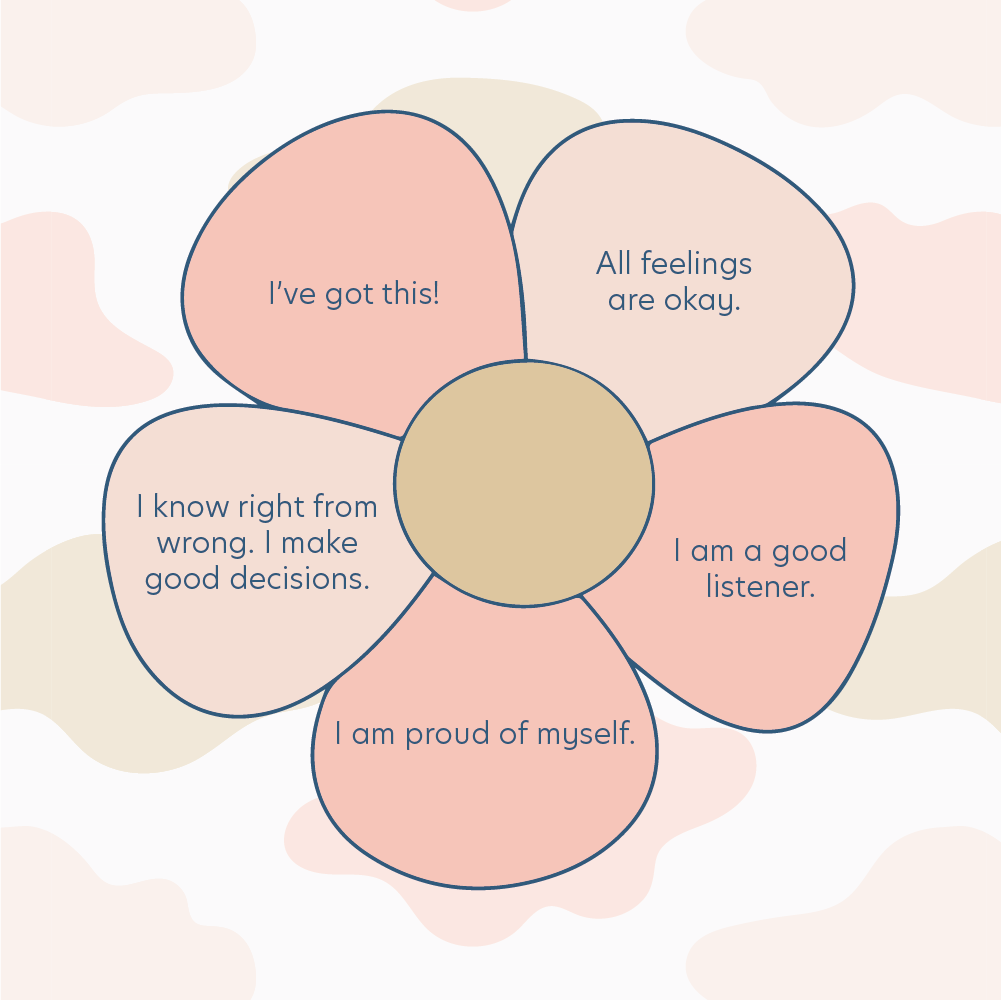
Credit: brightpathkids.com
Common Questions And Misconceptions
Many people have doubts or misunderstandings about these practices. Here are some clarifications:
Are Mantras Only For Religious People?
No. While mantras come from spiritual traditions, anyone can use them for focus or relaxation. You do not need to follow a religion to benefit.
Is Positive Self Talk Always Positive?
No. It is about being honest and kind, not ignoring problems. Sometimes, admitting “This is hard, but I will try” is the best form of self talk.
Do Affirmations Work Immediately?
No. It takes time and repetition for affirmations to change your beliefs. Be patient and keep practicing.
Can You Use More Than One Method?
Yes. Many people use affirmations, positive self talk, and mantras together. Mix and match based on your needs.
Do You Need To Understand The Mantra?
Not always. The sound and rhythm can help even if you do not know the meaning. However, understanding can add depth and respect to the practice.
Frequently Asked Questions
What Is The Main Difference Between Affirmation And Mantra?
Affirmations are positive statements meant to change beliefs or habits. Mantras are words or sounds repeated mainly for focus, calm, or spiritual connection. The meaning matters more in affirmations, while the sound is often more important in mantras.
Can Positive Self Talk Replace Affirmations?
Positive self talk is broader and happens throughout the day. Affirmations are a specific form of positive self talk, repeated for a goal. You can use both, but positive self talk covers more situations.
How Long Should I Repeat A Mantra Or Affirmation?
Most experts suggest repeating a mantra or affirmation for at least 5-10 minutes daily. Some people repeat affirmations all day, while mantras are often used during meditation sessions.
Is It Okay To Use A Traditional Mantra If I Am Not Spiritual?
Yes, many people use traditional mantras for relaxation or focus, even if they are not spiritual. Respect the tradition and use it with good intention.
Where Can I Find More Information About These Practices?
You can find more details and scientific studies on these methods at sites like Wikipedia, which explains the origins and uses of mantras, affirmations, and positive self talk.
Final Thoughts
Understanding the difference between affirmation, positive self talk, and mantra helps you use words and thoughts to shape your life. Each method has its own purpose and power. Affirmations change beliefs, positive self talk supports you in everyday moments, and mantras focus the mind or connect you spiritually. Try each practice, notice how you feel, and choose what works best for you. With regular use, these simple tools can help you become more confident, calm, and resilient.
