

What is the Difference Between Affirmation and Compliment?
What Is The Difference Between Affirmation And Compliment
Most people want to feel good about themselves and to hear positive words from others. Two common ways people express positivity are through affirmations and compliments. While these terms are often used interchangeably, they have very different meanings, purposes, and effects. Understanding the difference is not just about language; it can change how you motivate yourself, support others, and build stronger relationships.
This article will take you deep into what sets affirmations and compliments apart. You will learn how each works, when to use them, and why knowing the difference matters in daily life. With clear examples, practical tips, and expert insights, you will be able to use these positive tools more effectively—both for yourself and those around you.
Defining Affirmation And Compliment
What Is An Affirmation?
An affirmation is a positive statement that someone says to themselves to reinforce a belief or encourage a positive mindset. Affirmations are often about personal qualities, intentions, or values. They are used to build self-confidence, reduce negative thinking, and help create new habits or attitudes.
For example:
- “I am capable of learning new things.”
- “I handle challenges with calm and strength.”
- “My ideas are valuable.”
Affirmations can be said silently or out loud. Many people write them down, repeat them daily, or use them during meditation. They are mostly self-directed, but sometimes people also affirm others to support their growth.
What Is A Compliment?
A compliment is a positive remark given to someone else about their appearance, abilities, actions, or achievements. Compliments are meant to recognize, praise, or appreciate another person.
For example:
- “You did a great job on that project.”
- “Your presentation was clear and engaging.”
- “I love your sense of style.”
Compliments are always directed at someone else, and they are focused on something specific that person has or does. They can make people feel noticed, valued, and respected.
Key Differences Between Affirmation And Compliment
Although affirmations and compliments are both positive, their purpose and impact are different. Here are the main differences:
| Aspect | Affirmation | Compliment |
|---|---|---|
| Direction | Mainly self-directed | Given to others |
| Focus | Beliefs, values, mindset | Achievements, traits, appearance |
| Purpose | Self-motivation, inner growth | Recognition, appreciation |
| Frequency | Repeated regularly | Given as occasion arises |
| Effect | Internal confidence | External validation |
Understanding these differences can help you choose the right approach, whether you are trying to encourage yourself or others.
How Affirmations Work
Affirmations have become popular in personal development and mental health. But how do they actually work?
Rewiring The Mind
The human brain is shaped by what it hears and repeats. When you use affirmations, you are training your mind to focus on positive beliefs instead of negative thoughts. Over time, this can change the way you see yourself and your abilities.
Research in psychology shows that repeating affirmations can:
- Reduce stress and anxiety
- Improve self-image
- Help form new, positive habits
For example, if you always think, “I’m not good enough,” you might start to act with less confidence. But if you tell yourself, “I am capable and strong,” you start to believe it, and your actions follow.
Building Resilience
Affirmations are not magic, but they are a tool for building emotional resilience. When you face setbacks, affirmations help you remember your strengths and values. This can make it easier to recover from difficulties and stay motivated.
Example Of Using Affirmations
Let’s say you have a big test coming up and you feel nervous. Instead of focusing on fear, you use the affirmation, “I have prepared well, and I am ready for this challenge. ” Saying this to yourself helps reduce anxiety and brings your attention to your preparation, not your worries.
How Compliments Work
Compliments are a key part of social interaction. They help people connect, build trust, and feel appreciated.
Social Connection And Motivation
When you give someone a genuine compliment, you are recognizing their efforts or qualities. This can boost their mood, increase motivation, and make them feel valued. Compliments can strengthen relationships at home, work, or in friendships.
Studies have found that people who receive compliments:
- Are more likely to repeat good behaviors
- Feel more satisfied in their relationships
- Experience higher self-esteem
The Power Of Specificity
A compliment is most effective when it is specific. Instead of saying, “Good job,” try, “Your creative solution really helped the team finish the project faster.” Specific compliments feel more sincere and show you are paying attention.
Example Of Giving A Compliment
Imagine a colleague helps you with a difficult task. Telling them, “You handled that situation with great patience and skill,” not only makes them feel good, but also encourages them to keep up the positive behavior.

Credit: www.walmart.com
The Psychology Behind Affirmations And Compliments
Understanding the science behind these positive tools can help you use them more effectively.
Self-affirmation Theory
Self-affirmation theory suggests that people want to see themselves as good, competent, and worthy. When this self-image is threatened, affirmations can help restore confidence. By focusing on personal values or strengths, people can handle criticism or failure with less anxiety.
For example, if you make a mistake at work, affirming your overall skills and value can help you recover faster and learn from the experience.
Social Recognition
Compliments are linked to the human need for social recognition. When people receive praise from others, their brains release dopamine, a chemical that creates feelings of pleasure. This reward system encourages people to keep doing positive things.
But there is a catch—compliments only work if they feel authentic. Insincere or exaggerated compliments can have the opposite effect, making people feel uncomfortable or doubtful.
When To Use Affirmation Vs. Compliment
Knowing when to use an affirmation or a compliment can make your communication more effective.
Best Situations For Affirmations
- Personal growth: When you want to boost your own confidence, change habits, or overcome fear.
- Facing challenges: If you are preparing for a difficult event or recovering from failure.
- Goal-setting: To remind yourself of your values and intentions.
Best Situations For Compliments
- Teamwork: Praising someone for their contribution or effort.
- Relationships: Showing appreciation to friends, family, or partners.
- Leadership: Motivating employees or students by recognizing their strengths.
Here’s a quick comparison of when to use each:
| Situation | Affirmation | Compliment |
|---|---|---|
| Preparing for a big event | “I am ready and capable.” | Not usually needed |
| After someone helps you | Not usually needed | “Thank you for your help, you’re very resourceful.” |
| Overcoming self-doubt | “I trust myself to find solutions.” | Not usually needed |
| Recognizing progress in others | Not usually needed | “You have improved a lot in your work.” |
Common Mistakes And Misunderstandings
Even though affirmations and compliments are simple ideas, people often use them in ways that are less helpful or even harmful.
Misusing Affirmations
- Saying things you don’t believe: If your affirmation feels completely false (“I am always successful” when you feel like a failure), your mind may reject it. Start with believable, small steps.
- Expecting instant results: Affirmations work over time. Don’t expect to feel different after saying one or two.
- Using only positive words without action: Affirmations should support real effort and change, not replace it.
Misusing Compliments
- Being too general: Vague compliments (“Nice work”) can feel empty. Be specific about what you appreciate.
- Overusing compliments: If you praise everything, your words lose value. Use compliments when you truly mean them.
- Giving backhanded compliments: Comments like, “You look good for your age,” can hurt more than help.
Overlapping And Confusing The Two
Sometimes people try to use a compliment as an affirmation or vice versa. For example, saying “You’re amazing” to yourself is not a true affirmation unless it supports a belief or value you want to build.
Non-obvious insight: Some people use compliments to seek approval from others because they lack self-affirmation. Relying only on external praise can make self-esteem unstable. It’s important to use both tools for a balanced sense of self-worth.
Examples In Real Life
To make the difference clearer, here are examples from everyday situations:
At Work
- Affirmation: Before a meeting, you tell yourself, “I am prepared and my ideas matter.”
- Compliment: After the meeting, your manager says, “Your input was very helpful and well presented.”
In School
- Affirmation: A student repeats, “I can learn and improve with practice,” before an exam.
- Compliment: A teacher tells the student, “You explained your answer very clearly.”
In Relationships
- Affirmation: Someone reminds themselves, “I am worthy of love and respect.”
- Compliment: Their partner says, “I appreciate how supportive you are.”
In Sports
- Affirmation: An athlete repeats, “I am strong and focused,” before a game.
- Compliment: A coach says, “Your teamwork today was outstanding.”
Practical Tips For Using Affirmations
If you want to make affirmations work for you, here are some expert tips:
- Keep them short and clear: Simple statements are easier to remember and repeat.
- Use present tense: Say “I am confident,” not “I will be confident.”
- Be realistic: Choose affirmations that feel possible, not fake.
- Repeat regularly: Make it a daily habit, such as during your morning routine.
- Write them down: Seeing your affirmations in writing can make them feel more real.
- Connect to values: Link your affirmation to something that truly matters to you.
Non-obvious insight: Affirmations are more powerful when you connect them to action. For example, “I am committed to learning” works better if you also set aside time to study.
Practical Tips For Giving Compliments
Giving compliments is an art. Here’s how to do it well:
- Be sincere: Only say what you truly mean.
- Focus on effort or character: Complimenting someone’s hard work or kindness is more meaningful than just appearance.
- Be specific: Name exactly what you liked or admired.
- Give it at the right time: Don’t wait too long to give praise.
- Use positive body language: Smile, make eye contact, and show you mean it.
- Don’t expect anything in return: A good compliment is a gift, not a trade.
Non-obvious insight: Compliments about skills or behaviors help build a “growth mindset,” making people more likely to improve and try new things.
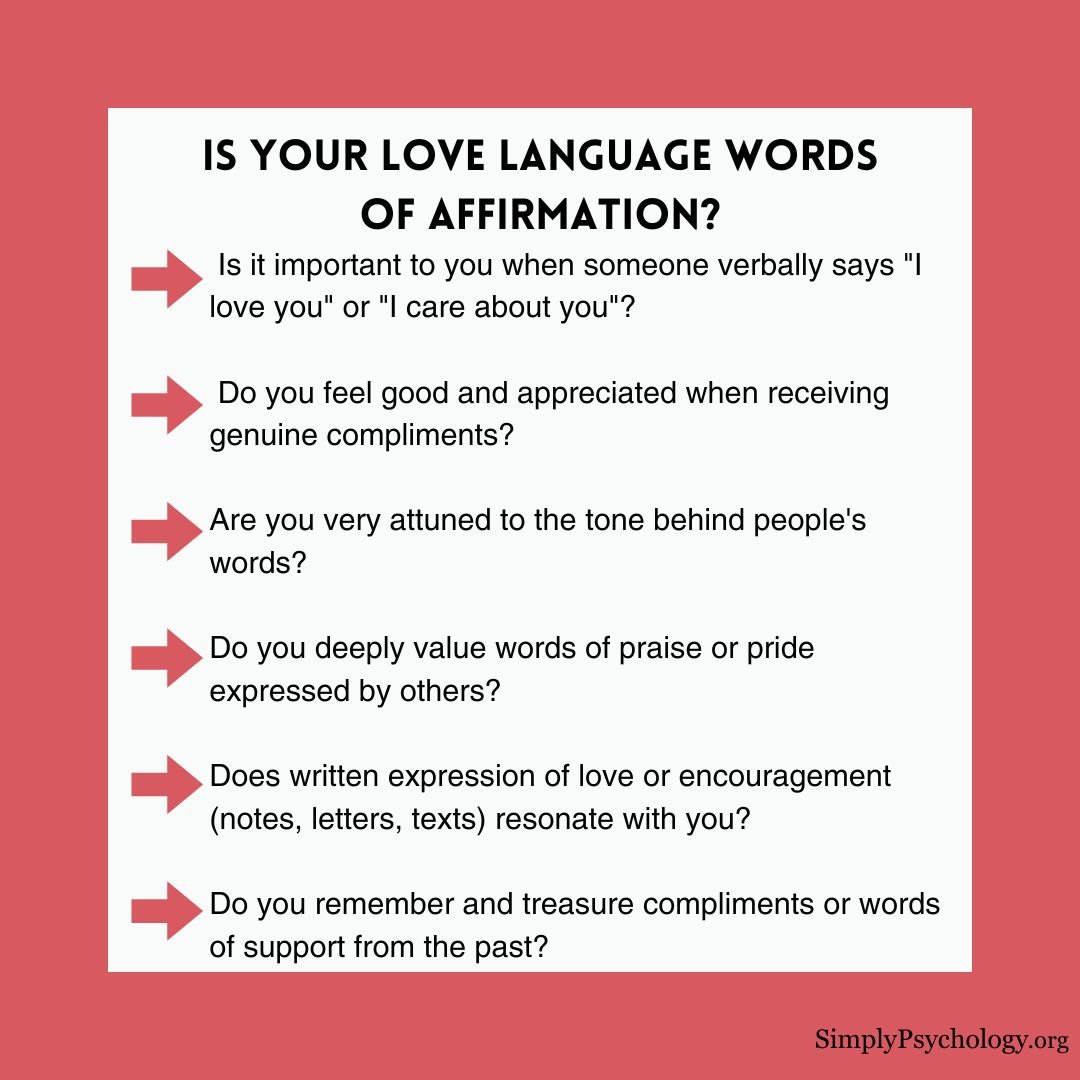
Credit: www.simplypsychology.org
Impact On Self-esteem And Relationships
Both affirmations and compliments play a big role in how people feel about themselves and how they relate to others.
Self-esteem
Affirmations help you build internal self-esteem—the kind that comes from inside. When you believe in your own value, you are less affected by criticism or failure.
Compliments can boost external self-esteem—the feeling that others notice and appreciate you. Both are important, but relying only on compliments can make you feel insecure if praise is missing.
Relationships
In relationships, affirmations help you stay confident and clear about your values. Compliments help you connect, show respect, and make others feel good.
A healthy balance means:
- You affirm your own worth, so you are not desperate for praise.
- You give genuine compliments, making others feel seen and valued.
Cultural And Social Differences
Culture can affect how people use and respond to affirmations and compliments.
Affirmations Across Cultures
In some cultures, speaking positively about yourself is encouraged. In others, it may be seen as boasting or too individualistic. If you feel uncomfortable with affirmations, try focusing on values or intentions rather than just positive traits.
Compliments Across Cultures
The way people give and receive compliments also varies:
- In some cultures, direct praise is common and expected.
- In others, compliments may be rare or given in subtle ways.
- Sometimes, people may reject compliments out of humility.
Non-obvious insight: When interacting with people from different backgrounds, pay attention to their comfort with praise and adjust your approach.
Research And Expert Opinions
Research shows both affirmations and compliments can have strong effects, but only when used correctly.
- A study published in the journal “Personality and Social Psychology Bulletin” found that self-affirmations can lower stress and improve performance under pressure.
- According to the American Psychological Association, receiving positive feedback (compliments) activates the brain’s reward centers and increases motivation.
- Experts warn against toxic positivity, where only positive words are allowed, ignoring real struggles. Affirmations and compliments should be honest and balanced with reality.
For more on the science, see this Positive Psychology resource.
How To Develop A Positive Practice
If you want to make affirmations and compliments a natural part of your life, try these steps:
- Start small: Choose one affirmation and give one compliment each day.
- Reflect on results: Notice how you feel and how others react.
- Adjust for comfort: Use words and styles that feel right for you and your culture.
- Be patient: Building new habits takes time, but the results are lasting.
- Mix internal and external: Balance affirming your own value with recognizing others.

Credit: www.theaffirmingway.com
Frequently Asked Questions
What Is The Main Purpose Of An Affirmation?
The main purpose of an affirmation is to build or reinforce a positive belief about yourself. It is a tool for self-motivation, changing mindset, and supporting personal growth.
Can You Give Yourself A Compliment, Or Is It Only For Others?
While you can appreciate your own achievements, a compliment is usually given by one person to another. When you praise yourself, it is closer to an affirmation unless you are recognizing a specific achievement.
How Do I Know If My Compliment Is Sincere?
A compliment is sincere if you truly mean what you say and focus on something real and specific. Avoid exaggeration or saying things just to please others.
Are There Risks To Using Affirmations Or Compliments?
Yes, if affirmations feel fake or are used to ignore real problems, they can be unhelpful. Compliments can backfire if they are insincere or too frequent. The key is honesty and balance.
How Can I Make Affirmations And Compliments A Daily Habit?
Make a simple plan—repeat your affirmation every morning and look for opportunities to give a real compliment to someone each day. Over time, this practice becomes natural and rewarding.
Using affirmations and compliments wisely can change how you see yourself and how you connect with others. They are simple tools, but their impact can be deep and lasting. Choose your words carefully, and watch as both your confidence and your relationships grow stronger.
