

What is an Affirmation Statement: Unlock Your Positive Mindset
What Is An Affirmation Statement
Imagine waking up and starting your day with words that make you feel strong, calm, or confident. Many people use affirmation statements for exactly this purpose. These simple phrases are more than just positive talk—they can change how you think, help you face challenges, and support your personal growth. If you have ever heard about affirmations but wondered what they really are, how they work, or how to use them, you are in the right place. This article will guide you through everything you need to know about affirmation statements, from their meaning to their real-life impact.
Understanding Affirmation Statements
An affirmation statement is a short, positive phrase that you repeat to yourself. The main purpose is to shape your thoughts and beliefs. Instead of focusing on what you fear or lack, you use affirmations to encourage yourself and create a positive mindset. For example, saying “I am confident” can help you feel more sure about yourself, even if you were nervous before.
Affirmations are not magic words, but they help your mind shift its focus. By repeating these statements, you train your brain to believe in what you say. With time, your actions often change to match your beliefs. Think of it like planting seeds—if you care for them, they grow strong.
Key Elements Of An Affirmation Statement
- Positive Language: Affirmations always use positive words. Instead of saying “I am not afraid,” you say “I am brave.”
- Present Tense: They are stated as if they are true right now. “I am healthy” instead of “I will be healthy.”
- Personal: The statement is about you. It starts with “I” or “My.”
- Short and Simple: The best affirmations are easy to remember and repeat.
These points help make the affirmation feel real and believable to your mind.
How Affirmation Statements Work
The way affirmations work is based on psychology. Your mind listens to what you say, even if it feels strange at first. When you repeat a phrase often, your brain starts to accept it as true. This is called self-suggestion. Over time, your thoughts become more positive, and your behavior changes.
Scientific Insights
Research shows that affirmations can reduce stress, improve confidence, and help you reach goals. For example, one study found that people who used affirmations were better able to handle difficult situations at work. Another study found that students who used positive self-talk felt less anxious before exams. The science behind affirmations is connected to something called neuroplasticity. This is your brain’s ability to change and adapt. When you repeat positive statements, you build new thought patterns.
How Repetition Changes The Mind
Repeating affirmation statements is important. If you say something once, your mind may ignore it. But when you say it daily, your brain creates new connections. These connections shape your habits and emotions. The more you repeat an affirmation, the stronger its effect.
Benefits Of Using Affirmation Statements
Using affirmation statements has many benefits. Here are some of the most important ones:
- Boosts Self-Esteem: When you tell yourself “I am worthy,” you start to feel better about yourself.
- Reduces Stress: Positive phrases can calm your mind and help you handle stress.
- Improves Focus: Affirmations keep your mind on your goals. For example, “I stay focused on my tasks.”
- Supports Healing: Some people use affirmations to support health, like “My body heals itself.”
- Encourages Positive Habits: By repeating “I make healthy choices,” you are more likely to act in healthy ways.
These benefits are not instant, but they grow over time. It is like exercising your mind—practice makes you stronger.
Examples Of Affirmation Statements
To make affirmations easy to understand, here are some common examples. Each one is designed to help you with a specific area of life.
Self-confidence
- “I believe in myself.”
- “I am strong and capable.”
- “I accept myself as I am.”
Stress Relief
- “I am calm and relaxed.”
- “I handle challenges with grace.”
- “Peace flows through me.”
Health And Wellness
- “My body is healthy and energetic.”
- “I nourish myself with good food.”
- “I am grateful for my health.”
Success And Motivation
- “I achieve my goals.”
- “I am focused and determined.”
- “Success comes naturally to me.”
Relationships
- “I am loved and appreciated.”
- “I communicate clearly and kindly.”
- “I attract positive people into my life.”
These examples show how affirmations can be tailored to your needs.
Crafting Your Own Affirmation Statement
Creating your own affirmation statement is simple but important. A personal affirmation feels more real and helps you more.
Steps To Create An Affirmation
- Choose Your Focus: Think about what you want to improve or change. It can be confidence, health, or anything else.
- Use Positive Words: Avoid negative phrases. Make your statement positive.
- Keep It Short: A simple sentence is easier to remember.
- State It in Present Tense: Speak as if it is already true.
- Make It Personal: Use “I” or “My.”
Example Of Crafting
Suppose you want to feel more confident. You can start with “I am confident. ” If you want to improve your health, try “My body is strong and healthy. ”
Avoid Common Mistakes
- Do not use negative words like “not” or “never.”
- Do not make the statement too long.
- Do not use future tense (“I will be confident”). Use present tense (“I am confident”).
When And How To Use Affirmation Statements
Affirmations work best when you use them regularly. Here are some practical ways to include them in your day.
Best Times To Use Affirmations
- Morning: Start your day with a positive mindset.
- Before Sleep: Calm your mind for restful sleep.
- During Stressful Moments: Repeat affirmations when you feel anxious.
- Before Important Events: Use them before a meeting, exam, or interview.
Methods For Practicing Affirmations
- Say Them Out Loud: Speaking helps your mind believe the words.
- Write Them Down: Writing makes the statement stronger.
- Repeat Them in Your Mind: Silent repetition works well in public.
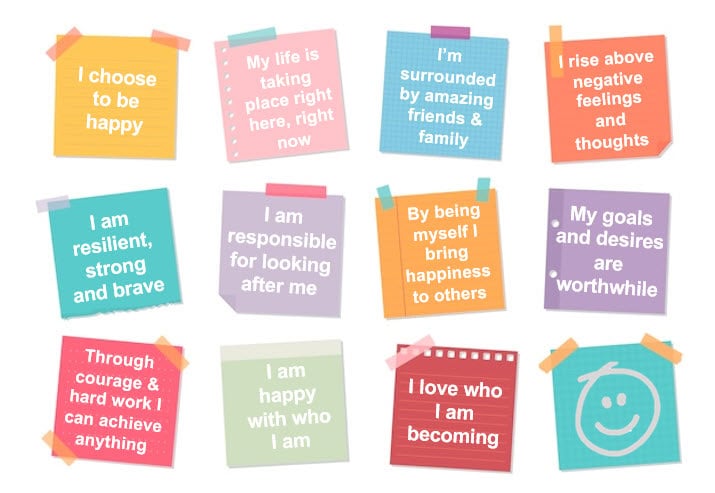
- Use Visual Reminders: Place sticky notes where you see them often.
- Combine with Meditation: Say affirmations while meditating for deeper impact.
Consistency Matters
The more often you use affirmations, the better the results. Try to make it a daily habit. Even a few minutes can make a difference.
Comparing Affirmation Statements With Other Self-help Tools
Many people ask how affirmation statements compare to other methods like visualization or journaling. Here is a simple comparison:
| Method | Main Focus | How It Works | Common Use |
|---|---|---|---|
| Affirmation Statements | Positive Self-Talk | Repeat positive phrases | Boost confidence, reduce stress |
| Visualization | Imagining Success | Picture goals in your mind | Motivation, goal setting |
| Journaling | Reflection | Write thoughts and feelings | Understand emotions |
| Meditation | Mindfulness | Focus on breathing and presence | Reduce anxiety, improve focus |
Affirmation statements are unique because they change your self-talk directly. Visualization helps you imagine success, journaling helps you reflect, and meditation calms your mind. Many people use a mix of these tools for best results.
The Science Behind Affirmations
Many people wonder if affirmations really work or if they are just wishful thinking. The science gives some answers.
Key Studies
One research found that repeating positive statements helps people manage stress and feel better about themselves. Another study showed that affirmations can help change negative beliefs, especially in difficult situations. The effect is strongest when the affirmation matches your goals.
Brain Changes
Affirmations affect the brain’s reward system. When you say something positive about yourself, your brain releases chemicals that make you feel good. This effect gets stronger the more you repeat the statement.
Limitations
Affirmations are not a cure-all. They work best when they are believable and matched to your real goals. If you say “I am rich” but do not believe it, your mind may resist. Choosing realistic affirmations gives better results.
Credit: motiversity.com
Real-life Examples Of Affirmation Success
Let’s look at how people use affirmation statements in daily life.
Business Success
A manager who was nervous before presentations started repeating “I am confident and prepared. ” Over time, she felt less anxious and gave better talks. Her team noticed her improvement.
Sports Performance
Athletes often use affirmations like “I am strong and focused. ” This helps them stay calm under pressure and perform better.
Health Recovery
A person recovering from illness repeated “My body is healing every day. ” This helped him stay positive and motivated during difficult times.
Academic Improvement
Students who used affirmations before exams, such as “I am prepared and calm,” often felt less stress and performed better.
These stories show that affirmation statements can help in many situations.
Common Misunderstandings About Affirmation Statements
Some people think affirmations are just “positive thinking. ” But there are important differences.
Not Just Positive Thinking
Affirmations are more than just thinking happy thoughts. They are specific phrases you repeat to change your beliefs.
Not A Quick Fix
Affirmations take time to work. You need to practice them daily. They do not solve all problems instantly.
Not Always Easy
Sometimes, repeating an affirmation feels strange, especially if you do not believe it. This is normal. With practice, it becomes easier.
Realistic Vs. Unrealistic Affirmations
Some people try to use affirmations that feel too far from reality. For example, saying “I am a millionaire” when you are struggling financially. It is better to use statements like “I manage my money well” or “I am open to new opportunities.
”
How Affirmations Can Help Specific Groups
Affirmation statements are useful for many people, but some groups benefit more.
Students
Students can use affirmations to reduce exam stress and improve focus. “I learn easily” or “I am calm during tests” are helpful phrases.
Employees
Workers use affirmations to boost confidence and handle job challenges. “I am a valuable team member” is a good example.
Parents
Parents can use affirmations to handle stress and improve patience. “I am patient and loving” can help during difficult times.
People Facing Illness
Affirmations support healing and hope. “My body is strong” or “I am resilient” can motivate people during recovery.
Tips For Getting The Most From Affirmation Statements
Here are some practical tips to make your affirmation practice more effective.
- Be Specific: Choose statements that match your real goals.
- Repeat Often: Daily practice is key.
- Believe in the Words: Choose phrases you feel comfortable with.
- Visualize Success: Imagine yourself living the affirmation.
- Write Them Down: Keep a journal to track your progress.
- Use Reminders: Place notes where you see them often.
- Combine with Action: Pair affirmations with real steps. For example, say “I am healthy” and eat well.
Many beginners miss the importance of belief and action. It is not enough to repeat words—you must feel and act in line with your affirmations.
Measuring The Impact Of Affirmation Statements
How do you know if affirmations are working? You can track your progress in several ways.
| Method | What to Track | How Often |
|---|---|---|
| Journal | Feelings, mood, actions | Daily or weekly |
| Self-Assessment | Confidence, stress level | Every month |
| Goal Achievement | Progress toward goals | As needed |
| Feedback from Others | Comments, support | When received |
By tracking your feelings and actions, you can see if your affirmations are making a difference. Look for small changes first. Over time, bigger changes may appear.
Popular Myths And Facts About Affirmation Statements
Many myths surround affirmation statements. Let’s clarify what’s true.
Myth 1: Affirmations Work Instantly
Fact: Affirmations take time. You need to repeat them regularly.
Myth 2: Only Positive People Benefit
Fact: Anyone can use affirmations, even if they feel negative.
Myth 3: Affirmations Are Just Words
Fact: When practiced with belief and action, affirmations change thoughts and behavior.
Myth 4: You Must Say Them Aloud
Fact: Silent repetition and writing also work.
Myth 5: Affirmations Replace Real Action
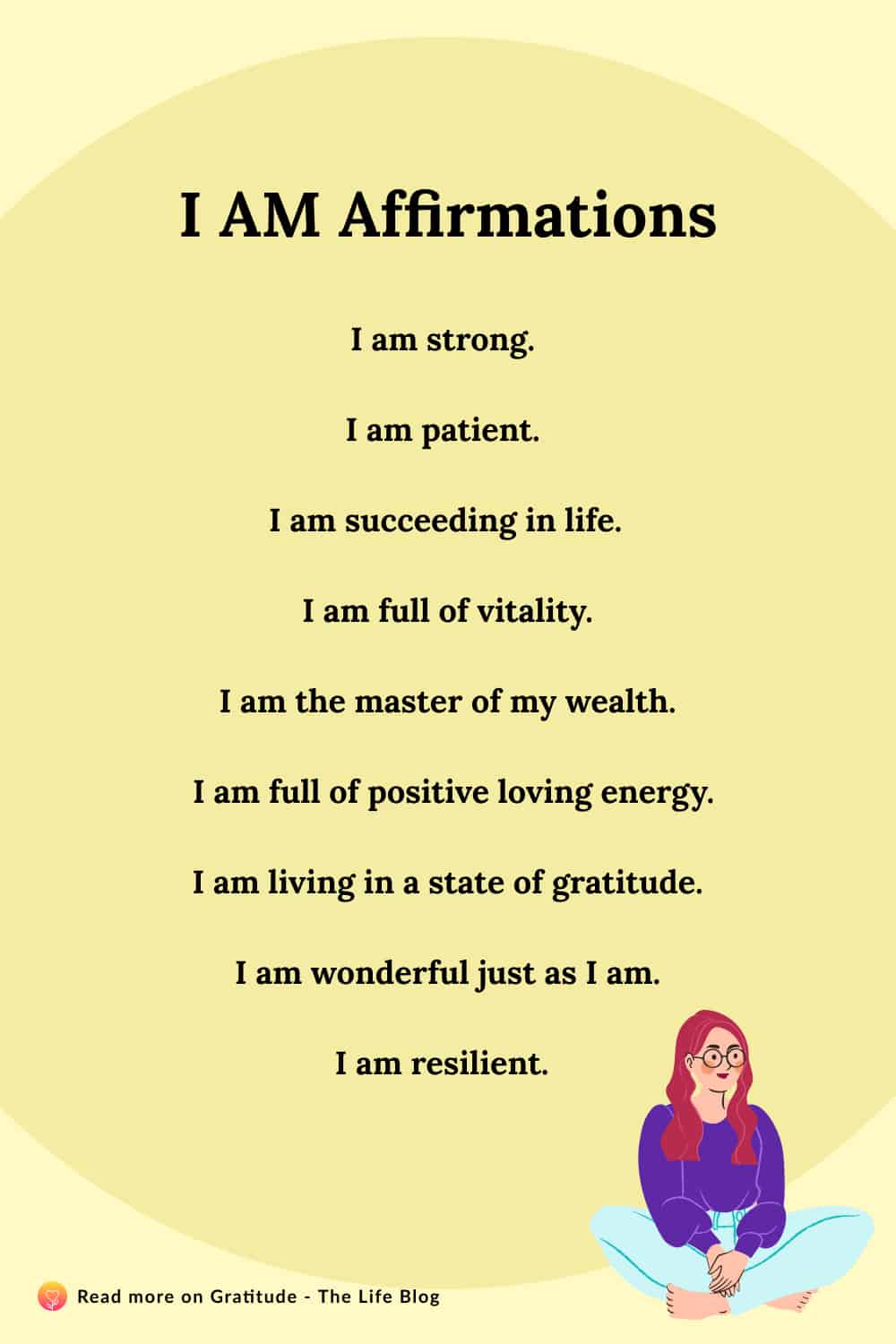
Fact: Affirmations support action. You must still work toward your goals.
Credit: blog.gratefulness.me
Advanced Affirmation Techniques
If you already use affirmations and want deeper results, try these advanced methods.
Visualization
Combine affirmations with mental images. For example, say “I am confident” and picture yourself succeeding.
Emotional Connection
Feel the emotion behind your affirmation. If you say “I am happy,” try to feel happiness as you repeat it.
Group Affirmations
Practice with friends or family. Group repetition can make the affirmation stronger.
Affirmation Apps
Many apps help you track and repeat affirmations. They offer reminders and daily phrases.
Using Affirmation Statements In Therapy
Therapists often use affirmation statements to help clients. They guide people to create personalized phrases for healing and growth.
Cognitive Behavioral Therapy
In this method, affirmations help change negative thoughts. For example, if someone feels worthless, the therapist suggests “I am valuable. ”
Support Groups
Groups use affirmations to build confidence and hope. Saying positive statements together can strengthen the effect.
For more details about affirmation research and psychology, visit Wikipedia.

Credit: aapsychiatry.com
Frequently Asked Questions
What Is An Affirmation Statement?
An affirmation statement is a short, positive phrase you repeat to yourself. It helps you shape your thoughts and beliefs, making you feel more confident, calm, or motivated.
How Often Should I Use Affirmation Statements?
It is best to use affirmations daily. Repeating them in the morning and before sleep gives good results. Consistency is important for lasting change.
Do Affirmation Statements Really Work?
Affirmations help many people change their mindset and behavior. Their effect grows with regular practice and belief. Scientific studies show they can reduce stress and boost confidence.
Can I Create My Own Affirmation Statement?
Yes, you can create your own statement. Choose a focus, use positive words, keep it short, and speak in the present tense. Personal affirmations work best.
What If I Do Not Believe My Affirmation Statement?
It is normal to feel doubtful at first. Start with statements that feel believable and gradually build up. With practice, your belief will grow.
Affirmation statements are a simple but powerful tool for personal growth. By understanding how they work and practicing them daily, you can change your mindset and improve your life. Whether you want more confidence, less stress, or better health, affirmations can help you move forward.
Start with a single phrase, repeat it often, and notice how your thoughts and actions begin to change.
