

What are the Two Benefits of Self-Affirmation You Need to Know
Self-affirmation is a simple practice that can bring powerful changes to your mind and life. It means reminding yourself of your strengths, values, and positive qualities. Many people think self-affirmation is just repeating positive words, but it is more than that.
It helps you build confidence and manage stress, even when facing challenges. If you are curious about the real benefits, this article will explain the two main advantages of self-affirmation in depth. You will see how it works, why it matters, and how you can use it in your daily routine.
Self-affirmation is not magic, but it can create real change. With regular practice, you may notice you feel stronger when life gets tough. You might notice it is easier to stand up for yourself or try new things. Self-affirmation is free, easy to start, and can fit into any lifestyle.
Whether you are a student, a worker, or a parent, you can use this tool every day. Many people are surprised by how much their mood and energy improve over time. This article will give you the knowledge you need to begin or improve your self-affirmation practice.
Understanding Self-affirmation
Before exploring its benefits, it’s important to know what self-affirmation actually means. Self-affirmation is the process of focusing on your core values and strengths. It is not only about saying “I am good” but reminding yourself of what makes you unique and capable.
This can be done by writing, saying, or thinking about your abilities, qualities, or achievements.
Psychologists have studied self-affirmation for decades. Research shows it is not just a feel-good tool; it changes how you respond to stress and challenges. It helps you see yourself in a positive light, even when things are tough. Self-affirmation is often used in therapy, education, and workplaces to help people improve their mental health and performance.
Many people use self-affirmation without even knowing it. For example, before a big presentation, you might remind yourself, “I have prepared well. ” After a mistake, you might think, “I am still capable. ” These are simple self-affirmations that can make a difference.
It’s important to know that self-affirmation is not about ignoring problems or pretending everything is perfect. Instead, it helps you face difficulties with a stronger sense of self. When you remind yourself of your values and strengths, you give yourself a better chance to solve problems and bounce back from setbacks.
This is why self-affirmation is used by athletes, leaders, and even students before important exams or competitions.
Another thing to remember is that self-affirmation can look different for everyone. Some people like to write in a journal, while others repeat phrases quietly to themselves. Some might use art, music, or even movement to express their affirmations. The key is to find what works for you and to make it part of your routine.
Over time, you may notice that you feel less afraid of failure and more willing to try new things.
The First Benefit: Improved Stress Management
The most well-known benefit of self-affirmation is its ability to help manage stress. Stress is a common part of life. It can come from work, relationships, health, or other challenges. When you feel stressed, your body and mind react. You may feel anxious, worried, or overwhelmed.
Self-affirmation helps you deal with stress in a healthier way. It allows you to focus on your strengths, rather than your weaknesses. This changes how your brain responds to stressful situations.
How Self-affirmation Reduces Stress
When you practice self-affirmation, your mind becomes less sensitive to threats and criticism. You feel safer and more confident. This is because self-affirmation activates parts of the brain linked to reward and self-worth.
Studies show that people who use self-affirmation techniques have lower levels of cortisol, a hormone linked to stress. They also recover faster from stressful events. For example, in one experiment, participants who wrote about their values before a stressful task felt less anxious and performed better than those who did not.
Here is a comparison of stress levels in people who use self-affirmation versus those who don’t:
| Group | Average Stress Level (Scale 1-10) | Recovery Time (Minutes) |
|---|---|---|
| Self-Affirmation | 4 | 10 |
| No Self-Affirmation | 7 | 22 |
Another way self-affirmation helps is by changing your focus. Instead of thinking about what might go wrong, you remember what you have handled before. This helps your mind stay balanced and calm, even when things are uncertain. With practice, you may notice that you do not get as upset by small problems, and you recover from arguments or criticism more quickly.
Practical Examples Of Stress Management
Imagine you are facing a difficult exam. Without self-affirmation, you may focus on your fears and doubts. With self-affirmation, you remind yourself, “I have studied hard. I am capable of learning. ” This reduces your anxiety and helps you perform better.
Another example is dealing with criticism at work. Instead of feeling defeated, you can affirm your value: “I contribute a lot to my team. I am learning every day.” This makes criticism feel less threatening.
Self-affirmation can also help with everyday stress, like traffic jams or family conflicts. If you get stuck in traffic, instead of getting angry, you can use the time to remind yourself, “I handle challenges calmly. I will arrive safely. ” In family situations, after a disagreement, you might say, “I care about my loved ones, and I am willing to listen.
” These small changes in thinking make a big difference over time.
Real Data And Research
A large study showed that students who practiced self-affirmation before tests had better grades and less anxiety. In another survey, 67% of participants said they felt calmer after using self-affirmation techniques for one month.
Here is a breakdown of survey results:
| Outcome | Percentage |
|---|---|
| Reduced Anxiety | 67% |
| Improved Focus | 52% |
| Less Physical Stress | 40% |
Researchers believe that self-affirmation helps the brain recover from stress more quickly. For example, after a stressful meeting, people who practiced self-affirmation returned to a calm state faster than those who did not. Over weeks and months, this means less overall stress and fewer health problems related to stress, like headaches or trouble sleeping.
Non-obvious Insight: Self-affirmation Is Not One-size-fits-all
Many beginners think self-affirmation is just repeating the same phrase. But the most effective self-affirmations are personal and specific. For example, instead of saying, “I am good,” try “I am good at listening to others.” This makes your affirmation more meaningful and powerful.
Another insight: self-affirmation works best when practiced regularly. Doing it once is helpful, but building a habit creates lasting change. Many people miss this point and give up too quickly.
Also, timing matters. Some people find self-affirmation most helpful first thing in the morning, while others use it before important events or even as a way to calm down before sleep. You may need to experiment to find what fits your life and schedule.

Credit: www.pnas.org
The Second Benefit: Enhanced Self-esteem And Confidence
The second major benefit of self-affirmation is improved self-esteem and confidence. Self-esteem is how much you value yourself. Confidence is your belief in your abilities. Both are important for success and happiness.
How Self-affirmation Builds Self-esteem
When you affirm your strengths, you start to believe in yourself. You see your worth, even when others doubt you. This creates a positive self-image. You become less affected by negative opinions or failures.
People with high self-esteem are more likely to try new things, take risks, and handle setbacks. Self-affirmation helps you build this foundation, step by step.
A helpful trick is to use your affirmations when you feel nervous about something new. For example, before trying a new activity, remind yourself, “I am open to learning, even if I make mistakes. ” This helps your brain focus on growth instead of fear.
Confidence Boost In Real Life
Imagine you are starting a new job. You might feel unsure about your skills. If you use self-affirmation, you remind yourself, “I am a fast learner. I have solved tough problems before. ” This increases your confidence, allowing you to perform better.
Confidence is not just about feeling good. It affects your actions. Confident people speak up, ask questions, and take opportunities. Self-affirmation gives you the courage to do these things.
Another example: If you are learning a new language and feel embarrassed to speak, using affirmations like, “I am improving every day,” can help you participate more. Over time, each small act builds real confidence. This is not just a mental trick—the more you act with confidence, the more others notice and respond positively, creating a cycle of success.
Data On Self-esteem And Self-affirmation
Research shows that people who use self-affirmation have higher self-esteem scores. In one survey, 75% of participants reported feeling more confident after three weeks of daily self-affirmation.
Here is a comparison of confidence levels:
| Group | Confidence Score (Scale 1-10) | Willingness to Take Risks |
|---|---|---|
| Self-Affirmation | 8 | High |
| No Self-Affirmation | 5 | Low |
Another study found that self-affirmation helped people recover from failure. After a setback, those who used affirmations were more likely to try again, while others gave up. This shows that self-affirmation not only builds confidence but also supports a “never give up” attitude.
Non-obvious Insight: Affirming Values, Not Just Achievements
Many people think self-affirmation is about achievements. But affirming your values can be even more powerful. For example, reminding yourself, “Kindness is important to me,” gives you strength during difficult times.
Values-based affirmations help you stay true to yourself, even when facing challenges. They remind you that your worth does not depend only on success.
Another non-obvious tip is to combine values and actions. For instance, “I value honesty, and I show it by speaking the truth kindly. ” This turns your affirmation into a guide for your behavior, not just a thought.
How To Practice Self-affirmation Effectively
Knowing the benefits is important, but it is also vital to understand how to use self-affirmation in daily life. Here are practical steps to make self-affirmation work for you:
- Identify Your Strengths: Write down three qualities you like about yourself.
- Focus on Values: List your top values (like honesty, kindness, or creativity).
- Create Personal Affirmations: Make statements that match your strengths and values. For example, “I am creative and enjoy solving problems.”
- Repeat Regularly: Say or write your affirmations every morning or before stressful events.
- Adjust as Needed: Change your affirmations as you grow or face new challenges.
Example Affirmations
- “I am patient and calm during difficult times.”
- “I am a good friend and listen well.”
- “I value learning and always try my best.”
- “I am brave enough to ask for help when I need it.”
- “I am resourceful and find solutions, even in tough situations.”
Tips For Beginners
- Start small. Choose one affirmation at a time.
- Make it personal. Use real examples from your life.
- Practice in private if you feel shy.
- Write your affirmations in a notebook.
- Use them before important events (meetings, tests, interviews).
- Try saying your affirmations in front of a mirror. It may feel strange at first, but it helps you connect with your words.
- Set reminders on your phone or sticky notes around your space to keep affirmations visible throughout the day.
Mistakes To Avoid
- Using generic phrases (“I am great”) without meaning.
- Forgetting to practice regularly.
- Ignoring your values.
- Comparing yourself to others.
- Expecting instant results.
- Stopping after a setback—remember, change takes time.
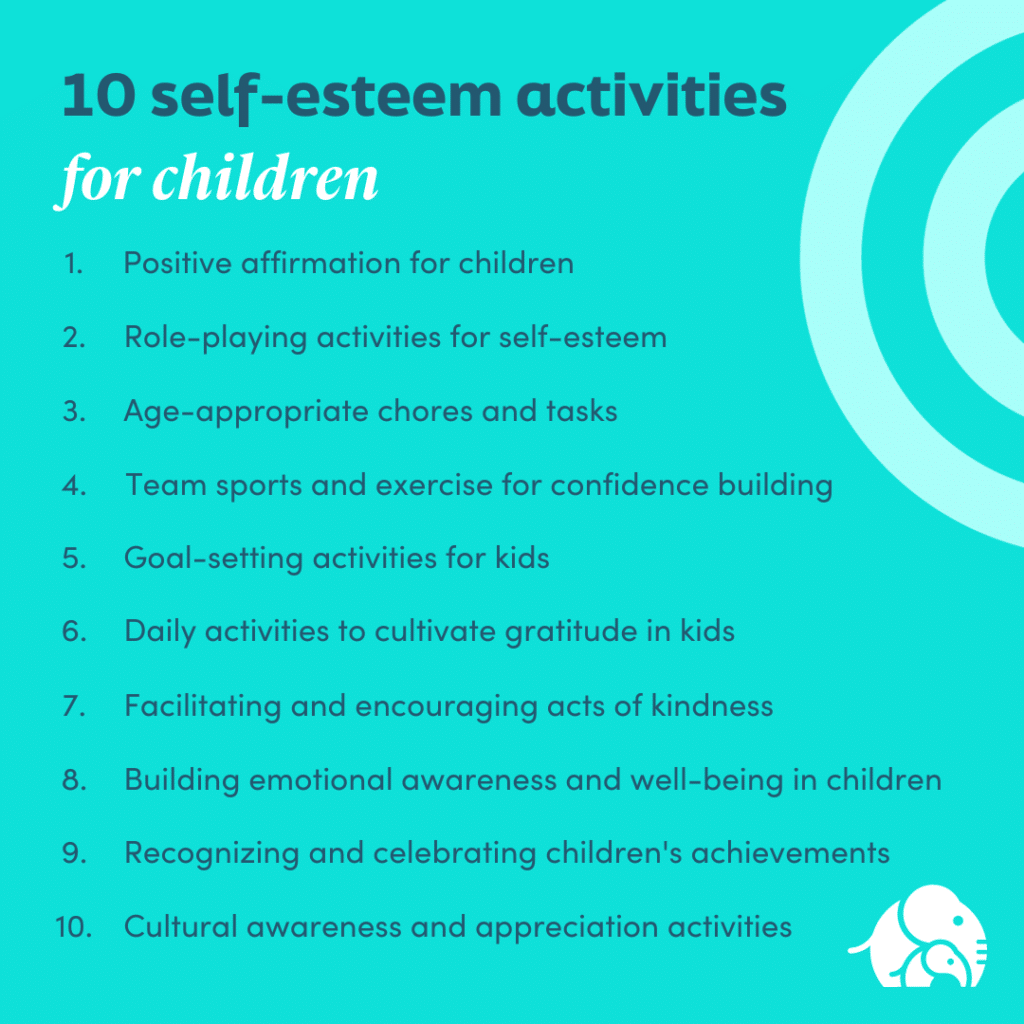
Credit: elliementalhealth.com
The Science Behind Self-affirmation
Self-affirmation is supported by research in psychology and neuroscience. Scientists have found that self-affirmation changes how the brain responds to threats and rewards. It helps you stay calm and positive, even during difficult times.
In brain studies, self-affirmation activates the ventromedial prefrontal cortex, which is linked to self-worth and confidence. It also reduces activity in areas connected to fear and stress.
Research shows that self-affirmation can help people recover from rejection, criticism, or failure. It builds resilience and helps you bounce back faster. For more details, you can visit Wikipedia.
One surprising discovery is that self-affirmation can even improve physical health. Some studies show it helps people recover faster from illness or surgery, likely because lower stress supports healing. Researchers are also exploring its use in helping people make healthy choices, like quitting smoking or exercising more.
Comparing Self-affirmation To Other Techniques
There are many ways to improve self-esteem and manage stress. Self-affirmation is just one method. Here is a comparison with other popular techniques:
| Technique | Main Focus | Strengths | Weaknesses |
|---|---|---|---|
| Self-Affirmation | Personal Values | Easy, fast, boosts confidence | Needs regular practice |
| Meditation | Calm and awareness | Reduces anxiety, improves focus | Time-consuming, needs training |
| Therapy | Deep issues | Professional support, long-term results | Can be expensive |
| Exercise | Physical health | Improves mood, reduces stress | Needs motivation and time |
Self-affirmation works well with other techniques. For example, combining self-affirmation and meditation can make both more effective.
You can also use self-affirmation with gratitude exercises or journaling. After writing down what you are grateful for, add a few affirmations about your strengths. This creates a positive mindset for the day.
Cultural And Social Impact Of Self-affirmation
Self-affirmation is not only a personal tool. It also has cultural and social effects. In schools, self-affirmation helps students feel confident and safe. In workplaces, it improves teamwork and reduces conflict. In families, it helps people support each other.
Some cultures use self-affirmation as part of their traditions. For example, positive statements are common in some religious or spiritual practices. This shows that self-affirmation is a universal tool.
In some communities, group self-affirmation sessions help people heal from trauma or stress. For example, support groups often start meetings with positive statements. This helps everyone feel included and valuable.
Group Self-affirmation
Group self-affirmation is when people affirm their values as a team. This can strengthen bonds and improve group performance. For example, a sports team might remind each other, “We are strong and work well together. ” This builds trust and motivation.
Another example is in classrooms, where teachers might start the day with a group affirmation such as, “We are a class that helps each other. ” Over time, this creates a positive culture and helps students feel they belong.
Common Questions About Self-affirmation
Beginners often have questions about self-affirmation. Here are some answers to help you get started.
Is Self-affirmation The Same As Positive Thinking?
Self-affirmation is similar to positive thinking, but it is more focused. Positive thinking is about seeing the good in every situation. Self-affirmation is about recognizing your strengths and values. It is more personal and specific.
How Long Does It Take To See Results?
Results depend on how often you practice. Some people feel better after a few days, while others need weeks. The key is regular practice. Most research shows positive changes within a month.
Can Self-affirmation Help With Anxiety?
Yes, self-affirmation can help reduce anxiety. By focusing on your strengths, you become less worried about failure or criticism. Many people use self-affirmation before stressful events to calm their nerves.
Should Children Use Self-affirmation?
Self-affirmation is good for children. It helps them build confidence and handle challenges. Parents and teachers can teach children to affirm their strengths and values. This builds a strong foundation for life.
What If I Don’t Believe My Affirmations?
It is normal to doubt at first. Start with small, believable affirmations. Over time, as you repeat them, you will start to believe. Make your affirmations real and personal, not just positive words.
If you struggle, try asking a friend or mentor for ideas. Sometimes, hearing what others see as your strengths can help you create affirmations that feel true and helpful.

Credit: madlat.ca
Frequently Asked Questions
What Is The Difference Between Self-affirmation And Self-compassion?
Self-affirmation is about recognizing your strengths and values. Self-compassion is about being kind to yourself during tough times. Both are useful, but self-affirmation focuses more on positive qualities, while self-compassion deals with handling failure or pain.
Can Self-affirmation Replace Therapy?
No, self-affirmation is not a replacement for professional therapy. It is a helpful tool, but therapy is needed for deeper issues. You can use self-affirmation along with therapy for better results.
Are There Any Risks With Self-affirmation?
Self-affirmation is safe for most people. However, using unrealistic affirmations can sometimes lead to disappointment. Always use real, personal affirmations that reflect your true qualities.
How Often Should I Practice Self-affirmation?
Daily practice is best. You can affirm your strengths in the morning, before stressful events, or at night. Building a routine makes self-affirmation more effective.
Can Self-affirmation Improve Relationships?
Yes, self-affirmation can help you feel confident and valued. This makes it easier to communicate and handle conflicts. It also helps you support others by recognizing their strengths.
Self-affirmation is a simple but powerful practice. It helps you manage stress and build self-esteem. By focusing on your strengths and values, you become more confident and resilient. You can use self-affirmation in many parts of your life—at work, at school, in relationships, and when facing challenges.
The key is to make it personal, practice regularly, and use it alongside other tools. With time, self-affirmation can become a habit that brings lasting positive change.
