

What are the Best Positive Affirmations to Transform Your Life
What Are The Best Positive Affirmations
Positive affirmations have the power to shape our thoughts, emotions, and actions. They are simple statements that, when repeated regularly, can change the way we see ourselves and the world. Many successful people use affirmations to stay motivated, focused, and confident.
But why do these simple words work? The answer lies in how our brain responds to repeated, positive ideas. Over time, these ideas become beliefs, and beliefs drive behavior.
People often search for the best positive affirmations to help them grow, heal, or succeed. However, the right affirmations are not just about repeating “I am happy” or “I am rich. ” The most effective ones feel true to you, match your goals, and encourage action.
In this article, you’ll find the best positive affirmations for different areas of life, practical tips for using them, and insights that even many beginners miss. Whether you want to boost your confidence, reduce stress, or achieve a specific goal, you’ll discover which affirmations work best and how to use them for real results.
Why Positive Affirmations Work
Our brains are always listening to what we say and think. If we repeat negative thoughts, we start to believe them. The same is true with positive statements. Positive affirmations help “re-program” your mind by planting new, encouraging ideas. Over time, these ideas grow and replace old doubts or fears.
Research shows that affirmations can lower stress, improve performance at work or school, and even increase happiness. This happens because they shift your focus from problems to solutions and possibilities. When you say “I am capable,” you begin to act as if it’s true—often leading to better outcomes.
One key reason affirmations work is that our brains are wired to look for evidence that matches our beliefs. If you keep telling yourself “I am confident,” you’ll start to notice moments when you actually feel a bit more confident. This creates a loop: belief shapes action, action shapes belief. Over time, even small changes in how you think can lead to big changes in how you act.
Many people don’t realize that affirmations work best when combined with action. They are not magic words, but they can spark new habits or choices. For example, telling yourself “I am healthy” can motivate you to eat better or exercise.
This combination of thought and action leads to lasting change.
Some people also use affirmations to interrupt negative self-talk. If you catch yourself thinking “I can’t do this,” saying an affirmation like “I am learning and growing” can help reset your mind. This simple shift can make challenges feel less overwhelming.
How To Create And Use Positive Affirmations
To get the most benefit, you need to pick or create affirmations that match your needs and feel believable. Here are some tips to make them work:
- Keep it short and clear. Simple statements are easier to remember and repeat. “I am strong” is more effective than a long, complex sentence.
- Use the present tense. Say “I am strong,” not “I will be strong.” This helps your mind believe it’s true now. The present tense makes the affirmation feel more real and immediate.
- Make it positive. Focus on what you want, not what you want to avoid. “I am calm” works better than “I am not stressed.” Avoid words like “don’t” or “won’t.”
- Speak with emotion. Feel the words as you say them. The more you believe, the stronger the effect. Try smiling or standing tall as you repeat your affirmation—it makes a difference.
- Repeat often. Morning, night, or whenever you need a boost. Consistency builds belief. You might set reminders on your phone or make it part of your daily routine.
- Write them down. Putting affirmations on paper or sticky notes can remind you during the day. Some people keep an affirmation journal, adding new statements and reflecting on their progress.
One non-obvious insight is that you should adjust affirmations that feel too far from your current belief. If “I am confident” feels false, try “I am becoming more confident each day. ” Small changes can make affirmations more effective.
Another tip is to pair your affirmation with a specific action. For example, if you say, “I am focused and productive,” plan a small task right after. This links the affirmation to real behavior, strengthening the connection in your mind.

Credit: thechiclife.com
The 40 Best Positive Affirmations For Daily Life
Different affirmations help with different goals. Here are some of the best, grouped by purpose.
Affirmations For Self-confidence
- I believe in myself and my abilities.
- I am worthy of good things.
- I face challenges with courage and strength.
- My self-worth is not tied to others’ opinions.
- I am proud of who I am becoming.
These affirmations build inner strength. Many people overlook the value of repeating them during small moments of doubt, not just big events. Consistent use, even when things are going well, creates a stronger foundation for confidence.
For example, if you feel unsure before a meeting, quietly repeating “I believe in myself and my abilities” can help calm your nerves. Over time, this practice can make confidence your default setting, not just something you turn to in emergencies.
Affirmations For Success And Motivation
- I am focused and persistent.
- Every day, I move closer to my goals.
- I learn from mistakes and keep growing.
- I attract new opportunities.
- I am capable of achieving my dreams.
People often use these before work, study, or important projects. Remember: affirmations about success should match actions. Take even small steps after repeating them—this makes your mind connect words with results.
If you feel stuck, repeating “I am focused and persistent” can help you start a task you’ve been avoiding. Pairing the affirmation with a five-minute work sprint can build momentum.
Affirmations For Health And Wellness
- I choose foods that nourish my body.
- I respect and care for my body.
- I am full of energy and vitality.
- I make time for rest and recovery.
- My body is strong, healthy, and healing.
These affirmations can encourage healthier choices. Try saying them before meals, or when you feel tired or stressed. This helps shift automatic reactions towards better habits.
A subtle trick: use health affirmations after setbacks, not just when you feel good. If you skipped a workout or ate unhealthy food, repeating “I respect and care for my body” can help you get back on track without guilt.
Affirmations For Reducing Stress And Anxiety
- I am calm and peaceful.
- I handle challenges with patience and grace.
- I trust myself to overcome difficulties.
- I let go of what I cannot control.
- My mind is clear, and my heart is at ease.
Affirmations for stress work best when combined with slow breathing. Many beginners skip this simple trick. Breathing deeply while repeating calming phrases tells your body that you are safe.
You can also use these affirmations in public places if you feel anxious. Silently repeating “I am calm and peaceful” while focusing on your breath can help you stay grounded.
Affirmations For Relationships
- I deserve love and respect.
- I attract positive and caring people.
- I communicate my needs clearly.
- I forgive myself and others.
- I am open to giving and receiving love.
These affirmations can shift your attitude towards others. If you’re facing conflict, repeat them to yourself before a conversation. This helps you stay calm and open-minded.
Try using these before meeting new people or having difficult talks. Even if nothing changes immediately, your mindset will help you react with more kindness and understanding.
Affirmations For Abundance And Wealth
- I am open to new sources of income.
- I use money wisely and responsibly.
- Abundance flows into my life.
- I am grateful for all I have.
- I attract opportunities to grow and prosper.
Many people think affirmations about wealth are only about money. In fact, abundance can mean time, support, or chances for growth. Use these affirmations to focus on all kinds of blessings.
A less obvious use: repeat these affirmations when you feel jealous of someone else’s success. It can help you focus on your own path and open your mind to new possibilities.
Affirmations For Personal Growth
- I am always learning and evolving.
- I accept myself, even as I strive to improve.
- I am patient with my progress.
- I am free to choose a new path.
- I celebrate small wins every day.
Personal growth affirmations help you stay motivated, even when results are slow. A practical tip: pair these with tracking your progress. Write down even tiny improvements.
People often forget to celebrate small wins. Saying “I celebrate small wins every day” can help you notice and appreciate your efforts, making the journey more enjoyable.
Affirmations For Gratitude And Joy
- I find joy in simple things.
- I am thankful for today.
- I notice and appreciate the good around me.
- Happiness is my choice.
- I bring positivity to those around me.
Gratitude affirmations are powerful because they change your focus. Instead of what’s missing, you notice what’s good. Many studies show gratitude increases happiness and reduces depression.
Try using these at the end of each day. Reflect on one thing you’re grateful for, and say your affirmation. This small habit can improve your outlook over time.
When And How Often To Use Positive Affirmations
Timing can make a big difference. Here are the best moments to use affirmations:
- Morning: Sets a positive tone for the day. Starting your day with affirmations helps you feel strong and ready for challenges.
- Before stressful events: Helps calm nerves and boost confidence. Use them right before a job interview, exam, or important talk.
- During breaks: Refreshes your mind. Even one minute of repeating an affirmation can reset your mood during a busy day.
- Before sleep: Eases stress and supports restful sleep. Calm, positive statements can quiet your mind and help you let go of worries.
You don’t need to repeat all your affirmations every day. Focus on a few that match your current needs. For best results, say them aloud or write them several times daily.
Many people forget that writing affirmations can sometimes work better than just saying them. Writing activates more parts of the brain and helps you focus. You might even write your affirmation on a sticky note and put it somewhere you see often, like your mirror or computer.
Another way to increase impact is to use affirmations during routines you already have, like brushing your teeth or waiting for your coffee. This turns affirmations into a natural part of your day, making it easier to stay consistent.
Data On Affirmations: Do They Really Help?
Scientific studies have explored how affirmations affect the mind and body. Here’s a quick look at findings:
| Benefit | What Studies Found |
|---|---|
| Stress Reduction | Lower cortisol levels after using affirmations |
| Performance | Improved test scores and work outcomes |
| Wellbeing | Greater happiness and lower depression |
Some studies have also shown that people who use affirmations are more likely to take positive risks, such as applying for a job or speaking up in meetings. This is because affirmations help reduce self-doubt and increase hope.
One non-obvious insight: affirmations work best when you believe change is possible. If you feel stuck, combine affirmations with small, positive actions. This builds momentum and makes the words feel more real.
It’s also important to mention that while affirmations are helpful, they are not a replacement for professional help if you’re struggling with serious stress or mental health issues. But for most people, they are a valuable tool for everyday wellbeing.
Common Mistakes When Using Affirmations
Many people try affirmations but don’t see results. Here are mistakes to avoid:
- Choosing affirmations that feel fake. If a statement feels too far from your reality, your mind may resist it.
- Not repeating them often enough. Change takes time. Consistency is key.
- Ignoring negative feelings. Affirmations are not about pretending problems don’t exist. Use them to support real growth, not to avoid emotions.
- Expecting instant results. Affirmations plant seeds—give them time to grow.
- Not taking action. Words alone are not enough. Even small actions strengthen belief.
A helpful tip is to adjust affirmations as you grow. Start with “I am learning to…” or “I am becoming…” and shift to stronger statements later.
Another mistake is using too many affirmations at once. Quality matters more than quantity. Choose a few that really matter to you, and focus on those until you see progress.
Some people also forget to review and update their affirmations. As your goals change, your affirmations should too. Revisiting and rewriting them keeps them fresh and relevant.
How To Personalize Your Affirmations
Personal affirmations work better than generic ones. Here’s how to make your own:
- Think about your main goal or challenge. What do you want to improve?
- Use your own words. The statement should feel natural to you.
- Include emotion. Use words that make you feel inspired or hopeful.
- Keep it realistic but positive. Aim high, but not so high that it feels impossible.
Example: If you want to speak up more at work, you might use “I share my ideas confidently in meetings.”
You can also record your voice saying affirmations and listen to them. Hearing your own voice is more powerful than reading or repeating someone else’s words.
Another method is to write your affirmation as a question, like “How am I becoming more confident every day? ” This can prompt your brain to look for answers, making the affirmation more interactive and engaging.
Comparing Affirmations For Different Goals
Affirmations are not “one size fits all.” Here’s a comparison to help you choose the best for your situation:
| Goal | Example Affirmation | Best Time to Use |
|---|---|---|
| Confidence | I believe in myself and my abilities. | Before presentations or social events |
| Stress Relief | I am calm and peaceful. | During stressful moments or before sleep |
| Career Success | I attract new opportunities. | In the morning or before work tasks |
| Health | My body is strong, healthy, and healing. | Before exercise or meals |
A practical tip: if you have several goals, rotate your affirmations based on your schedule. For example, use confidence affirmations before work, and relaxation affirmations before bed.
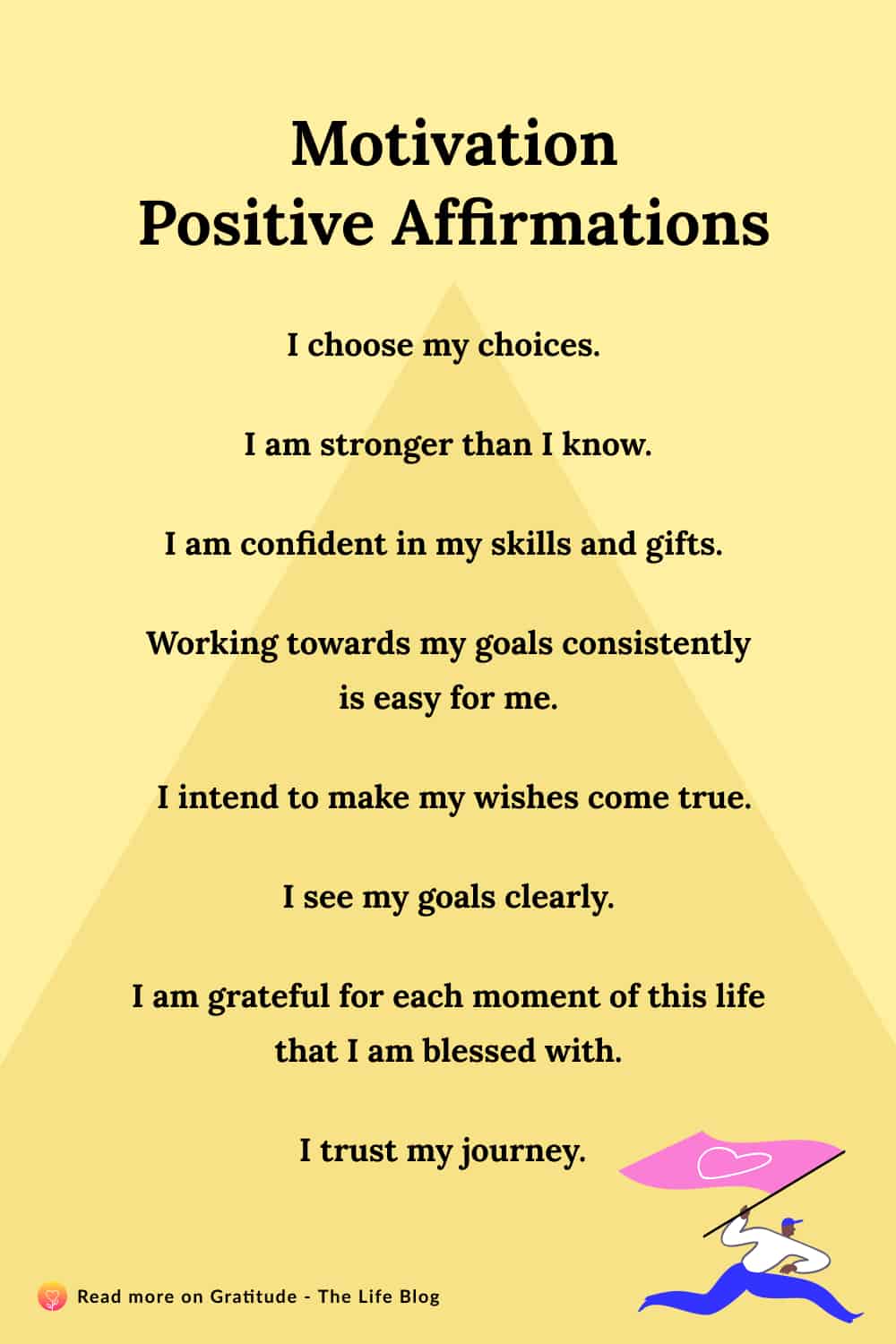
Credit: blog.gratefulness.me
Advanced Tips For Making Affirmations Stick
Beginners often stop using affirmations when they don’t see quick changes. Here are advanced strategies to keep going:
- Pair affirmations with visualization. See yourself living the words you say. For example, while saying “I am confident,” imagine yourself speaking clearly in a meeting.
- Use “if-then” statements. Example: “If I feel nervous, then I remember I am capable.” This helps you apply affirmations in real situations.
- Change your environment. Put affirmations on your phone, mirror, or computer for constant reminders. Some people even set alarms with their favorite affirmation as the label.
- Share with a friend. Saying affirmations together can increase motivation and accountability.
Another advanced insight: Don’t only use affirmations when you feel bad. Practicing them when you already feel good strengthens positive beliefs for the future.
You might also create a “power phrase” that combines several affirmations into one. For example: “I am strong, calm, and ready for anything.” Use it whenever you need a boost.
Real-life Examples Of Affirmations In Action
Many well-known athletes, leaders, and artists use affirmations to reach their goals. For example, Olympic athletes often repeat “I am strong” or “I am ready” before competing. Business leaders might use “I find solutions quickly” during high-pressure meetings.
One beginner mistake is thinking affirmations are only for “big” moments. In reality, using them before small tasks, like starting a new hobby or learning a skill, builds confidence and momentum over time.
Consider a student who feels anxious before exams. Repeating “I am prepared and focused” every day while studying, not just before the test, helps reduce stress and improves results. Over time, this habit can turn nervousness into quiet confidence.
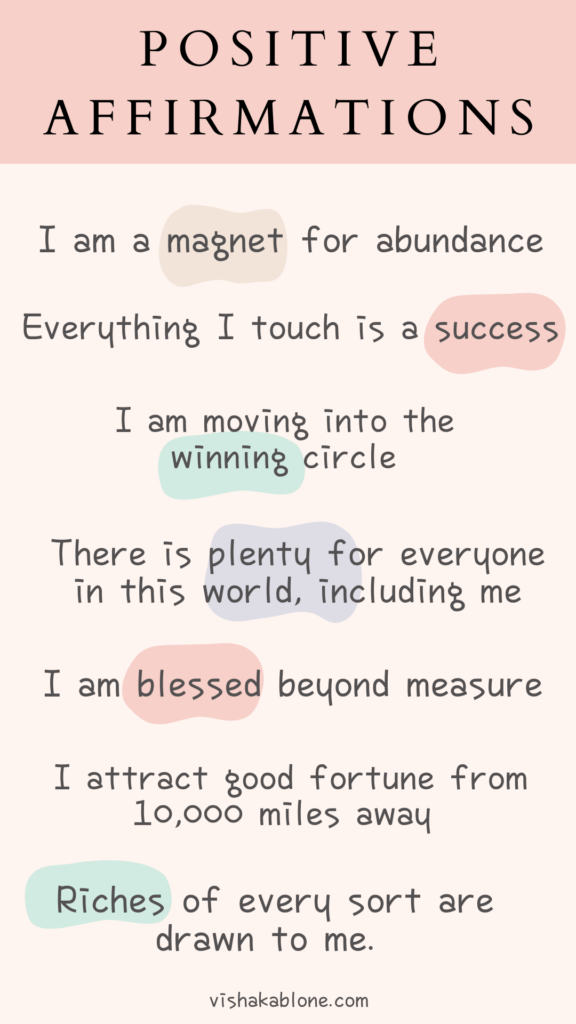
Credit: vishakablone.com
Using Affirmations With Other Self-help Tools
Affirmations work well with other methods. Here’s how to combine them for even better results:
| Tool | How to Combine | Benefit |
|---|---|---|
| Journaling | Write affirmations and reflect on changes | Deepens self-awareness |
| Meditation | Repeat affirmations quietly during meditation | Increases focus and calm |
| Goal Setting | Use affirmations that support your goals | Boosts motivation and follow-through |
Mixing methods creates a “feedback loop. ” Progress in one area supports growth in another, making changes last longer.
You can also use affirmations while exercising, walking, or doing creative work. The key is to pick a time when your mind is open and relaxed, so the words can really sink in.
Frequently Asked Questions
What Are Positive Affirmations?
Positive affirmations are short, encouraging statements you repeat to yourself. They help change negative beliefs into positive ones, making you feel more confident, calm, or motivated. For example, “I am capable” or “I am worthy of success.”
How Long Does It Take For Affirmations To Work?
Affirmations don’t create instant change. Most people notice small shifts within a few weeks, but lasting results take longer. Consistency is important—use affirmations daily and pair them with action.
Can Affirmations Help With Anxiety Or Stress?
Yes, affirmations can reduce anxiety and stress, especially when used with other tools like breathing exercises or meditation. Saying “I am calm and peaceful” during stressful moments helps your mind and body relax.
Are There Any Risks With Using Affirmations?
For most people, affirmations are safe and helpful. However, if you repeat statements that feel untrue, you might feel frustrated. Adjust affirmations to match your current beliefs, and seek support if you feel stuck.
Where Can I Find More About Positive Affirmations?
You can read more about positive affirmations and their benefits from reliable sources like Wikipedia.
Positive affirmations are a simple but powerful tool. When chosen and used with care, they can change your thoughts, feelings, and actions. Remember: pick affirmations that fit your needs, repeat them often, and combine them with real actions. With time and practice, you’ll see the positive changes in your life.
