

What are the Benefits of Daily Affirmations for Your Well-Being?
What Are The Benefits Of Daily Affirmations
Many people want a better life, but not everyone knows where to start. Sometimes, the biggest changes begin with simple actions. Daily affirmations are one of these small, powerful habits. They look simple—short, positive statements you say to yourself each day. But their effect can be deep and life-changing.
You might wonder: Can repeating a few words really make a difference? Science and experience both say yes. When you use daily affirmations, you train your mind to see the world in a new way. You start to build confidence, face stress with more strength, and create a more positive outlook.
In this guide, you will discover the true benefits of daily affirmations. We’ll break down how they work, what makes them effective, and why so many people—from athletes to business leaders—use them. You’ll also learn how to start your own affirmation practice, avoid common mistakes, and get answers to the questions people often ask about this simple but life-changing tool.
Understanding Daily Affirmations
Daily affirmations are short, positive statements that you repeat to yourself, often every morning or before bed. Their goal is to challenge negative thoughts, build self-belief, and set your mind for success.
Examples include:
- "I am capable and strong."
- "I deserve happiness and success."
- "Each day, I grow more confident."
Affirmations are not just wishful thinking. They are tools for mental training. When used correctly, they help shape your beliefs and guide your actions.
How Do Affirmations Work?
Affirmations work by influencing your subconscious mind. When you repeat a statement, your brain starts to accept it as true. Over time, this can change how you see yourself and your possibilities.
This process is called self-affirmation theory. Research shows that positive statements activate the areas of the brain that help you value yourself and control your emotions. Affirmations can even reduce stress by calming the parts of your brain linked to fear.
The Science Behind Affirmations
Many studies have looked at the power of affirmations. For example, brain scans show that when people use affirmations, they have more activity in the ventromedial prefrontal cortex—the area related to self-worth. Other studies show that using affirmations regularly helps people:
- Feel less stressed during difficult times
- Make healthier choices
- Stay motivated to reach goals
But affirmations are not magic. They work best when you use them with action. Saying, “I am healthy,” is more powerful if you also eat well and move your body.
The Core Benefits Of Daily Affirmations
Daily affirmations can improve your life in many ways. Here’s a detailed look at the main benefits:
1. Increased Self-confidence
One of the first changes people notice is stronger self-confidence. When you repeat positive statements about your abilities, you start to believe them. Over time, this belief helps you take on new challenges, speak up in meetings, or try things you once feared.
For example, many athletes use affirmations before competitions. By saying, “I am prepared and ready to win,” they step onto the field with a positive mindset. This confidence often leads to better performance.
2. Reduced Negative Self-talk
Most people have a running inner voice, and it’s often critical. You might catch yourself thinking, “I’m not good enough,” or “I always fail.” Affirmations help stop this cycle by replacing negative thoughts with positive self-talk.
When you use affirmations daily, you train your mind to focus on what you can do, not on your fears or past mistakes. This shift can reduce anxiety and make daily challenges feel less scary.
3. Better Stress Management
Life is full of stress—work, family, money, and health. Affirmations can calm your mind in these moments. For example, saying, “I can handle whatever comes my way,” helps you stay steady when you face problems.
Studies show that people who use affirmations handle stress better. They are less likely to feel overwhelmed, and they recover faster after difficult events.
4. Improved Motivation And Focus
Staying motivated is hard, especially when goals feel far away. Affirmations help by keeping your mind on what you want to achieve. For example, “I am making progress every day,” reminds you that small steps add up.
Many successful people use affirmations to keep going, even on tough days. This habit can help you stick to your plans, finish projects, or start healthy habits.
5. Stronger Emotional Resilience
Resilience means bouncing back after setbacks. Affirmations build this strength by reminding you of your worth and abilities. For example, “I am stronger than my challenges,” gives you hope during hard times.
People who use affirmations often find it easier to handle failure or rejection. They see obstacles as learning moments, not as proof that they should give up.
6. Healthier Relationships
Daily affirmations don’t just change how you see yourself—they also change how you treat others. When you feel good about yourself, you are more patient, kind, and open. Affirmations like, “I am a caring friend,” or “I listen with empathy,” can improve communication and reduce conflict.
Some couples and families use shared affirmations. This builds trust and helps everyone feel supported.
7. Enhanced Performance At Work Or School
Whether you are a student or a professional, affirmations can help you do better. For example, repeating, “I am focused and capable,” before a test or meeting helps calm nerves and sharpen your mind.
Research shows that students who use affirmations are less likely to give up when things get hard. Workers who use them have higher job satisfaction and are better at solving problems.
8. Clearer Goal Setting
Affirmations often focus on goals, such as, “I am becoming more organized. ” This daily reminder keeps your goals clear and top of mind. Over time, you start to act in ways that match your affirmations.
People who use affirmations are more likely to write down their goals, break them into steps, and measure their progress.
9. Better Physical Health
The mind and body are connected. People who use affirmations to support healthy behaviors—like “I choose foods that nourish me”—are more likely to stick with healthy habits.
Studies have found that affirmations can help people quit smoking, exercise more, or recover faster from illness. This happens because affirmations reduce stress, and lower stress is linked to better immune function and health.
10. Higher Self-awareness
Affirmations encourage you to pay attention to your thoughts and feelings. When you choose and repeat affirmations, you become more aware of your needs, strengths, and areas for growth.
This self-awareness helps you make better choices and avoid repeating old mistakes.
Non-obvious Insights About Daily Affirmations
Most guides talk about the basics, but there are a few things about affirmations that people often miss:
- Your brain resists sudden, extreme affirmations. If you say something that feels too far from your reality, your mind might push back. For example, if you feel deeply insecure, saying “I am the best in the world” might not work. Start with believable, gentle statements and build up over time.
- Emotion matters. Affirmations have more power when you say them with feeling. If you just repeat words with no emotion, your brain may not accept them. Try to connect with the meaning behind the words as you speak.
- Consistency beats quantity. It’s better to use a few affirmations every day than to say many once in a while. The regular habit is what creates change.
- Affirmations are not a substitute for action. They work best as a support for real steps—like learning, practicing, or reaching out for help.
How To Create Effective Daily Affirmations
Not all affirmations are equal. The way you write and use them makes a big difference. Here are some tips to help you get the best results:
- Keep them positive. Focus on what you want, not what you don’t want. Say “I am calm and relaxed,” not “I am not stressed.”
- Use present tense. Speak as if the change is happening now: “I am confident,” instead of “I will be confident.”
- Make them personal. Use “I” or “my” statements so your brain connects the affirmation to yourself.
- Keep them short and clear. Simple statements are easier to remember and repeat.
- Connect to your values. Affirmations are more powerful if they match what matters most to you.
Examples Of Effective Affirmations
Here are some sample affirmations for different goals:
- Confidence: “I trust myself to make good decisions.”
- Calmness: “I am at peace with what I cannot control.”
- Health: “I am committed to caring for my body.”
- Success: “I attract opportunities for growth and success.”

Credit: sparkinterestwithsara.com
Using Affirmations In Daily Life
People often ask when and how to use affirmations for the best effect. Here’s what works for most:
- Morning routine: Start your day with affirmations while looking in the mirror. This sets a positive tone.
- Evening reflection: Repeat your affirmations before bed to calm your mind.
- During stress: Use affirmations when you feel nervous or upset to steady your thoughts.
- Before challenges: Repeat affirmations before tests, presentations, or meetings.
Some people write affirmations in a journal, place sticky notes around their home, or use phone reminders. The key is to make affirmations a regular part of your day.
Example Daily Routine
Here’s an example of how affirmations fit into a routine:
- Wake up and say three affirmations while stretching.
- Repeat one affirmation before a difficult task at work or school.
- Reflect on your affirmations before sleep, noticing any changes in your mood.
Common Mistakes And How To Avoid Them
Many people try affirmations but don’t get the results they want. Here are common mistakes and how to fix them:
1. Saying Affirmations You Don’t Believe
If your affirmation feels false, it won’t help. Start with statements that feel almost true and grow from there. For example, instead of “I love myself completely,” try “I am learning to appreciate myself. ”
2. Using Affirmations Without Action
Affirmations should inspire you to take steps. If you say, “I am successful,” but do nothing, you won’t see progress. Pair your affirmations with small daily actions.
3. Repeating Affirmations Without Emotion
Simply saying words is not enough. Feel the meaning as you speak. Imagine the changes happening.
4. Being Inconsistent
Affirmations work with regular practice, not just when you remember. Set reminders or create a habit linked to another daily task.
5. Ignoring Negative Feelings
Affirmations are not about denying reality. If you feel sad or anxious, notice those feelings. Use affirmations to support yourself, not to cover up real issues.
Comparing Affirmations With Other Self-help Tools
Daily affirmations are one tool among many. How do they compare with other methods like visualization or meditation?
| Method | Main Focus | Best For | Time Needed |
|---|---|---|---|
| Affirmations | Positive self-talk | Building self-confidence, changing beliefs | 1-5 minutes daily |
| Visualization | Imagining success | Improving focus, achieving goals | 5-15 minutes daily |
| Meditation | Calming the mind | Reducing stress, improving awareness | 10-20 minutes daily |
Many people use two or three of these tools together. For example, you can repeat affirmations at the end of a meditation session or while visualizing your goals.
Who Uses Daily Affirmations?
You might be surprised at the variety of people who use affirmations:
- Athletes: To boost confidence before competitions
- Students: To prepare for exams and reduce nerves
- Business leaders: To stay focused and motivated
- Artists: To overcome creative blocks
- People recovering from illness or loss: To build hope and resilience
For example, the famous tennis player Serena Williams often uses affirmations to stay mentally strong during matches. Many successful entrepreneurs also credit affirmations for helping them overcome setbacks.
The Impact Of Affirmations Over Time
The true power of affirmations comes with time and consistency. Here’s what you can expect:
| Timeframe | Possible Changes |
|---|---|
| First week | Increased awareness of thoughts, some resistance |
| One month | Less negative self-talk, small boosts in mood |
| Three months | Greater confidence, better stress management |
| Six months+ | New habits, deeper self-belief, positive changes in life |
Some changes are slow and subtle, but over time, most people find they handle challenges better and feel more hopeful.
What Makes Affirmations Fail Or Succeed?
Affirmations are not a magic fix. Their success depends on a few key factors:
- Clarity: Are your affirmations clear and meaningful?
- Believability: Do you feel your affirmations are possible?
- Consistency: Do you use them daily?
- Action: Are you taking steps that match your affirmations?
If you answer “yes” to these, you are more likely to see results.
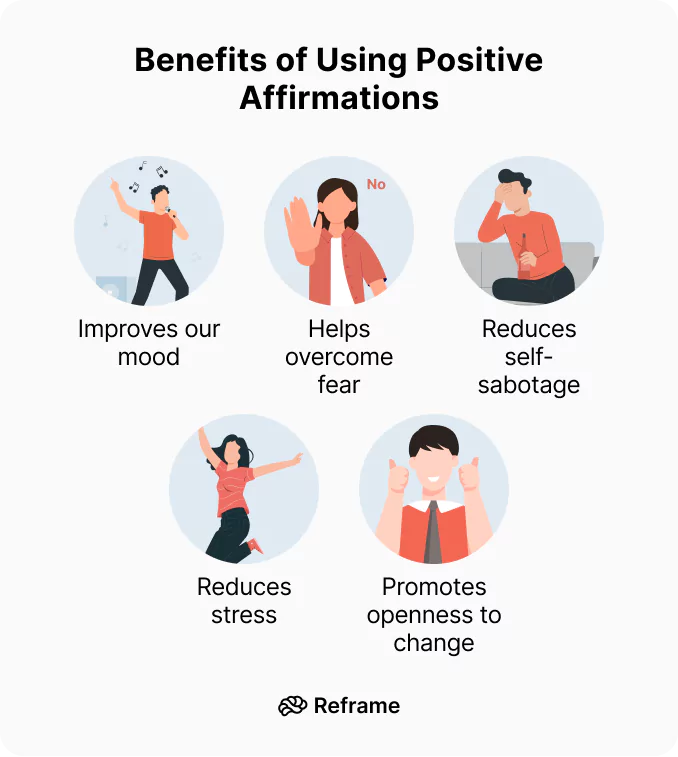
Credit: www.joinreframeapp.com
Data And Research On Affirmations
Research supports the use of affirmations for many people. For example, a study published in the journal “Social Cognitive and Affective Neuroscience” found that self-affirmation activates areas of the brain linked to reward and self-worth. Another study showed that students who used affirmations before exams performed better and felt less anxious.
A survey from the American Psychological Association found that people who use positive self-talk, including affirmations, are less likely to feel overwhelmed by stress. While results can vary, most research finds that affirmations help with mood, stress, and motivation, especially when combined with positive action.
For more research details, see the Wikipedia entry on self-affirmation.
How To Start A Simple Daily Affirmation Practice
If you want to add affirmations to your life, here is a simple plan:
- Choose 2-3 affirmations that match your goals or struggles.
- Write them down and keep them in a place you’ll see each day.
- Say your affirmations out loud every morning and evening.
- Feel the meaning of each statement as you repeat it.
- Notice changes in your mood, thoughts, or actions over time.
You can also adjust your affirmations as your life changes. The most important thing is to practice daily, even if you don’t see results right away.
Real-life Examples And Success Stories
Many people have seen real changes from using affirmations. For example:
- Maria, a college student, used affirmations like “I am capable of learning new things” to overcome test anxiety. After a few months, she noticed she was less nervous before exams and her grades improved.
- James, a manager, started each day saying, “I am a strong leader.” Over time, he felt more confident in meetings and got positive feedback from his team.
- Priya, recovering from a breakup, used affirmations to rebuild her self-esteem. She said, “I am worthy of love and respect,” and soon found she was happier and more open to new friendships.
What these stories have in common is consistency and action. Each person paired affirmations with real effort.
Two Insights Beginners Often Miss
- Affirmations can reveal limiting beliefs. When you say an affirmation and feel discomfort, it often means you’ve hit an old, negative belief. This is a good sign—it shows where you need healing or change.
- You can write your own affirmations. You don’t have to use quotes from books or websites. The most powerful affirmations often come from your own heart, based on your real struggles and dreams.
Frequently Asked Questions
What Are The Best Times To Use Daily Affirmations?
Morning Is A Great Time Because Your Mind Is Fresh. Many People Also Use Affirmations Before Bed To End The Day On A Positive Note. Others Repeat Affirmations During Stressful Moments Or Before Important Events, Like Meetings Or Exams. The Best Time Is The One You Can Stick With Every Day.
Do Affirmations Work For Everyone?
Most People Can Benefit From Affirmations, But They Work Best For Those Who Use Them Regularly And Combine Them With Positive Actions. If You Struggle With Serious Mental Health Issues, Affirmations Are Not A Replacement For Professional Help, But They Can Be A Helpful Support Tool.
How Long Does It Take To See Results From Affirmations?
Some People Notice Small Changes In A Week, Like A Better Mood Or Less Negative Thinking. Bigger Changes, Such As More Confidence Or New Habits, Can Take A Few Months. The Key Is Daily Practice And Patience.
Can Affirmations Replace Therapy Or Medication?
No. Affirmations Are A Self-help Tool, Not A Substitute For Medical Or Psychological Treatment. They Can Be A Helpful Addition But Should Not Replace Therapy, Counseling, Or Prescribed Medication If You Need Them.
How Can I Make Affirmations Feel More Powerful?
Use Affirmations That Feel True Or Possible For You. Say Them With Emotion, And Picture Yourself Living Out The Words. Write Your Own, Based On Your Real Goals And Values. And Always Pair Affirmations With Action—small Steps Each Day That Match Your Positive Statements.
Daily affirmations are a simple tool, but their effects can be big and lasting. They help you build confidence, manage stress, and create a more positive life—one day at a time. If you practice with honesty and consistency, you may find that your words become your new reality.
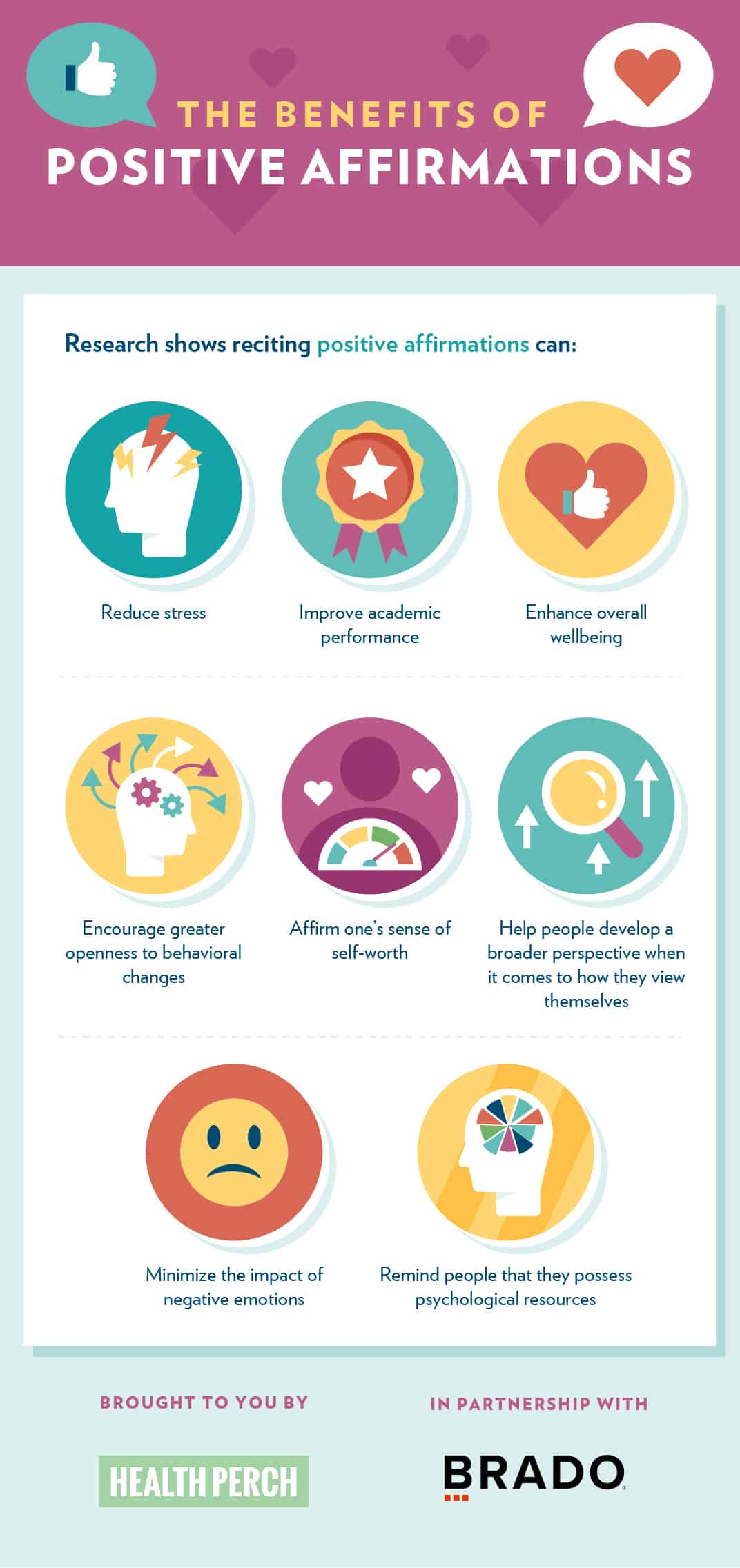
Credit: ecogreenlove.com
