

What are Some Good Positive Affirmations: Boost Your Mindset
What Are Some Good Positive Affirmations
Positive affirmations are simple phrases that can change how you think and feel. They help you focus on your strengths, boost your confidence, and reduce stress. Many people use affirmations every day to start their morning, calm their mind, or find motivation.
Even if you are not fluent in English, you can use affirmations to improve your life. The power of positive words is real—they can reshape your beliefs and habits over time.
Some beginners think affirmations are only words. But, when you repeat them often and believe in their meaning, they can truly make a difference. Research shows that positive self-talk can lower anxiety, increase happiness, and even improve health. You do not need any special skill to use affirmations.
All you need is a willingness to try, and a little patience.
This article explains what affirmations are, why they work, and gives many examples for different situations. You will learn how to create your own affirmations and use them in daily life. By the end, you will have practical tools to become more positive and confident.
What Are Positive Affirmations?
Positive affirmations are short, powerful statements. They are designed to help you overcome negative thoughts and focus on good things. You say or think these statements regularly, usually in the present tense. For example: “I am strong,” or “I believe in myself.”
Most affirmations are easy to remember and repeat. They work best when they are specific and meaningful to you. When you say an affirmation, you are telling your mind what you want to believe. Over time, your brain starts to accept these positive messages.
How Affirmations Work
Your brain listens to what you say. If you repeat negative phrases, you feel more stressed or sad. If you repeat positive phrases, your mood and mindset improve. Scientists call this process neuroplasticity. It means your brain can change and adapt, even as an adult.
Affirmations help with:
- Self-confidence
- Motivation
- Reducing stress
- Changing habits
- Improving relationships
Common Misunderstandings
Some people think affirmations are only for people who are struggling. But anyone can use them. Another mistake is thinking affirmations work instantly. You need to repeat them regularly, often for weeks or months, to see real change.
Why Use Positive Affirmations?
Using affirmations has many benefits. They are easy, free, and can be used anywhere. You do not need special tools or training.
Benefits Of Positive Affirmations
1. Builds Self-esteem
When you say kind words to yourself, you feel better about who you are.
2. Reduces Stress
Positive phrases help calm your mind during difficult times.
3. Improves Focus
Affirmations help you stay focused on your goals.
4. Supports Healing
Studies show that positive self-talk can help the body heal faster.
5. Encourages Growth
You become more open to learning and trying new things.
Real-life Example
Imagine someone who feels nervous before a job interview. By repeating, “I am prepared and confident,” they become calmer and perform better.
Data And Research
A study published in the journal “Social Cognitive and Affective Neuroscience” found that self-affirmation activates parts of the brain linked to reward and positive emotion. People who use affirmations report lower stress and better performance, especially in challenging situations.
Good Positive Affirmations For Everyday Life
Positive affirmations can be used in many areas: work, school, relationships, and health. Here are some examples for daily use.
Morning Affirmations
Starting your day with positive words can set the right tone.
- “I am ready for today.”
- “I choose happiness.”
- “I can handle anything that comes my way.”
- “I am grateful for this new day.”
- “I welcome new opportunities.”
Affirmations For Self-esteem
Building confidence is important. These help you feel good about yourself.
- “I am valuable.”
- “I trust myself.”
- “I am proud of who I am.”
- “I believe in my abilities.”
- “I deserve respect.”
Affirmations For Stress Relief
When you feel anxious, these affirmations can help you relax.
- “I am calm and peaceful.”
- “I breathe in relaxation, I breathe out stress.”
- “Everything will be okay.”
- “I let go of worry.”
- “I trust the process.”
Affirmations For Success And Motivation
Stay motivated with these phrases.
- “I am focused and driven.”
- “I achieve my goals.”
- “I am capable of great things.”
- “I learn from every experience.”
- “I never give up.”
Affirmations For Relationships
Use these to improve connections with family, friends, or coworkers.
- “I listen with care.”
- “I respect others.”
- “I am a good friend.”
- “I communicate clearly.”
- “I bring joy to others.”
Affirmations For Health
Support your body and mind with these statements.
- “I am healthy and strong.”
- “I take care of myself.”
- “My body heals itself.”
- “I make good choices for my health.”
- “I am full of energy.”
Creating Your Own Affirmations
You do not have to use only common affirmations. Creating your own makes them more powerful.
Steps To Create Affirmations
- Think about your goal. What do you want to improve or change?
- Use present tense. Say “I am” instead of “I will be.”
- Be positive. Avoid negative words like “not” or “can’t.”
- Keep it short. Simple statements are easier to remember.
- Make it personal. Use words that mean something to you.
Example
If you want to be more confident in speaking English, you can say, “I am confident when I speak English. ”
Common Mistakes
Many beginners use vague or negative statements. For example, “I don’t want to be afraid. ” It is better to say, “I am brave. ”
Another mistake is using future tense: “I will be happy.” Instead, say, “I am happy now.”
How To Use Positive Affirmations
It is important to use affirmations in a way that fits your life. There is no single correct method, but some approaches are more effective.
When And How Often To Use
- Morning: Start your day with positive thoughts.
- Before bed: End your day with calming phrases.
- During stress: Repeat affirmations when you feel anxious.
- Anytime: Use them whenever you need a boost.
Methods To Practice
- Say them aloud. Speaking helps your brain remember.
- Write them down. Keep a journal and write your affirmations daily.
- Think them silently. When you cannot speak, repeat them in your mind.
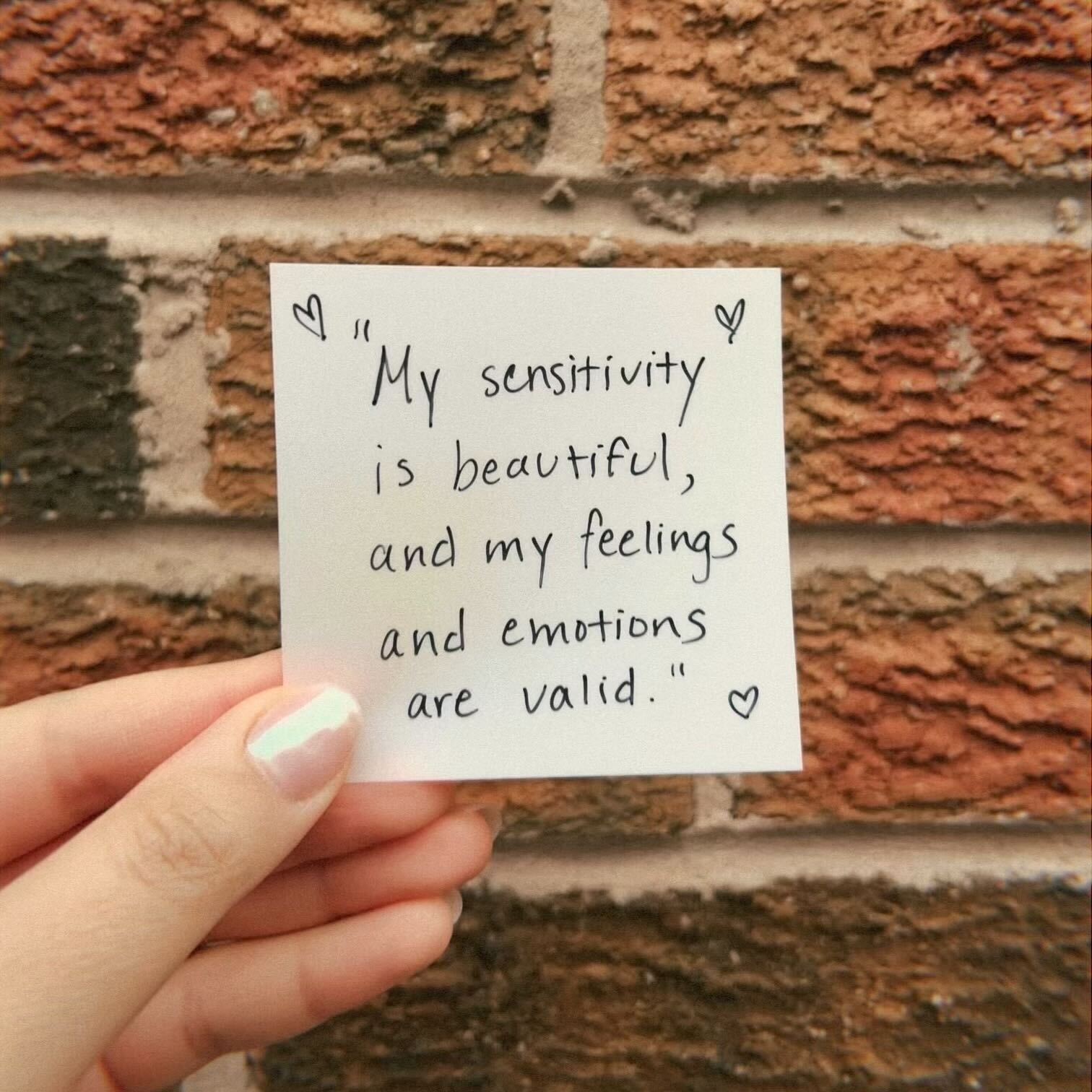
- Use reminders. Put sticky notes on your mirror or desk.
Practical Example
If you are preparing for an exam, you can say, “I am prepared,” every morning and before studying.
Extra Tips
- Believe in the meaning of your words.
- Visualize what you are saying.
- Stay consistent; it takes time to see results.
Positive Affirmations For Special Situations
Different situations need different affirmations. Here are examples for some common challenges.
Affirmations For Anxiety
- “I am safe right now.”
- “I trust myself to handle this.”
- “I accept my feelings and let them go.”
- “I choose peace over worry.”
- “I am stronger than my fears.”
Affirmations For Career Growth
- “I am skilled and talented.”
- “I welcome new challenges.”
- “I learn and grow every day.”
- “I am respected at work.”
- “I create success through hard work.”
Affirmations For Learning English
- “I am improving every day.”
- “I am confident when I speak.”
- “Mistakes help me learn.”
- “I enjoy learning new words.”
- “I am proud of my progress.”
Affirmations For Healing
- “My body is healing.”
- “I am patient with myself.”
- “I trust my body’s wisdom.”
- “I feel better every day.”
- “I am gentle with myself.”
Using Affirmations With Children
Children can benefit from affirmations just like adults. They help kids become more confident, kind, and resilient.
Examples For Children
- “I am smart.”
- “I am loved.”
- “I can try new things.”
- “I am important.”
- “I make good choices.”
How To Teach Children
- Repeat affirmations together.
- Use simple language.
- Add actions or gestures to make it fun.
Extra Insight
Children often copy adults. If parents use positive affirmations, kids are more likely to use them too. This helps build strong self-esteem from an early age.
Comparison Of Affirmation Types
Different types of affirmations serve different needs. Here is a comparison to help you choose:
| Type | Main Purpose | Best For | Example |
|---|---|---|---|
| Self-Esteem | Build confidence | People with low self-worth | I am valuable |
| Stress Relief | Calm the mind | During anxiety or stress | I am calm and peaceful |
| Motivation | Increase drive | Goal setting, work, study | I achieve my goals |
| Health | Support well-being | Physical or mental healing | I am healthy and strong |
| Relationships | Improve connections | Family, friends, coworkers | I listen with care |
Science Behind Positive Affirmations
Many people ask if affirmations truly work. Research shows they have real effects.
Psychological Impact
Affirmations are linked to the self-affirmation theory. This theory says that reminding yourself of your values helps you cope with threats and stress. Positive self-talk boosts your mood and helps you stay strong.
Physical Effects
Some studies show that people who use affirmations have lower levels of stress hormones. They sleep better and feel healthier. This is because positive thinking relaxes the body.
Brain Activity
When you say affirmations, your brain releases chemicals like dopamine and serotonin. These chemicals make you feel happy and motivated.
Data Table: Effects Of Affirmations
| Effect | Reported Improvement (%) | Source |
|---|---|---|
| Lower stress | 38 | University study |
| Better self-esteem | 47 | Research survey |
| Improved motivation | 33 | Psychology journal |
| Health recovery | 25 | Hospital report |
Using Affirmations In Groups
Affirmations can be used alone or in groups. Group use is common in schools, workplaces, or therapy.
Benefits Of Group Affirmations
- Builds team spirit
- Encourages positive culture
- Helps people support each other
Example In Workplace
A team may start meetings by saying, “We are strong together,” or “We respect each other’s ideas. ” This improves cooperation and morale.
Data Table: Individual Vs. Group Affirmations
| Method | Best For | Reported Benefits |
|---|---|---|
| Individual | Personal growth | Confidence, calmness |
| Group | Team building | Morale, support |

Credit: janejacksoncoach.com
Common Challenges With Affirmations
Even though affirmations are simple, some people struggle to use them well. Here are some common problems and solutions.
Challenge: Feeling Uncomfortable
Some people feel strange or shy saying affirmations. This is normal, especially at first.
Solution:
Start by saying them in your mind or writing them down. With time, you will feel more comfortable.
Challenge: Not Believing The Words
If you do not believe the affirmation, it will not work well.
Solution:
Choose phrases that feel true, even if they are small. For example, “I am learning,” instead of, “I am perfect. ”
Challenge: Forgetting To Practice
Many people forget to use affirmations regularly.
Solution:
Set reminders on your phone or place notes where you will see them.
Advanced Tips For Using Affirmations
Once you are comfortable, you can make affirmations even more powerful.
Visualization
When you repeat an affirmation, picture the result in your mind. For example, imagine yourself confident and happy while saying, “I am confident. ”
Combining With Breathing
Breathe deeply as you say your affirmation. This helps calm your body and mind.
Using Music
Listen to relaxing music while practicing affirmations. This creates a positive mood.
Tracking Progress
Keep a journal of your affirmations and note any changes in your feelings or behavior. This helps you see your growth.
Positive Affirmations In Different Cultures
Affirmations are used worldwide, but they may look different in each culture.
Western Cultures
Focus is often on individual growth and confidence.
Eastern Cultures
Affirmations may be linked to meditation, community, or spiritual beliefs.
Example
In some cultures, people use group chants or prayers as affirmations. The goal is the same: to create positivity and strength.
Popular Myths About Affirmations
Some myths can make people doubt the power of affirmations.
Myth 1: Affirmations Are Magic
Some believe affirmations can solve all problems instantly. This is not true. They are a tool, not a cure.
Myth 2: Only Weak People Need Affirmations
Everyone can benefit from positive self-talk, not just those facing difficulties.
Myth 3: Affirmations Must Be Perfect
There is no perfect affirmation. The best statements are simple and personal.
Credit: www.thegoodtrade.com
Positive Affirmations For Non-native English Speakers
If English is not your first language, using affirmations can help you in several ways.
Benefits
- Improves language skills
- Builds confidence in speaking
- Helps overcome fear of mistakes
Tips
- Use simple phrases
- Focus on meaning, not grammar
- Practice often
Examples
- “I am learning English every day.”
- “I am confident in my speaking.”
- “I enjoy learning new words.”
How To Know If Affirmations Are Working
It can be hard to measure the impact, but there are signs.
Signs Of Progress
- You feel more positive
- You worry less
- You try new things
- You feel stronger in difficult times
Tracking Your Growth
Write down your feelings before and after using affirmations. Over weeks, notice any changes.
Where To Find More Affirmations
Many websites, books, and apps offer lists of affirmations. You can search online or visit your local library. One helpful source is Psychology Today.
Frequently Asked Questions
What Is The Best Way To Use Positive Affirmations?
The best way is to repeat them daily, in the morning and at night. Say them out loud, write them down, or think them silently. Consistency is important. Choose affirmations that feel meaningful to you.
How Long Does It Take For Affirmations To Work?
It varies for each person. Some notice changes in a few days, others need weeks or months. The key is regular practice and patience. Small changes happen first, then bigger results.
Can Affirmations Help With Anxiety Or Stress?
Yes, many people use affirmations to calm anxiety and reduce stress. Choose calming phrases like, “I am peaceful,” or, “I am safe. ” Repeat them when you feel nervous.
Are Affirmations Effective For Children?
Affirmations are very helpful for children. They build confidence, kindness, and resilience. Use simple language and repeat together. Make it fun and positive.
Can I Use Affirmations In My Native Language?
Absolutely. Affirmations work in any language. The meaning is more important than the words. You can use English or your native tongue, or both.
Positive affirmations are simple, but powerful tools. Anyone can use them to become more confident, motivated, and peaceful. The key is to practice regularly, believe in the words, and use phrases that fit your life. Over time, you will notice real changes in your mindset and actions.
Affirmations are not magic, but they are a proven way to build a happier, healthier you.

Credit: aapsychiatry.com
