

What Are Some Good Affirmations to Boost Your Daily Mindset?
What Are Some Good Affirmations
The way we talk to ourselves shapes how we feel, act, and live. Many people use affirmations to improve their mindset, build confidence, and create positive habits. But what are affirmations, and how can you use them effectively? This article explores the science behind affirmations, shares practical examples for different situations, and guides you on how to make affirmations work for you. Whether you want to feel happier, reduce stress, or reach your goals, you'll find clear advice and actionable steps here.
Understanding Affirmations
Affirmations are short, positive statements that people repeat to themselves. The goal is to encourage a positive attitude and help change negative beliefs. For example, someone might say, “I am confident” or “I deserve happiness. ” These statements can be spoken, written, or even thought silently.
Using affirmations is a way of training your mind to focus on helpful thoughts instead of harmful ones. Many people use them to push away doubt, fear, or worry. If you feel nervous about a big event, repeating “I am prepared” can help you calm down and believe in yourself.
You do not need to say affirmations loudly or in front of others. Some people whisper them or write them in a notebook. Others use phone reminders or sticky notes. The important thing is to find a method that feels comfortable and natural to you.
How Affirmations Work
Research shows that repeating affirmations can help you:
- Replace negative thoughts with positive ones
- Boost self-esteem and motivation
- Reduce stress and anxiety
- Improve performance in work, school, or sports
The mind responds to repeated messages. When you say something positive again and again, your brain starts to believe it. This is called neuroplasticity, where your brain changes based on your thoughts and experiences.
For example, if you often say, “I am organized,” your mind begins to notice chances to be more organized. You will feel more motivated to tidy your desk or finish tasks on time. Over time, these small actions create bigger changes in your life.
Some people use affirmations for emotional healing. If you have been hurt or feel sad, repeating “I am healing” can support your recovery. Affirmations are not magic, but they make it easier to shift your focus and see new possibilities.
Common Misconceptions
Many people think affirmations are just wishful thinking or that they don't work. The truth is, affirmations are most effective when you:
- Use them regularly
- Believe in what you are saying
- Combine them with real actions
For example, saying “I am healthy” can help, but it's much more powerful when you also eat well and exercise.
One mistake is expecting instant results. Affirmations are like seeds. You plant them and care for them, but they take time to grow. If you feel discouraged, remember that progress is often slow and steady.
Another misunderstanding is thinking you must be perfect for affirmations to work. The reality is, you can benefit from affirmations even if you have doubts. Start with statements you feel comfortable with. As your confidence grows, you can use stronger affirmations.
Why Affirmations Matter
Affirmations are not only for motivation. They are tools to help you manage stress, improve focus, and build resilience. Studies show that people who use affirmations can handle challenges better and feel less overwhelmed.
For instance, students using affirmations before exams often report less anxiety and better performance. Athletes also use affirmations to stay focused and confident during competition.
Affirmations can also help people recover from setbacks. If you lose your job or face a difficult problem, affirmations like “I am resilient” can help you stay positive. This mental strength is important for bouncing back and finding new opportunities.
Data Insights
A survey of over 5,000 adults found that nearly 68% who used daily affirmations felt more positive and less stressed. Another study published in the journal Psychology Health showed that affirmations can lower cortisol, the stress hormone.
| Benefit | Percentage Reporting Improvement |
|---|---|
| Reduced Stress | 68% |
| Improved Self-Esteem | 62% |
| Better Focus | 53% |
Another insight: people who use affirmations often notice changes in their behavior. For example, someone who repeats, “I am disciplined,” may start finishing tasks faster. This shows that affirmations can affect not just feelings, but actions too.

Credit: rnsgi.com
Types Of Affirmations
Affirmations can be used in many areas of life. Choosing the right type is important for success.
Personal Growth
These affirmations help you become a better version of yourself. They focus on self-confidence, learning, and self-love.
- “I am worthy of respect and kindness.”
- “I learn from my mistakes.”
- “I am growing every day.”
You can use personal growth affirmations when you feel stuck or want to develop new skills. For example, if you want to become more patient, try “I am patient with myself and others. ”
Health And Wellness
Affirmations can support healthy habits and mental well-being.
- “I am strong and healthy.”
- “I care for my body and mind.”
- “I deserve to feel good.”
Health affirmations are helpful if you want to start exercising, eat better, or overcome bad habits. For example, “I choose healthy foods” can remind you to pick fruits and vegetables.
Relationships
Positive statements about relationships help create trust and harmony.
- “I communicate clearly and kindly.”
- “I am surrounded by love.”
- “I build healthy connections with others.”
If you want to improve your relationship with friends, family, or coworkers, try “I listen with respect. ” This can help you be more patient and understanding.
Work And Success
These affirmations boost motivation and confidence in professional life.
- “I am capable and smart.”
- “I handle challenges with courage.”
- “I achieve my goals.”
You can use work affirmations before meetings or presentations. For example, “I express my ideas clearly” can help you feel confident in your abilities.
Stress And Anxiety
Affirmations help calm the mind and reduce worries.
- “I am calm and relaxed.”
- “I breathe deeply and let go of stress.”
- “I trust myself to handle any situation.”
These affirmations are useful during stressful moments, like exams or deadlines. They help you remember that you can manage your feelings and stay steady.
Creating Effective Affirmations
Not all affirmations are equally powerful. To make your affirmations work, follow these simple guidelines:
Use Present Tense
Say your affirmations as if they are true now. For example, “I am confident” instead of “I will be confident. ”
This signals to your brain that the change is happening now, not in the future. It helps you act in ways that match your affirmation.
Keep Them Positive
Focus on what you want, not what you don’t want. Instead of “I am not afraid,” say “I am brave. ”
Positive language makes your mind focus on good outcomes. It also keeps your energy high and hopeful.
Make Them Personal
Use “I” or “my” to make the statement about yourself.
This makes the affirmation more powerful because it connects directly to your identity. For example, “I am reliable” is stronger than “People are reliable. ”
Be Specific
The more clear your affirmation, the better. “I finish my tasks on time” is more helpful than “I am organized. ”
Specific affirmations help you focus on real actions and results. If you want to improve your health, try “I drink water every day. ”
Repeat Regularly
Consistency is key. Say your affirmations every day, preferably in the morning or before bed.
Repeating affirmations helps them become part of your routine. Over time, they feel natural and automatic.
A less obvious tip: try linking your affirmation to a daily habit. For example, say your affirmation while brushing your teeth. This makes it easier to remember and keeps you consistent.
Examples Of Good Affirmations
Here are some well-crafted affirmations for different needs:
Confidence
- “I trust myself.”
- “I speak with confidence.”
- “I am proud of who I am.”
If you struggle with public speaking, “I express myself clearly” can help you feel more at ease.
Motivation
- “I am driven and focused.”
- “I reach my goals.”
- “I am committed to growth.”
These affirmations are useful when you need energy to start a big project or stick to a routine.
Self-love
- “I accept myself fully.”
- “I deserve happiness.”
- “I am enough.”
Self-love affirmations are important if you often feel doubt or guilt. They remind you to be gentle with yourself.
Stress Relief
- “I release tension.”
- “I am peaceful.”
- “I stay calm under pressure.”
Try repeating these during stressful situations, like before a test or difficult conversation.
Career Success
- “I am skilled and talented.”
- “I create value every day.”
- “I am a leader.”
If you want a promotion or new job, “I welcome new opportunities” can help you stay positive and open-minded.
How To Practice Affirmations
Using affirmations is simple, but a few tips can make them more effective:
Speak Out Loud
Saying your affirmations out loud helps your brain believe them. It also makes you feel more confident.
You do not have to shout. A calm, steady voice works best. Some people stand in front of a mirror to boost the effect.
Write Them Down
Writing in a journal or on sticky notes reinforces your message. Place notes where you can see them often.
Some people use digital reminders, like phone alarms or screensavers. Seeing your affirmation often helps you remember it throughout the day.
Visualize Success
Picture yourself living the affirmation. For example, if you say, “I am confident,” imagine yourself speaking in public with ease.
Visualization makes the affirmation more real to your mind. It also helps you notice small steps you can take to reach your goal.
Combine With Actions
Affirmations work best when you take real steps. If your affirmation is “I am healthy,” eat nutritious food and exercise.
Actions show your mind that you are serious about change. Even small steps matter. If your affirmation is “I am organized,” try cleaning your desk each morning.
Track Your Progress
Notice changes in your mood, behavior, or habits. Adjust your affirmations as needed.
You can keep a journal to record your feelings and actions. This helps you see what works and where you need to improve.
A practical tip: review your affirmations once a month. Change them if your needs or goals shift.

Credit: thechiclife.com
Common Mistakes To Avoid
Beginners often make mistakes that lower the impact of affirmations. Here’s what to watch out for:
- Choosing vague affirmations: Too general statements don’t work well. Be specific.
- Saying affirmations only once: Repetition is important. Practice daily.
- Using negative words: Keep your statements positive.
- Not believing the affirmation: If you don’t believe it, it won’t help. Start with statements you can accept.
- Skipping real actions: Affirmations alone won’t change your life. Take steps toward your goals.
Another mistake is forgetting to adapt affirmations as you grow. If your needs change, adjust your statements. For example, if you reach a goal, create a new affirmation to support your next challenge.
Some people make the mistake of using too many affirmations at once. This can feel overwhelming. Start with one or two, and add more as you feel comfortable.
Advanced Techniques For Using Affirmations
If you are comfortable with basic affirmations, you can try advanced methods to boost results.
Pair Affirmations With Meditation
Sit quietly, close your eyes, and repeat your affirmation. This helps you focus and relax.
Meditation creates a calm space for your mind. When you add affirmations, you strengthen your positive thoughts. Try repeating your affirmation for five minutes each morning.
Use Affirmations During Exercise
Physical activity increases endorphins. Repeating affirmations while exercising can make you feel stronger and more positive.
For example, while walking or jogging, repeat “I am energetic” or “I am making progress. ” This can turn your workout into a mental boost.
Record And Listen
Record yourself saying affirmations and listen while walking, driving, or relaxing.
Hearing your own voice makes the affirmation feel personal and powerful. You can use audio apps or simple voice notes.
Group Practice
Share affirmations with friends or family. Practicing together can build support and motivation.
A group can help you stay accountable. For example, you and a friend can share a daily affirmation and check in each week.
A less-known tip: combine affirmations with music. Play relaxing tunes while repeating your statements to make the experience more enjoyable.
Affirmations For Specific Situations
Different challenges call for different affirmations. Here are examples for common situations:
Before A Job Interview
- “I am prepared and confident.”
- “I show my best qualities.”
- “I am a great fit for this role.”
Using these affirmations can help you feel calm and ready. Try repeating them while getting dressed or on your way to the interview.
Facing A Difficult Task
- “I am capable of solving problems.”
- “I stay focused and persistent.”
- “I learn from every challenge.”
These are helpful when you feel overwhelmed. Pair your affirmation with a deep breath or a short break.
Dealing With Rejection
- “I am resilient.”
- “I grow stronger from setbacks.”
- “I am worthy, no matter what.”
These affirmations help you recover and maintain self-worth. If you receive bad news, repeat your affirmation and remind yourself that setbacks are temporary.
Managing Social Anxiety
- “I am comfortable around others.”
- “I express myself freely.”
- “I am accepted as I am.”
Practice these before social events. Visualize yourself feeling calm and connecting with others.
Starting A New Habit
- “I stick to my new routine.”
- “I am committed to positive change.”
- “I celebrate my progress.”
These affirmations support you during the first days of a new habit. Celebrate small wins to stay motivated.
Scientific Evidence Behind Affirmations
Affirmations are not just positive words—they are backed by research. Studies show that self-affirmation can reduce stress, improve problem-solving, and boost performance.
One experiment found that students who used affirmations before exams performed better than those who did not. Another study showed that self-affirmation can help people make healthier choices, like eating more vegetables or quitting smoking.
Brain Activity
MRI scans show that repeating positive statements can activate parts of the brain linked to reward and motivation. This means affirmations can actually change how you feel and act.
These changes are visible in brain scans, where positive self-talk lights up areas connected to confidence and happiness. This is a sign that affirmations are not just “feel-good” tricks—they can create real shifts in your brain.
Real-life Example
Athletes often use affirmations to stay confident. For example, a swimmer might repeat, “I am fast and strong” before a race. This helps them perform better under pressure.
Another real-life example: business leaders use affirmations before important meetings. Saying “I am prepared and capable” can help them make tough decisions and lead teams with confidence.
Comparing Affirmations With Other Mindset Tools
Affirmations are one tool among many for improving your mindset. Let’s compare them with other popular techniques:
| Method | Main Focus | Best For | Ease of Use |
|---|---|---|---|
| Affirmations | Positive self-talk | Building confidence, reducing stress | Very easy |
| Visualization | Imagining success | Goal setting, motivation | Moderate |
| Journaling | Reflecting and analyzing | Self-awareness | Moderate |
| Meditation | Calming the mind | Stress relief, focus | Easy to moderate |
Affirmations are simple and quick, making them ideal for busy people. Combining affirmations with other methods can give even better results.
A useful insight: some people blend journaling with affirmations by writing daily entries about their progress. This can help track changes and keep motivation high.
How To Choose Your Affirmations
Choosing the right affirmation is important. Here’s how to select one that fits your needs:
- Identify your goal: Do you want more confidence, less stress, or better health?
- Write a statement that matches your goal: Make it clear and positive.
- Test the affirmation: Say it out loud. Does it feel comfortable? If not, adjust the words.
- Personalize it: Use your own style and language.
- Keep it short: Long sentences are hard to remember.
A less obvious tip: if you struggle with self-belief, start with softer affirmations. For example, “I am learning to be confident” is easier to accept than “I am confident.”
Example Process
Suppose you want to improve your self-esteem. Start with “I am valuable. ” If that feels too strong, try “I am learning to value myself. ” As you grow, adjust your affirmation.
You can also create affirmations for specific events. For example, before a presentation, use “I share my ideas clearly. ”
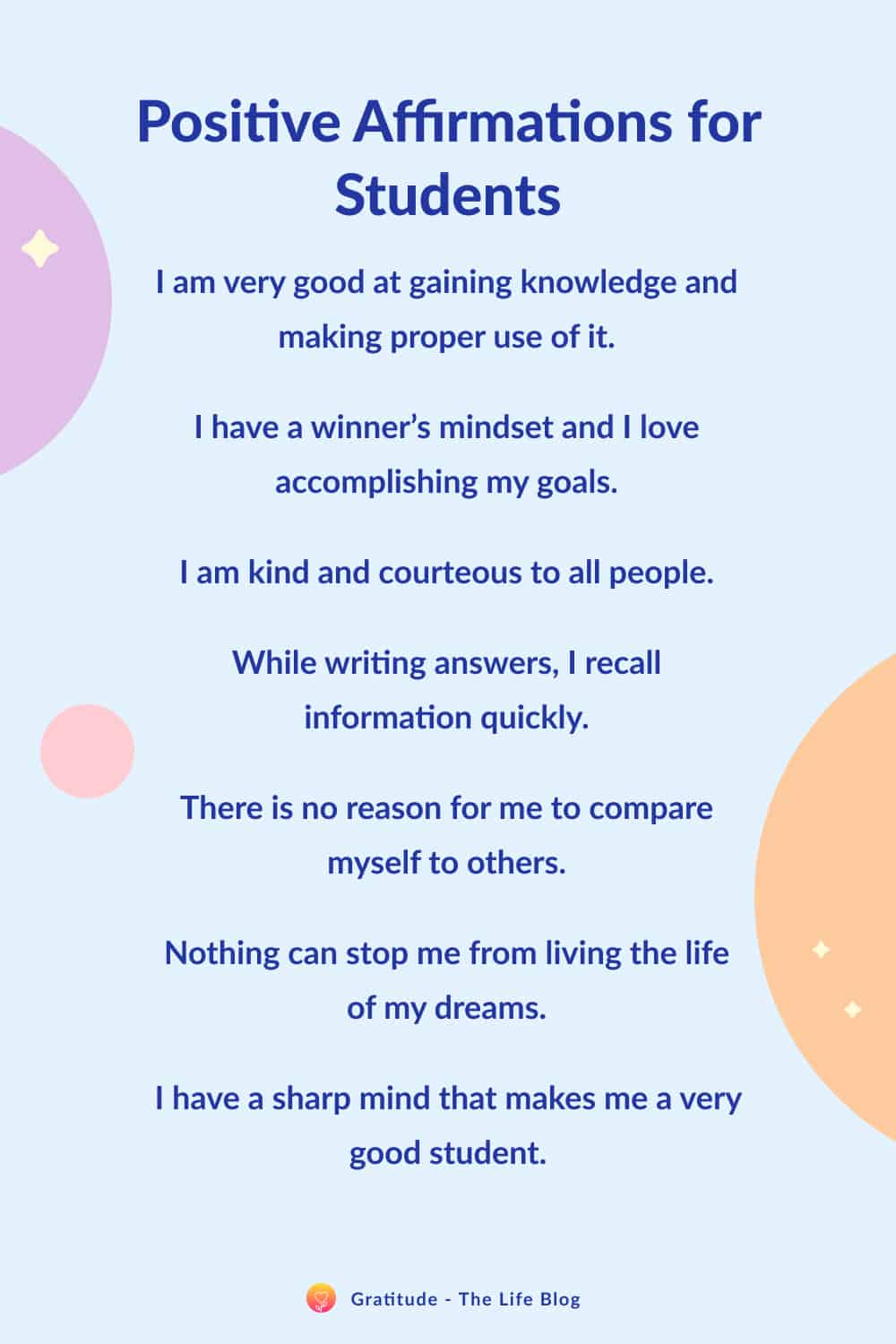
Credit: blog.gratefulness.me
Real-life Success Stories
Many people have changed their lives with affirmations. Here are two inspiring examples:
Sarah’s Story
Sarah struggled with anxiety and low confidence. She started using the affirmation “I am calm and capable” every morning. After a few weeks, Sarah noticed she felt less nervous at work and was able to speak up in meetings. She combined affirmations with breathing exercises, which helped her even more.
Sarah also placed sticky notes with her affirmation on her bathroom mirror and desk. This made it easier to remember her positive message during stressful moments.
Daniel’s Experience
Daniel wanted to lose weight and improve his health. He chose “I make healthy choices every day. ” By repeating this affirmation and planning his meals, Daniel lost 15 pounds and felt more energetic. He found that affirmations kept him motivated when he faced temptations.
Daniel also tracked his progress in a journal. He wrote down each healthy meal and exercise session, which made his affirmation feel real and achievable.
Making Affirmations Part Of Your Daily Routine
To get the most benefit, add affirmations to your routine. Here are some practical ways:
- Morning ritual: Start your day with three positive statements.
- During breaks: Repeat affirmations when you need a boost.
- Before sleep: End your day with a calming affirmation.
- In stressful moments: Use affirmations to stay centered.
Some people use phone alarms to remind them to repeat their affirmations. Others create a “habit stack,” linking affirmations to existing routines, such as drinking coffee or commuting.
A less-known method: combine affirmations with gratitude. After repeating your statement, add something you are thankful for. This increases positive feelings and keeps you focused on good things.
Small changes can make a big difference. Over time, affirmations become a natural part of your thinking.
Frequently Asked Questions
What Are Affirmations?
Affirmations are short, positive statements repeated to help change your mindset and beliefs. They are used to encourage confidence, happiness, and healthy habits.
How Often Should I Use Affirmations?
For best results, use affirmations daily. Many people practice in the morning and before bed. Consistency is more important than quantity.
Can Affirmations Help With Anxiety?
Yes, affirmations can help reduce anxiety. By focusing on positive thoughts, you can calm your mind and handle stress better. Pairing affirmations with deep breathing or meditation works even better.
Do Affirmations Work For Everyone?
Affirmations can help most people, but results depend on your attitude and actions. If you believe in your statements and combine them with real steps, they are more effective.
Where Can I Find Scientific Studies About Affirmations?
You can read about research on affirmations in journals like Psychology Health or on websites like Psychology Today, which offers articles and expert opinions on mindset tools.
Final Thoughts
Affirmations are simple, practical tools that can improve your life in many ways. By choosing positive, clear statements and repeating them regularly, you can build confidence, reduce stress, and reach your goals. Remember, affirmations work best when you combine them with real actions and believe in yourself.
Whether you’re facing a challenge or just want to feel better, starting with a few good affirmations can make a lasting difference.
The best way to use affirmations is to make them part of your everyday life. Start small, stay consistent, and watch for real changes. Over time, you’ll notice new habits, stronger confidence, and a more positive outlook. Affirmations are not a magic cure, but they are a powerful tool for anyone who wants to grow and thrive.
