

What are Positive Daily Affirmations? Transform Your Mindset Today
What Are Positive Daily Affirmations
Everyone faces moments of doubt, stress, or low confidence. Sometimes, negative thoughts seem louder than positive ones. But what if a simple habit could help you build a stronger mindset and feel better each day? Positive daily affirmations are one of the easiest, yet most powerful, tools for personal growth. If you’ve ever wondered how to change your thinking, improve your mood, or boost your self-esteem, this article will explain how affirmations work and how to use them effectively.
Understanding Positive Daily Affirmations
Positive daily affirmations are short, encouraging statements you repeat to yourself. These phrases aim to challenge negative beliefs and help you create a more optimistic mindset. For example, saying “I am confident” or “I can handle challenges” helps you focus on your strengths instead of your weaknesses.
Affirmations work because your mind responds to repeated messages. When you use them regularly, your brain starts to believe the words. This can reduce anxiety, improve motivation, and even change how you feel about yourself.
Key points:
- Affirmations are not magic, but they can support real change.
- They need to be repeated daily for best results.
- The statements should be simple, positive, and focused on what you want to achieve or feel.
The Science Behind Affirmations
You might ask, “Do affirmations really work? ” Research shows that positive self-talk can improve your mental health and performance. One study found that repeating positive statements can activate parts of the brain involved in self-processing and reward. This means affirmations help you feel good and stay motivated.
Another important point is that negative thoughts create stress and limit your abilities. By using affirmations, you train your mind to think more positively, which lowers stress hormones and builds emotional resilience.
A non-obvious insight: It’s not just the words that matter, but the consistency. Regular use of affirmations changes the pathways in your brain, making positive thinking a habit over time.
How Affirmations Affect Your Daily Life
Positive daily affirmations can impact many areas:
- Self-esteem: If you often doubt yourself, affirmations help you see your strengths.
- Stress management: Repeating calming phrases can lower anxiety.
- Goal achievement: Statements like “I am making progress” encourage you to keep going.
- Relationships: Affirming “I communicate clearly” can improve how you interact with others.
Let’s look at a practical example. Imagine you’re nervous about a job interview. Saying “I am prepared and capable” before the interview can help you feel more confident and perform better.
Another insight beginners miss: Affirmations are not only for big goals. They can help with everyday situations, like feeling calm before a meeting or positive about your health.
Crafting Effective Affirmations
Not all affirmations are equal. For best results, follow these guidelines:
- Keep it simple: Use clear, short sentences.
- Use present tense: Say “I am healthy,” not “I will be healthy.”
- Be positive: Focus on what you want, not what you want to avoid.
- Make it personal: Tailor the statement to your needs.
For example, instead of “I don’t want to be anxious,” say “I feel calm and in control. ”
It’s important to believe the affirmation, even a little. If a statement feels too unrealistic, adjust it. Instead of “I am perfect,” try “I am improving every day. ”
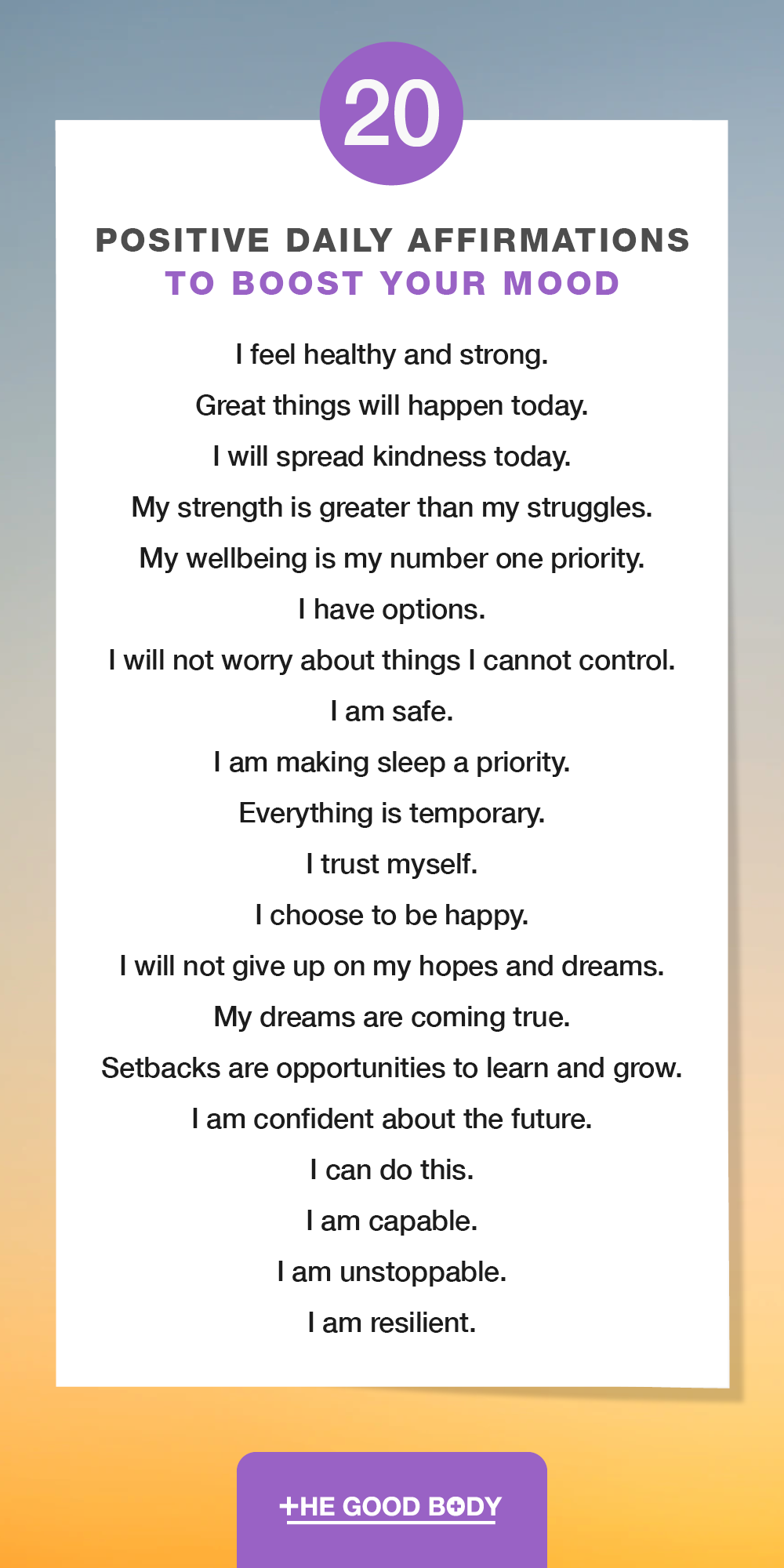
Credit: www.thegoodbody.com
Common Mistakes When Using Affirmations
Many people start using affirmations but give up quickly. Here are mistakes to avoid:
- Too vague: “I want to be happy” is less effective than “I enjoy moments of happiness every day.”
- Negative wording: Avoid “I am not stressed.” Always use positive language.
- Inconsistency: Using affirmations only once in a while won’t help.
- Ignoring feelings: If you feel resistance, adjust the statement.
Remember, affirmations need practice. Like learning a new skill, the more you repeat them, the stronger their effect.
Real-life Examples Of Positive Daily Affirmations
Let’s see how people use affirmations in different situations:
For Confidence
- “I am confident in my abilities.”
- “I trust myself to make good decisions.”
For Stress Reduction
- “I am calm and relaxed.”
- “I breathe deeply and release tension.”
For Motivation
- “I am focused and productive.”
- “I am making progress every day.”
For Self-love
- “I accept myself as I am.”
- “I deserve kindness and respect.”
For Relationships
- “I communicate with clarity and compassion.”
- “I attract positive, supportive people.”
These examples show how affirmations can target specific needs. Whether you want to boost your mood, overcome fear, or improve relationships, tailored affirmations can help.
When And How To Practice Affirmations
Timing matters. Here’s how to build a daily habit:
- Morning routine: Start your day with affirmations to set a positive tone.
- Before challenges: Use affirmations before stressful events (meetings, exams).
- At bedtime: End your day with calming statements for better sleep.
You can repeat affirmations silently, say them aloud, or write them down. Some people use sticky notes, phone reminders, or journals.
A practical tip: Combine affirmations with deep breathing. This makes them more powerful and helps you relax.
Comparing Affirmations To Other Self-help Techniques
Many people use meditation, visualization, or gratitude practices. How do affirmations compare? Here’s a table to help you understand:
| Technique | Main Purpose | Ease of Practice | Time Needed | Best For |
|---|---|---|---|---|
| Affirmations | Change thoughts | Very easy | 1-5 minutes | Mindset, confidence |
| Meditation | Calm mind | Medium | 10-20 minutes | Stress, focus |
| Visualization | Picture goals | Easy | 5-10 minutes | Motivation, success |
| Gratitude | Appreciate life | Easy | 2-5 minutes | Happiness, optimism |
Affirmations are one of the quickest and easiest tools. You don’t need special skills or long periods. For busy people, they fit well into any routine.
The Role Of Affirmations In Mental Health
Mental health experts often use affirmations in therapy. They help clients challenge negative beliefs and build self-compassion. For people with anxiety or depression, affirmations can be a useful support tool.
Studies show that positive self-talk reduces stress and improves well-being. One research found people who used affirmations felt better about themselves and coped better with difficulties.
But affirmations are not a replacement for medical treatment. They are a helpful addition, not a cure. If you have serious mental health concerns, talk to a professional.
How Affirmations Can Support Children And Teens
Affirmations are not only for adults. Children and teenagers also benefit from positive self-talk. Using affirmations helps young people build confidence, handle school stress, and improve social skills.
Some schools teach affirmations as part of emotional learning. Simple phrases like “I am smart” or “I am a good friend” can make a big difference.
A non-obvious insight: When parents and teachers use affirmations themselves, children are more likely to adopt them. Modeling positive self-talk is as important as teaching it.
Using Affirmations At Work
Workplaces can be stressful, with deadlines and pressure. Affirmations help employees stay motivated, handle criticism, and build teamwork.
Examples for work:
- “I am capable of meeting deadlines.”
- “I add value to my team.”
- “I handle feedback with a positive attitude.”
Managers can encourage staff to use affirmations. This creates a supportive environment and improves productivity.
How To Make Affirmations A Habit
Building a new habit takes time. Here’s a step-by-step guide:
- Choose 2-3 affirmations: Start with a few statements that matter to you.
- Set reminders: Use phone alarms or sticky notes.
- Repeat daily: Practice in the morning and evening.
- Track progress: Notice how you feel after one week, then one month.
- Adjust as needed: Change affirmations if they don’t feel right.
A common mistake is trying too many affirmations at once. Focus on quality, not quantity.

Credit: organizedwithkids.com
Measuring The Impact Of Affirmations
How do you know if affirmations are working? Look for these signs:
- You feel more positive or calm.
- You handle stress better.
- You notice less negative self-talk.
- You achieve small goals more easily.
Some people keep a journal to track changes. Writing down feelings before and after practicing affirmations helps measure progress.
Here’s a simple comparison of outcomes:
| Before Affirmations | After Affirmations |
|---|---|
| Frequent self-doubt | Increased confidence |
| High stress levels | Better stress management |
| Negative thinking | Positive mindset |
| Difficulty achieving goals | Motivated to take action |
Advanced Tips For Getting The Most From Affirmations
If you want deeper results, try these advanced methods:
- Visualize while repeating: Imagine yourself living the affirmation.
- Record your voice: Play it back and listen daily.
- Combine with gratitude: Add “I am grateful for my progress.”
- Use movement: Repeat affirmations while walking or exercising.
Another insight: Personalize affirmations for different situations. For example, use “I am calm” before meetings, and “I am strong” before workouts.
The Power Of Written Affirmations
Writing affirmations, not just saying them, can boost their effect. When you write, you focus more and remember better. Keep a notebook and write your daily statements. Review them often.
Some people use affirmation cards. These are small cards with statements you can carry with you. Whenever you need a boost, read your card.
Affirmations And Social Media
Social media is full of affirmation quotes. While these can inspire, they are not always personal. For best results, create your own affirmations. Customize them to your goals and needs.
However, sharing your affirmations online can help you stay accountable. You may also inspire others to start their own habit.
Are Affirmations Right For Everyone?
Most people benefit from affirmations, but results vary. If you feel uncomfortable, start slowly. Choose statements that feel true, even if only a little.
Some people need extra support. If you have deep negative beliefs, combining affirmations with therapy or counseling is helpful.
What Makes Affirmations Powerful?
The strength of affirmations comes from:
- Regular repetition: Daily practice builds new habits.
- Emotional connection: Choose statements that mean something to you.
- Belief: Even partial belief makes affirmations effective.
A non-obvious insight: Saying affirmations with emotion and conviction has more impact than simply repeating words.
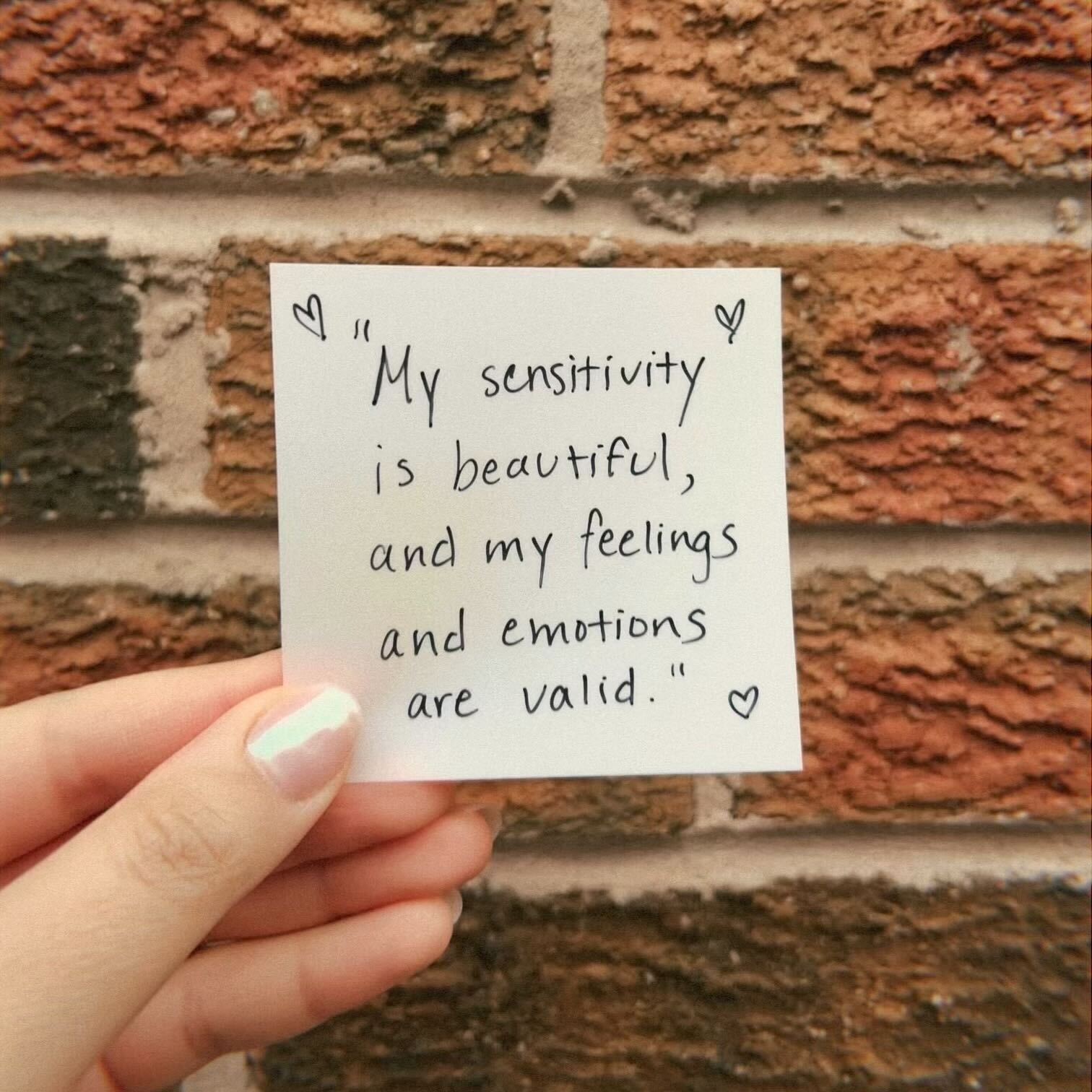
Credit: www.thegoodtrade.com
Positive Daily Affirmations For Different Goals
Here are example affirmations for common goals:
Health
- “I make healthy choices every day.”
- “I am strong and energetic.”
Money
- “I attract financial opportunities.”
- “I manage my money wisely.”
Learning
- “I enjoy learning new things.”
- “I am improving my skills.”
Friendship
- “I am a caring friend.”
- “I build strong, healthy relationships.”
Happiness
- “I find joy in simple moments.”
- “I create happiness in my life.”
How Affirmations Can Help During Difficult Times
Life brings challenges—loss, failure, or disappointment. Affirmations help you focus on hope and resilience. For example:
- “I am stronger than my challenges.”
- “I can handle whatever comes my way.”
A practical tip: During tough times, keep affirmations gentle and realistic. “I am doing my best” is powerful when life feels hard.
Using Affirmations With Meditation
Combining affirmations with meditation deepens their effect. Start by sitting quietly and breathing deeply. Repeat your chosen statement slowly. This calms your mind and helps the affirmation sink in.
Some people use guided meditation apps with affirmations. This makes it easier to stay focused.
The Role Of Affirmations In Sports And Performance
Athletes often use affirmations to build confidence and focus. For example, before a competition, saying “I am ready and prepared” helps reduce nerves.
Coaches teach players to use positive self-talk. This improves performance and helps them recover from setbacks.
Affirmations In Therapy And Counseling
Therapists use affirmations to help clients change negative beliefs. They may ask clients to repeat or write statements that support their goals.
For example, someone struggling with self-worth might use “I am worthy of love and respect. ” Over time, this supports healing and personal growth.
Comparing Affirmations To Negative Self-talk
It’s important to understand the difference. Here’s a simple table:
| Positive Affirmations | Negative Self-Talk |
|---|---|
| Build confidence | Lower self-esteem |
| Reduce stress | Increase anxiety |
| Support growth | Limit progress |
| Encourage action | Cause hesitation |
Replacing negative self-talk with affirmations is a key step in improving mental health.
How Long Does It Take To See Results?
Most people notice small changes within a week or two. For deeper change, practice for at least one month. The longer you use affirmations, the stronger their effect.
A non-obvious insight: Even when you don’t feel immediate results, affirmations are working quietly in your mind. Be patient and trust the process.
Cultural And Historical Perspectives On Affirmations
Affirmations are not new. Many cultures use positive statements for healing and growth. Ancient traditions included spoken mantras or prayers, which are similar to modern affirmations.
Today, psychologists and coaches recommend affirmations for personal development. They are used in schools, workplaces, and therapy.
For more on the psychology of self-talk, see Wikipedia.
Frequently Asked Questions
What Are Positive Daily Affirmations?
Positive daily affirmations are short, encouraging statements you repeat to yourself. They help you focus on your strengths, build confidence, and create a positive mindset.
How Do I Know Which Affirmation To Choose?
Pick affirmations that match your goals and feelings. The statement should feel true or possible to you. If you want more confidence, try “I am confident in my abilities. ”
How Often Should I Practice Affirmations?
For best results, repeat affirmations every day. Morning and evening are good times. You can also use them before stressful events.
Can Affirmations Help With Anxiety And Stress?
Yes, affirmations can reduce anxiety and stress. Calming statements like “I am relaxed and in control” help your mind focus on positive feelings.
Are Affirmations Effective For Children?
Affirmations work well for children and teens. They support confidence, learning, and social skills. Parents and teachers can model and encourage positive self-talk.
Positive daily affirmations are simple tools with powerful effects. Whether you want more confidence, less stress, or better relationships, regular practice can help. Remember, the words you say to yourself matter. Start with a few affirmations, make them a daily habit, and watch your mindset grow stronger.
With patience and consistency, you’ll notice real changes in how you think, feel, and act.
