

What Are Positive Affirmations for Success and Happiness?
What Are Positive Affirmations For
Feeling confident. Reducing stress. Building a better mindset. Many people today are looking for simple tools to create change in their lives. Among these, positive affirmations stand out. You may have heard about repeating short, powerful phrases to yourself, but does it really work? Why do so many successful people talk about affirmations? And how can you use them in your daily routine for real results? This guide will help you understand the world of positive affirmations — not just what they are, but why they matter, how to create them, and how to use them for everything from self-esteem to work success.
Understanding Positive Affirmations
Positive affirmations are statements you say to yourself to challenge negative thoughts and encourage a positive mindset. These are not just “feel good” phrases. When you repeat them regularly, they can help you build new beliefs and habits.
For example, if you often think, “I am not good enough,” you might change that thought to, “I am capable and worthy. ” Over time, these new statements can shape how you see yourself and your abilities.
How Positive Affirmations Work
The human brain is always learning. When you repeat something, your brain forms a new pathway. This is called neuroplasticity. It means your brain can change, even as an adult. Positive affirmations use this power. By repeating positive statements, you can replace old, negative beliefs with new, helpful ones.
For example, someone who says, “I am a calm and focused person,” every morning may notice they feel less anxious over time. This is not magic. It is the result of the mind learning a new pattern.
The Science Behind Affirmations
Several studies show that positive affirmations can have real effects. One research project found that people who practiced self-affirmation had lower stress levels and better problem-solving abilities. Another study saw that affirmations could help people make healthier choices, especially when they felt threatened or stressed.
However, affirmations are most effective when they are believable. If you say something too unrealistic, your mind may reject it. That is why it is important to choose statements that feel possible, even if they are slightly challenging.
Why Use Positive Affirmations?
You might ask, “Are these statements just wishful thinking?” In fact, they offer several benefits:
- Boosting self-esteem: Regular use of positive affirmations can help you see yourself in a better light. This can make it easier to take on new challenges.
- Reducing stress and anxiety: When you repeat calming statements, your mind can shift away from fear and worry.
- Improving focus and motivation: Affirmations remind you of your goals and strengths, keeping you on track.
- Building resilience: Using affirmations can help you recover faster from setbacks by encouraging a growth mindset.
- Supporting habit change: Positive statements can support new behaviors, such as exercising more or eating healthier.
It is important to note that affirmations are not a replacement for medical treatment or therapy. They are one tool among many for personal growth.
Types Of Positive Affirmations
Affirmations are not all the same. Choosing the right type can make a big difference. Here are several common categories:
Self-esteem Affirmations
These are focused on building self-worth. Examples include:
- “I am worthy of love and respect.”
- “I trust myself and my decisions.”
Success And Career Affirmations
These help you stay motivated and confident at work or in school:
- “I am capable of achieving my goals.”
- “I handle challenges with skill.”
Health And Wellness Affirmations
For building healthy habits and a positive view of your body:
- “My body is strong and healthy.”
- “I make choices that support my well-being.”
Relationship Affirmations
To support healthy connections with others:
- “I communicate clearly and listen with empathy.”
- “I attract kind and loving people.”
Stress Reduction Affirmations
Useful for calming the mind during tough moments:
- “I am calm and in control.”
- “With each breath, I feel more at peace.”
Customizing Affirmations
It is important that affirmations feel personal. You can change words or phrases to fit your life. For example, instead of saying, “I am a successful leader,” you might say, “I am growing as a leader every day. ”
How To Create Effective Positive Affirmations
Not all affirmations are equally helpful. Some work better because they are specific, believable, and positive.
Key Principles For Creating Affirmations
- Keep it positive: Use words that focus on what you want, not what you do not want. Say, “I am confident,” instead of, “I am not afraid.”
- Use present tense: State affirmations as if they are already true. For example, “I am healthy,” not “I will be healthy.”
- Make it personal: Use the word “I” to connect the statement to yourself.
- Be specific: The more detailed, the better. “I enjoy speaking in meetings” is stronger than “I am confident.”
- Keep it short: Simple phrases are easier to remember and repeat.
Examples Of Well-written Affirmations
- “I am proud of the progress I make every day.”
- “I enjoy taking care of my health.”
- “I am open to new opportunities.”
Common Mistakes When Writing Affirmations
Many beginners create statements that do not help. Here are mistakes to avoid:
- Writing long or complicated sentences.
- Using negative words like “not” or “never.”
- Choosing statements that feel impossible to believe.
- Forgetting to update affirmations as life changes.
How To Use Positive Affirmations In Daily Life
Creating affirmations is only the first step. The real power comes from using them every day.
Building An Affirmation Routine
- Choose a regular time: Many people use affirmations in the morning or before bed.
- Repeat out loud or silently: Saying affirmations out loud can make them feel more real, but silent repetition also works.
- Write them down: Some people keep a journal of their favorite affirmations.
- Combine with visualization: Imagine yourself acting out the affirmation as you say it.
- Stay consistent: Use the same affirmations for at least a few weeks before changing them.
Example Daily Affirmation Practice
- Wake up and repeat three key affirmations in front of a mirror.
- Write down one affirmation in your planner or notebook.
- During stressful moments, repeat a calming affirmation.
- Before sleep, reflect on your affirmations and notice any small changes in your thinking.
Where To Use Affirmations
Affirmations are flexible. You can use them:
- At home, before starting your day.
- At work, especially before meetings or presentations.
- In the car or on public transport.
- During exercise or meditation.
Some people even set reminders on their phone or computer, so they remember to practice throughout the day.
Positive Affirmations For Different Life Situations
Affirmations can help in many areas of life. Here are some practical examples:
Affirmations For Self-confidence
- “I trust my abilities.”
- “I am proud of who I am.”
These are helpful before interviews, public speaking, or trying something new.
Affirmations For Managing Stress
- “I am calm and centered.”
- “I let go of what I cannot control.”
Use these before exams, during busy workdays, or when facing family challenges.
Affirmations For Physical Health
- “I respect my body and treat it well.”
- “I am strong and full of energy.”
They can motivate you to exercise, eat better, or rest.
Affirmations For Relationships
- “I am a caring and supportive friend.”
- “I deserve healthy, loving relationships.”
They remind you to act with kindness and set healthy boundaries.
Affirmations For Work And Study
- “I focus well and complete my tasks.”
- “I learn from mistakes and keep improving.”
Useful when you need to stay motivated or recover from setbacks.
Affirmations For Change And Growth
- “I am open to change and new ideas.”
- “I grow stronger with every challenge.”
Perfect for times when life feels uncertain.
Data And Statistics: The Impact Of Affirmations
Many people want to know, “Do affirmations really work? ” Let’s look at some data.
| Study/Survey | Key Finding |
|---|---|
| Self-Affirmation and Stress | People using affirmations had 47% lower stress in high-pressure tasks. |
| Health Behavior Change | Affirmations increased healthy choices by 35% when paired with education. |
| Self-Esteem Levels | Daily affirmations raised self-esteem scores by up to 23% after 30 days. |
These numbers show that, for many people, affirmations can bring real improvements.
Who Benefits Most?
Not everyone gets the same results. People who are open to new ideas and practice regularly usually see the biggest changes. Those who struggle with very low self-esteem may need to start with smaller, more believable statements.
Comparing Affirmation Methods
There are several ways to use affirmations. Some work better for certain people or situations.
| Method | How It Works | Best For |
|---|---|---|
| Spoken Repetition | Say affirmations out loud, often in front of a mirror. | Building confidence, self-acceptance. |
| Written Repetition | Write affirmations by hand several times daily. | Learning new beliefs, changing habits. |
| Visualization | Picture yourself living the affirmation as you repeat it. | Achieving goals, reducing anxiety. |
| Digital Reminders | Use phone/computer alerts with affirmations. | Staying consistent, busy schedules. |
You can use one method or combine several to see what works best for you.
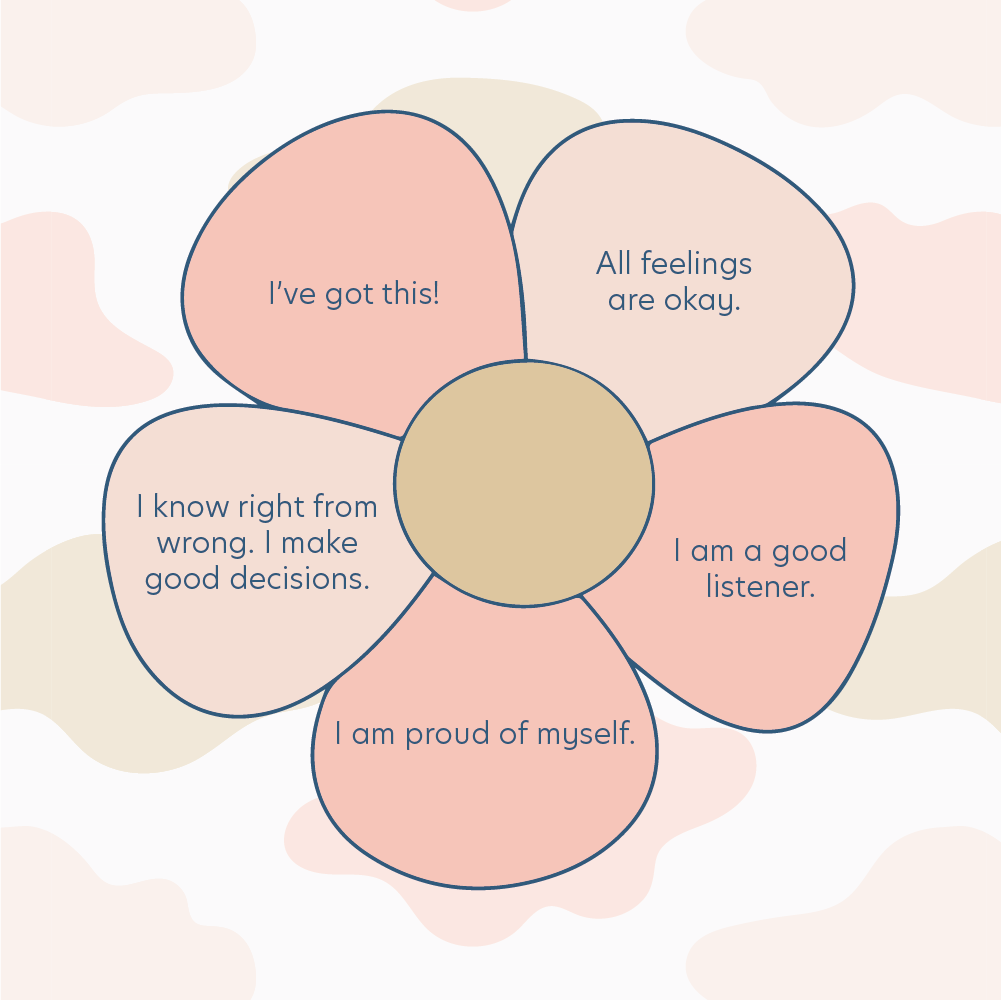
Credit: brightpathkids.com
Common Myths About Positive Affirmations
Some people feel unsure about affirmations. Let’s clear up a few misunderstandings:
- “Affirmations are just wishful thinking.”
- In reality, affirmations work best when connected to action. They help you change your mindset, but you still need to work toward your goals.
- “You have to believe the affirmation fully right away.”
- It’s normal to feel doubt at first. With time and repetition, affirmations can become more believable.
- “Affirmations replace real problems with fake positivity.”
- Affirmations are not about ignoring problems. They help you focus on solutions and strengths, making it easier to handle challenges.
- “Everyone sees instant results.”
- Like any habit, change takes time. Most people notice small shifts before big changes.
- “Affirmations are only for people with low self-esteem.”
- Anyone can use affirmations to build confidence, reach goals, or handle stress.
Practical Tips For Getting Results
To make the most of affirmations, consider these expert suggestions:
Start Small
If large statements feel false, begin with softer phrases. Instead of, “I love myself completely,” try, “I am learning to accept myself. ”
Make It A Habit
Tie affirmations to a daily activity, such as brushing your teeth or drinking morning coffee.
Track Progress
Notice changes in mood, confidence, or behavior. Write down your experiences weekly.
Adjust As Needed
If an affirmation stops helping, change it. Your needs and goals may shift over time.
Ask For Support
Share your affirmations with a trusted friend or coach. They can encourage you and keep you accountable.
Real-life Examples And Stories
Hearing how others use affirmations can inspire your own practice. Here are a few examples:
- Maria, a nurse, felt overwhelmed at work. She used the affirmation, “I handle stress with grace.” After a month, she noticed she was less reactive during emergencies.
- Jamal, a college student, struggled with public speaking. He repeated, “I speak clearly and confidently.” With practice, he started volunteering for presentations.
- Sophie, a new parent, felt unsure about her parenting skills. Her affirmation, “I am a loving and patient parent,” helped her stay calm during tough moments.
These stories show that affirmations can help people in many walks of life, not just in moments of crisis.
Affirmations Vs. Other Mindset Tools
Affirmations are one way to build a better mindset. How do they compare to other techniques?
| Tool | Main Focus | Strengths | Limitations |
|---|---|---|---|
| Positive Affirmations | Changing self-talk and beliefs | Simple, flexible, free | Works best with consistency |
| Gratitude Journaling | Focusing on positive experiences | Improves mood, reduces stress | Requires writing time daily |
| Mindfulness Meditation | Staying present and aware | Reduces anxiety, improves focus | Some find it hard to practice regularly |
| Therapy/Counseling | Addressing deep issues | Professional support, tailored advice | Can be costly, time commitment |
For many, combining two or more tools gives the best results.
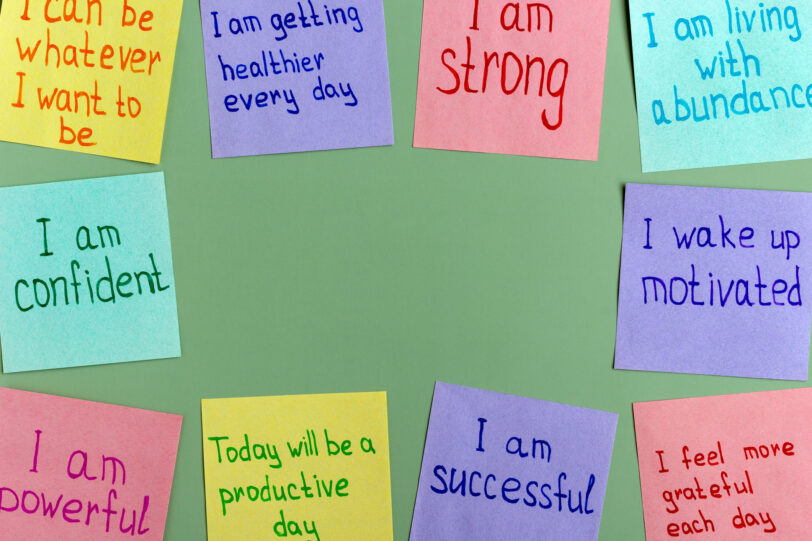
Credit: www.cheservices.com
Non-obvious Insights For Beginners
Most beginners focus only on repeating affirmations, but here are extra tips that can boost your results:
- Pair affirmations with action. If your affirmation is “I am healthy,” follow it with a small healthy choice, like drinking water or taking a walk. Action makes the statement more real to your brain.
- Change your environment. Place affirmation notes where you see them often: On your mirror, desk, or refrigerator. This gentle reminder helps keep your mind focused, even during busy days.
Another insight: affirmations can be shared. If you have a family, try saying a group affirmation at breakfast. This builds a positive atmosphere for everyone.
The Limits Of Positive Affirmations
While affirmations are powerful, they are not a cure-all. They work best for:
- Shifting your mindset
- Supporting new habits
- Reducing stress in daily life
However, for deep emotional pain, mental health conditions, or trauma, professional support is often needed. Affirmations can be part of a bigger healing plan, but not the only solution.
It’s also normal to hit plateaus. If you feel stuck, try changing your affirmations, talking to someone you trust, or combining affirmations with other tools like journaling or meditation.
Resources For Learning More
If you want to dive deeper, there are many books, podcasts, and online guides about affirmations and mindset. For scientific research, the Wikipedia page on affirmations offers a good starting point.
Apps for affirmations can also help, offering daily reminders and guided practices. Just remember, the most important tool is your own willingness to practice and grow.
Frequently Asked Questions
What Are The Best Times To Use Positive Affirmations?
The most effective times are when you wake up and before you go to sleep. These moments are when your mind is most open to new ideas. You can also use affirmations before stressful events, like presentations or exams, or whenever you notice negative thinking.
Can Positive Affirmations Change My Life?
Affirmations can shift how you see yourself and the world. Over time, they can build confidence, reduce stress, and support new habits. But they work best when you also take action toward your goals.
What If I Don’t Believe My Affirmation?
It’s normal to feel doubt at first. Start with smaller statements you can accept, like “I am learning to be more confident. ” As your belief grows, you can use stronger affirmations.
How Many Affirmations Should I Use Each Day?
Most experts suggest starting with 2–5 affirmations. Too many can feel overwhelming. Focus on the areas that matter most to you, and repeat them daily for best results.
Are Affirmations A Replacement For Therapy Or Medication?
No. Affirmations are a self-help tool for mindset and motivation. If you have a mental health condition or serious stress, always seek advice from a healthcare professional.
---
Positive affirmations are more than just “positive thinking. ” They are a practical, flexible tool for building a better mindset and facing life’s challenges. When used with intention and consistency, they can help you grow, learn, and handle stress with more confidence.
Remember, change takes time, but small steps every day can lead to a stronger, more positive you.

Credit: wholeheartedschoolcounseling.com
