

Self-Worth Affirmations: Transform Your Confidence Daily
Self-worth Affirmations: How To Build Confidence And Value Yourself
Feeling good about yourself is not always easy. Many people struggle with self-worth, especially in today’s fast-paced world. Our minds can fill with negative thoughts, comparisons, and doubts. You might ask yourself, “Am I good enough? ” or “Do I deserve happiness?
” These questions can drain your energy and confidence.
But there is a simple tool that can help: self-worth affirmations. These are positive statements you say to yourself to build your belief in your own value. You don’t need to be a therapist or a coach to use them. Anyone can practice affirmations and see real results. With the right approach, affirmations can change the way you think, feel, and act.
This article will guide you through what self-worth affirmations are, why they matter, how to use them, and how to make them work for you. You’ll learn practical tips, see examples, and understand common mistakes to avoid. By the end, you’ll have a clear plan for boosting your confidence and valuing yourself more every day.
Understanding Self-worth
Self-worth is how much you value yourself as a person. It’s not about what you own, what you do, or how others see you. It’s about believing you are important, worthy, and good just as you are.
People with strong self-worth:
- Feel confident in their choices
- Can handle mistakes and setbacks
- Treat themselves kindly
- Don’t need approval from others to feel good
Low self-worth can lead to:
- Doubting yourself
- Feeling anxious or sad
- Avoiding challenges
- Comparing yourself to others
Self-worth is different from self-esteem. Self-esteem often comes from achievements or praise. Self-worth is deeper. It is the belief that you are valuable, no matter what.
Why Self-worth Matters
Healthy self-worth affects every part of life:
- Relationships: You set healthy boundaries and don’t accept poor treatment.
- Work: You believe in your abilities and aim higher.
- Mental health: You feel less anxious and more resilient.
- Personal growth: You try new things and don’t fear failure.
Research shows that people with strong self-worth are happier, less stressed, and more successful. One study found that people who practiced positive self-talk saw a 32% increase in life satisfaction compared to those who did not.
What Are Self-worth Affirmations?
Affirmations are short, positive statements. They help you focus on your strengths and remind you of your value. When you repeat them often, they can change your thinking and help you feel better about yourself.
Examples of self-worth affirmations:
- “I am worthy of love and respect.”
- “I believe in my abilities.”
- “I accept myself fully.”
- “My value does not depend on others.”
Affirmations are not magic. You don’t become confident just by saying words. But, when used correctly, affirmations can help you challenge old beliefs and replace them with healthier ones.
How Affirmations Work
When you say an affirmation, you send a positive message to your brain. Over time, your mind starts to believe these messages. This process is known as neuroplasticity. Your brain can change and grow, building new pathways that support positive thinking.
Studies show that regular use of affirmations can:
- Lower stress
- Improve mood
- Increase confidence
- Help you take positive actions
But, to see results, you need to practice affirmations regularly and believe in their meaning.
Common Self-worth Challenges
Many people struggle with self-worth for different reasons. Understanding these challenges can help you use affirmations more effectively.
Negative Self-talk
Your mind can be your worst critic. You might think, “I always mess up,” or “I’m not smart enough. ” These thoughts can become habits and affect how you feel.
Past Experiences
Childhood memories, mistakes, or harsh words from others can shape your self-worth. Sometimes, you hold on to these feelings for years.
Social Comparison
Social media and society often make you compare yourself to others. You might feel you need to look or act a certain way to be valuable.
Perfectionism
Wanting everything to be perfect can make you feel like you’re never good enough. This mindset can hurt your self-worth.
External Validation
Relying on praise or approval from others can make your confidence shaky. If you don’t get positive feedback, you might feel less valuable.
How To Create Effective Self-worth Affirmations
Not all affirmations work the same way. To be effective, they need to fit you and your needs. Here are steps to create powerful affirmations:
- Be Positive: Use words that focus on what you want, not what you fear. Example: “I am capable,” not “I am not weak.”
- Keep It Simple: Short statements are easier to remember and repeat.
- Use Present Tense: Say “I am” instead of “I will be.” This helps your brain see the affirmation as true now.
- Make It Personal: Choose words that feel real to you. If “I am unstoppable” feels fake, use “I am strong” instead.
- Focus on Feelings: Include how you want to feel. Example: “I feel proud of myself.”
- Avoid Comparisons: Don’t use affirmations that compare you to others.
Example Affirmations For Self-worth
Here are some sample affirmations you can use or adapt:
- “I am enough just as I am.”
- “I deserve happiness and success.”
- “I trust myself to make good choices.”
- “I am proud of who I am becoming.”
- “I am valuable, no matter what others think.”
If you want to create your own, try writing down what you wish you felt. Then, turn that into a positive statement.
Using Self-worth Affirmations In Daily Life
Practicing affirmations is simple, but doing it consistently is key. Here’s how to make affirmations part of your routine:
Morning Routine
Start your day with affirmations. Say them out loud while getting ready or looking in the mirror. This sets a positive tone for your day.
Journaling
Write your affirmations in a journal. This helps you focus and remember them. Some people write the same affirmation daily until they believe it.
Meditation
Repeat affirmations during meditation. Close your eyes, breathe deeply, and focus on each word. This calms your mind and makes the affirmation stronger.
Phone Reminders
Set reminders on your phone to say your affirmation. When you see the alert, take a moment to repeat it.
Affirmation Cards
Write affirmations on cards and place them where you see them often: your desk, bathroom, or wallet.
Visual Tools
Create a vision board with your affirmations and pictures that represent your goals.
With Others
Share affirmations with family or friends. Saying them together can build support and make them feel more real.
When Facing Challenges
Use affirmations during tough times. When you feel nervous or upset, repeat your affirmation to ground yourself.
Science Behind Affirmations
Many people wonder if affirmations really work. Studies show they can help, but they are not a cure-all.
A study by the University of Pennsylvania found that people who practiced affirmations before stressful events felt less anxious and performed better. Another research from Stanford showed that affirmations can help reduce negative self-talk and increase resilience.
But, affirmations work best when you:
- Use them regularly
- Believe in their message
- Combine them with other positive actions
Here’s a comparison of how affirmations can impact self-worth versus other methods:
| Method | Impact on Self-Worth | Time to See Results |
|---|---|---|
| Affirmations | Moderate to High | 2–4 weeks |
| Therapy | High | 4–12 weeks |
| Self-Help Books | Low to Moderate | 4–8 weeks |
| Social Support | Moderate | Immediate to 2 weeks |
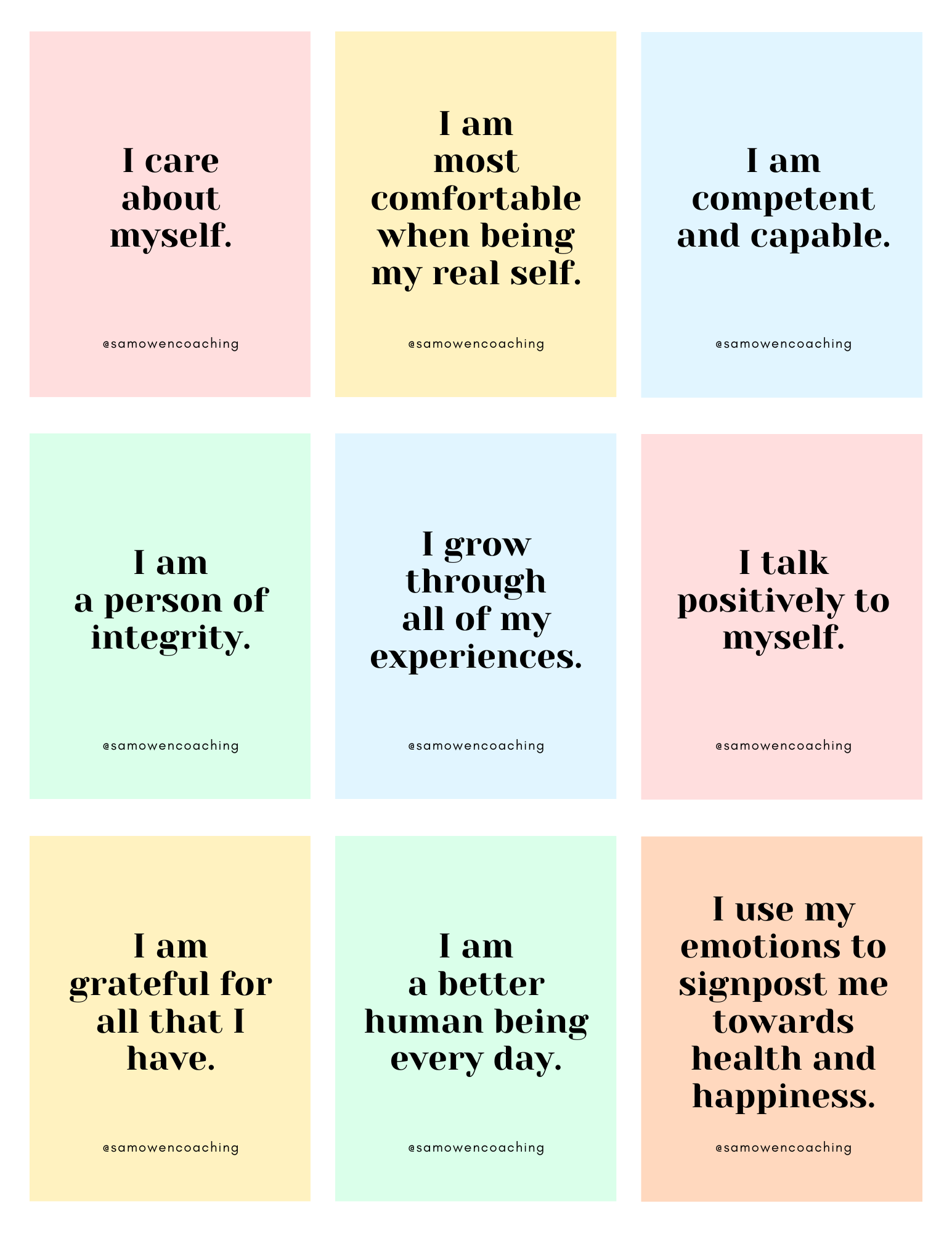
Credit: www.relationshipscoach.co.uk
Practical Tips To Make Affirmations Work
Many beginners miss these important steps. If you want real results, try these tips:
1. Choose Affirmations That Feel True
If your affirmation feels fake or forced, it won’t work. Start with statements that you can believe at least partly. For example, instead of “I am perfect,” try “I am learning every day. ”
2. Repeat Often, But Mindfully
Saying affirmations quickly or without thinking will not help. Focus on each word and its meaning. Feel the emotion behind the statement.
3. Combine With Actions
Affirmations alone are not enough. Take small steps that support your statement. If your affirmation is “I am capable,” try a new task or skill.
4. Track Your Progress
Keep a record of your feelings and actions. Notice changes in your mood or confidence. This helps you see if your affirmations are working.
5. Adjust As Needed
Your needs may change. Update your affirmations as you grow. If one stops working, try a new one.
Mistakes People Make With Affirmations
Affirmations can be powerful, but only if used correctly. Here are common mistakes:
- Choosing unrealistic affirmations: Statements that feel impossible can make you feel worse.
- Repeating without belief: If you don’t believe your affirmation, it won’t stick.
- Ignoring negative feelings: Pretending you never feel bad can lead to frustration.
- Expecting instant results: Affirmations take time. Be patient.
- Using negative wording: Avoid phrases like “I’m not afraid.” Focus on what you want.
Examples: Real-life Stories
Sometimes, seeing how others use affirmations can help. Here are two examples:
Anna’s Story
Anna struggled with self-doubt after losing her job. She felt she was not good enough. Her therapist suggested daily affirmations. Anna started with “I am resilient. ” She wrote it in her journal every morning. After a month, Anna noticed she felt more hopeful.
She began applying for jobs with more confidence and finally landed a new role.
Jason’s Story
Jason always compared himself to others on social media. He felt less successful. He started repeating “I am valuable for who I am. ” He put this affirmation on his phone. Whenever he felt insecure, Jason would read it. Over time, he stopped comparing himself and felt happier.
These stories show that affirmations, when used consistently, can change how you feel and act.
How To Measure Your Progress
You may wonder if affirmations are helping you. Here are ways to check your progress:
Mood Tracking
Keep a simple diary of your daily mood. Notice if you feel happier, less anxious, or more confident.
Self-assessment Table
Use a table to track changes in your self-worth over time:
| Week | Confidence Level (1-10) | Self-Talk (Positive/Negative) | Actions Taken |
|---|---|---|---|
| 1 | 4 | Mostly Negative | Few |
| 2 | 6 | Balanced | Some |
| 3 | 8 | Mostly Positive | Many |
Feedback From Others
Ask trusted friends or family if they notice changes in your attitude or behavior. Sometimes, others see progress before you do.
Personal Achievements
Notice if you try new things, set boundaries, or take better care of yourself. These are signs that your self-worth is growing.
Comparing Self-worth Affirmations To Other Tools
Self-worth affirmations are not the only way to build confidence. Here’s how they compare to other popular methods:
| Tool | Ease of Use | Cost | Best For |
|---|---|---|---|
| Affirmations | Very Easy | Free | Daily practice |
| Therapy | Requires Appointment | High | Deep issues |
| Coaching | Moderate | Medium to High | Goal setting |
| Books | Easy | Low | Learning |
| Meditation | Easy | Free/Low | Stress reduction |
Affirmations stand out because they are simple, free, and can be used any time. But combining them with other tools can make your growth even faster.
Advanced Affirmation Techniques
Once you are comfortable with basic affirmations, you can try advanced methods:
Visualization
Imagine yourself living your affirmation. If your affirmation is “I am confident,” picture yourself speaking in public or taking on new tasks. This makes the affirmation more powerful.
Affirmation Audio
Record yourself saying your affirmations. Play them during your commute or while relaxing. Hearing your own voice can make the message stronger.
Group Affirmations
Join a group or workshop that practices affirmations together. Sharing with others builds accountability and support.
Affirmation Apps
There are apps that send daily affirmations or help track your progress. These tools keep you motivated and consistent.
Combining Affirmations With Gratitude
Write one affirmation and one thing you are grateful for each day. This doubles the positive effect and helps shift your mindset faster.
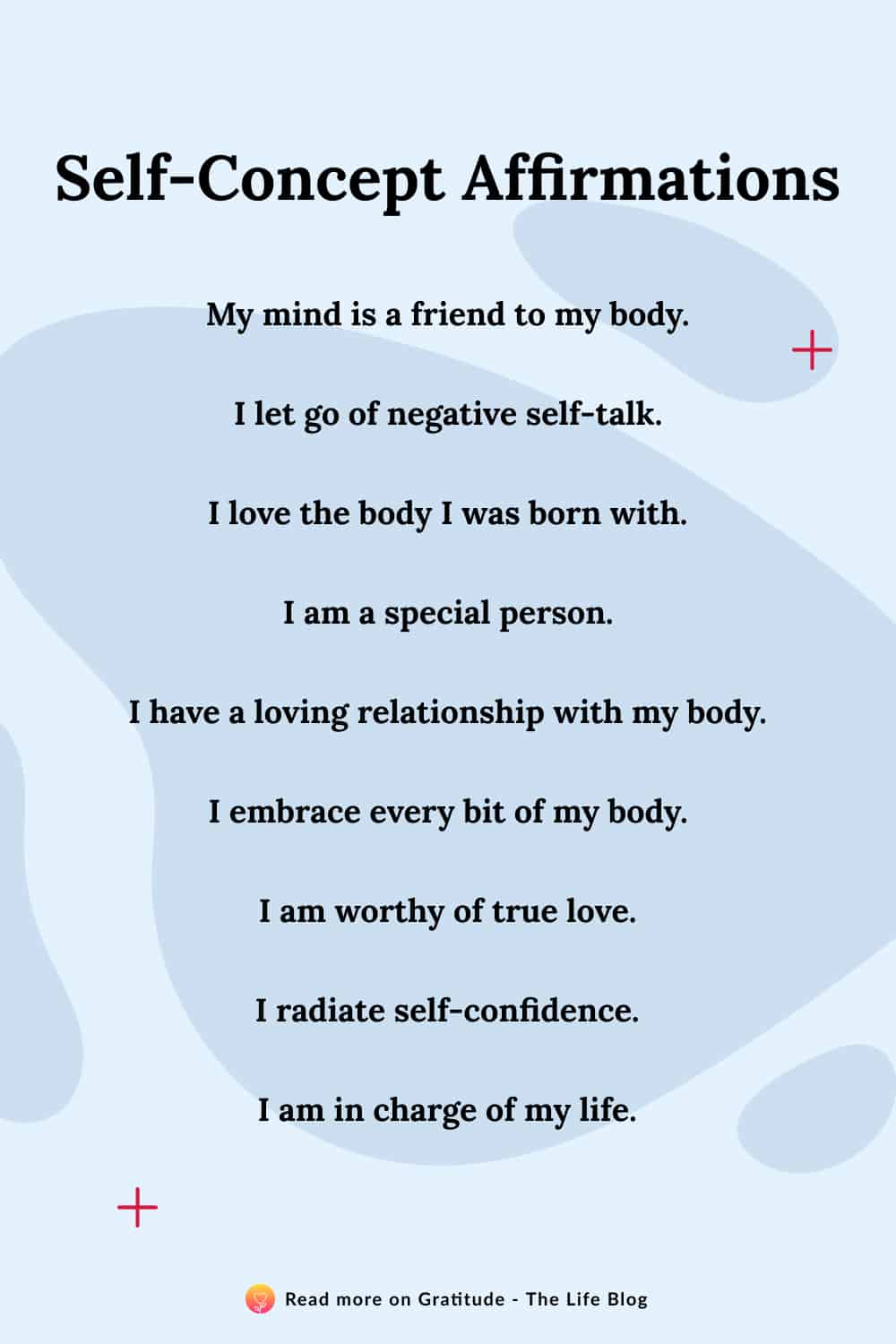
Credit: blog.gratefulness.me
Choosing The Right Affirmations For You
With so many affirmations, it can be hard to know which to use. Here’s how to choose:
- Identify your challenge: Are you struggling with confidence, fear, or self-acceptance?
- Match the affirmation: Pick a statement that addresses your challenge.
- Test it: Try the affirmation for a week. Notice how you feel.
- Adjust as needed: If it doesn’t help, try a new one.
Personalization is key. Your affirmation should speak to your needs and feelings.
How Affirmations Affect Your Daily Life
Using affirmations can bring changes you might not expect. Here are some non-obvious benefits:
- Better decision-making: When you believe in your worth, you make choices that suit you, not just please others.
- Improved relationships: Healthy self-worth helps you set limits and ask for respect.
- More energy: Positive self-talk can reduce stress and boost motivation.
- Less procrastination: Believing in yourself helps you start tasks without fear.
- Greater resilience: You bounce back from setbacks more quickly.
These benefits often appear slowly, but they are lasting.
When Affirmations Are Not Enough
Sometimes, affirmations alone are not enough. If you feel stuck or overwhelmed, consider seeking help from a counselor or therapist. Deep wounds may need professional support. Affirmations can be part of your healing, but they are not a substitute for expert help.
Frequently Asked Questions
What Is The Best Time To Practice Self-worth Affirmations?
The best time is when you feel calm and focused. Many people use affirmations in the morning to start their day positively. Others use them before bed to end the day on a good note. You can also repeat affirmations during stressful moments.
The key is consistency.
How Long Does It Take To See Results From Affirmations?
Most people notice some changes in 2–4 weeks. This depends on how often you practice and how much you believe in your affirmations. Progress may be slow at first, but regular practice brings lasting results.
Can Affirmations Work For Everyone?
Affirmations can help most people, but they are not a one-size-fits-all solution. If you have deep emotional wounds or mental health issues, affirmations may not be enough. In such cases, it’s best to combine them with professional support.
Are There Scientific Studies Supporting Affirmations?
Yes, research shows that affirmations can reduce stress, increase confidence, and improve mood. For example, studies from universities like Stanford and Penn have found positive effects. You can read more on National Institutes of Health.
Can Children And Teens Use Self-worth Affirmations?
Absolutely. Affirmations can help young people build confidence and handle challenges. For children, use simple and clear statements. Encourage them to repeat affirmations daily and support them with positive feedback.
Feeling valuable and confident is possible for everyone. Self-worth affirmations are a simple, practical tool you can use every day. By choosing the right statements, practicing consistently, and combining them with positive actions, you can build a stronger sense of self-worth.
Remember, you are worthy just as you are. Start today, and let your affirmations help you grow into your best self.

Credit: solightlylivingjournals.com
