

Self Worth Affirmations: Boost Confidence and Embrace Your Value
Self Worth Affirmations: A Complete Guide to Building Confidence and Value
Feeling confident about yourself isn’t always easy. Many people struggle with self worth—the sense that you are valuable and deserve happiness. If you find yourself doubting your abilities or feeling like you’re “not enough,” you are not alone. Learning to trust your value is a journey, not a one-time event. One powerful tool you can use along the way is self worth affirmations.
Affirmations are positive statements you repeat to yourself. These statements help train your mind to focus on your strengths and remind you of your true value. Over time, this practice can shift the way you think, feel, and act—helping you build real confidence and self-love.
This article will show you how self worth affirmations work, how to use them, and why they matter. You’ll learn practical steps, see examples, and find answers to common questions. Whether you want to feel more confident at work, improve your relationships, or simply be kinder to yourself, you’ll find tools and insights here to start your journey.
Understanding Self Worth
Self worth is the belief that you are inherently valuable—not because of what you do, but simply because you exist. It’s different from self-esteem, which often depends on achievements or how others see you. With strong self worth, you can handle setbacks, criticism, or failures without feeling broken or unworthy.
Many people grow up with beliefs that lower their sense of worth. Maybe you were criticized, ignored, or compared to others. These experiences can create negative self-talk and doubt. But the good news is that your sense of worth can be rebuilt.
Why Self Worth Matters
Low self worth can affect every area of life. People with low self worth may:
- Avoid challenges because they fear failure
- Stay in unhealthy relationships
- Settle for less in work or life
- Criticize themselves harshly
- Feel anxious or depressed
On the other hand, healthy self worth leads to:
- Better decision-making
- More resilience in tough times
- Greater happiness and satisfaction
- Healthier relationships
How Affirmations Shape Self Worth
Affirmations are simple, but their effect can be profound. When you repeat a positive statement about yourself, you challenge old beliefs and create space for new ones. Over time, your brain starts to accept these new ideas as true.
The Science Behind Affirmations
Studies show that affirmations can help reduce stress and improve well-being. Neuroscience research suggests that when you repeat positive statements, your brain can form new neural pathways. This process is called neuroplasticity—your brain’s ability to change and adapt.
One study published in the journal Social Cognitive and Affective Neuroscience found that self-affirmation activates areas of the brain linked to self-processing and reward. This means that practicing affirmations can actually make you feel better about yourself and more open to growth.
Why Affirmations Work For Self Worth
Negative self-talk is like a broken record playing in your mind. Affirmations give you a new script—one that supports, encourages, and uplifts you. By focusing on your strengths and values, you shift your attention away from flaws and mistakes.
However, affirmations are not magic. They work best when you use them consistently and combine them with action. For example, saying “I am worthy of respect” is powerful, but it’s even more effective when you also set boundaries and treat yourself kindly.
Crafting Effective Self Worth Affirmations
Not all affirmations are equally helpful. For an affirmation to work, it should feel believable, specific, and positive. Here’s how to create affirmations that actually make a difference.
Key Elements Of Strong Affirmations
- Present tense: Use “I am” or “I have,” not “I will” or “I want.”
- Positive language: Focus on what you want, not what you’re avoiding.
- Personal: Speak to your own experience and values.
- Simple and clear: Short statements are easier to remember and repeat.
Examples Of Self Worth Affirmations
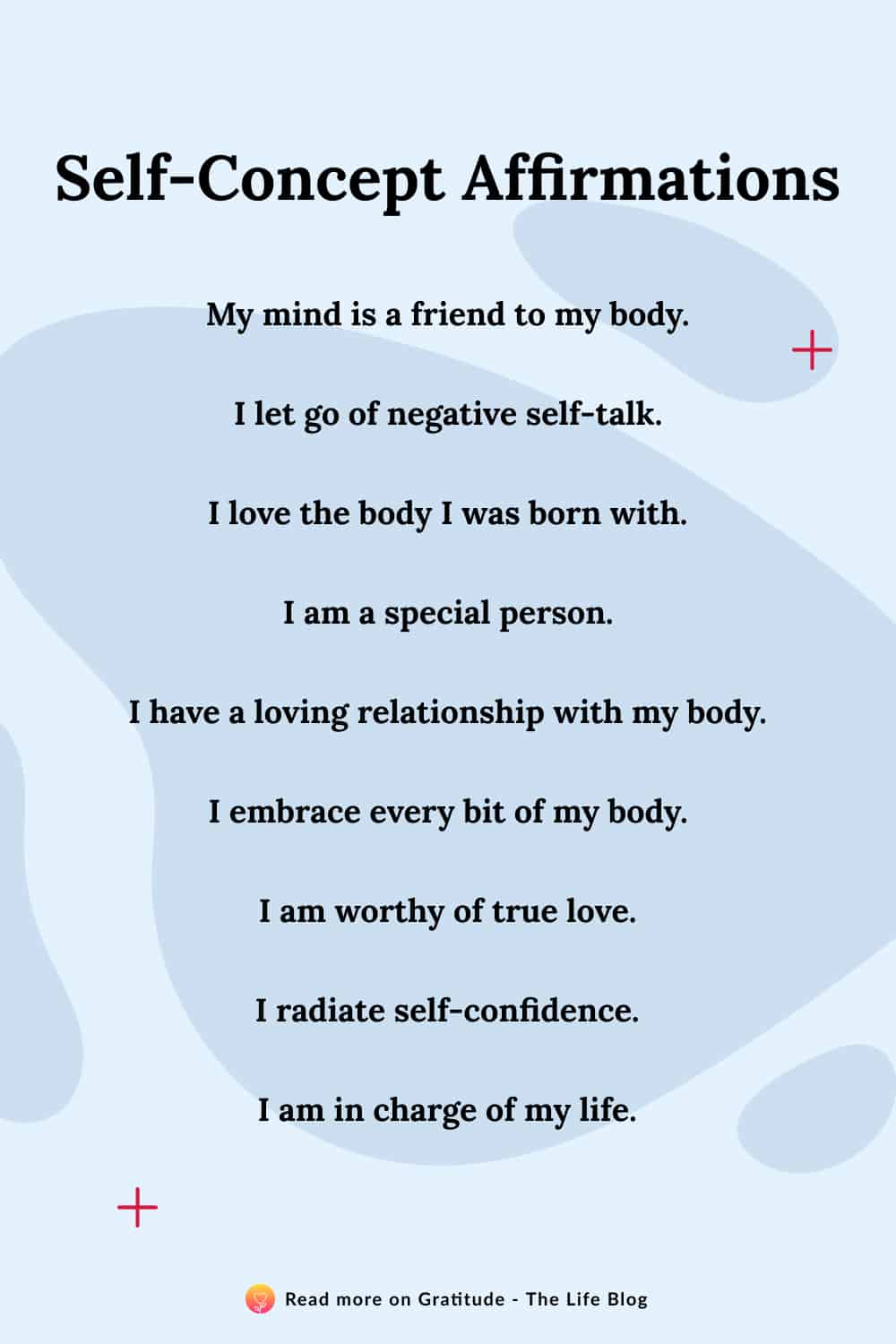
Here are some examples you can try:
- I am worthy of love and respect.
- My value is not defined by my mistakes.
- I am enough just as I am.
- I trust myself to make good choices.
- My feelings and needs are important.
- I deserve happiness and success.
- I am proud of who I am becoming.
If an affirmation feels fake or uncomfortable, try adjusting it. For example, if “I love myself completely” is too hard right now, start with “I am learning to accept myself. ”
Common Myths About Self Worth Affirmations
Many people are skeptical about affirmations. Let’s look at some common myths and the truth behind them.
Myth 1: Affirmations Are Just Wishful Thinking
Some believe affirmations are empty words. In reality, affirmations help retrain your thinking. When you repeat a positive statement with intention, your brain pays attention. Over time, this can shift the way you view yourself.
Myth 2: Affirmations Work Instantly
Affirmations are not a quick fix. You won’t feel a sudden rush of confidence after one day. Like any skill, building self worth takes time and practice. The key is consistency.
Myth 3: You Must Believe Every Affirmation
You do not need to believe an affirmation 100% for it to work. The goal is to open your mind to new possibilities. If an affirmation feels too far from your reality, make it gentler. For example, “I am learning to value myself” is a good starting point.
Practical Steps To Start Using Affirmations
Ready to try affirmations? Here’s a step-by-step approach to make them part of your daily life.
1. Choose Your Affirmations
Pick 3–5 affirmations that feel meaningful to you. Write them down, or select from the list above. Make sure they focus on self worth—your inherent value, not just your achievements.
2. Set A Routine
Practice your affirmations at the same time each day. Morning is a popular choice, but anytime works. Repeat each affirmation slowly and clearly, at least three times.
3. Say Them Out Loud
Speaking affirmations out loud adds power. Hearing your own voice makes the words more real. If you can’t speak aloud, try whispering or mouthing the words.
4. Write Them Down
Writing helps reinforce the message. Try journaling your affirmations, or write them on sticky notes where you’ll see them.
5. Visualize And Feel
As you repeat each affirmation, imagine what it feels like if it were true. Visualize yourself living with confidence and self worth. This activates more parts of your brain and deepens the experience.
6. Combine With Action
Affirmations are more effective when you act in ways that support your self worth. For example, if you say “I deserve respect,” set a boundary with someone who treats you poorly.
7. Track Your Progress
Notice any changes in your thoughts, feelings, or actions. Celebrate small wins, like speaking up or being kinder to yourself.
Real-life Examples Of Self Worth Affirmations In Action
Affirmations are not just theory—they work in real life. Here are two stories that illustrate their impact.
Case Study: Overcoming Fear Of Public Speaking
Maria struggled with anxiety whenever she had to speak in meetings. She always thought, “I’m not good enough. I’ll mess up. ” With guidance, she started using the affirmation, “I am confident in my voice and ideas. ”
At first, it felt strange, but she repeated it every morning. She also wrote it on a card she kept in her bag. After a few weeks, Maria noticed she felt less nervous. She began sharing her ideas more often.
The shift wasn’t instant, but the affirmation helped her focus on her strengths, not her fears.
Case Study: Building Self Worth After A Breakup
After a difficult breakup, James felt worthless and rejected. He began using affirmations like, “My worth is not defined by others,” and “I am deserving of love. ” He said them each night before bed and wrote them in his journal.
Over time, James started to see the breakup as an opportunity for growth. He treated himself with more kindness and eventually felt ready to date again—with a stronger sense of self.
Credit: blog.gratefulness.me
Integrating Affirmations Into Your Life
To get the most from affirmations, you need to make them a habit. Here are ways to weave them into your day.
Morning Routines
Start your day by repeating your affirmations while looking in the mirror. This can set a positive tone for the hours ahead.
Throughout The Day
Set reminders on your phone or post sticky notes where you’ll see them—on your desk, fridge, or bathroom mirror. Each time you notice an affirmation, pause and repeat it to yourself.
Before Bed
End your day by saying your affirmations as part of a bedtime routine. This helps your mind process positive thoughts as you sleep.
During Stressful Moments
When you feel self-doubt or anxiety, pause and use an affirmation. For example, before a presentation, repeat, “I am prepared and capable. ” This grounds you in your value and abilities.
Comparing Affirmations With Other Self Worth Tools
Affirmations are powerful, but they’re not the only way to build self worth. Here’s a look at how they compare with other methods.
| Tool | How It Works | Best For | Time Needed |
|---|---|---|---|
| Affirmations | Repeat positive statements about your worth | Daily mindset training | 2–5 minutes |
| Journaling | Write about thoughts, feelings, and achievements | Self-reflection, tracking progress | 10–20 minutes |
| Therapy | Talk with a professional about self worth issues | Deep healing, changing core beliefs | 1 hour/session |
| Meditation | Practice mindfulness to notice and let go of negative thoughts | Reducing stress, staying present | 5–30 minutes |
Combining these tools often brings the best results. For example, affirmations can be part of therapy, journaling, or meditation.
Common Mistakes When Using Self Worth Affirmations
Many people give up on affirmations because they don’t see results quickly. Here are some mistakes to avoid:
- Choosing unrealistic affirmations. If the statement feels impossible, your mind will resist it. Start small and build up.
- Repeating without feeling. Simply saying words isn’t enough. Try to connect emotionally to each affirmation.
- Being inconsistent. Affirmations work best when practiced daily. Set reminders to help you stay on track.
- Ignoring negative self-talk. Notice when you put yourself down and gently replace those thoughts with affirmations.
- Expecting instant change. Building self worth is a process. Celebrate small steps and be patient with yourself.
How To Measure Growth In Self Worth
It’s important to track your progress. Here are signs that affirmations are working:
- You speak more kindly to yourself.
- You try new things, even if they’re challenging.
- You set healthier boundaries.
- You bounce back faster from setbacks.
- You feel more comfortable being yourself.
Some people like to rate their sense of self worth each week on a scale from 1 to 10. Notice patterns and celebrate improvements, no matter how small.
Creating A Personalized Affirmation Plan
A good affirmation plan fits your life and needs. Here’s how to build one that works for you.
Step 1: Identify Your Areas Of Low Self Worth
Ask yourself where you feel unworthy or insecure. Is it at work? In relationships? With your appearance? Knowing your triggers helps you craft targeted affirmations.
Step 2: Choose Affirmations For Each Area
Pick 1–2 affirmations for each area. For example, if you struggle at work, try: “My ideas are valuable,” or “I am capable and competent.”
Step 3: Set A Practice Schedule
Decide when and how often you’ll practice. Consistency is more important than length—2 minutes a day is better than 20 minutes once a week.
Step 4: Track Your Feelings And Behaviors
Notice changes in your confidence, choices, and self-talk. Adjust your affirmations if needed.
Step 5: Review And Update
Change your affirmations as you grow. What feels hard at first may become natural over time, and you can add new affirmations for new challenges.
Self Worth Affirmation Examples By Situation
Sometimes, specific situations call for different affirmations. Here are examples for common challenges:
For Work And Achievement
- I am skilled and intelligent.
- My contributions matter.
- I am worthy of recognition.
For Relationships
- I am loved and valued.
- I deserve kindness and respect.
- I bring joy to others.
For Body Image
- My body is strong and worthy.
- I accept myself as I am.
- I appreciate what my body does for me.
For Facing Failure
- Mistakes do not define my worth.
- I grow from every experience.
- I am resilient and capable.
For Everyday Life
- I am enough.
- I trust myself.
- I am proud of my progress.

Credit: solightlylivingjournals.com
How To Handle Resistance And Doubt
It’s normal to feel resistance when you start using affirmations. Your brain is used to old patterns, and new beliefs can feel uncomfortable. Here’s how to handle doubt:
- Acknowledge the feeling. Notice the discomfort without judgment.
- Be patient. Change takes time.
- Use softer affirmations. For example, “I am open to believing in my worth.”
- Seek support. Talk with a friend or therapist if you need encouragement.
Remember, resistance means you’re growing. With practice, the discomfort will fade.
The Role Of Community And Support
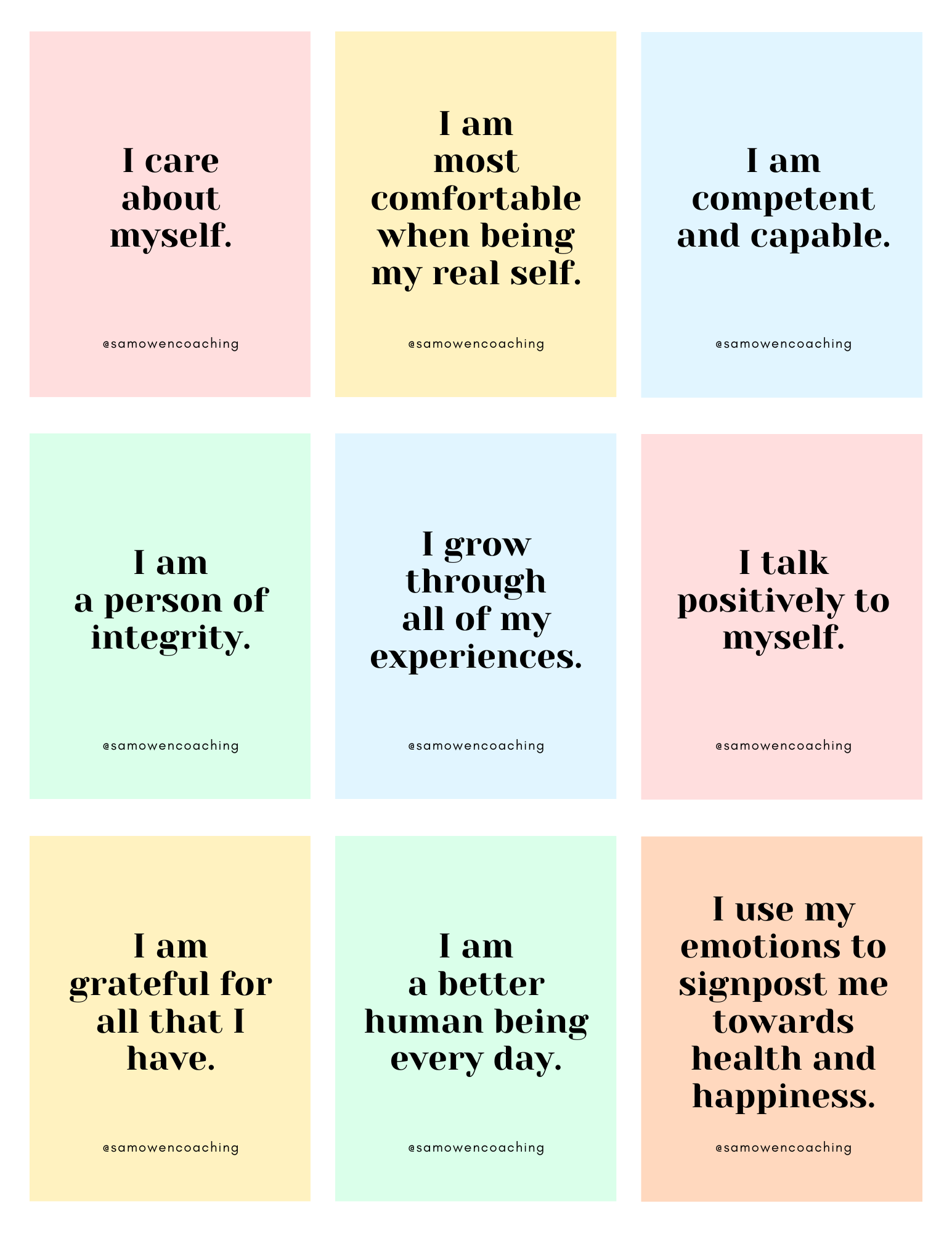
You don’t have to build self worth alone. Sharing affirmations with a friend or group can add accountability and encouragement.
Some people join online communities or support groups where members share their journeys. Others work with a coach or therapist. The important thing is to surround yourself with people who support your growth.
Credit: www.relationshipscoach.co.uk
Data On Affirmations And Well-being
Research shows that affirmations can improve mental health and resilience. For example, a study published by the American Psychological Association found that self-affirmation exercises reduced stress and increased performance in students facing exams.
Here is a comparison of outcomes for people who practice affirmations versus those who don’t:
| Practice | Reported Self Worth | Resilience | Stress Levels |
|---|---|---|---|
| Regular Affirmations | High | High | Low |
| No Affirmations | Lower | Lower | Higher |
This data suggests that making affirmations part of your daily life can bring real benefits.
20 Powerful Self Worth Affirmations To Try
If you’re looking for inspiration, here are 20 affirmations to help you build a strong sense of self worth:
- I am worthy of love and happiness.
- My value is not dependent on others.
- I am proud of who I am.
- I deserve good things.
- I am enough, exactly as I am.
- I trust my decisions.
- My needs are important.
- I am strong and resilient.
- I learn and grow from challenges.
- I accept myself unconditionally.
- I am deserving of success.
- My voice matters.
- I am kind to myself.
- I respect my boundaries.
- I am a unique and valuable person.
- I honor my feelings.
- I am grateful for my strengths.
- I forgive myself for past mistakes.
- I celebrate my progress.
- I am becoming my best self.
Choose the ones that resonate with you, or use them as a starting point to create your own.
How To Make Affirmations Part Of Your Culture
In some cultures, talking about self worth is rare or even discouraged. If you feel uncomfortable, remember that affirmations are a private practice. You don’t have to share them with anyone. Over time, your confidence will show in your actions and attitude.
If you want to introduce affirmations to your family or workplace, start by sharing your experience. Explain how affirmations help you. Invite others to try, but respect their choice if they’re not interested.
Additional Resources For Self Worth
If you want to learn more about self worth, consider resources such as books, podcasts, or therapy. You can also find helpful information at Psychology Today, which offers articles on self-esteem, self worth, and mental health.
Frequently Asked Questions
What Is The Difference Between Self Worth And Self-esteem?
Self worth is the deep belief that you are valuable simply because you exist. Self-esteem is more about how much you like yourself, often based on achievements or comparisons. Self worth is stable and unconditional, while self-esteem can go up and down.
How Long Does It Take For Affirmations To Work?
There’s no set timeline. Some people feel changes in a few weeks, while others need months of practice. Consistency is key. Start with small steps, and be patient as your mind adapts.
Can I Use Affirmations For Children Or Teenagers?
Yes, affirmations can help children and teens build confidence. Choose simple, age-appropriate statements like, “I am special,” or “I am loved. ” Make it a fun and positive experience.
What If Affirmations Make Me Feel Worse?
Sometimes, affirmations can trigger negative feelings if they’re too far from your current beliefs. If this happens, try gentler statements like, “I am learning to value myself. ” You can also talk with a therapist for support.
Do I Have To Say Affirmations Out Loud For Them To Work?
No, you can say affirmations silently, write them, or even think them. However, speaking out loud often has a stronger effect because it engages more senses.
Building self worth is a journey that takes time, patience, and practice. Affirmations are a simple but powerful tool to remind you of your value each day. Start small, stay consistent, and watch as your confidence and happiness grow.
