

Positive Affirmation Benefits: How Daily Practice Transforms Your Life
Positive Affirmation Benefits
Imagine waking up each morning and feeling confident, optimistic, and ready for the day. Now picture yourself handling stress, doubts, and challenges with a calm mind. Many people wish for this kind of life, but don’t know where to start.
Positive affirmations offer a simple and practical way to achieve it. These short, encouraging statements can help change your mindset, improve your mood, and transform the way you see yourself and the world. The benefits of positive affirmations reach far beyond simple motivation.
They are backed by science, used by successful people, and are easy enough for anyone to try.
In this article, you will discover the many benefits of positive affirmations, understand how they work, and learn how to use them effectively. You will find facts, examples, and practical tips that will help you unlock the power of this simple tool.
If you want to improve your mental health, boost your self-esteem, or simply add more positivity to your daily routine, keep reading.
What Are Positive Affirmations?
Positive affirmations are short statements you repeat to yourself. They focus on your strengths, abilities, and goals. For example, “I am confident,” or “I am improving every day. ” These statements help you direct your thoughts toward positive outcomes.
Many people confuse affirmations with wishful thinking. But affirmations are about reinforcing the good in yourself, not ignoring reality. When you repeat affirmations regularly, your brain starts to believe them. This process can change your emotions, behavior, and even your habits.
How Positive Affirmations Work
Positive affirmations use the brain’s natural ability to shape thoughts and actions. When you repeat a statement often, your mind starts to accept it as true. This is called neuroplasticity—the brain’s power to adapt and rewire itself.
Studies show that affirmations activate the reward centers in the brain. This can lead to improved mood and motivation. For example, a research project found that people who practiced self-affirmation felt less stressed and performed better under pressure.
Affirmations also help fight negative thinking. They work like mental reminders. When you catch yourself thinking, “I can’t do this,” you can replace it with, “I am capable. ” Over time, these positive messages become your new default.
Key Benefits Of Positive Affirmations
1. Boosting Self-esteem
One of the biggest benefits is better self-esteem. When you repeat affirmations like “I am worthy,” or “I am good enough,” you start to believe them. This can change how you see yourself and how you act.
Many psychologists recommend affirmations to help people with low confidence. When you feel good about yourself, you take more risks, try new things, and handle criticism better.
2. Reducing Stress And Anxiety
Affirmations can help calm your mind. When you feel nervous, repeating a positive statement can interrupt anxious thoughts. For example, saying “I am calm and in control” during stressful moments helps you relax.
Research shows that regular affirmation practice reduces cortisol levels, the hormone linked to stress. This means affirmations are not just mental tricks—they have real effects on your body.
3. Improving Focus And Motivation
If you struggle with staying motivated, affirmations can help. Statements like “I am focused,” or “I finish what I start,” remind you of your goals. This keeps you on track and helps you avoid distractions.
Many athletes use affirmations before games to boost concentration. In the workplace, professionals repeat affirmations to stay productive.
4. Supporting Better Mental Health
Affirmations are often used in therapy to help people with depression or anxiety. They provide hope and encourage positive thinking. When you practice affirmations, you are training your mind to look for the good, not the bad.
Some therapists use affirmations with other treatments, such as CBT (Cognitive Behavioral Therapy). This combination has shown good results for improving mental well-being.
5. Encouraging Positive Habits
When you repeat affirmations about healthy habits, you are more likely to stick with them. For example, “I make healthy choices,” or “I exercise regularly. ” These statements reinforce your intentions and remind you of your goals.
It’s easier to build new routines when you support yourself with positive language. Affirmations can help you break bad habits and replace them with good ones.
6. Enhancing Relationships
Positive affirmations can improve how you relate to others. Statements like “I am a caring friend,” or “I listen with respect,” help you build stronger connections. When you feel good about yourself, you are more open and kind to others.
Affirmations also help you forgive, trust, and communicate better. They encourage empathy and understanding.
7. Increasing Resilience
Resilience means bouncing back from difficulties. Affirmations such as “I can handle anything,” or “I am strong,” give you the courage to keep going. They remind you that setbacks are temporary.
People who use affirmations are better at handling failure and disappointment. They see challenges as opportunities, not threats.
8. Improving Performance
Whether in school, sports, or work, affirmations can help you perform better. They build confidence and keep you focused on your abilities. Saying “I am prepared,” or “I can do this,” before a big event helps reduce nerves.
Studies show that students who use affirmations before exams feel less anxious and do better. Athletes and business leaders also rely on affirmations to stay sharp.
9. Promoting Physical Health
Affirmations can affect your body as well as your mind. Positive statements about health encourage you to eat well, exercise, and take care of yourself. For example, “I treat my body with respect. ”
Research links regular affirmation practice to lower blood pressure and better sleep. When you feel positive, your body responds with less tension and more energy.
10. Helping You Achieve Goals
Affirmations keep your goals in mind. When you repeat “I am achieving my goals,” or “I am making progress,” you stay motivated. This helps you overcome doubts and setbacks.
Successful people often use affirmations to visualize success. They picture themselves reaching their targets and speak it out loud.
Common Examples Of Positive Affirmations
Positive affirmations can be tailored for any situation. Here are some common examples:
- “I am confident and capable.”
- “I am worthy of love and respect.”
- “I trust myself to make good decisions.”
- “I welcome new opportunities.”
- “I let go of negativity and embrace positivity.”
- “I am grateful for what I have.”
- “I am calm and relaxed.”
- “I am improving every day.”
You can create your own affirmations based on your needs and goals. The key is to keep them positive, present tense, and meaningful.
Science Behind Positive Affirmations
Many people wonder if positive affirmations really work. Science offers strong support.
A study published in a leading psychology journal found that self-affirmation activates reward areas in the brain. This leads to higher motivation and better performance. Another research project showed that affirmations can lower stress and improve problem-solving skills.
Brain scans reveal that repeating positive statements changes the way the brain processes information. Affirmations help the brain filter negative thoughts and focus on positive ones.
Here is a comparison of how positive affirmations affect the brain versus negative self-talk:
| Type of Statement | Brain Response | Impact on Mood |
|---|---|---|
| Positive Affirmation | Activates reward areas | Improves mood |
| Negative Self-Talk | Activates stress centers | Low mood, anxiety |
It is important to note that affirmations work best when you believe in them. If a statement feels too far from reality, it may not help. Start with affirmations you can accept, and build from there.
How To Use Positive Affirmations Effectively
Affirmations are simple, but there are ways to make them more powerful. Here are some practical tips:
- Choose affirmations that match your goals and values.
- Use present tense. For example, “I am strong,” not “I will be strong.”
- Repeat affirmations daily. Morning and evening are good times.
- Say them out loud, or write them down.
- Combine affirmations with visualization. Picture yourself living the statement.
- Be patient. Change takes time. Stick with the practice.
Some people use affirmation cards, apps, or journals to keep track. You can also set reminders on your phone.
Common Mistakes And How To Avoid Them
Many beginners make mistakes when using affirmations. Here are some to watch out for:
- Using negative words. For example, “I am not afraid.” Instead, say, “I am courageous.”
- Choosing affirmations that feel unrealistic. Pick statements you can believe.
- Being inconsistent. Affirmations work best with daily practice.
- Ignoring feelings. If you feel resistance, adjust your affirmation.
- Rushing the process. Give yourself time to see results.
If you notice these mistakes, don’t worry. Adjust your approach and continue.
Who Can Benefit Most From Positive Affirmations?
Affirmations are helpful for everyone, but some groups benefit more:
- People with low self-esteem or confidence
- Students facing exams or challenges
- Athletes preparing for competition
- Professionals dealing with stress
- Anyone working on personal growth
Even children can use affirmations to build positive habits early.
Positive Affirmations For Different Situations
Affirmations are flexible. You can use them for many purposes. Here are some examples:
| Situation | Sample Affirmation |
|---|---|
| Stressful Workday | I handle challenges with calm |
| Studying for Exams | I am prepared and focused |
| Building Confidence | I am worthy and capable |
| Improving Health | I make healthy choices every day |
| Strengthening Relationships | I listen and care deeply |
| Overcoming Fear | I am brave and strong |
You can customize affirmations for any need. The secret is to make them personal and positive.
How Positive Affirmations Compare To Other Self-help Tools
People often ask how affirmations compare to other techniques like meditation, journaling, or therapy. Here is a simple comparison:
| Method | Ease of Use | Main Benefit | Time Needed |
|---|---|---|---|
| Positive Affirmations | Very easy | Boosts mindset | 1-5 minutes |
| Meditation | Moderate | Calms mind | 10-30 minutes |
| Journaling | Easy | Clarifies thoughts | 10-20 minutes |
| Therapy | Needs expert | Deep healing | Varies |
Affirmations are quick and easy. They can be used with other methods for best results.
Real-life Examples And Success Stories
Many famous people use affirmations. Athletes, actors, and business leaders rely on them to stay positive and focused. For example, a well-known tennis player repeats affirmations before every match. This helps her stay calm and confident.
A teacher uses affirmations with her students. She starts each day with, “I am smart and capable. ” Over time, her students become more motivated and less anxious.
A busy parent uses affirmations to manage stress. He repeats, “I am patient and present,” throughout the day. This simple practice helps him stay calm with his children.
These examples show that affirmations work for all kinds of people, in all kinds of situations.
Data And Statistics On Affirmation Benefits
Research supports the power of positive affirmations. Here are some key statistics:
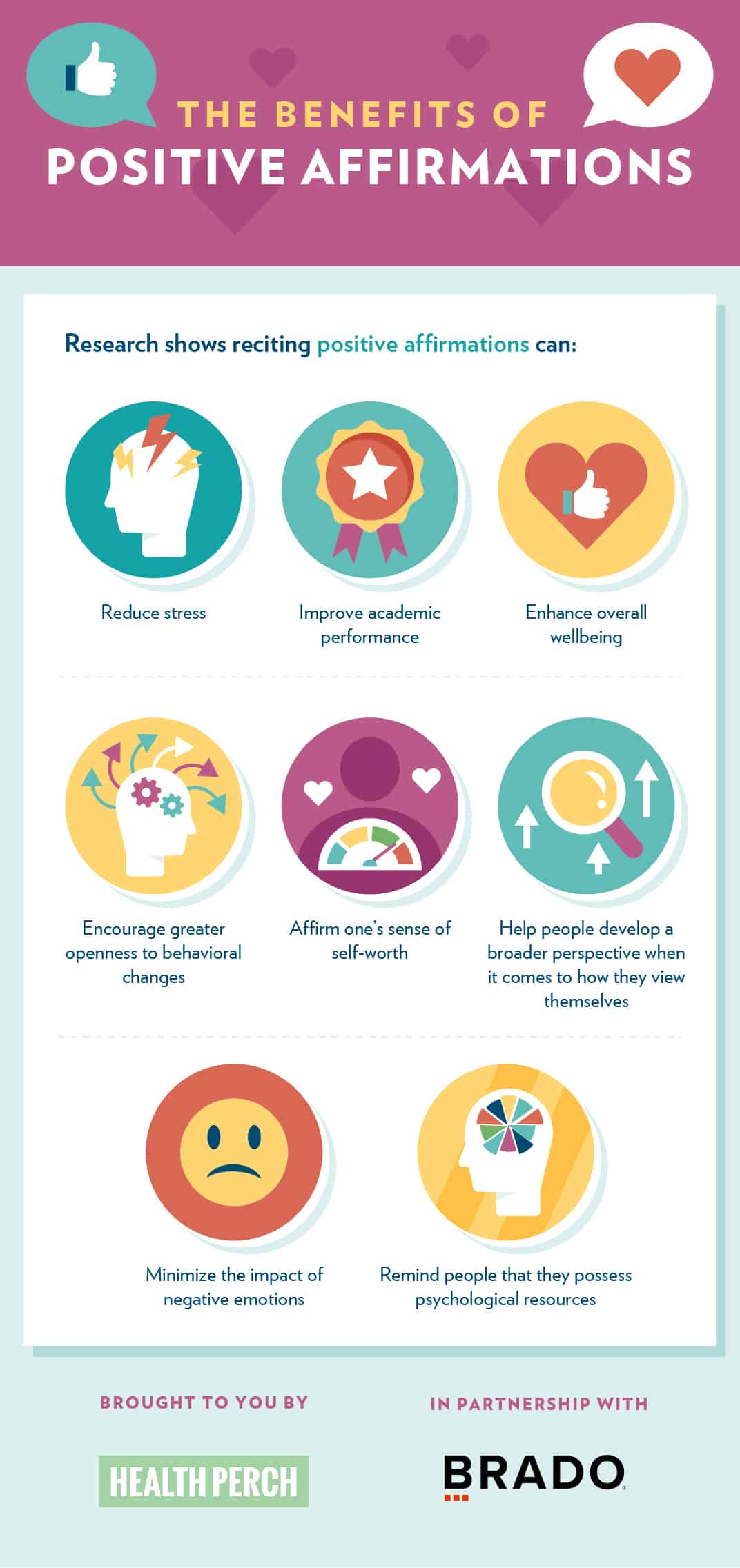
- A study found that regular affirmation practice reduced stress by 32%.
- Another project showed that students who used affirmations improved test scores by 20%.
- People who practiced affirmations reported higher self-esteem and better relationships.
- Affirmations lowered anxiety levels in 28% of participants in a health study.
These numbers show that affirmations are not just words—they produce real results.
Credit: ecogreenlove.com
Non-obvious Insights About Positive Affirmations
Most beginners miss some important ideas:
- Consistency matters more than quantity. Saying one affirmation every day is better than saying many only once.
- Affirmations can change your environment. When you feel positive, others react differently to you. This can improve teamwork, family life, and friendships.
- Pairing affirmations with action creates faster change. For example, if you say, “I am healthy,” and also eat well and exercise, your results are stronger.
If you keep these points in mind, you will get more from your affirmation practice.
Practical Tips For Creating Your Own Affirmations
Making your own affirmations is easy. Here are some tips:
- Focus on what you want to change or improve.
- Use positive words only.
- Keep statements short and clear.
- Use present tense.
- Make the affirmation feel true and believable.
If you want to improve your confidence, try “I am confident and ready. ” For better health, use “I make healthy choices every day. ” Personalize your affirmations for best results.
How Long Does It Take To See Results?
Change does not happen overnight. Most people notice small shifts in mood within a week. Bigger changes in confidence or habits can take a few weeks or months.
The key is daily practice. Even five minutes a day can make a difference. If you stay patient and consistent, you will see results.
Should You Share Affirmations With Others?
Some people like to keep affirmations private, while others share them with friends or family. Sharing can build support and create a positive environment. For example, families can start the day with a group affirmation.
If you share affirmations at work or school, you can build teamwork and motivation. The choice depends on your comfort level.
Positive Affirmations And Children
Children can benefit greatly from affirmations. Simple statements like “I am smart,” or “I am kind,” help build confidence early. Parents and teachers can teach children to use affirmations daily.
Studies show that children who practice affirmations are more resilient and optimistic. This helps them handle challenges and setbacks better.
Using Affirmations For Physical Health
Affirmations can improve physical health. For example, repeating “I am strong and healthy,” before exercise motivates you to work harder. Affirmations can also help people recover from illness or injury.
Doctors sometimes use affirmations with patients to encourage healing. Positive thinking can reduce pain, improve mood, and speed up recovery.

Credit: sparkinterestwithsara.com
Integrating Affirmations Into Daily Life
You can use affirmations in many ways:
- Repeat them when you wake up or before bed.
- Write them in a journal.
- Set reminders on your phone.
- Use sticky notes in your home or office.
- Say them before important events or meetings.
The secret is to make affirmations a regular part of your routine.
Positive Affirmations And Workplace Success
Workplaces can benefit from affirmations. Employees who practice affirmations are more focused, creative, and productive. For example, “I am a valuable team member,” builds confidence and cooperation.
Managers can use affirmations to encourage staff and build a positive culture. Teams that use affirmations are better at handling stress and solving problems.
Using Affirmations During Difficult Times
Life is not always easy. During tough moments, affirmations can help you stay hopeful. For example, “I can get through this,” or “I am stronger than my challenges. ”
Many people use affirmations to cope with loss, illness, or setbacks. This practice helps them find meaning and strength.
Where To Learn More About Affirmations
If you want to know more, many books, websites, and courses are available. One helpful resource is Wikipedia. You can find information, examples, and research there.
Credit: www.joinreframeapp.com
Frequently Asked Questions
What Are Positive Affirmations?
Positive affirmations are short, encouraging statements you repeat to yourself. They help you focus on your strengths and goals, and train your mind to think positively.
How Often Should I Use Positive Affirmations?
For best results, practice affirmations daily. Most people use them in the morning and evening. Consistency is more important than quantity.
Can Positive Affirmations Help With Anxiety And Stress?
Yes, affirmations can reduce anxiety and stress. They interrupt negative thoughts and encourage calmness. Studies show lower cortisol and improved mood with regular practice.
Are Positive Affirmations Backed By Science?
Research supports the benefits of affirmations. Studies show improved self-esteem, performance, and stress reduction. Brain scans confirm changes in mood and motivation.
What If I Don’t Believe My Affirmation?
It is common to feel resistance at first. Start with statements you can accept. Over time, your belief will grow. Adjust affirmations as needed to make them feel true.
Positive affirmations offer a simple yet powerful way to change your mindset, improve your mood, and achieve your goals. By practicing daily and staying consistent, you can unlock benefits in confidence, health, relationships, and more. Whether you are a beginner or experienced, affirmations are a tool you can use anytime, anywhere.
The journey begins with a single positive statement—so why not start today?
