

Most Effective Positive Affirmations: Transform Your Mindset Today
Most Effective Positive Affirmations
Life is full of challenges, and our minds often focus on problems instead of solutions. Many people find themselves stuck in negative thinking, feeling anxious or doubtful about their abilities. One simple, research-backed way to shift this mindset is through positive affirmations. These are short, powerful statements that you repeat to yourself, helping to reprogram your thinking and boost your confidence. But not all affirmations work equally well. Knowing which affirmations are most effective, why they matter, and how to use them properly can make a real difference in your mental well-being and daily results.
What Are Positive Affirmations?
Positive affirmations are short phrases or sentences that you say, write, or think repeatedly. They focus on positive outcomes, self-worth, and your ability to handle challenges. The goal is to reinforce a healthy mindset and gradually replace negative or limiting beliefs.
For example, instead of thinking, "I always make mistakes," you might use the affirmation, "I learn and grow from every experience. " These statements are not about ignoring problems but about building mental strength and resilience.
Many psychologists and personal development experts recommend affirmations as a tool to help manage stress, increase motivation, and support healthy habits. When practiced consistently, affirmations can help your brain form new positive pathways, making it easier to believe in yourself and your goals.
Why Do Affirmations Work?
Affirmations are more than just feel-good words. They are based on the science of self-affirmation theory and neuroplasticity. Your brain is always changing and adapting. When you repeat positive statements, you help create new neural connections that support positive thinking.
Studies show that using affirmations can:
- Reduce stress levels
- Improve self-esteem and confidence
- Enhance performance under pressure
- Lower negative thoughts and self-doubt
For example, a well-known study published in the journal Social Cognitive and Affective Neuroscience found that people who practiced self-affirmation showed increased activity in brain regions linked to self-processing and reward. This means affirmations can literally "rewire" your brain over time.
However, affirmations work best when they are specific, believable, and regularly practiced. Simply repeating empty phrases without feeling or intention will not have the same impact.

Credit: thechiclife.com
Key Elements Of Effective Affirmations
Not every statement is a good affirmation. Some work better than others, especially if they follow a few important rules:
- Present tense: Use language like "I am" or "I have," as if the statement is true now.
- Positive wording: Focus on what you want, not what you want to avoid.
- Personal relevance: Choose affirmations that matter to you and feel genuine.
- Specificity: Be clear and focused, rather than vague.
For example, "I am confident in my abilities" is stronger than "I will try to be confident. "
Here’s a simple comparison of effective vs. less effective affirmations:
| Less Effective | More Effective |
|---|---|
| I want to be happy. | I choose happiness every day. |
| I hope I won't fail. | I am capable and resilient. |
| Someday, I will succeed. | I succeed by taking action today. |
Most Effective Positive Affirmations By Area
Affirmations work best when tailored to your needs. Below are the most effective positive affirmations in different areas of life, along with tips and examples for each.
1. Self-esteem And Confidence
Building self-esteem is crucial for success and happiness. Many people struggle with self-doubt or negative self-talk, especially after failures or criticism. Using the right affirmations can help you recognize your value and inner strengths.
- I am worthy of respect and love.
- I trust myself to make good choices.
- I am proud of who I am becoming.
- I believe in my unique abilities.
- My self-worth is not defined by others' opinions.
Practical tip: Stand in front of a mirror each morning and repeat your favorite affirmation out loud. This can strengthen your belief in the words and help you start your day with confidence.
2. Stress Reduction And Calm
Modern life brings many sources of stress, from work pressure to personal responsibilities. Affirmations can help calm your mind, focus your thoughts, and reduce anxiety.
- I am calm and in control.
- I breathe in peace and exhale stress.
- I handle challenges with grace and patience.
- I create a sense of calm within myself.
- I release what I cannot control.
Non-obvious insight: Pair your affirmations with deep breathing. This physical action helps anchor the affirmation in your body, making it more effective.
3. Motivation And Goal Achievement
Staying motivated, especially when facing obstacles, is hard for many people. The right affirmations can keep your energy high and remind you why your goals matter.
- I am committed to my goals.
- I take action every day to move forward.
- I overcome setbacks with determination.
- I am persistent and resourceful.
- Every step I take brings me closer to success.
Real-life example: Athletes often use affirmations before competitions to boost focus and motivation. You can do the same before a big meeting or exam.
4. Health And Wellness
Taking care of your health is not just about physical habits; your mindset plays a big role. Health-focused affirmations can encourage better self-care and positive body image.
- I honor my body and treat it with respect.
- I am healthy, strong, and energetic.
- I choose nourishing foods that support my well-being.
- My body is capable and resilient.
- I listen to my body’s needs with kindness.
Practical tip: Use these affirmations while exercising or preparing healthy meals to reinforce your commitment to wellness.
5. Relationships And Love
Good relationships depend on how you see yourself and others. Affirmations can improve your communication, empathy, and ability to give and receive love.
- I am deserving of healthy, loving relationships.
- I communicate with honesty and kindness.
- I attract positive and caring people into my life.
- I give and receive love freely.
- I forgive myself and others easily.
Non-obvious insight: Relationship affirmations are more powerful when you include both giving and receiving love, not just focusing on one side.
6. Financial Abundance And Prosperity
Money beliefs often come from childhood or society, leading to stress or guilt. Using positive affirmations about abundance can help you develop a healthier relationship with money.
- I attract opportunities for abundance.
- I am open to receiving prosperity in many forms.
- I use my skills to create financial security.
- I deserve to be successful and financially free.
- Money flows to me easily and freely.
Data shows that people with a positive money mindset are more likely to save, invest, and reach their financial goals.
7. Personal Growth And Learning
Life-long learning and growth are key to adapting and thriving. Affirmations can support you in developing new skills and embracing change.
- I am always learning and growing.
- I welcome new challenges as opportunities.
- I am open to new ideas and perspectives.
- I trust the process of personal growth.
- Mistakes help me learn and improve.
Practical tip: Write these affirmations in your journal after learning something new or reflecting on your progress.
Credit: huntongroup.com
How To Use Affirmations Effectively
Saying affirmations is simple, but using them effectively requires intention and consistency. Here’s how you can make affirmations work best for you:
Make Them A Daily Habit
Set aside a few minutes each day for affirmations. Many people find that mornings or evenings work best, but the key is consistency. You can speak affirmations out loud, write them in a journal, or even record and listen to them.
Combine With Visualization
Imagine yourself living the truth of your affirmation. For example, if you say, "I am confident," visualize yourself speaking up in a meeting or trying something new. This helps your mind connect words with real experiences.
Keep It Believable
If an affirmation feels too far from your current reality, your mind may reject it. Start with statements that feel possible and grow from there. For example, if "I love my body" feels hard, try "I am learning to appreciate my body.
"
Track Your Progress
Notice changes in your thoughts, feelings, and behavior over time. Keeping a simple record helps you see what’s working and keeps you motivated.
Here’s a simple table to help you plan and track your daily affirmation routine:
| Day | Affirmation Used | How I Felt | Any Changes Noticed? |
|---|---|---|---|
| Monday | I am calm and in control. | Less anxious | Handled stress better at work |
| Tuesday | I am worthy of respect and love. | More confident | Spoke up in a meeting |
Mix And Adapt
Don’t feel limited by pre-written affirmations. You can create your own, or change existing ones to better fit your needs. The most effective affirmation is one that feels personal and meaningful to you.
Common Mistakes And How To Avoid Them
While affirmations can be powerful, certain mistakes can reduce their effectiveness. Here’s what to watch out for:
- Repeating without feeling: Simply saying words without emotion or belief won’t help much. Try to connect with the meaning each time.
- Choosing unrealistic statements: If you don’t believe what you’re saying, start with smaller steps.
- Inconsistency: Skipping days or only using affirmations during hard times makes them less effective. Make it a regular habit.
- Negative wording: Avoid affirmations that mention what you don’t want, like "I am not anxious." Instead, use "I am calm and centered."
- Expecting instant results: Change takes time. Be patient and give affirmations a chance to work.
Non-obvious insight: It’s better to use fewer affirmations deeply than to try and repeat a long list without focus.
Credit: www.lifehack.org
Science And Skepticism: What The Research Says
It’s natural to wonder if affirmations are just wishful thinking. However, several scientific studies show real benefits, especially when affirmations are used in specific ways.
- A study published in the journal Psychological Science found that self-affirmation helps protect against the effects of stress on problem-solving performance.
- Research also shows that affirmations can help reduce the impact of negative stereotypes and boost performance in academic and work settings.
- The key is that affirmations must feel authentic and be linked to your values. Generic or forced affirmations do not have the same impact.
However, some people find affirmations difficult if they are struggling with serious mental health issues like depression or trauma. In these cases, affirmations should be used alongside professional support.
For those interested in more in-depth research, the Wikipedia entry on self-affirmation provides a good overview of the scientific background.
Real-life Examples: How People Use Affirmations
Hearing real stories can help you understand how affirmations work in daily life.
- Maria, a student, struggled with test anxiety. She started using the affirmation, "I am prepared and capable," before exams. Over time, her anxiety dropped, and her grades improved.
- James, a manager, faced imposter syndrome at work. He used, "I trust my experience and judgment," each morning. This helped him lead meetings with more confidence.
- Rina, recovering from illness, repeated, "My body is healing every day." This gave her hope and motivation to stick with her treatment plan.
Non-obvious insight: Affirmations often work best when paired with action. Maria still studied, James prepared for meetings, and Rina followed her treatment. Affirmations are not magic, but they help shift your mindset so you can take positive steps.
Creating Your Own Affirmations
While ready-made affirmations can be useful, the most powerful ones are often those you create yourself. Here’s a step-by-step way to write your own effective affirmation:
- Identify an area you want to change. (e.g., confidence, health, relationships)
- Choose a positive outcome. (What do you want to feel or achieve?)
- Write in the present tense. ("I am" or "I have" statements)
- Make it personal and believable. Use words that feel true to you.
- Keep it short and clear.
Example process:
- Area: Confidence at work
- Outcome: Speak up in meetings
- Affirmation: "I share my ideas with clarity and confidence."
You can also adapt affirmations as your needs change. What works for you now may be different in the future, and that’s okay.
Integrating Affirmations Into Your Life
Building a new habit takes time, but it’s easier when you link affirmations to existing routines. Here are some practical ways to make affirmations a natural part of your day:
- Say them while brushing your teeth or getting dressed.
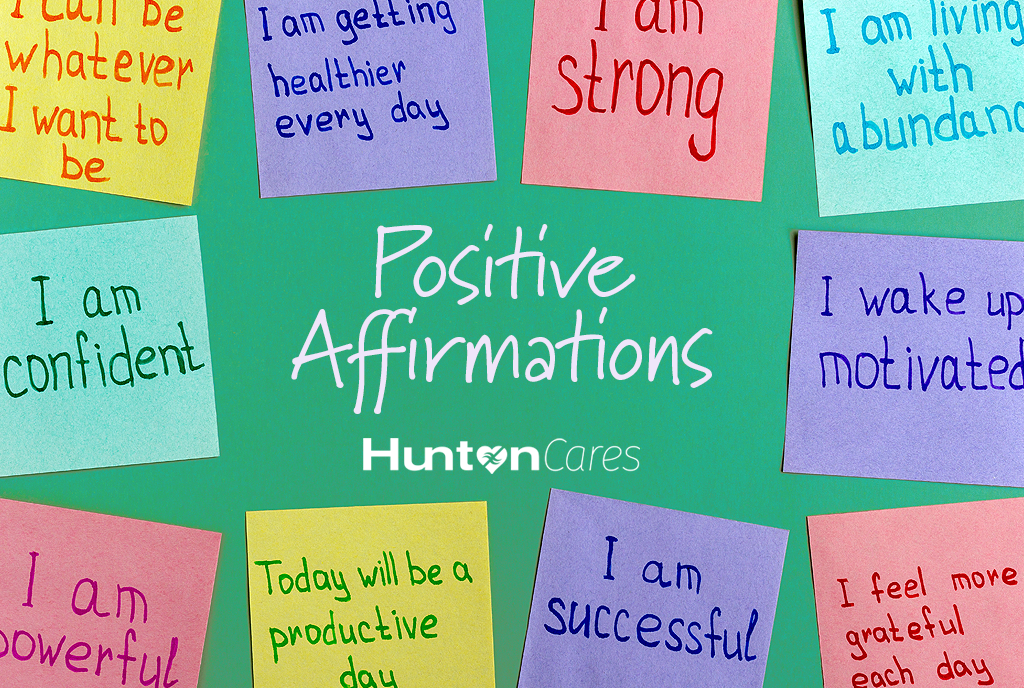
- Write them on sticky notes and place them on your mirror or computer.
- Set reminders on your phone to pause and repeat your affirmation.
- Pair affirmations with meditation, yoga, or exercise.
- Share them with a friend or family member for accountability.
Many people find that affirmations become more powerful when spoken aloud, but silent repetition or writing can also be effective.
Here’s a quick comparison of different affirmation methods:
| Method | How to Use | Best For |
|---|---|---|
| Spoken Aloud | Repeat in front of a mirror or during quiet time | Building confidence, emotional impact |
| Written | Journal or write on sticky notes | Reflection, tracking progress |
| Recorded Audio | Listen to your own voice or guided affirmations | Habit-building, multitasking |
| Mental Repetition | Repeat silently during the day | Quick stress relief, busy moments |
Experiment with different methods to see what fits your lifestyle and feels most natural.
Frequently Asked Questions
What If I Don’t Believe My Affirmation At First?
It’s common to feel some resistance, especially if the affirmation is very different from your usual thoughts. Start with statements that feel close to your current reality, such as "I am learning to be confident" instead of "I am always confident.
" Over time, as you see small changes, your belief will grow.
How Long Does It Take To See Results From Affirmations?
Results vary from person to person. Some people notice a shift in their mindset within days, while others may need weeks or months. Consistency is key. Most experts suggest practicing daily for at least 21 days to start seeing real changes.
Can Affirmations Help With Mental Health Conditions Like Anxiety Or Depression?
Affirmations can support mental health, but they are not a replacement for professional help. If you have anxiety, depression, or other mental health issues, use affirmations as a supplement to therapy, medication, or other treatments recommended by a healthcare provider.
Is It Better To Use Many Affirmations Or Just One?
Quality is more important than quantity. Using one or two focused, meaningful affirmations is often more effective than repeating a long list without much thought. Choose affirmations that matter most to you and practice them with intention.
Do I Have To Say Affirmations Out Loud For Them To Work?
Speaking affirmations out loud can have a stronger impact, but it’s not required. Writing them down, repeating them silently, or listening to recordings can also be effective. The most important factor is that you connect emotionally with the affirmation.
Believing in yourself is not always easy, but positive affirmations can help you train your mind to focus on your strengths, goals, and possibilities. The most effective affirmations are simple, personal, and practiced with real intention. With a little patience and consistency, you can use affirmations to improve your confidence, reduce stress, and create a more positive outlook on life.
Small daily changes in your self-talk can add up to big results over time.
