

Is Writing Affirmations Effective? Unlock the Power of Positive Words
Is Writing Affirmations Effective?
People often look for ways to change their lives for the better. Some turn to books, others to therapy, and many try simple self-help tools. One method that has gained popularity is writing affirmations. You may have seen motivational quotes on social media or heard someone say, “I am confident” every morning. But does this practice really help? Or is it just wishful thinking? This article explores whether writing affirmations is effective, how it works, and what science and real-life experiences say about it.
What Are Affirmations?
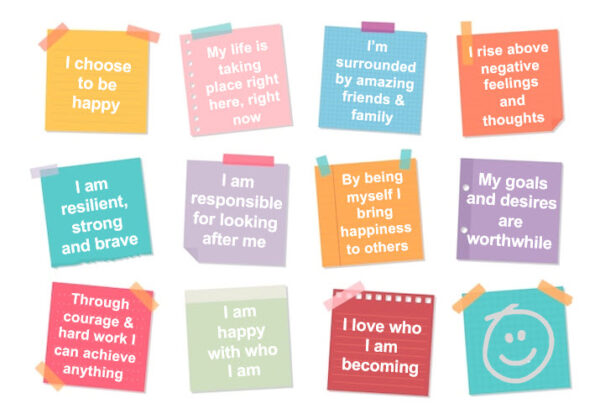
Affirmations are positive statements that people repeat to themselves. These statements are usually about something the person wants to believe or become. For example, “I am successful,” “I am healthy,” or “I am worthy of love. ” The goal is to shift your mind from negative thoughts to positive ones by repeating these phrases often.
Types Of Affirmations
Affirmations come in many forms. Some focus on self-esteem (“I am enough”), others on specific goals (“I achieve my targets”), and some on health or relationships. People use affirmations in different ways: saying them out loud, writing them down, or even listening to recordings. Writing affirmations, in particular, is thought to make the message stronger by involving both the mind and the physical act of writing.
Why Do People Use Affirmations?
People use affirmations for many reasons:
- To boost confidence
- To help with anxiety or stress
- To stay focused on goals
- To overcome negative thinking
Some see affirmations as a daily ritual, much like meditation or exercise. Others turn to them during tough times, such as before a big presentation or when facing challenges.
The Science Behind Writing Affirmations
Many people wonder if affirmations are just feel-good phrases or if there is real science supporting them. Research in psychology provides some answers, though the story is more complex than it appears.
How The Brain Responds
When you write affirmations, you engage both your brain and your body. The act of writing helps your mind focus on the message. Scientists call this process self-affirmation theory. This theory suggests that affirming your values and strengths can protect you from stress and negative feedback.
For example, studies using brain scans show that people who practice affirmations activate areas linked to self-processing and positive valuation. This means the brain starts to connect the positive statements with the person’s self-image.
Evidence From Research
Let’s look at some key findings from research:
- A study found that students who practiced self-affirmation before tests showed less stress and better performance.
- Another research project showed that people who wrote affirmations had improved problem-solving abilities under pressure.
- Some studies report that people using affirmations feel more open to making healthy changes, like quitting smoking or exercising.
However, not all studies agree. Some show only small effects, or benefits that disappear over time. This suggests that affirmations are not magic words—they work best as part of a larger strategy for self-improvement.
Writing Vs. Saying Affirmations
Is there a difference between writing and saying affirmations? Research suggests that writing makes affirmations more powerful for some people. Writing helps you focus, remember, and process the statement. When you write by hand, your brain spends more time thinking about the meaning. This makes the message stronger compared to just saying it quickly.
Here’s a comparison:
| Method | Level of Engagement | Memory Retention | Practicality |
|---|---|---|---|
| Saying Affirmations | Moderate | Low to Medium | Very Easy |
| Writing Affirmations | High | High | Requires Time & Tools |
Credit: www.binauralbeatsfreak.com
How To Write Effective Affirmations
Anyone can write affirmations, but not all affirmations are created equal. Some work better than others. Here’s how to make your affirmations more effective.
1. Use Present Tense
Write affirmations as if they are already true. For example, say “I am confident,” not “I will be confident. ” This helps your mind believe the statement now, not in the distant future.
2. Be Specific
Vague statements are easy to ignore. Instead of “I am successful,” try “I finish my projects on time and with quality. ” Specific affirmations guide your actions more clearly.
3. Keep It Positive
Focus on what you want, not what you don’t want. Say “I eat healthy foods,” instead of “I don’t eat junk food. ” Positive words encourage positive action.
4. Make It Personal
Use words like “I” or “my.” This links the statement directly to you. For example: “I take good care of my health.”
5. Keep It Short
Long affirmations are hard to remember and repeat. Stick to one main idea per affirmation.
6. Repeat Regularly
The more often you write or say your affirmation, the stronger its effect. Many people write their affirmations every morning or before sleep.
Example Of Good Vs. Weak Affirmations
| Weak Affirmation | Why It’s Weak | Improved Affirmation |
|---|---|---|
| I want to be healthy | Unclear, not in present tense | I make healthy choices every day |
| I will stop being stressed | Focuses on negative, future tense | I stay calm and manage challenges well |
Real-life Examples And Experiences
Affirmations are not just for people facing major problems. Many successful people use them every day. Here are a few examples:
Athletes
Top athletes often use affirmations to boost their confidence. Before a game, a basketball player might write, “I play with focus and skill. ” This helps them stay calm and perform under pressure.
Business Leaders
Some business leaders use affirmations to stay motivated. For example, a manager might write, “I lead my team with clarity and respect,” before a big meeting.
Ordinary People
Affirmations are also popular among students, parents, and anyone dealing with stress or change. Writing, “I handle my studies with discipline,” can help a student stay on track.
One non-obvious insight is that many people combine affirmations with visualization. For example, after writing, “I am a confident speaker,” a person might close their eyes and imagine themselves speaking successfully. This combination can make affirmations more effective.
Another insight: affirmations work best when they connect to your values. If you value honesty, an affirmation like “I act with integrity” feels more natural and powerful than one that doesn’t fit your beliefs.
The Limits And Challenges Of Affirmations
While affirmations can be helpful, they are not a cure-all. There are some common problems and misunderstandings.
Unrealistic Affirmations
If you write something you don’t believe at all, your mind may reject it. For example, saying, “I am a millionaire” when you are deep in debt can cause more stress. This is called cognitive dissonance—when your beliefs and actions don’t match, your brain feels uncomfortable.
Overreliance On Affirmations
Affirmations alone cannot replace action. Writing, “I am healthy” will not improve your health unless you also eat well and exercise. Affirmations are a tool, not a replacement for real effort.
Short-lived Effects
Some people find that the positive feelings from affirmations fade quickly. This often happens when affirmations are not backed by genuine effort or belief.
Common Mistakes
- Choosing statements that are too broad or unrealistic
- Forgetting to repeat affirmations regularly
- Not connecting affirmations to real-life actions
To avoid these mistakes, start with small, believable statements. As your confidence grows, your affirmations can become bolder.
Who Can Benefit Most From Writing Affirmations?
Affirmations are not for everyone, but they can help many people. Those who benefit most are:
- People who face self-doubt or negative self-talk
- Students preparing for exams or new challenges
- Professionals wanting to improve focus or reduce stress
- Anyone looking to make a positive change
However, people with very low self-esteem or severe mental health issues may find affirmations less helpful, or even harmful if the statements feel false. In these cases, it’s best to use affirmations as part of a bigger plan, possibly with help from a counselor or therapist.

Credit: www.youtube.com
Combining Affirmations With Other Techniques
Affirmations work best when combined with other self-improvement tools. Here are some methods that boost their power:
Journaling
Many people write their affirmations as part of a journal. This allows them to track progress, reflect on their feelings, and stay consistent.
Visualization
As mentioned earlier, imagining yourself living the affirmation helps make it feel real. For example, after writing, “I am organized,” picture your desk clean and your tasks done.
Goal Setting
Link your affirmations to real goals. For example, if you write, “I am a good learner,” set a goal to read one new article each day.
Mindfulness
Staying present and aware helps you notice negative thoughts. When you catch yourself thinking, “I can’t do this,” replace it with your written affirmation.
Comparing Affirmations To Other Self-help Methods
People often ask if affirmations are better than other self-help methods. Here’s a quick look at how they stack up.
| Method | Main Benefit | Ease of Use | Best For |
|---|---|---|---|
| Writing Affirmations | Shifts mindset | Easy | Building confidence |
| Meditation | Reduces stress | Moderate | Calming the mind |
| Journaling | Increases self-awareness | Easy | Tracking growth |
| Therapy | Deep change | Harder, needs support | Serious issues |
Affirmations are simple and can be done anywhere, but they may not work alone for deep problems. Meditation and journaling can help calm the mind and increase awareness, while therapy is best for big life challenges.
The Role Of Consistency And Patience
One reason affirmations fail for some people is lack of consistency. Writing affirmations once or twice is not enough. Change takes time. Most habits require at least a few weeks of regular effort before results show.
A practical tip: set a reminder on your phone or add affirmation writing to your morning routine. Over time, your mind becomes more open to the new, positive ideas.
Another important point: be patient with yourself. If you don’t feel different right away, that’s normal. Change often happens slowly and in small steps.
Measuring Success With Affirmations
How do you know if affirmations are working? The answer depends on your goals. Here are some ways to measure progress:
- Notice changes in your thoughts. Are you more positive?
- Track actions. Are you making better choices?
- Watch for changes in mood. Do you feel less stressed?
Some people keep a simple chart or journal to record their feelings before and after using affirmations. This can help you see patterns and stay motivated.
Evidence From Large-scale Studies
While small studies show positive effects, what about larger research? Meta-analyses combine data from many smaller studies. They find that affirmations can reduce stress, improve well-being, and help with small behavior changes. However, the effects are usually small to moderate, not dramatic.
One well-known review found that self-affirmation can help people stick with health goals, like quitting smoking or exercising. But the biggest changes come when affirmations are part of a larger program, not used alone.
If you want to read more about the science, check out this research review from the National Institutes of Health.
The Placebo Effect And Affirmations
Some critics argue that affirmations work only because of the placebo effect—if you believe something will help, you may feel better even if there’s no real change. While this is partly true, the placebo effect is a real and powerful force. If writing affirmations helps you feel more confident or less stressed, that’s a benefit, even if it’s partly in your mind.
However, remember that the placebo effect has limits. For lasting change, affirmations should be combined with real effort and other tools.
Credit: bniblog.co.nz
When Affirmations Backfire
Not every experience with affirmations is positive. For some, especially those with low self-worth, affirmations may feel fake or even increase negative feelings. If you try to force yourself to believe something you truly doubt, your mind may push back harder.
If this happens, try starting with more believable statements. For example, instead of “I love myself completely,” you might write, “I am learning to accept myself. ” Small, believable steps can build trust and confidence over time.
Another approach is to focus on values rather than outcomes. Instead of “I am rich,” try “I value hard work and learning.” This can feel less forced and more genuine.
Cultural And Individual Differences
People from different cultures and backgrounds may experience affirmations differently. In cultures where humility is valued, self-praise can feel uncomfortable or even wrong. In these cases, affirmations might focus on effort or values rather than direct praise.
Individual differences also matter. Some people are naturally open to positive self-talk, while others feel awkward or silly. It’s important to find what works for you. If writing affirmations feels forced, try adjusting your language until it feels more comfortable.
Non-obvious Insights Most Beginners Miss
- Affirmations are most powerful when tied to action. For example, writing “I am disciplined” is more effective if you follow it by making your bed or sticking to a schedule.
- The emotional tone matters. If you write an affirmation with doubt or sarcasm, it loses power. Say or write it with as much belief as you can—even if it feels strange at first.
Beginners often copy generic affirmations from the internet. Personalizing your statements, using your own words and addressing your real challenges, makes a big difference.
Practical Tips For Getting Started
- Pick 2-3 affirmations that fit your current goals.
- Write them by hand every morning.
- Say them out loud if you can.
- Keep your affirmations where you can see them—on your desk, mirror, or phone.
- Adjust your affirmations as you grow and your goals change.
If you miss a day, don’t worry. Just start again. Consistency is important, but perfection is not required.
Frequently Asked Questions
How Long Does It Take For Affirmations To Work?
Most people need to practice affirmations for a few weeks before noticing changes. Small shifts in mood or confidence can happen sooner, but bigger changes take time and regular effort.
Can Affirmations Replace Therapy Or Medication?
No, affirmations cannot replace professional help for serious mental health issues. They can be a helpful tool, but therapy or medication may be needed for depression, anxiety, or trauma.
Should I Write Or Say Affirmations?
Both writing and saying affirmations can help. Writing usually makes the message stronger by engaging your mind and body. Saying affirmations out loud helps build confidence and memory. Many people use both methods together.
What If I Don’t Believe My Affirmation?
Start with statements that feel believable, even if they are small. For example, “I am learning to be more confident,” instead of “I am the best. ” Gradually increase the strength of your affirmations as your belief grows.
Can Affirmations Help With Bad Habits?
Affirmations can support breaking bad habits by changing your mindset. For best results, combine affirmations with real action steps and, if needed, support from others.
Writing affirmations is a simple tool that can help shift your mindset, build confidence, and support positive change. The science suggests that affirmations can reduce stress and help with small behavior changes, especially when you write them regularly, make them personal, and combine them with real action.
However, they are not magic words. Affirmations work best as part of a larger plan for growth and well-being. They are most effective when they are realistic, repeated often, and connected to your values and goals.
If you’re curious, try writing a few affirmations for yourself. Start small, stay patient, and adjust as you go. Over time, you may find that these simple statements help you become the person you want to be.
