

Is Affirmation in the Bible? Uncovering Biblical Truths
Is Affirmation In The Bible
Many people today talk about the power of affirmation—using positive statements to encourage themselves or change their mindset. Some believe repeating affirmations can bring hope, confidence, or even real-life results. But what does the Bible say about affirmations? Are there verses or teachings in Scripture that support this practice, or is it something different? Understanding the connection between affirmation and the Bible can help believers find a healthy, faith-based approach to encouragement and self-talk.
In this article, you will discover what affirmation means in popular culture and in the context of the Bible. You will see examples of affirmation in Scripture, learn how biblical affirmation differs from secular self-talk, and find practical ways to use affirmations that honor faith in God. By the end, you will have a clear, complete answer to the question: Is affirmation in the Bible?
What Is Affirmation?
Affirmation is the act of declaring something as true or expressing support, encouragement, or approval. In modern life, affirmation often means repeating positive statements about yourself or your future. For example, someone might say, “I am confident,” or, “Good things are coming my way,” to boost their mood or stay motivated.
In the Bible, affirmation can mean several things:
- Speaking truth over yourself or others
- Encouraging words that lift up the spirit
- Confession of faith or belief in God’s promises
There is a difference between secular affirmations (focused on personal power) and biblical affirmations (rooted in God’s truth). This difference is central when exploring whether the Bible supports the practice.
The Roots Of Affirmation In The Bible
The Bible does not use the term “affirmation” in the way it is used today. However, the practice of speaking truth, encouragement, and faith is woven throughout Scripture. Biblical affirmation is less about “manifesting” your own desires and more about remembering what God says is true.
Some examples from Scripture include:
- Blessings spoken by parents over children
- Declarations of faith by prophets or leaders
- Encouragement given to believers facing trials
For example, in the Old Testament, God often tells His people to remember and repeat His promises. In the New Testament, believers are told to encourage one another and to speak words that build up.
Examples Of Biblical Affirmations
While the Bible may not use the word “affirmation,” it contains many passages where people declare truth, encourage others, or remind themselves of God’s promises. These can be seen as biblical affirmations.
Psalms: Affirming God’s Character
The Psalms are full of statements that affirm who God is and what He does. For example:
- “The Lord is my shepherd; I shall not want.”
- “God is our refuge and strength, an ever-present help in trouble.”
These statements do not just express feelings. They are declarations of faith—spoken reminders of God’s care and protection.
Proverbs: Affirming Wisdom And Guidance
The book of Proverbs urges people to seek wisdom and trust God:
- “Trust in the Lord with all your heart and lean not on your own understanding.”
- “The fear of the Lord is the beginning of wisdom.”
Such verses can be used as affirmations that guide choices and attitudes.
Jesus’ Teachings: Affirming Identity And Value
Jesus often affirmed people’s worth and identity in God’s eyes. He told His followers:
- “You are the light of the world.”
- “You are worth more than many sparrows.”
These words give people a new view of themselves, based not on achievements, but on God’s love.
Paul’s Letters: Affirming New Life In Christ
The Apostle Paul writes many statements of affirmation for believers:
- “If anyone is in Christ, he is a new creation.”
- “I can do all things through Christ who strengthens me.”
These truths remind Christians of their new identity and the power available to them through faith.
Biblical Affirmation Vs. Secular Affirmation
It is important to understand the difference between biblical and secular affirmations. While both can be positive, their focus and source of power are not the same.
| Aspect | Biblical Affirmation | Secular Affirmation |
|---|---|---|
| Source | God’s truth and promises | Personal beliefs or desires |
| Focus | God-centered (who He is, what He has done) | Self-centered (what I want or feel) |
| Purpose | Strengthen faith and trust in God | Boost self-esteem or confidence |
| Example | “God will never leave me” | “I am enough” |
Biblical affirmation puts the focus on God’s character, His promises, and what He says about people. Secular affirmation usually centers on personal power or changing your situation by positive thinking.
The Purpose Of Affirmation In The Bible
Why does the Bible encourage believers to speak truth, encourage one another, and remember God’s promises? There are several important reasons:
- Strengthening faith: Repeating God’s promises helps people trust Him, especially in hard times.
- Resisting fear and doubt: Declaring truth can push back against negative thoughts or lies.
- Encouraging others: Sharing words of affirmation can lift up those who are struggling.
- Renewing the mind: The Bible teaches that people’s minds are shaped by what they focus on and say.
Paul writes, “Do not be conformed to this world, but be transformed by the renewing of your mind. ” Speaking biblical affirmation is one way to renew your mind with truth.
How To Practice Biblical Affirmation
Using affirmation in a biblical way is not about trying to control your world or “manifest” your wishes. It is about aligning your thoughts and words with God’s truth.
Steps To Practice Biblical Affirmation
- Find Scriptures that speak to your situation or need.
- Personalize the verse by turning it into a statement of faith. For example, “God is my refuge and strength.”
- Repeat the affirmation in prayer, meditation, or daily conversation.
- Share affirmations with others to encourage them.
Examples Of Personalized Biblical Affirmations
- “God is with me, even when I am afraid.”
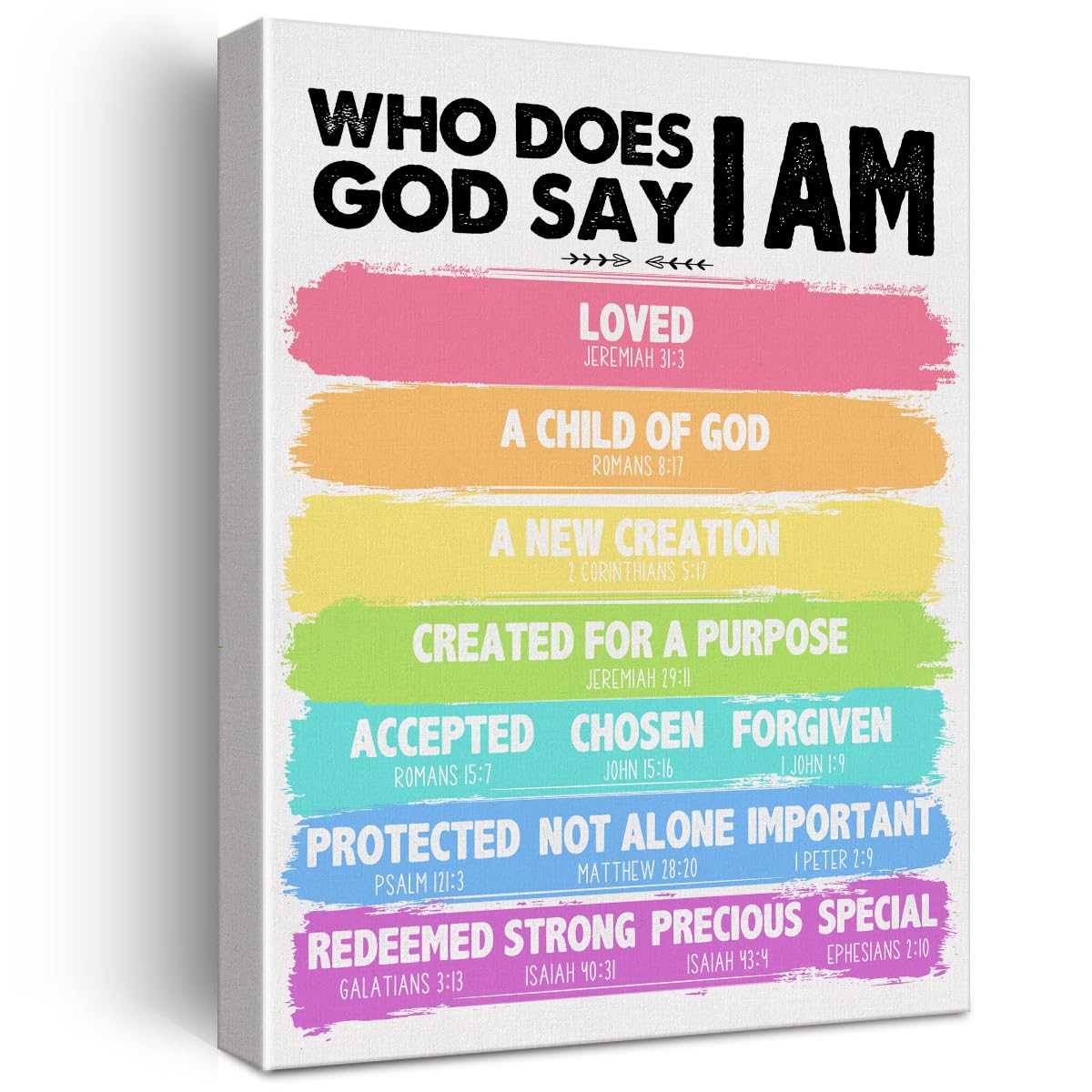
- “I am God’s child, loved and accepted.”
- “The Lord will guide me and give me wisdom.”
- “I can face any challenge, because God is my strength.”
Practical Tips For Using Affirmations
- Write affirmations on cards or notes and place them where you can see them.
- Say affirmations out loud in the morning or before bed.
- Use affirmations during prayer or worship.
- Encourage friends or family with affirming words from Scripture.

Credit: macorner.co
Dangers Of Misusing Affirmations
Not all affirmations are helpful or biblical. It is possible to misuse affirmation in ways that are not healthy or faith-based.
Common Mistakes To Avoid
- Treating affirmations as magic: Saying words alone will not change reality unless they are based on truth.
- Ignoring God’s will: Some affirmations focus only on personal desires, not on what God wants.
- Relying on self instead of God: True biblical affirmation points to God, not just self-confidence.
- Taking verses out of context: Using Bible verses in ways that twist their meaning can mislead people.
How To Stay Grounded
- Always check affirmations against Scripture to be sure they are true.
- Remember that God’s promises may not mean life will be easy, but He will be with you.
- Use affirmation to build faith, not to escape reality or deny struggles.
Affirmation And Confession: Are They The Same?
Some people confuse “affirmation” with “confession” in the Bible. While both involve speaking truth, they are not exactly the same.
Confession in Scripture often means admitting sin or agreeing with God about something. For example, “If we confess our sins, He is faithful and just to forgive us.” But confession can also mean declaring faith—“confessing with your mouth that Jesus is Lord.”
Affirmation is broader. It includes speaking positive truth, encouragement, or reminders of who God is and what He has promised.
Key Bible Verses About Affirmation
Certain verses in the Bible stand out as clear examples of affirmation. These can be used for personal encouragement or shared with others.
| Verse | Affirmation | Focus |
|---|---|---|
| Psalm 23:1 | The Lord is my shepherd; I shall not want. | God’s provision |
| Isaiah 41:10 | Fear not, for I am with you. | God’s presence |
| Philippians 4:13 | I can do all things through Christ who strengthens me. | Strength in Christ |
| Romans 8:37 | In all these things we are more than conquerors through Him who loved us. | Victory in Christ |
| 2 Timothy 1:7 | God gave us a spirit not of fear but of power and love and self-control. | Boldness and love |
| Psalm 139:14 | I am fearfully and wonderfully made. | Identity in God |
| Romans 8:1 | There is no condemnation for those who are in Christ Jesus. | Freedom from guilt |
Scientific Perspective: Do Affirmations Work?
Research shows that positive self-talk and affirmation can influence mindset and behavior. Studies suggest that repeating positive statements may help reduce stress, improve motivation, and boost confidence. However, results are mixed. Some people find affirmations very helpful, while others do not see much change.
What is most important is the source and truth of the affirmation. In the Christian faith, affirmation is not just about feeling better—it is about believing what God says.
For more on the science of affirmation, see this Wikipedia article on self-affirmation theory.
Real-life Examples: How Christians Use Affirmation
Many believers use biblical affirmations in daily life. Here are a few real-life examples:
- Facing anxiety: A woman struggles with worry about her job. She repeats, “God has not given me a spirit of fear, but of power, love, and self-control,” to calm her mind before work.
- Overcoming addiction: A man in recovery reminds himself, “I am a new creation in Christ,” to fight old habits.
- Parenting challenges: Parents speak Psalm 23 over their children each morning, affirming God’s care and protection.
- Battling illness: Someone with health issues uses Isaiah 41:10—“Fear not, for I am with you”—to encourage themselves during treatment.
- Growing in faith: A young person writes out affirmations from the New Testament, such as “I am God’s workmanship,” and reads them daily.
These examples show that biblical affirmation is not just theory. It can shape attitudes, choices, and hope in daily challenges.
Non-obvious Insights About Biblical Affirmation
Most beginners see affirmation as repeating positive words. But there are deeper truths in the biblical approach:
- Affirmation is not always about feeling good. Sometimes, biblical affirmation means stating truth even when it does not match feelings. For example, declaring “God is good” during hard times is an act of faith, not just a mood booster.
- Affirmation is a community practice. In the Bible, affirmation is often shared with others, not just used alone. Encouraging others with God’s promises is a powerful way to build up faith in a group, not only individually.
- Affirmation requires action. Affirming God’s truth should lead to living differently. For example, if you affirm “God will provide,” it should help you act with trust instead of worry.
How To Discern Healthy Affirmations
With so many messages online and in self-help books, it can be hard to tell which affirmations are truly biblical. Here are some ways to check:
- Does the statement match what Scripture says?
- Is the focus on God’s power, not just my own?
- Does it encourage faith, love, and hope?
- Is it honest about life’s struggles, not just positive thinking?
If the answer is yes, the affirmation is likely in line with biblical truth.
Encouragement From Christian Leaders
Many respected Christian leaders encourage the use of affirmation—but always with a focus on God’s truth. For example, preachers often urge people to memorize and repeat Bible verses, especially during difficult times. Famous devotionals and sermons often include statements like:
- “Remind yourself daily of God’s promises.”
- “Speak the truth of God’s Word over your life.”
- “Let your mind be renewed by what God says, not what fear says.”
This guidance is not about magical thinking, but about building a strong foundation of faith.

Credit: www.amazon.com
Affirmation In Worship And Prayer
Affirmation is not just for personal moments—it is also part of worship and prayer.
Affirmation In Songs
Many worship songs are built on biblical affirmations. Lyrics like “God is my strength” or “I am not alone” come straight from Scripture. Singing these truths helps people remember and believe them more deeply.
Affirmation In Prayer
Praying God’s promises is a powerful form of affirmation. Instead of only asking for things, believers can thank God for what He has already promised. For example:
- “Thank you, Lord, that you are with me.”
- “I believe you will guide me and give me wisdom.”
- “I trust your plans for my future.”
This kind of prayer grows faith and confidence in God.
Using Affirmation In Difficult Times
Affirmation is especially important during hard seasons. The Bible is full of stories where people used affirmation to keep hope alive:
- David encouraged himself in the Lord when facing enemies.
- Job declared, “I know my Redeemer lives,” even in great suffering.
- Paul and Silas sang hymns and prayed in prison, affirming God’s goodness.
These examples show that affirmation is not just for good times. It is a tool for surviving and thriving in trouble.
Children And Biblical Affirmation
Teaching children to use biblical affirmation can shape their faith and confidence from a young age. Parents and teachers can:
- Help children memorize simple verses like “God loves me” or “I am not afraid.”
- Encourage kids to speak truth about themselves and others.
- Use affirmations during bedtime, school, or family times.
This practice helps children build a strong sense of identity and trust in God.
Comparing Affirmation To Other Biblical Practices
Affirmation is related to other spiritual habits, but there are differences.
| Practice | Main Focus | Typical Method |
|---|---|---|
| Affirmation | Declaring truth and promises | Speaking or repeating statements |
| Meditation | Reflecting on God’s Word | Silent or spoken thought, focus on meaning |
| Confession | Admitting sin or declaring faith | Speaking honestly to God or others |
| Prayer | Talking with God | Asking, thanking, praising, or listening |
Affirmation works best when combined with these other habits. For example, meditating on a verse, then turning it into an affirmation, can deepen its impact.
Credit: www.amazon.com
Affirmation In Community And Church
Churches often use affirmations in group settings:
- Reciting creeds or statements of faith together
- Sharing testimonies of God’s work
- Speaking blessings over new members or children
These practices help build unity and remind everyone of shared beliefs.
Final Thoughts: Is Affirmation In The Bible?
After a careful look at Scripture, it is clear that affirmation—as speaking truth, declaring faith, and encouraging others—is present throughout the Bible. While modern self-help affirmations focus on personal power, biblical affirmation centers on God’s truth, character, and promises. Using affirmation in a faith-based way can strengthen trust in God, renew the mind, and bring hope in every season. The key is to keep the focus on what God says, not just what we want to believe. When used wisely, affirmation is a powerful and biblical tool for spiritual growth.
Frequently Asked Questions
What Is The Difference Between Affirmation And Positive Thinking In The Bible?
Affirmation in the Bible is about declaring God’s truth and promises, while positive thinking is usually about keeping a good attitude or expecting good things. Biblical affirmation is rooted in faith, not just mood.
Can Affirmations Change My Life According To The Bible?
Affirmations based on Scripture can change your mindset and help you trust God more. They do not guarantee a perfect life, but they can help you handle stress, fear, and doubt with more faith and hope.
Are There Dangers In Using Affirmations The Wrong Way?
Yes. If you treat affirmations like magic or use them to ignore problems, they can be unhelpful. The Bible warns against twisting truth or depending only on yourself. Always use affirmations that match God’s Word.
How Can I Create My Own Biblical Affirmations?
Start by finding Bible verses that speak to your situation. Turn them into personal statements of faith. For example, change “The Lord is my shepherd” to “God is my shepherd and He cares for me.”
Is It Okay To Use Secular Affirmations As A Christian?
Some secular affirmations are harmless, but others might focus too much on self or personal desires. It is best to use affirmations that agree with God’s truth and keep the focus on Him.
