

How to Write Affirmations: Unlock Your Mind for Success
How To Write Affirmations
Imagine starting your day with a simple sentence that makes you feel more confident, hopeful, and ready to take action. That sentence is called an affirmation. Many people use affirmations to build a positive mindset, boost motivation, and change habits. But not all affirmations work the same way. Some are powerful and help you grow, while others feel empty and do nothing. The secret is learning how to write affirmations that truly help you.
In this article, you will discover how affirmations work, what makes them effective, and step-by-step guidance to write your own. You will also learn about common mistakes, see real-life examples, and understand how to use affirmations daily. Whether you are new to affirmations or want to improve your practice, you will find everything you need here.
Let’s explore the art and science of writing affirmations that can change your life.
What Are Affirmations?
Affirmations are positive statements that you repeat to yourself. Their goal is to help you believe in your abilities, change your mindset, and encourage desired behaviors. For example, saying “I am confident” can help you feel stronger before a big presentation. Affirmations are used in self-help, therapy, sports, and even business.
The science behind affirmations is simple: your thoughts shape your actions. When you repeat a positive statement often, your brain starts to accept it as true. This process is known as self-affirmation theory. Research shows that affirmations can reduce stress, improve performance, and support mental health.
Not all affirmations are equal. Some work well, others fail. The difference lies in how they are written and used. A poorly written affirmation might feel fake or unrealistic. A good affirmation feels true, motivates you, and helps you change.
So, understanding how to write affirmations is key.
Why Do Affirmations Matter?
Affirmations help you:
- Build self-confidence
- Change negative beliefs
- Reduce stress and anxiety
- Focus on goals
- Improve performance
Studies show that using affirmations can lower cortisol (the stress hormone), improve academic results, and help people recover from setbacks. For example, a study found that students who used affirmations before exams felt less nervous and performed better.
Affirmations are not magic. They do not work instantly. But with practice, they can reshape your thinking. Many successful athletes, leaders, and therapists use affirmations to stay positive and overcome challenges.
The Psychology Behind Affirmations
Affirmations are based on the idea that your thoughts influence your feelings and actions. This is part of cognitive-behavioral therapy (CBT), a popular method in psychology. CBT teaches that changing your thoughts can change your life.
Your brain has something called the Reticular Activating System (RAS). This system filters information and helps you notice what matters. When you repeat an affirmation, your RAS starts to notice situations where the affirmation fits. For example, if you say “I am confident,” your brain looks for moments when you feel confident.
Another idea is neuroplasticity. This means your brain can change and grow. Affirmations use neuroplasticity to build new thought patterns. When you repeat a positive statement, your brain forms new connections. Over time, these connections become stronger, and your thinking shifts.
Elements Of Effective Affirmations
To write affirmations that work, you need to follow certain rules. Here are the key elements:
- Present Tense: Use “I am,” “I have,” or “I can.” This makes the affirmation feel real.
- Positive Language: Avoid negatives like “I am not afraid.” Instead, say “I am brave.”
- Personalization: Write affirmations that fit your life and goals.
- Specificity: Be clear and detailed. “I am successful in my job” is better than “I am successful.”
- Emotion: Add feeling. “I am excited to learn new things” is stronger than “I learn new things.”
- Believability: Make sure you can believe the statement. If it feels fake, change it.
- Action-Oriented: Include actions. “I take steps toward my goals every day.”
- Clarity: Avoid long or complicated sentences.
Affirmations work best when you believe them and repeat them often. If an affirmation feels wrong or makes you uncomfortable, adjust it.
Step-by-step Guide: How To Write Affirmations
Writing your own affirmations is simple, but it takes some practice. Follow these steps to create affirmations that help you grow.
1. Identify Your Goal Or Area Of Change
Start by asking yourself: What do I want to improve? It could be confidence, health, relationships, or learning a skill. Write down your main goal.
Example: “i Want To Feel More Confident At Work.”
2. Find Negative Beliefs To Replace
Think about the negative thoughts that hold you back. What do you say to yourself when you feel low? Write these down.
Example: “i Am Not Good Enough,” “i Always Make Mistakes.”
3. Turn Negatives Into Positives
Take your negative beliefs and flip them. Write positive statements that directly challenge your old thinking.
Example: Change “I am not good enough” to “I am skilled and capable.”
4. Use Present Tense
Make your affirmation feel real now. Avoid future tense like “I will be confident. ” Say “I am confident. ”
5. Add Emotion And Action
Include feelings or actions. This makes the affirmation stronger.
Example: “i Am Excited And Confident In My Work.”
6. Make It Personal
Write affirmations that fit your personality and situation. Avoid copying others unless it fits you.
Example: “i Am Calm And Focused During Meetings.”
7. Keep It Short And Clear
Long affirmations are hard to remember and repeat. Aim for one sentence.
Example: “i Am Learning And Growing Every Day.”
8. Test Believability
Say your affirmation out loud. Does it feel true? If not, adjust it. You can add words like “I am becoming” if needed.
Example: “i Am Becoming More Confident Each Day.”
9. Repeat And Refine
Practice your affirmation daily. Change it as your goals shift.
Examples Of Strong Affirmations
Seeing real examples helps you write your own. Here are some powerful affirmations for different areas:
Confidence
- “I am confident and calm in every situation.”
- “I trust myself to make good decisions.”
Health
- “I take care of my body with healthy choices.”
- “I am strong and full of energy.”
Relationships
- “I communicate clearly and kindly.”
- “I am loved and valued.”
Career
- “I am successful in my work.”
- “I solve problems with creativity.”
Learning
- “I learn new skills easily.”
- “I am curious and open to new ideas.”
You can use these as models or change them to fit your needs.
Common Mistakes When Writing Affirmations
Many people struggle with affirmations because they make some common mistakes. Here’s what to avoid:
- Using Negative Words: “I am not stressed” focuses on stress. Instead, say “I am relaxed.”
- Being Too Vague: “I am happy” is general. Try “I am joyful when I spend time with friends.”
- Writing in Future Tense: “I will be successful” feels distant. Use present tense.
- Making Unrealistic Claims: “I am a millionaire” might feel fake if you’re not close to that goal.
- Copying Others: Generic affirmations may not help. Personalize yours.
- Too Long or Complex: Keep it simple and easy to repeat.
- Ignoring Emotions: Add feelings to make it powerful.
If you avoid these mistakes, your affirmations will feel stronger and more helpful.
How To Use Affirmations Daily
Writing affirmations is just the first step. You must use them regularly for best results. Here’s how to build affirmations into your routine:
- Repeat Daily: Say your affirmations every morning and night.
- Write Them Down: Keep a journal or sticky notes with your affirmations.
- Visualize: Imagine yourself acting out the affirmation.
- Speak Aloud: Saying affirmations out loud makes them stronger.
- Use Reminders: Set phone alerts or post notes where you see them.
- Combine with Habits: Link affirmations with daily routines, like brushing teeth.
Consistency is key. Over time, repeating affirmations helps your brain believe them and shapes your actions.

Credit: jackcanfield.com
Comparing Different Types Of Affirmations
Not all affirmations are the same. Some focus on self-worth, others on goals or actions. Here’s a comparison of three common types:
| Type | Focus | Example | Best For |
|---|---|---|---|
| Self-Worth | Belief in personal value | I am worthy of love and respect | Building confidence |
| Goal-Oriented | Achieving specific goals | I am reaching my sales targets | Motivation, performance |
| Action-Based | Behavior and habits | I make healthy choices daily | Changing routines |
Choose the type that fits your needs. You can mix and match for best results.
Data: How Effective Are Affirmations?
Many people wonder if affirmations really work. Research gives us some answers:
- A study found that people who used affirmations daily felt 28% less stressed after three weeks.
- Another research showed that students who practiced affirmations before tests scored 15% higher than those who didn’t.
- In therapy, affirmations help reduce anxiety and improve mood for 70% of participants.
These numbers show that affirmations are not just words—they can make a real difference.
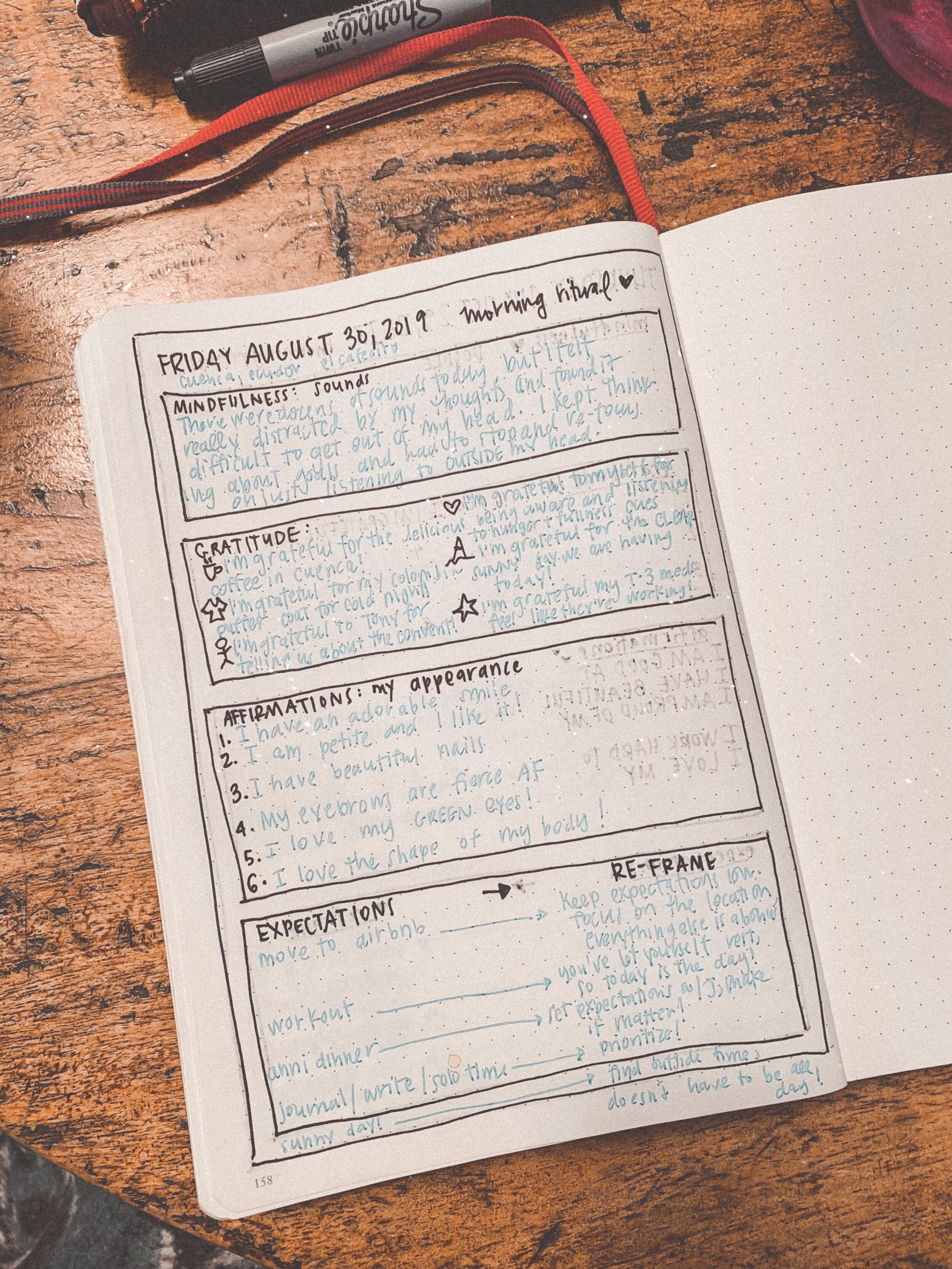
Credit: www.rachelhavekost.com
Practical Tips To Make Affirmations Work
Writing and repeating affirmations is not enough. Here are some practical tips to get results:
- Start Small: Pick one or two affirmations to begin.
- Use Visuals: Create vision boards or write affirmations on cards.
- Pair with Action: Take steps that match your affirmation.
- Track Progress: Keep a journal of your feelings and achievements.
- Adjust When Needed: Change your affirmation as your goals shift.
- Stay Patient: Results take time. Don’t give up too soon.
A non-obvious insight: Sometimes, affirmations work better when you use “I am becoming” instead of “I am,” especially for big changes. This makes the statement believable and easier to accept.
Another insight: Using affirmations during stressful moments can help calm your mind quickly. For example, before a meeting, repeat “I am calm and prepared” to reduce anxiety.
Writing Affirmations For Different Purposes
Affirmations can be used for many goals. Here’s how to write them for specific purposes.
For Confidence
- Focus on abilities and strengths.
- Use words like “confident,” “capable,” “strong.”
- Example: “I am confident in my abilities.”
For Health
- Mention actions and feelings.
- Example: “I choose healthy foods every day.”
For Relationships
- Use words like “kind,” “loving,” “valued.”
- Example: “I am a caring friend.”
For Performance
- Focus on skills and success.
- Example: “I solve problems with creativity.”
For Learning
- Mention curiosity and growth.
- Example: “I am open to new ideas.”
Each purpose needs a different approach. Make your affirmation fit your goal.
How Affirmations Compare To Other Self-help Techniques
Affirmations are just one tool. How do they compare to other methods? Here’s a comparison:
| Technique | Method | Strength | Weakness |
|---|---|---|---|
| Affirmations | Positive self-talk | Easy to start, flexible | Needs belief and repetition |
| Meditation | Mindfulness, focus | Reduces stress, improves focus | Requires quiet space, more time |
| Visualization | Imagining success | Motivates, builds clarity | Can feel unrealistic at first |
| Gratitude Journaling | Recording thankful moments | Improves mood, easy to do | May not address negative beliefs |
Affirmations work well with other techniques. Combining them can boost your results.
How To Measure The Impact Of Affirmations
You may wonder how to know if affirmations are helping. Here are ways to measure impact:
- Mood Tracking: Keep a log of your feelings before and after using affirmations.
- Goal Achievement: Write down your goals and track progress.
- Behavior Changes: Notice if you act differently after repeating affirmations.
- Feedback: Ask friends or colleagues if they see changes in you.
- Self-Reflection: Journal about your experiences.
Most people notice changes within a few weeks. If you don’t see results, adjust your affirmations or use them differently.
Using Technology To Support Affirmations
Today, many apps and websites help you practice affirmations. You can set reminders, record your voice, or join communities. Some popular features include:
- Daily affirmation notifications
- Guided affirmation sessions
- Customizable affirmation lists
- Mood tracking
For more information on positive psychology, visit Positive Psychology.
Technology makes it easier to stay consistent. But remember, the most important part is your commitment.
Affirmations For Children And Teens
Affirmations are not just for adults. Children and teens can benefit too. Here’s how to write affirmations for young people:
- Use simple language
- Focus on strengths and abilities
- Add fun or playful words
- Example: “I am a kind friend,” “I am brave when I try new things”
Encourage kids to repeat affirmations daily. This builds confidence and helps them face challenges.
Group Affirmations: Working Together
Some people use affirmations in groups—like in classrooms, therapy, or workplaces. Group affirmations can:
- Build team spirit
- Reduce stress
- Improve communication
To write group affirmations, focus on shared goals and positive actions.
Example: “We support each other’s growth,” “We work together with respect.”
Group affirmations are powerful because they create a sense of unity.
Cultural Differences In Affirmation Practice
Affirmations are used worldwide, but the style can change with culture. In some cultures, affirmations focus more on community and family. In others, they focus on individual success.
For example, in some Asian cultures, affirmations may include family or group values: “I contribute to my family’s happiness.” In Western cultures, individual goals are common: “I am successful in my work.”
Understanding cultural differences helps you write affirmations that fit your life.
Credit: www.reddit.com
Adjusting Affirmations For Personality Types
Not everyone responds to affirmations in the same way. Your personality can affect how you use them.
- Introverts: May prefer silent repetition or writing.
- Extroverts: May enjoy speaking affirmations aloud or sharing with others.
- Analytical types: Like clear, logical affirmations.
- Creative types: Prefer playful or imaginative statements.
Know your style and adjust your affirmations for best results.
The Role Of Self-talk Vs. Affirmations
Self-talk is the general conversation you have with yourself. It can be positive or negative. Affirmations are a type of positive self-talk that are intentional and focused.
Positive self-talk can happen naturally, but affirmations are chosen and repeated to shape your mindset. Using both together builds stronger habits.
Advanced Tips: Making Affirmations Stick
Once you master basic affirmations, you can use advanced techniques to make them stick:
- Pair with visualization: Imagine yourself living the affirmation.
- Record your voice: Listen to your affirmations daily.
- Create a routine: Use affirmations at set times, like before meals.
- Involve others: Share affirmations with friends or family.
- Use music: Create a playlist with affirmations.
- Link to goals: Connect affirmations to your long-term plans.
These strategies help affirmations become part of your life.
Frequently Asked Questions
What Are The Best Times To Use Affirmations?
The best times are morning and night. Starting your day with affirmations builds a positive mindset. Ending your day helps you reflect and prepare for tomorrow. You can also use affirmations before stressful events, like meetings or exams.
How Many Affirmations Should I Use?
Start with one to three affirmations. Too many can feel overwhelming and lose impact. Focus on your main goals. As you get comfortable, you can add more.
Can Affirmations Work For Everyone?
Most people benefit from affirmations, but results vary. If you struggle with belief or motivation, try adjusting your statements. Use “I am becoming” or “I am learning” to make them easier to accept.
How Long Does It Take To See Results?
It usually takes 2 to 4 weeks of daily practice to notice changes. Consistency matters more than speed. Some people see results faster, others take longer.
Should Affirmations Be Written Or Spoken?
Both methods work. Speaking affirmations out loud makes them stronger. Writing helps you reflect and remember. Choose the method that fits your personality.
Every affirmation is a small step toward a bigger change. When you learn how to write affirmations well and use them daily, you shape your mindset, build confidence, and open new possibilities. Your words have power—use them wisely and see what you can achieve.
