

How to Use Positive Affirmations for Kids: Boost Confidence Fast
How To Use Positive Affirmations For Kids
Positive affirmations are simple, powerful statements that help children build confidence, improve self-esteem, and develop a healthy mindset. These phrases are more than just words—they shape how kids see themselves and the world. When used thoughtfully, affirmations can help children face challenges, overcome doubts, and feel good about who they are.
Many parents and teachers use affirmations, but the real impact comes from knowing how to introduce them, make them meaningful, and use them daily.
Kids are naturally curious and impressionable. The way adults speak to them, and how they learn to speak to themselves, creates patterns that last a lifetime. Positive affirmations can rewrite these patterns, promoting resilience and emotional strength. This article explores how to use positive affirmations for kids, practical methods, common mistakes, and real examples.
You'll learn how to make affirmations a joyful, effective part of your child's life—whether at home, school, or anywhere else.
What Are Positive Affirmations?
Positive affirmations are short, encouraging statements that focus on strengths, abilities, or positive feelings. For kids, these phrases might sound like “I am brave,” “I can solve problems,” or “I am loved. ” The goal is to help children believe these statements by repeating them regularly.
Affirmations are rooted in the idea that our thoughts shape our actions and emotions. By repeating positive messages, children start to see themselves in a new way. This can lead to better performance at school, more patience with challenges, and greater self-acceptance.
How Affirmations Work
When a child says or hears an affirmation, it activates the brain’s reward system. Over time, this repetition helps build new pathways in the brain. These pathways make positive thoughts easier and automatic. This process is called neuroplasticity—the brain’s ability to change and grow.
For example, a child who often says, “I am good at math,” will start feeling more confident in math class. Even if they struggle, the affirmation helps them try harder and worry less about mistakes.
Why Positive Affirmations Matter For Kids
Children are learning about themselves every day. They face pressures from school, friends, and even social media. These pressures can lead to negative self-talk, doubts, and low confidence. Positive affirmations fight these negative patterns and encourage growth.
Boosting Self-esteem
Kids who use affirmations regularly tend to feel better about themselves. Studies show that positive self-talk helps children:
- Feel more confident
- Try new things without fear
- Handle mistakes with patience
- Build stronger relationships
This boost in self-esteem helps them face challenges with a “can-do” attitude.
Reducing Anxiety And Stress
Many children feel anxious or stressed—especially before tests, performances, or big changes. Positive affirmations offer comfort. By saying “I am prepared” or “I can handle this,” kids learn to calm their minds and focus on solutions.
Encouraging Growth Mindset
A growth mindset means believing that abilities can improve with effort. Affirmations like “I can learn from mistakes” or “I get better every day” help children adopt this mindset. Instead of feeling stuck, they see challenges as chances to grow.
Real-life Results
Research from leading child development centers shows that kids who practice affirmations:
- Are 30% more likely to take healthy risks (like trying new sports or speaking in class)
- Experience fewer feelings of helplessness or frustration
- Build stronger connections with peers and teachers
For example, a shy child who starts using “I am confident” can gradually become more outgoing and participate more in group activities.

Credit: www.thepathway2success.com
Choosing The Right Affirmations For Kids
Not all affirmations work for every child. To be effective, affirmations must feel real and match the child’s age, personality, and needs.
Age-appropriate Affirmations
Younger children benefit from simple, concrete affirmations. Examples include:
- “I am kind.”
- “I am a good friend.”
- “I can share.”
Older kids may prefer more specific or goal-focused statements:
- “I can solve problems.”
- “I am creative.”
- “I can ask for help when needed.”
Personalizing Affirmations
Affirmations should reflect what matters to the child. If your child struggles with reading, use “I am getting better at reading. ” If they’re shy, try “I am brave in new situations. ”
Ask your child what they want to feel or improve. Let them help choose or create their own affirmations. This increases ownership and motivation.
Positive, Present, And Believable
Effective affirmations are:
- Positive (not “I won’t fail” but “I will succeed”)
- Present tense (“I am strong” not “I will be strong”)
- Believable (avoid unrealistic statements like “I am the best at everything”)
Comparing Types Of Affirmations
Here’s a simple comparison of affirmation types for different age groups:
| Age Group | Sample Affirmations | Best Usage |
|---|---|---|
| 3–6 years | "I am happy" "I can listen" |
Simple, daily routines |
| 7–10 years | "I can solve problems" "I am learning every day" |
Before tests, new activities |
| 11–14 years | "I can handle challenges" "I am confident in my choices" |
Peer interactions, school projects |
How To Introduce Affirmations To Kids
Introducing affirmations requires patience and creativity. Kids need to understand why affirmations matter and how to use them in fun, meaningful ways.
Start With Conversations
Talk to your child about what affirmations are. Explain that these are positive statements that help us feel strong and happy. Use simple examples and ask questions like:
- “How does it feel when someone says something nice to you?”
- “What would you like to believe about yourself?”
Make It Visual
Kids love visuals. Write affirmations on colorful cards, sticky notes, or posters. Place them where your child will see them—on their bedroom wall, bathroom mirror, or lunchbox.
Use Stories And Characters
Children connect with stories. Share books or stories where characters overcome difficulties by believing in themselves. Encourage your child to imagine their favorite character using affirmations.
Practice Together
Show your child how to say affirmations aloud. You can take turns, use silly voices, or sing them. Make it a fun, daily ritual—like before bedtime or on the way to school.
Example Routine
A morning affirmation routine could look like this:
- Read three affirmations together.
- Repeat each one twice.
- Give a high-five after each.
This simple routine takes just a few minutes but sets a positive tone for the day.
Making Affirmations Part Of Daily Life
Affirmations work best when they become a habit. Integrating them into daily routines makes them natural and effective.
Morning And Night
Start or end the day with affirmations. Morning affirmations help kids feel ready for the day. Evening affirmations encourage reflection and gratitude.
During Challenging Moments
Remind your child to use affirmations when facing challenges. For example, before a test, say “I am prepared. ” If they’re upset after a mistake, use “I can learn from this. ”
Using Affirmations At School
Teachers can incorporate affirmations in the classroom. For example, start the day with a group affirmation or display them on a classroom board. This creates a supportive environment and helps every child feel included.
Technology And Apps
There are apps and websites designed for kids to practice affirmations. Some apps send daily reminders or offer playful affirmation games. Choose tools that match your child’s interests and age.
Tracking Progress
Keep a simple journal or chart to track which affirmations your child uses. Celebrate small wins—like feeling more confident or trying something new. This helps kids see their growth and stay motivated.
Common Mistakes And How To Avoid Them
Using affirmations is simple, but certain mistakes can reduce their impact or make them feel forced.
Using Unrealistic Statements
If an affirmation is too unrealistic, kids may reject it. For example, “I am the smartest kid in the world” can feel false. Instead, use “I am learning new things every day. ”
Not Practicing Regularly
Affirmations need repetition to work. If you use them only once or twice, the effect is small. Make affirmations part of daily routines.
Ignoring Feelings
Sometimes, kids don’t believe an affirmation right away. It’s okay to talk about doubts and feelings. Encourage your child to share how they feel and adjust affirmations as needed.
Forcing Affirmations
Affirmations should never feel like punishment or pressure. If your child resists, try making affirmations a game or let them create their own. Respect their pace and comfort.
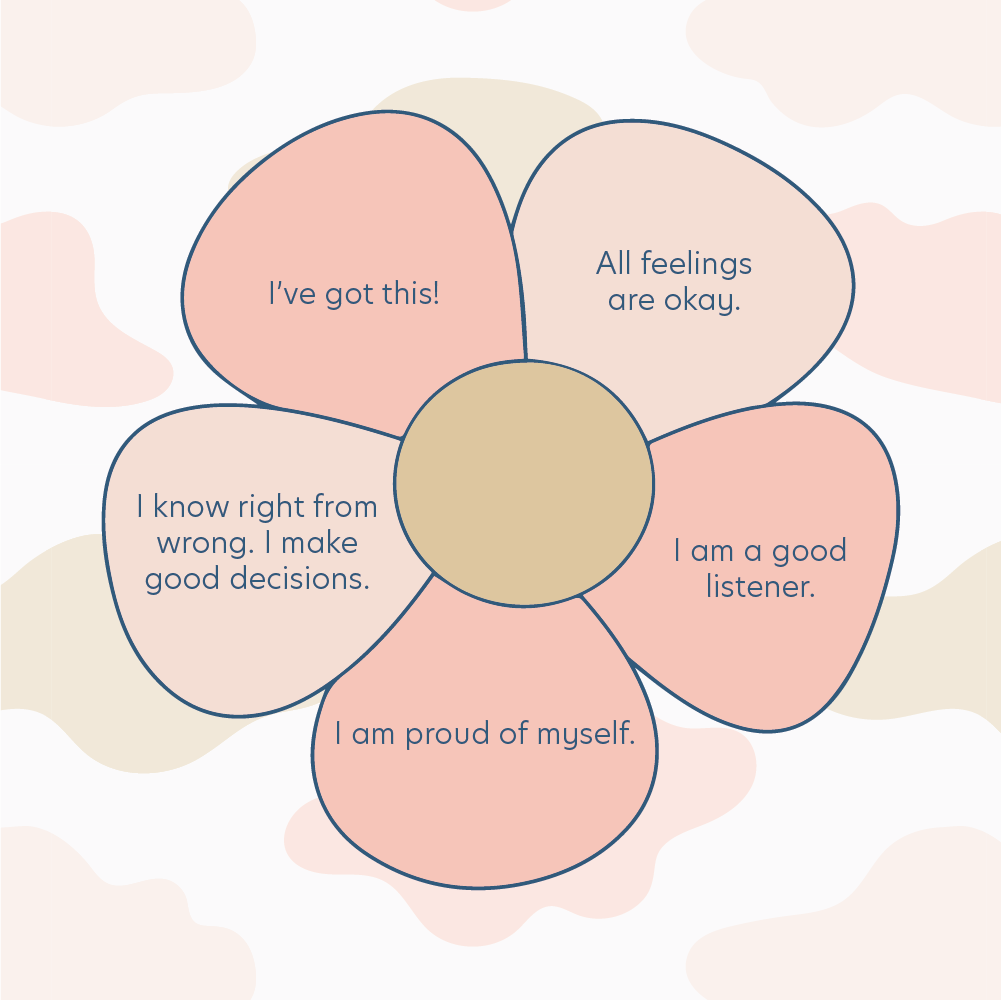
Credit: brightpathkids.com
Practical Ways To Use Affirmations
There are many creative ways to help kids use affirmations. Pick methods that fit your child’s personality and daily life.
Affirmation Cards
Create colorful cards with positive messages. Kids can pick a card each morning or whenever they need a boost. You can buy cards or make your own together.
Affirmation Jar
Write affirmations on slips of paper and put them in a jar. When your child feels sad or anxious, let them pull out a slip and read it aloud.
Affirmation Songs
Turn affirmations into songs or chants. Music makes affirmations memorable and fun.
Affirmation Posters
Decorate a poster with favorite affirmations. Hang it in a visible place. Kids can add new statements as they grow.
Affirmation Apps
Some apps offer daily reminders, games, or guided exercises. Find apps designed for children and check for privacy and age-appropriate content.
Comparing Affirmation Methods
Here’s a comparison of popular affirmation methods:
| Method | Age Suitability | Benefits |
|---|---|---|
| Cards | 3–10 years | Easy to use, portable, visual |
| Jar | 5–12 years | Interactive, surprise element |
| Posters | 6–14 years | Creative, customizable |
| Apps | 8–14 years | Tech-friendly, reminders |
Positive Affirmations For Specific Challenges
Kids face different challenges. Tailoring affirmations helps address specific worries or goals.
For Anxiety
- “I can calm myself.”
- “I am safe.”
- “I can ask for help.”
For Learning Difficulties
- “I learn at my own pace.”
- “I am smart in different ways.”
- “I can solve problems.”
For Friendship Troubles
- “I am a good friend.”
- “I can talk about my feelings.”
- “I am kind to others.”
For Sports And Activities
- “I try my best.”
- “I can improve with practice.”
- “I am proud of my effort.”
For Family Changes
- “I can handle changes.”
- “My family loves me.”
- “I am strong inside.”
By matching affirmations to real situations, kids feel understood and supported.

Credit: ripplekindness.org
Examples Of Effective Affirmations For Kids
Here are some tried-and-true affirmations that help kids grow emotionally and socially:
- I am brave.
- I am loved.
- I can learn new things.
- I am kind.
- I am important.
- I can make good choices.
- I am proud of myself.
- I can ask for help.
- I am unique.
- I can try again.
These statements are simple, positive, and easy to remember. Kids can repeat them at home, school, or anywhere they need encouragement.
Involving Families And Teachers
Affirmations are most effective when supported by adults. Families and teachers play a big role in helping kids use and believe positive statements.
Parents
Parents can model affirmations by using them themselves. For example, say “I am grateful for today” or “I am patient. ” Kids learn by watching and hearing adults.
Encourage your child to share their favorite affirmations. Make it a family activity—everyone can choose an affirmation for the day.
Teachers
Teachers can use affirmations in the classroom. Start lessons with a group affirmation, write them on the board, or use them during transitions. Affirmations help create a positive classroom culture.
Community Support
Some communities offer workshops or groups focused on self-esteem and positive thinking. Look for local resources, books, or online support. For deeper research, visit American Psychological Association.
Measuring The Impact Of Affirmations
It’s important to know if affirmations are making a difference. While results can be subtle, there are ways to measure progress.
Behavior Changes
Look for signs like:
- Increased confidence in new situations
- More positive self-talk
- Improved relationships with peers and adults
Emotional Growth
Kids may become more patient, less anxious, or show greater resilience. They might try new activities or recover faster from setbacks.
Academic Improvement
Some children show better focus, willingness to try, and lower stress in school. Affirmations can support academic growth by reducing fear of failure.
Tracking Progress With A Simple Table
Here’s a basic way to track your child’s progress:
| Area | Before Affirmations | After 3 Months |
|---|---|---|
| Confidence | Shy, avoids new tasks | Tries new things, speaks up more |
| Self-Talk | Negative, “I can't do it” | Positive, “I will try” |
| Stress Levels | High anxiety before tests | Calmer, uses affirmations |
Non-obvious Insights To Improve Success
Many parents and teachers overlook these important factors:
- Affirmation Timing Matters: Saying affirmations during emotional moments (like after a mistake or before a challenge) is more effective than random times.
- Affirmations Work Best with Actions: Pairing a positive statement with a small action—like taking a deep breath or standing tall—helps kids feel the words physically.
- Consistency Is Key: Even if your child doesn’t seem to believe an affirmation, keep practicing. It often takes weeks before real change is noticed.
- Let Kids Lead: Allow children to create their own affirmations. Ownership increases motivation and belief.
Practical Tips For Parents And Teachers
- Use simple language: Keep affirmations easy to understand.
- Be consistent: Practice daily, not just during problems.
- Show enthusiasm: Kids copy adult attitudes.
- Listen: Let children share how affirmations make them feel.
- Celebrate progress: Notice and praise small improvements.
- Avoid pressure: Let affirmations be fun, not forced.
Frequently Asked Questions
How Many Affirmations Should A Child Use Each Day?
Two to three affirmations daily is enough for most children. It’s better to repeat a few meaningful statements than overwhelm with many. Consistency matters more than quantity.
What If My Child Doesn’t Believe The Affirmations?
It’s normal for kids to doubt affirmations at first. Encourage them to keep practicing and pair affirmations with positive actions. Adjust statements to be more realistic if needed.
Can Affirmations Help Children With Learning Difficulties?
Yes. Affirmations can boost confidence and reduce anxiety. Choose affirmations that focus on effort, growth, and unique strengths. For children with learning challenges, affirmations like “I learn in my own way” are helpful.
Are There Any Risks With Using Affirmations?
Affirmations are safe when used positively and appropriately. Avoid unrealistic or pressured statements. Affirmations should never replace professional help for serious emotional issues.
How Can Teachers Use Affirmations In The Classroom?
Teachers can start the day with group affirmations, display them in the classroom, or use them during transitions. Encourage students to create their own affirmations and share them with the class.
---
Positive affirmations for kids are more than just words—they are tools for growth, confidence, and resilience. By choosing the right affirmations, making them a daily habit, and involving family and teachers, you give children a strong foundation for lifelong success.
The journey takes patience, creativity, and consistency, but the rewards are lasting. With the right approach, kids learn to face challenges, believe in themselves, and thrive.
