

How to Practice Positive Affirmations
Many people struggle with self-doubt, stress, or negative thoughts. If you feel overwhelmed or discouraged, you are not alone. There is a simple tool that can help: positive affirmations. These are short, powerful statements you say to yourself, often daily, to build confidence and shift your mindset. Practicing positive affirmations can change how you see yourself, boost your motivation, and even improve your health. But to get real benefits, you need to use them correctly. This article will guide you step-by-step, show you what works, and help you avoid mistakes that beginners often make.
What Are Positive Affirmations?
Positive affirmations are sentences you repeat to yourself to support a healthy, confident attitude. For example, you might say, “I am strong,” or “I can handle challenges.” The idea is simple: your mind listens to what you say. If you keep repeating positive thoughts, your brain starts to believe them. This can help you break old habits, reduce anxiety, and become more resilient.
Most people think affirmations are just “wishful thinking. ” But research shows they can be effective. According to studies, using affirmations regularly can lower stress, improve self-esteem, and help people stick to healthy routines. The key is consistency and choosing the right words.
Positive affirmations can also help you create new patterns in your thinking. For example, if you often think, “I’m not good enough,” an affirmation like “I am capable and worthy” helps to interrupt that negative cycle. Over time, this repetition can help you believe in your strengths instead of your weaknesses.
How Do Affirmations Work?
Your brain is always listening. When you repeat positive statements, you train your mind to focus on strengths instead of weaknesses. Over time, this becomes natural. It’s similar to exercise: you get stronger with practice. Affirmations help you:
- Change negative beliefs
- Increase self-confidence
- Improve focus and motivation
Another detail many people miss: your subconscious mind does not judge what you say—it simply accepts repeated ideas as true. This is why saying, “I am learning and growing every day,” can slowly become a reality, even if you don’t fully believe it at first.
One non-obvious insight: affirmations work best when you believe they are possible, not when you force yourself to say things that feel fake. The closer the statement is to your real life, the more your mind accepts it. For example, instead of saying “I am the best in the world,” which may feel untrue, you might say “I am getting better every day,” which is easier to accept and believe.
Benefits Of Positive Affirmations
Practicing positive affirmations brings many benefits. Here are some of the most important ones:
1. Boosts Self-esteem
When you tell yourself positive things, your confidence grows. You start to see your own value. For example, students who use affirmations before presentations often report feeling less nervous and more prepared.
2. Reduces Stress
Affirmations help calm the mind. They reduce worry and help you feel in control. If you face a stressful situation at work, repeating “I am calm and focused” can help you relax and think more clearly.
3. Improves Health
Some studies suggest that people who use affirmations feel less pain and recover faster from illness. For instance, patients using affirmations report lower blood pressure and a greater sense of wellbeing during recovery.
4. Helps Build Healthy Habits
Affirmations can support goals like exercising, eating well, or quitting bad habits. If you want to exercise more, repeating “I enjoy moving my body” can make it easier to start.
5. Supports Mental Health
Regular practice can reduce symptoms of depression and anxiety. People who use affirmations often notice they feel more hopeful and less overwhelmed.
Another valuable insight: affirmations can improve your relationships. When you feel good about yourself, you are more patient, kind, and open with others. This creates a more positive environment around you.
Many beginners miss that affirmations are not magic. They are a tool for changing your attitude, but you still need to take action in your life. For example, saying “I am healthy” works best when paired with healthy choices like eating well and exercising.
Scientific Evidence Behind Affirmations
Some people doubt affirmations because they sound too simple. But science supports their effects. Research from top universities shows that using self-affirmation techniques can:
- Lower stress hormones
- Improve performance in school and work
- Help people recover from setbacks
In one study, students who practiced affirmations before tests scored higher than those who did not. Another study found that people with chronic pain felt better when they used affirmations regularly.
Another example: scientists found that people who used affirmations had lower levels of cortisol, the “stress hormone,” after facing a difficult task. This means affirmations can help your body handle stress, not just your mind.
Here’s a comparison of affirmation benefits based on research:
| Benefit | Evidence Strength | Typical Outcome |
|---|---|---|
| Reduced Stress | High | Lower anxiety, calmer mood |
| Improved Self-Esteem | Medium | More confidence, better self-image |
| Better Performance | Medium | Higher scores, more motivation |
| Physical Health Benefits | Low | Less pain, faster recovery |
Not everyone will get the same results, but the science is clear: affirmations can help you feel better and perform better.
A less obvious point: affirmations work best when combined with other positive actions. For example, students who use affirmations and study regularly perform better than those who just use affirmations alone.
How To Create Effective Positive Affirmations
Choosing the right words is essential. If you pick statements that feel unrealistic, your mind may reject them. Here are key tips for making affirmations that work:
1. Keep Them Short And Simple
Use easy language. Short sentences are easier to remember and repeat. For example: “I am capable,” or “I choose happiness.” Long or complicated phrases are harder for your mind to accept.
2. Use Present Tense
Say “I am,” not “I will be. ” This makes the affirmation feel real now, not in the future. For example, “I am a good listener” is stronger than “I will try to listen better. ”
3. Make Them Personal
Use “I” or “my.” The affirmation should be about you. Example: “I am proud of my progress.” Avoid using words like “you” or “we” unless you are saying them with others.
4. Focus On What You Want
Avoid negative words like “not” or “don’t. ” Say, “I am calm,” instead of “I am not stressed. ” The brain sometimes ignores “not” and focuses on the rest of the sentence.
5. Be Specific
Vague statements don’t work well. If you want to improve your health, say, “I enjoy healthy foods,” instead of “I am healthy. ” If you want to be better at public speaking, use “I speak with clarity and confidence. ”
6. Choose Believable Statements
If you say something you don’t believe, it can backfire. Start with statements you can accept. For example, instead of “I am rich,” say, “I am learning to manage my money. ” If you start small, you can build up to bigger affirmations as your confidence grows.
7. Add Emotion
Include words that show feeling, like “I am grateful,” or “I am excited about my goals. ” Emotion helps the mind connect with the message and makes it more powerful.
Here’s an example table comparing weak vs strong affirmations:
| Weak Affirmation | Strong Affirmation | Reason |
|---|---|---|
| I will try to be happy | I am happy now | Uses present tense, feels real |
| I don’t want to be stressed | I am calm and relaxed | Focuses on positive, not negative |
| I wish I had confidence | I am confident in myself | Personal, positive, specific |
A practical tip: If you have trouble believing your affirmation, add words like “I am learning to,” or “I am open to.” For example, “I am learning to trust myself.”
Steps To Practice Positive Affirmations
Starting with affirmations is easy, but making them work takes practice. Follow these steps to get the best results:
Step 1: Choose Your Affirmations
Pick 3–5 statements that fit your goals and feel comfortable. Write them down. You can adjust them as you grow.
Step 2: Set A Routine
Decide when you will repeat your affirmations. Morning is good because it sets your mood for the day. Some people prefer before bed. Other good times include during a lunch break or before important events.
Step 3: Say Them Out Loud
Speak your affirmations clearly. Hearing your own voice helps your brain accept the message. You might feel silly at first, but over time this becomes normal.
Step 4: Repeat Daily
Consistency is key. Practice every day, even if you don’t feel the effects right away. It’s like watering a plant—you may not see growth at first, but it will come.
Step 5: Visualize Success
As you say your affirmations, picture yourself succeeding. Imagine the feeling, not just the words. For example, if your affirmation is “I am confident,” see yourself speaking confidently in front of a group.
Step 6: Write Them Down
Writing adds power. Keep a notebook and write your affirmations daily. You can also write them on cards and carry them with you.
Step 7: Review And Adjust
Change your affirmations as your goals change. If one feels wrong, update it. Your needs and goals will shift over time—your affirmations should too.
Many beginners skip visualization or writing. These steps make affirmations much stronger. Also, saying affirmations at the same time every day helps build a lasting habit.
Examples Of Positive Affirmations
Here are some examples to get you started. You can change them to fit your needs.
- “I am strong and capable.”
- “I choose to be happy today.”
- “I am worthy of love and respect.”
- “I learn from my mistakes.”
- “I am in control of my thoughts.”
- “I trust myself to make good choices.”
- “I am grateful for my life.”
- “I am improving every day.”
- “I handle challenges with calm.”
- “I am proud of who I am.”
You can also create affirmations for specific areas:
Health:
“i Enjoy Healthy Foods.”
“my Body Is Energetic And Strong.”
Work:
“i Am Focused And Productive.”
“i Am Confident In My Skills.”
Relationships:
“i Communicate Clearly And Kindly.”
“i Attract Positive People Into My Life.”
For parents, an example could be “I am patient and loving with my children. ” For students, “I am prepared and ready to learn. ”
A useful tip: adapt affirmations to your culture, language, or religion if that feels more natural. Personal meaning boosts effectiveness.

Credit: nikkiyeltonrd.com
Common Mistakes When Practicing Affirmations
Even though affirmations seem simple, many people make mistakes that reduce their effectiveness. Here are some to avoid:
1. Choosing Unbelievable Statements
If you don’t believe the affirmation, your mind fights back. Start small. For example, “I am learning to be confident” is more believable than “I am always confident. ”
2. Skipping Practice
Saying affirmations once a week will not help. Daily practice is necessary. Set reminders if you forget.
3. Using Negative Words
Phrases like “I am not afraid” focus your mind on fear. Use positive wording. Say, “I am calm and brave. ”
4. Ignoring Emotions
Flat, unemotional statements don’t work well. Put feeling into your words. Smile as you say them or use a strong, clear voice.
5. Expecting Immediate Results
Affirmations are not instant. It can take weeks to see changes. Be patient and notice small shifts in your thoughts and feelings.
6. Not Personalizing Affirmations
Using generic statements is less effective. Make them fit your situation. For example, “I am a good listener” works better if listening is your goal.
7. Repeating Too Many At Once
Focus on a few key affirmations. Too many can be confusing. Quality is better than quantity.
One insight: Many people stop because they don’t see fast results. Stick with it. Your brain needs time to adjust.
Another thing beginners miss: Don’t use affirmations to avoid real problems. If you need to take action—like talking to someone or seeing a doctor—affirmations should support action, not replace it.
Advanced Techniques To Boost Affirmation Practice
If you want to get more from affirmations, try these advanced methods:
Visualization
Imagine yourself living your affirmations. If your statement is “I am confident,” picture yourself speaking confidently in a meeting or with friends. Try to feel the emotions as if it’s already true.
Mirror Work
Stand in front of a mirror and say your affirmations. Looking into your own eyes makes the message stronger. This technique is especially useful for building self-love and self-acceptance.
Writing Affirmations
Write your statements in a journal every day. This deepens your commitment. Handwriting is best because it connects your mind and body.
Using Apps
There are apps that remind you to practice affirmations and help track your progress. Technology can support your routine. Some apps even send you positive notifications during the day.
Pair With Meditation
Combining affirmations with meditation helps you relax and focus. Start with a few deep breaths, then repeat your affirmations. This can help your mind accept the message more deeply.
Record And Listen
Record yourself saying your affirmations and listen during the day. Hearing your own voice is powerful. Play your recording during your commute or while exercising.
Here’s a comparison table of basic vs advanced affirmation techniques:
| Technique | Effort Needed | Expected Impact |
|---|---|---|
| Repeating Out Loud | Low | Good for beginners |
| Mirror Work | Medium | Builds self-trust |
| Visualization | Medium | Enhances belief |
| Writing Daily | Medium | Boosts commitment |
| App Reminders | Low | Supports routine |
| Meditation Pairing | High | Deepens impact |
| Audio Recording | Medium | Strengthens message |
Try combining two or three techniques for even better results. For example, say your affirmation in the mirror, then write it down.

Credit: kyliejohnsonart.com
Integrating Affirmations Into Daily Life
Affirmations work best when they become part of your day. Here are practical ways to fit them into your routine:
Morning Routine
Start your day with affirmations. Say them after waking up, before breakfast, or during your commute. This sets a positive tone for your whole day.
Bedtime Practice
Repeat affirmations before sleep. This helps your mind process positive thoughts overnight. Some people find they sleep better and wake up in a better mood.
During Stressful Moments
Use affirmations when you feel anxious or upset. They can calm your mind and help you refocus. For example, repeat “I am safe and in control” if you feel nervous before a meeting.
Habit Pairing
Link affirmations to daily habits. For example, say them while brushing your teeth or washing your hands. This makes practice automatic.
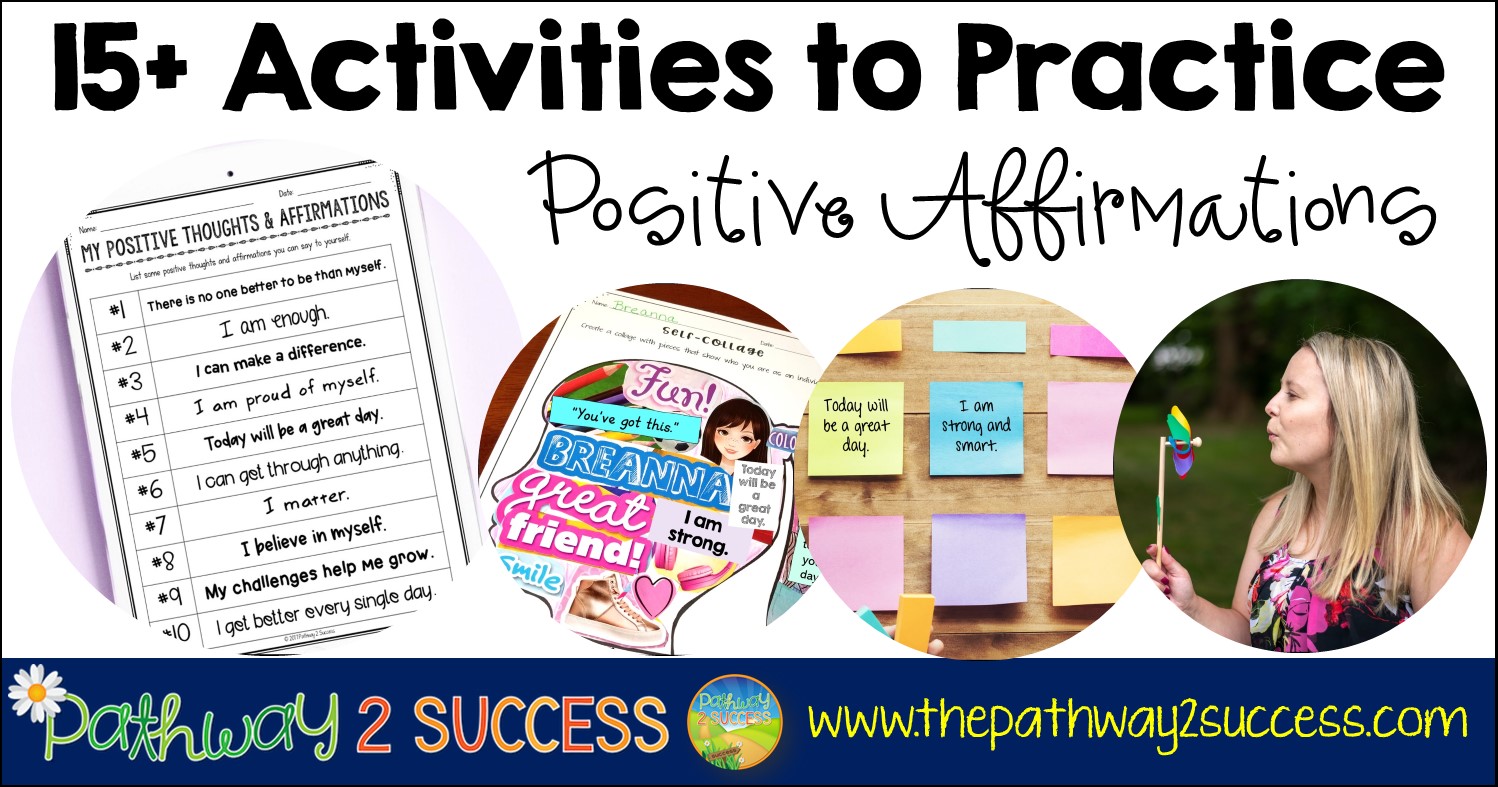
Sticky Notes
Write affirmations on sticky notes and place them where you see them: bathroom mirror, fridge, or desk. Visual reminders help you stay consistent.
Phone Reminders
Set reminders on your phone to repeat affirmations at certain times. You can even use your phone wallpaper as an affirmation.
Group Practice
Share affirmations with friends or family. Practicing together builds encouragement. In some workplaces, teams use group affirmations before meetings to boost morale.
One insight: Pairing affirmations with existing habits makes them easier to remember and practice. If you already have a routine, adding affirmations is simple and sustainable.
Measuring Progress With Affirmations
It’s important to track your progress. Affirmations are about change, and seeing results keeps you motivated.
Journaling
Write about your feelings and experiences. Note any changes in mood, confidence, or habits. Even small improvements are signs of progress.
Mood Tracking
Rate your mood before and after affirmations. Some apps can help with this. Over time, you may notice your average mood improves.
Goal Review
Check if you are moving closer to your goals. Affirmations should support real change. For example, if you use affirmations for public speaking, track your comfort level each time you speak.
Feedback From Others
Ask friends or family if they notice changes in your attitude or behavior. Sometimes others see your growth before you do.
Adjusting Affirmations
If you don’t see results, change your statements or practice. Experiment to find what works best. There is no perfect formula—flexibility leads to better outcomes.
Many beginners forget to measure progress. This makes it hard to see benefits, so keep track. Celebrate small wins, like feeling a little more confident or less anxious.
Credit: www.thepathway2success.com
Who Can Benefit From Affirmations?
Affirmations are helpful for almost anyone:
- Students: Boost confidence before exams
- Professionals: Improve work performance and motivation
- Athletes: Build focus and resilience
- Parents: Support patience and self-care
- People with health issues: Manage pain and stress
- Anyone with low self-esteem: Build a positive self-image
You don’t need special skills. Anyone can start and benefit from practicing affirmations.
People facing big life changes, such as moving to a new country or starting a new job, can also find affirmations helpful. They provide a sense of stability and control.
When Affirmations May Not Work
Affirmations are useful, but they are not a cure for serious mental health problems. If you have deep depression, trauma, or anxiety, affirmations can help, but professional support is important. Sometimes, repeating statements that feel false can make things worse.
Always start with believable statements, and seek help if needed.
If you ever feel that affirmations are making you feel worse, or if negative thoughts grow stronger, pause and consider speaking to a counselor or therapist. Affirmations are one tool—not the only answer.
For more on the science and psychology of affirmations, visit Wikipedia.
Frequently Asked Questions
What Are Positive Affirmations?
Positive affirmations are short statements you repeat to yourself to build confidence and change your mindset. They help you focus on strengths, feel more positive, and reach your goals.
How Often Should I Practice Affirmations?
For best results, practice every day. Many people repeat affirmations in the morning and before bed. Consistency is important to see change.
Can Affirmations Help With Anxiety Or Depression?
Affirmations can support mental health, but they are not a cure for serious problems. If you have anxiety or depression, use affirmations along with professional help.
Should I Write Or Speak Affirmations?
Both are effective. Speaking out loud helps your brain accept the message, while writing deepens your commitment. Doing both is even better.
How Long Does It Take To See Results From Affirmations?
You may notice changes in days or weeks. For some, it takes longer. The key is daily practice and adjusting affirmations as needed.
Practicing positive affirmations is a powerful way to shape your thoughts and build a better life. With the right words, consistent practice, and a belief in your ability to grow, you can use affirmations to overcome challenges and find greater happiness.
Start small, stay patient, and watch your confidence and wellbeing improve day by day.
