

How to Make Affirmation Cards at Home: Easy DIY Guide
Creating affirmation cards at home can be a rewarding and uplifting experience. These cards are more than just paper with words—they are powerful tools for self-growth, motivation, and mental well-being. Whether you want to support your personal journey, encourage a friend, or add positivity to your workspace, learning to make your own affirmation cards brings a personal touch that store-bought sets can’t match.
Many people feel overwhelmed when starting creative projects, but making affirmation cards is simple and flexible. You don’t need special skills or expensive materials. In fact, the process itself is therapeutic and can boost your mood. You’ll discover that the value lies not just in the finished cards, but in the mindful time you spend crafting them.
This article will guide you through every step of making affirmation cards at home—from gathering supplies to designing, decorating, and using your cards. Along the way, you’ll find practical tips, creative ideas, and insights that even beginners often overlook. By the end, you’ll have a set of affirmation cards that truly reflects your personality and intentions.
Why Use Affirmation Cards?
Affirmation cards are small, often handheld cards that display positive statements or intentions. People use them for self-motivation, mental focus, and emotional support. The science behind affirmations is simple: repeating positive statements can help rewire your brain to think more constructively.
Studies show that daily affirmations can reduce stress, improve self-esteem, and even boost performance at work or school. For example, research from the American Psychological Association highlights how positive self-talk can help people handle challenges better and feel more confident.
When you make your own affirmation cards, you add a personal layer to this practice. Your handwriting, color choices, and designs create a stronger connection to the messages. This makes the affirmations more meaningful and effective.
Choosing Materials For Your Cards
The first step is to gather your supplies. You don’t need anything fancy, but selecting the right materials makes your cards more enjoyable to use and longer-lasting.
Basic Supplies
You’ll need:
- Cardstock or thick paper (for durability)
- Pens, markers, or colored pencils
- Scissors or a paper cutter
- Ruler (for straight lines)
- Glue or double-sided tape (if adding decorations)
- Decorative elements (optional: Stickers, washi tape, stamps)
Comparing Cardstock Types
Not all paper is created equal. Here’s a quick look at popular options for homemade affirmation cards:
| Material | Pros | Cons |
|---|---|---|
| Standard Cardstock | Affordable, easy to find, sturdy | May not be as smooth for markers |
| Watercolor Paper | Great for painting, very thick | More expensive, can be hard to cut |
| Pre-cut Blank Cards | Perfect size, saves time | Less flexible with custom sizes |
Tip: If you plan to use watercolors or paint, choose watercolor paper. If you prefer drawing or writing, regular cardstock is perfect.
Planning Your Affirmations
Before you start decorating, decide what messages you want on your cards. This step is often skipped, but it’s the heart of your project.
How To Write Good Affirmations
A strong affirmation is:
- Positive: Focus on what you want, not what you don’t want.
- Present tense: Write as if it’s happening now (“I am confident,” not “I will be confident”).
- Personal: Use “I” statements.
- Simple: Short phrases are easier to remember and feel.
Examples Of Affirmations
- “I am enough.”
- “I choose to be happy.”
- “My ideas are valuable.”
- “I trust myself.”
- “Every day brings new opportunities.”
You can write your own or find inspiration from books, websites, or quotes. If you’re making cards for someone else, think about what they need to hear.
How Many Cards To Make?
Start with 10–20 cards. This gives you variety without feeling overwhelming. You can always add more later.
Organizing Your Affirmations
Some people like to group their cards by theme. Here are common categories:
- Self-love
- Courage
- Gratitude
- Productivity
- Calmness
If you want, write your themes on the back or use different colors for each group.
Designing Your Card Layout
Now it’s time to think about the look of your cards. You don’t need to be an artist—simple designs are often the most powerful.
Card Size And Shape
Most affirmation cards are palm-sized. Common sizes:
- 3 x 5 inches (index card size)
- 2.5 x 3.5 inches (playing card size)
- 4 x 6 inches (postcard size)
Cut your cardstock into rectangles or experiment with shapes like circles or hearts.
Layout Tips
- Keep the main affirmation in the center.
- Leave space for decoration.
- Use a consistent style for all cards, or make each one unique.
Non-obvious insight: Rounded corners make cards last longer and feel nicer to hold. You can use scissors or a corner rounder for this detail.
Decorating Your Cards
This is where your creativity shines. Decorating helps the affirmations stand out and makes the cards enjoyable to use.
Simple Decoration Ideas
- Draw borders or simple patterns.
- Add small doodles (stars, flowers, hearts).
- Use color to highlight keywords.
- Stickers or washi tape for quick decoration.
Using Color
Color has a big effect on mood. For example, blue is calming, yellow is cheerful, and green is balancing. Choose colors that match the feeling of each affirmation.
Adding Texture
Glue on fabric, ribbon, or textured paper for a unique touch. Just make sure the card still fits in your hand and storage box.
Hand Lettering Tips
You don’t need calligraphy skills. Try:
- Writing in block letters for emphasis.
- Mixing upper and lower case for variety.
- Using a bold marker for keywords.
Practical tip: Practice your lettering on a scrap piece of paper before writing on the card.
Creative Themes And Styles
Affirmation cards don’t have to look the same. You can match them to your personality or current mood.
Ideas For Themed Sets
- Nature: Use leaves, flowers, or animal images.
- Minimalist: Simple fonts, black and white, clean lines.
- Boho: Warm colors, hand-drawn patterns, feathers.
- Inspirational Quotes: Mix affirmations with short quotes from your favorite authors or leaders.
Personal Photos
Print small photos (like places that inspire you or loved ones) and glue them to the card next to the affirmation.
Using Stamps And Stencils
Stamps and stencils make decoration fast and neat. You can buy alphabet stamps for perfect lettering or shape stencils for borders.

Credit: www.amazon.com
Step-by-step Process To Make Affirmation Cards
Here’s a simple workflow to follow, even if you’re completely new to crafts:
- Gather all supplies and clear a workspace.
- Cut your cardstock into your chosen size and shape.
- Plan your affirmations and write them on a separate sheet.
- Lightly sketch your design on each card in pencil.
- Write the affirmation in the center of each card.
- Add color and decorations as you like.
- Let ink or paint dry before stacking cards together.
- Round corners (optional) for a polished look.
- Store your cards in a box, pouch, or tie with a ribbon.
Non-obvious insight: If you make a mistake, glue a small piece of paper over it and write again. This “layered” look can add character to your card.
Protecting And Storing Your Cards
Homemade cards can last a long time if you care for them.
Laminating
Laminating adds a plastic layer that protects against spills and tears. You can use a home laminator or self-adhesive laminating sheets (no machine needed). Laminated cards feel sturdy and professional.
Using Card Sleeves
Plastic sleeves (the kind used for trading cards) are cheap and keep your cards clean. They also let you swap cards in and out of a deck easily.
Storage Ideas
- Decorative boxes
- Small pouches or bags
- Rubber bands or ribbon for bundles
Store your cards somewhere you’ll see them often, like your desk or nightstand.
Comparing Storage Methods
Here’s a quick comparison to help you decide:
| Method | Protection Level | Cost | Portability |
|---|---|---|---|
| Laminated Cards | High | Medium | Good |
| Plastic Sleeves | Medium | Low | Excellent |
| Box Storage | Low-Medium | Low | Poor |
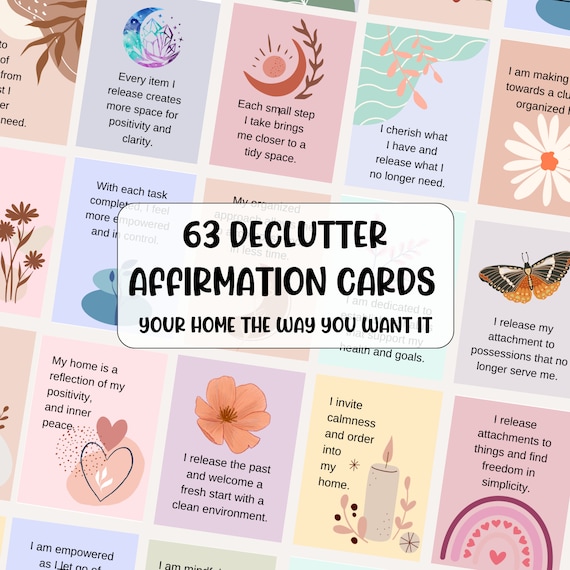
Credit: www.etsy.com
Using Your Affirmation Cards
Having affirmation cards is only the beginning. Using them regularly makes the biggest difference.
Daily Practices
- Morning routine: Pick a card and read it out loud to start your day.
- Work breaks: Draw a card to reset your mind and boost motivation.
- Night routine: Reflect on a card before sleep to end the day positively.
Sharing With Others
Give affirmation cards as gifts or leave them for friends and family. Personalized cards show you care and can brighten someone’s day.
Group Activities
Use affirmation cards in group settings, like:
- Team meetings (boost morale)
- Support groups
- Family dinners (pass a card around the table)
Rotating Cards
Change the card you see each day or week. This keeps the messages fresh and helps you focus on different areas of growth.
Digital Affirmation Cards
If you prefer, you can create digital affirmation cards on your phone or computer. Design tools like Canva or even simple apps let you craft cards and keep them handy. Print them out later or use them as phone wallpapers.
Tip: Digital cards are easy to share on social media or send to friends.
Mistakes To Avoid When Making Affirmation Cards
Even simple projects have common pitfalls. Here’s how to avoid them:
- Choosing too many affirmations: Focus on quality, not quantity. Ten strong cards are better than fifty weak ones.
- Using vague language: Be specific. “I am worthy of love” is stronger than “Things will get better.”
- Making cards too large or small: Cards should fit comfortably in your hand.
- Skipping the planning stage: Think about your message and design before starting.
- Not protecting the cards: Unprotected cards can wear out quickly. Consider laminating or using sleeves.
Personalizing For Special Purposes
Affirmation cards can be tailored for different needs:
For Children
Use simple words, bright colors, and playful images. Involve kids in the design process for more impact.
For Specific Goals
Make themed sets for:
- Confidence
- Anxiety relief
- Creativity
- Health habits
Match the style and language to your goal. For example, use action words for productivity cards.
As Gifts
Write a short note on the back about why you chose each affirmation. Package the cards in a decorated box or envelope.
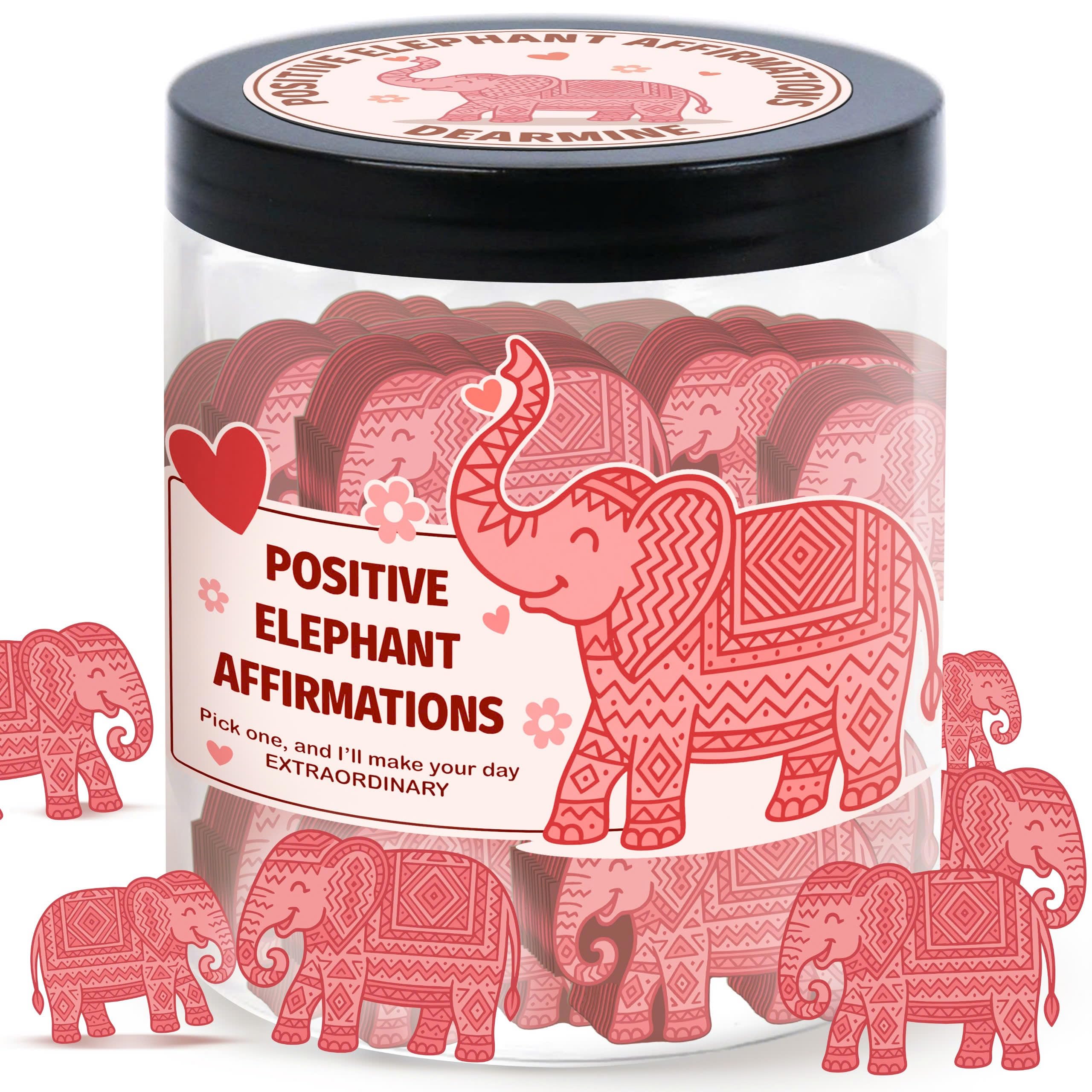
Credit: www.amazon.com
Advanced Tips For Experienced Crafters
If you love crafts, try:
- Embossing: Raise parts of the design for texture.
- Watercolor backgrounds: Soft washes of color make cards look professional.
- Mixed media: Combine paint, collage, and drawing.
- Gold foil or metallic pens: Add sparkle and emphasis.
How To Keep Your Practice Consistent
Even the best affirmation cards don’t help if they gather dust. Here’s how to make your practice a regular part of your life:
- Put your cards somewhere visible.
- Set a phone reminder to pick a card.
- Pair your card practice with something you already do (like making coffee).
- Invite a friend or family member to join you.
Sample Routine For Using Affirmation Cards
Here’s an example of a daily affirmation routine:
- Morning: Before breakfast, shuffle your cards and choose one at random.
- Read the affirmation aloud three times.
- Reflect on the message for a minute. How does it apply to your day?
- Carry the card with you or place it on your desk.
- Evening: Review the card and think about how you lived the affirmation.
Comparing Store-bought Vs. Homemade Affirmation Cards
Some people wonder if making cards at home is worth it compared to buying ready-made sets.
| Feature | Store-Bought | Homemade |
|---|---|---|
| Cost | Medium to High | Low to Medium |
| Personalization | Low | High |
| Variety of Designs | Wide, but fixed | Endless, fully flexible |
| Connection to Affirmations | May feel generic | Very strong (crafted by you) |
| Time Required | None | Some (but enjoyable) |
Homemade cards aren’t just about saving money—they create a deeper bond with your affirmations and let your creativity flow.
Exploring Affirmation Card Communities
Many people share their card designs and ideas online. Joining a community can give you inspiration, feedback, and a sense of connection. Look for groups on social media or forums dedicated to journaling and crafts. You’ll be surprised by the creative ideas others come up with.
If you want to dig deeper into the science and history of affirmations, check out resources like the Wikipedia page on Affirmations.
Frequently Asked Questions
What If I’m Not Artistic? Can I Still Make Beautiful Affirmation Cards?
Absolutely. You don’t need special skills to make meaningful affirmation cards. Simple handwriting, a touch of color, or a sticker can make your cards attractive. Focus on the message more than the decoration. Over time, you’ll get more comfortable and creative.
How Often Should I Use Affirmation Cards For Best Results?
Using affirmation cards daily works best for most people. Make it part of your morning or evening routine. Consistency helps the positive messages sink in and become part of your thinking.
Can I Use Printed Quotes Or Should I Handwrite Everything?
Both options work. Handwriting gives a personal touch and helps you connect with the words, but printed quotes can look neat and stylish. You can even mix handwritten affirmations with printed quotes or images for variety.
How Can I Make Affirmation Cards Last Longer?
Laminating your cards or using card sleeves keeps them protected from wear and tear. Store them in a box or pouch away from moisture. If you want to use them outdoors or while traveling, extra protection is a good idea.
Are Affirmation Cards Helpful For Children?
Yes, affirmation cards are great for children. Use simple language and bright visuals. Reading and discussing affirmations helps kids build confidence and a positive mindset from an early age.
Making affirmation cards at home is a joyful process that blends creativity and self-care. Your cards will be unique, powerful, and full of meaning—ready to inspire you every day.
